




















Anthurium Care Guide for Singapore | Tumbleweed Plants Singapore
Posted on April 13 2026
 In this guide
Shop plants
456 in the collection · Free delivery above $99
In this guide
Shop plants
456 in the collection · Free delivery above $99
In this article
Anthurium is the plant that never stops blooming — or at least, it should not. In Singapore's warm, humid conditions, a well-cared-for Anthurium produces its glossy, heart-shaped spathes (commonly called flowers) almost continuously throughout the year. Red, pink, white, coral, purple, and even near-black varieties are available, each producing the same distinctive bloom: a waxy, colourful spathe with a protruding spadix.
The spathe is not technically a flower — it is a modified leaf that surrounds the true flowers on the spadix. But the distinction is academic. What matters is that Anthurium produces colourful, long-lasting blooms that persist for 6-8 weeks each, with new ones emerging regularly. In Singapore, where our conditions closely match Anthurium's native tropical habitat, this plant is one of the most rewarding bloomers you can grow indoors.
Popular Varieties
Flowering Anthuriums
Anthurium andraeanum — The classic. Heart-shaped spathes in red, pink, white, coral, purple, or bicolour. The most common Anthurium in Singapore and the one most people picture when they hear the name.
Anthurium 'Zizou' — Deep purple, almost black spathes. Dramatic and sophisticated. A standout among Anthurium varieties.
Anthurium 'White Champion' — Pure white spathes with a green spadix. Clean, elegant, and striking against dark foliage.
Anthurium 'Pink Champion' — Soft pink spathes. Gentle and feminine. A popular gift plant.
Foliage Anthuriums
Anthurium clarinervium — Grown for its large, heart-shaped, dark green leaves with prominent white veining. Does not produce showy blooms — the foliage is the attraction.
Anthurium crystallinum — Similar to clarinervium but with a more velvety texture and crystal-like leaf surface. A collector's plant.
Anthurium warocqueanum — The "Queen Anthurium." Extremely long, narrow, velvety leaves. Challenging but spectacular.
Light
Anthurium needs bright indirect light for consistent blooming.
Bright indirect light — The ideal. Near a window with filtered light, or a few metres from a bright window. Produces the most blooms and the most vivid colours.
Medium indirect light — Acceptable. The plant survives and maintains foliage health but produces fewer blooms. You may get sporadic rather than continuous flowering.
Low light — The plant survives as a foliage plant but stops blooming almost entirely. If your Anthurium has not produced a new spathe in months, insufficient light is the most likely cause.
Direct sun — Avoid. Direct sun scorches the waxy spathes and burns the leaves. The exception is gentle early morning sun (before 9am) which is usually tolerated.
Watering
Schedule in Singapore:
- Water when the top 2-3cm of soil is dry
- Every 5-7 days in naturally ventilated rooms
- Every 7-10 days in air-conditioned rooms
- Slightly more frequently if in bright conditions
Technique: Water thoroughly until water drains from the bottom. Empty saucers promptly — Anthurium roots dislike sitting in water.
Water quality: Anthurium is moderately sensitive to hard water and chemicals. Singapore tap water is generally acceptable, but if you notice brown leaf tips, try using filtered or rainwater.
Overwatering signs: Yellow leaves (especially lower ones), mushy stems, root rot, leaf drop.
Underwatering signs: Wilting, drooping leaves, slow growth, smaller and fewer blooms.
Soil
Anthurium needs an airy, well-draining mix that retains some moisture without staying soggy. Its roots are epiphytic in nature — in the wild, many Anthuriums grow on tree trunks, not in ground soil.
Recommended mix:
- 40% potting soil
- 30% orchid bark (chunky, for aeration)
- 20% perlite
- 10% charcoal (optional, improves drainage and reduces odour)
Alternatively, an orchid mix with added perlite works well. The key principle: the roots need air. Dense, compacted soil leads to root rot.
Humidity
Singapore advantage: Our 70-80% ambient humidity is excellent for Anthurium. This plant thrives in high humidity and Singapore delivers it naturally.
Air-conditioned rooms (50-60%): Adequate for flowering Anthuriums (A. andraeanum varieties). Lower humidity may cause slightly slower growth and occasional crispy leaf edges. Group plants together or use a pebble tray to increase localised humidity.
Foliage Anthuriums (clarinervium, crystallinum, warocqueanum): These need higher humidity — 65%+ consistently. AC rooms may be too dry for these varieties unless supplemental humidity is provided (humidifier, terrarium-style enclosure, or dedicated humid growing area).
Temperature
Singapore's 26-32°C is well within Anthurium's comfort range (18-30°C). No temperature concerns in normal conditions.
AC rooms (22-25°C): Acceptable. Avoid placing directly in the path of cold air from AC vents.
Temperature consistency matters: Anthurium dislikes sudden temperature changes. Avoid positions where temperatures fluctuate dramatically (near doors that open to outdoor heat, directly under AC vents that cycle on and off).
Fertilising
Fertilising is important for continuous blooming:
- Use a balanced liquid fertiliser (e.g., 20-20-20) at quarter to half strength every 4-6 weeks
- Some growers prefer a higher-phosphorus fertiliser (e.g., 10-30-20) to promote blooming — the middle number (phosphorus) supports flower production
- Fertilise during active growth and blooming periods
- Reduce or stop during any growth slowdowns
- Flush soil with plain water every 2-3 months to prevent salt buildup
Over-fertilising signs: Brown leaf tips, salt crust on soil surface, leaf burn.
Encouraging Blooms
If your Anthurium has healthy foliage but is not blooming:
- 1. Increase light. This is the number one reason for non-blooming. Move closer to a window or to a brighter position.
- 2. Fertilise regularly. Blooming requires energy. A phosphorus-rich fertiliser supports bloom production.
- 3. Check root health. An Anthurium with root issues diverts energy to survival rather than reproduction. Inspect roots — healthy roots are white or light tan, not brown or mushy.
- 4. Ensure adequate humidity. Low humidity can suppress blooming.
- 5. Be patient. After adjusting conditions, new blooms may take 6-8 weeks to develop and emerge.
Bloom Care
Once your Anthurium produces a spathe:
- Each spathe lasts 6-8 weeks, sometimes longer
- As the spathe ages, its colour fades — this is normal
- When a spathe has fully faded and dried, cut it off at the base to redirect energy to new bloom production
- The spadix will eventually develop small, berry-like fruits if pollinated — remove these to encourage the plant to produce new spathes instead
Common Problems
Yellow Leaves
Lower leaves turning yellow and dropping: Often natural — Anthurium sheds older leaves as it produces new ones. One or two yellow lower leaves periodically is normal.
Multiple yellow leaves: Overwatering, root rot, or nutrient deficiency. Check soil moisture and root condition.
Brown Leaf Tips
Causes: Low humidity, over-fertilising, hard water, or underwatering.
Fix: Identify the specific cause. Increase humidity, reduce fertiliser concentration, switch to filtered water, or adjust watering frequency.
No Blooms
Primary cause: Insufficient light. Secondary causes: under-fertilising, root-bound conditions, or the plant is too young (juvenile Anthuriums do not bloom).
Root Rot
Cause: Overwatering, poor drainage, or dense soil.
Signs: Mushy, brown or black roots. Foul smell from soil. Yellow, wilting foliage despite moist soil.
Treatment: Remove from pot. Trim all rotten roots with clean scissors. Repot in fresh, well-draining mix. Reduce watering frequency. In severe cases, the plant may not recover.
Bacterial Blight
Signs: Water-soaked lesions on leaves that turn brown or black. Yellowing around affected areas.
Cause: Bacteria entering through wounds or spreading in wet conditions.
Treatment: Remove affected leaves immediately. Improve air circulation. Avoid getting water on leaves. Isolate from other plants. In severe cases, discard the plant to prevent spread.
Propagation
Anthurium is best propagated by division:
- 1. Remove the plant from its pot
- 2. Identify natural divisions — sections with their own roots and at least 2-3 leaves
- 3. Gently separate the divisions, untangling roots carefully
- 4. Plant each division in its own pot with fresh, airy mix
- 5. Water lightly and place in bright indirect light
- 6. Reduce watering for 2-3 weeks while new roots establish
Anthurium can also be propagated from stem cuttings with aerial roots, planted directly in soil or sphagnum moss.
Styling
Anthurium's glossy blooms make it a natural focal point:
- Coffee table centrepiece — A blooming Anthurium in a simple white or neutral pot is an elegant, long-lasting centrepiece
- Desk plant — Compact varieties with continuous blooms bring colour to any workspace
- Bathroom plant — If the bathroom has a window, the humidity is ideal for Anthurium
- Mixed arrangements — Red Anthurium blooms contrast beautifully with dark green foliage plants like Philodendron or Monstera
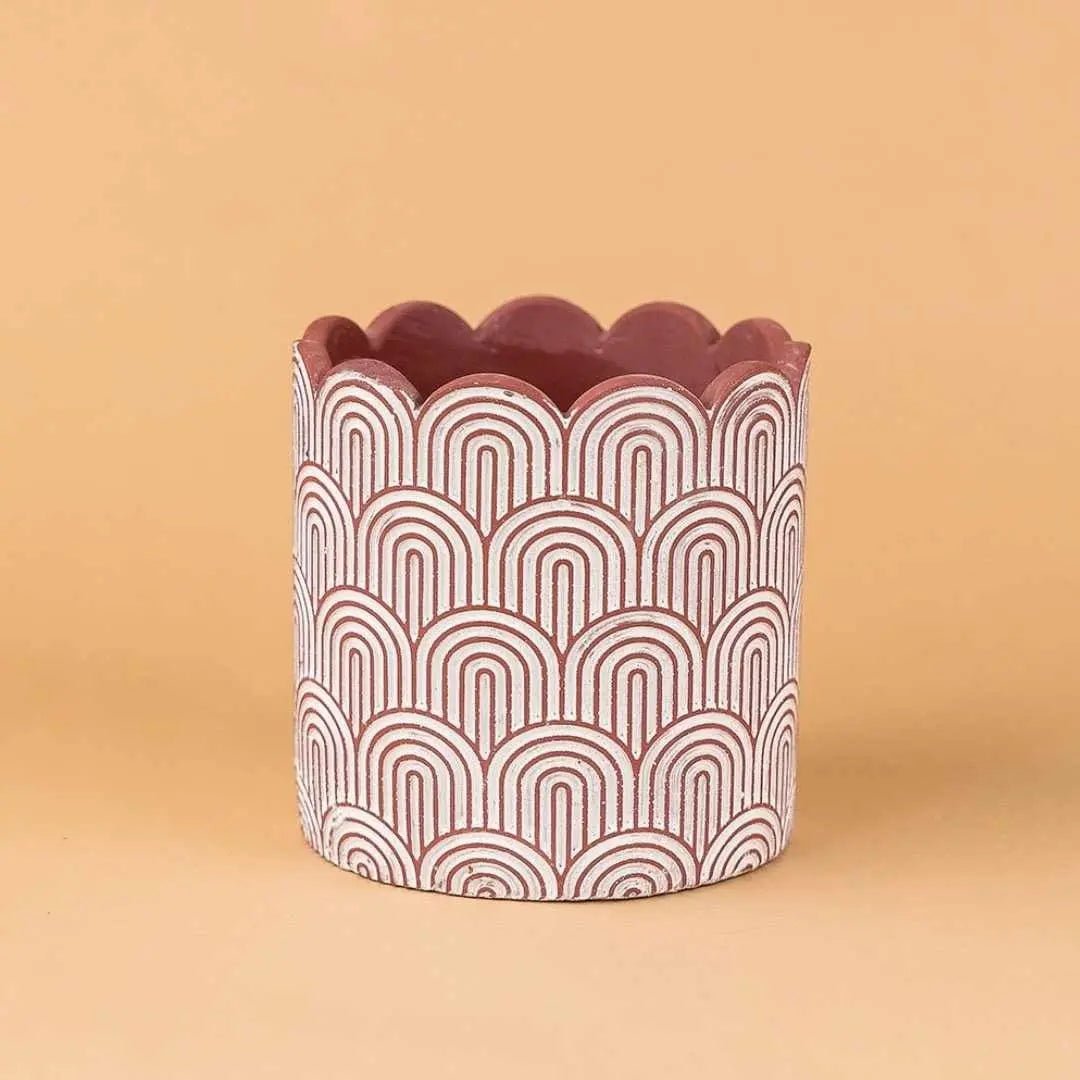
Pot choice: Keep it clean and simple — white, matte grey, or black. Let the colourful spathes be the visual star.
Is Anthurium Toxic?
Yes. Contains calcium oxalate crystals throughout the plant. Causes oral irritation, swelling, and digestive distress if ingested by pets or children. The sap can also irritate skin. Handle with care and keep out of reach.
Shop Anthurium
Browse our indoor plant collection for Anthurium and other blooming plants delivered across Singapore.
Anthurium is the rare houseplant that delivers both foliage and flowers — and in Singapore, it delivers them year-round. While most flowering houseplants bloom seasonally and spend months looking like plain green plants, Anthurium cycles through bloom after bloom, each lasting weeks, each a glossy, waxy reminder that you are growing something genuinely beautiful. The care is straightforward: bright light, airy soil, consistent moisture, and regular feeding. The reward is disproportionate — a plant that looks like a professional floral arrangement, permanently, on your coffee table. And when visitors ask if the flowers are real — and they will ask, because Anthurium spathes look almost too perfect to be natural — you get to say yes. They are real, they are growing, and the next one is already on its way.
Quick summary
Key Takeaways
- Popular Varieties
- Light
- Watering
- Soil
- Humidity
- Temperature
Ready to bring some green into your home?
Browse 250+ hand-picked plants, curated for Singapore homes — delivered to your door.
Browse All Plants →Shop plants
View all 456-
 ZZ Plant - Baby
$12
ZZ Plant - Baby
$12$22 -
 Everfresh Little Tree - Pithecellobium Confertum Japan
$55
Everfresh Little Tree - Pithecellobium Confertum Japan
$55$95 -
 ZZ Plant - Medium
$27
ZZ Plant - Medium
$27$42 -
 Money Tree Infinity
$20
Money Tree Infinity
$20$30


Hand-delivered by our delivery team. Pick your delivery date at checkout.