





















Begonia Rex Care Guide for Singapore | Tumbleweed Plants Singapore
Posted on April 13 2026
In this article
If houseplants were art, Begonia rex would hang in the gallery. Its leaves are painted — metallic silver, deep burgundy, forest green, hot pink, spiral patterns, and colour combinations that seem designed by an artist rather than evolved by nature. No other houseplant genus offers this range of colour and pattern in its foliage.

Begonia rex (technically Begonia rex-cultorum, a group of hybrids) has been cultivated for over 150 years, and breeders have produced hundreds of named varieties. The leaves are the entire point — Begonia rex flowers are small and insignificant. You grow this plant for its painted, textured, often metallic foliage.
In Singapore, Begonia rex benefits from our natural humidity but needs attention to airflow, watering, and light balance.
Popular Varieties
Begonia rex 'Escargot' — Spiral-shaped leaves that curl inward like a snail shell. Silver and green with burgundy accents. The most recognisable variety.
Begonia rex 'Fireworks' — Silver leaves with deep purple edges and veins. Metallic and dramatic.
Begonia rex 'Red Kiss' — Deep red to black leaves with a metallic sheen. Dark and moody.
Begonia rex 'Silver Dollar' — Large, round, predominantly silver leaves with green edges. Elegant and understated.
Begonia rex 'Jurassic Watermelon' — Pink, green, and silver leaves with a speckled pattern resembling watermelon rind.
Light
Begonia rex needs moderate light — not too much, not too little.
Medium indirect light — The sweet spot. Produces the most vivid colours and compact growth. Near a window with filtered light or a few metres from a bright window.
Bright indirect light — Acceptable if filtered. Extended bright exposure can wash out the metallic colouring.
Low light — The plant survives but colours fade, growth becomes leggy, and the dramatic foliage loses its impact.
Direct sun — No. The thin, colourful leaves scorch quickly in direct sun. Even morning direct sun can be too intense for some varieties.
Watering
The most critical aspect of Begonia rex care — and where most problems originate.
Schedule in Singapore:
- Water when the top 2-3cm of soil is dry
- Every 5-7 days in naturally ventilated rooms
- Every 7-10 days in air-conditioned rooms
Critical rule: Keep water off the leaves. Begonia rex leaves are highly susceptible to fungal issues when wet. Always water the soil directly — never overhead water, never mist the leaves, and never let water sit on the foliage.
Technique:
- Water at the base, directing the stream to the soil
- Use a narrow-spout watering can for precision
- Empty saucers promptly
Overwatering signs: Mushy stems at the base, leaf drop, root rot, stems collapsing.
Underwatering signs: Wilting, crispy edges, leaf curling.
Soil

Well-draining and airy:
- 50% potting mix
- 25% perlite
- 25% orchid bark or coco coir
Begonia rex roots are shallow and fine — they rot quickly in dense, waterlogged soil. Good drainage and air circulation in the root zone are essential.
Humidity
Singapore's advantage and challenge: Begonia rex needs 50-70% humidity — our ambient 70-80% is at the upper end. High humidity is good for the leaves but increases the risk of fungal problems.
The balance: Begonia rex wants humidity in the air but not on its leaves. This means:
- Good airflow is essential — use a fan or ensure natural ventilation
- Do not mist (water on leaves = fungal risk)
- Group with other plants for shared humidity, but not so closely that airflow is restricted
AC rooms (50-60%): Actually suitable for Begonia rex — the lower humidity reduces fungal risk while still being adequate for the plant.
Temperature

Singapore's 26-32°C is acceptable. Begonia rex prefers 18-27°C — our warmth is at the upper end of tolerance. The plant grows well but may not be as vigorous as in cooler conditions.
AC rooms (22-25°C): Good for Begonia rex — the cooler temperature with moderate humidity suits it well.
Fertilising
- Balanced liquid fertiliser at half strength every 4-6 weeks during active growth
- Light feeder — over-fertilising causes leaf tip burn
- Reduce during slower growth periods
- Flush soil every 2-3 months
Common Problems

Powdery Mildew
The number one Begonia rex problem in Singapore. A white, powdery coating on leaves caused by fungal growth in humid, stagnant conditions.
Prevention: Good airflow. Do not wet the leaves. Space plants to allow air circulation. Keep in a ventilated area.
Treatment: Remove affected leaves. Improve airflow. Apply a fungicide if the issue persists. In severe cases, isolate the plant.
Stem Rot
Cause: Overwatering, especially in humid conditions. The stems at soil level become mushy and collapse.
Prevention: Let soil dry adequately between waterings. Use well-draining soil. Ensure the pot has drainage.
Treatment: Cut above the rot. Propagate healthy sections. Repot in fresh, fast-draining soil.
Leaf Drop
Some leaf drop is normal. Begonia rex naturally drops older leaves, especially after producing new ones. One or two leaves dropping periodically is not alarming.
Excessive drop: Overwatering, cold drafts, sudden environmental changes, or root rot.
Crispy Edges
Cause: Low humidity (in heavy AC rooms), underwatering, or direct sun exposure.
Fix: Increase humidity (pebble tray, grouping plants), ensure consistent watering, and avoid direct light.
Leggy Growth
Cause: Insufficient light. Stems stretch toward the light source, becoming elongated with widely spaced leaves.
Fix: Move to brighter (still indirect) light. Prune leggy stems to encourage bushier growth.
Propagation
Begonia rex propagates from leaf cuttings — one of the most fascinating propagation methods:
Leaf Cutting in Soil
- 1. Cut a healthy leaf with 2-3cm of petiole (stem)
- 2. Insert the petiole into moist soil or perlite
- 3. Cover loosely with a clear plastic bag or dome to maintain humidity
- 4. Roots and new plantlets develop in 4-8 weeks
- 5. Remove the cover gradually once new growth appears
Leaf Section Method
- 1. Cut a healthy leaf into sections, each containing a major vein
- 2. Lay the sections vein-side down on moist soil
- 3. Pin in place with small wire or toothpicks
- 4. Cover to maintain humidity
- 5. New plantlets emerge from the veins in 4-8 weeks
This method produces multiple new plants from a single leaf.
Styling
Begonia rex is a display plant — its foliage demands attention:
- Desk or table feature — A single Begonia rex in a simple pot at eye level, where the leaf patterns are visible
- Shelf display — Among books and objects, the metallic leaves catch light beautifully
- Terrarium — Some compact varieties thrive in terrariums where humidity is naturally high
- Grouped collection — Multiple varieties together create a living gallery of colour and pattern
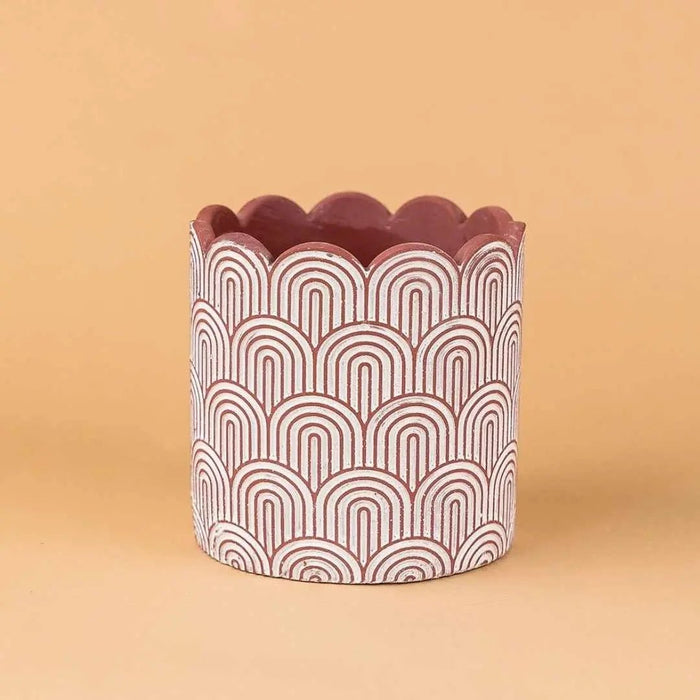
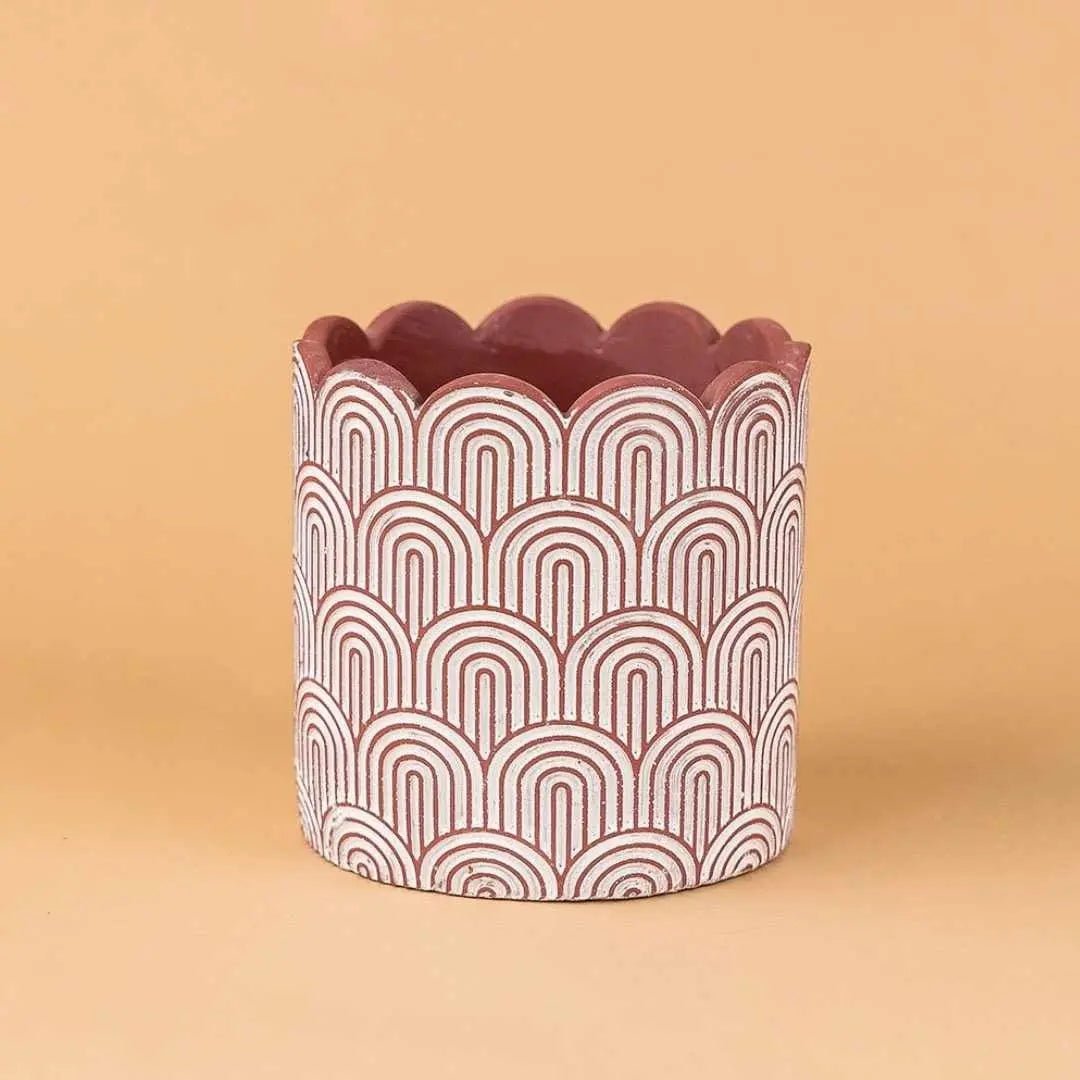
Pot choice: Simple, understated pots — the leaves are the star. White, matte black, or terracotta in clean shapes. Avoid busy or colourful pots that compete with the foliage.
Is Begonia Rex Toxic?
Yes, mildly. Contains calcium oxalate crystals. Causes oral irritation if ingested by pets or children. Keep out of reach.
Shop Begonia
Browse our indoor plant collection for Begonia and other colourful foliage plants delivered across Singapore.
Begonia rex is the plant for people who want their houseplants to be beautiful, not just green. Every leaf is a composition of colour, pattern, and texture that rivals anything hanging on a wall. In Singapore, our humidity gives us an advantage — but the trade-off is vigilance against fungal issues. Keep the air moving, keep the leaves dry, and keep the soil draining freely. Do that, and Begonia rex rewards you with foliage so striking that visitors will ask if it is real. It is. And it is growing, changing, and producing new painted leaves right there on your shelf.
Quick summary
Key Takeaways
- Popular Varieties
- Light
- Watering
- Soil
- Humidity
- Temperature
Ready to bring some green into your home?
Browse 250+ hand-picked plants, curated for Singapore homes — delivered to your door.
Browse All Plants →