
















Anthurium Care Guide: The Easiest Flowering Houseplant for Singapore
Posted on April 08 2026
In this article
If there's one flowering houseplant that thrives in Singapore with minimal fuss, it's the anthurium. These tropical beauties produce their waxy, heart-shaped blooms almost continuously in our warm, humid climate — making them one of the best value plants you can own. Whether you're a beginner plant parent in an HDB flat or an experienced collector wanting to add year-round colour to a condo, anthurium is a plant that consistently delivers.

Quick Facts
Why Anthuriums Are Perfect for Singapore
Anthuriums are native to the tropical rainforests of Central and South America — environments that are strikingly similar to Singapore's year-round warmth and high humidity. Our climate means anthuriums can bloom continuously, unlike in temperate countries where they often rest during winter.
The combination of consistent warmth (26–32°C), high ambient humidity, and bright diffused light that characterises most Singapore homes is almost ideal for anthuriums. They're genuinely one of the most rewarding flowering plants you can grow here.
Light: Bright Indirect is the Sweet Spot
Anthuriums thrive in bright indirect light. Think of a spot near a window that receives plenty of ambient light but where the harsh midday or afternoon sun doesn't fall directly on the leaves.
In practice:
- East-facing windows (morning sun) are often perfect
- North-facing windows with good ambient light work well
- South or west-facing windows — position the plant slightly back from the glass, or use a sheer curtain to diffuse intense afternoon sun
- Avoid deep interior spots with little natural light — blooming will slow or stop
Direct harsh sun will scorch anthurium leaves quickly. The leaves turn yellow, then bleach out in intense direct light. Bright indirect light is the key to lush foliage and continuous flowers.
Watering

Anthuriums like to dry out slightly between waterings — but not completely. The general rule is to let the top 2cm of soil dry out, then water thoroughly until it drains from the bottom.
In Singapore's heat, this typically means watering every 7–10 days for indoor plants. In air-conditioned rooms, the mix dries more slowly, so lean toward the longer end. On a warm balcony, you may need to water more frequently.
Key rules:
- Never let the plant sit in standing water — empty saucers after watering
- Always use a pot with drainage holes
- Overwatering (soggy soil) is more harmful than underwatering; root rot is the most common cause of anthurium decline
Humidity
Anthuriums want 60–80% humidity — which Singapore's outdoor environment comfortably provides. Indoors with air-conditioning, humidity often drops to 45–55%, which can cause leaf tips and edges to brown.
To improve humidity indoors:
- Group anthuriums with other plants
- Use a pebble tray with water beneath the pot
- Run a small humidifier nearby
- Avoid positioning plants directly under air-conditioning vents
Soil: The Chunky Mix Makes All the Difference

Standard potting mix is often too dense and water-retentive for anthuriums. The roots need excellent aeration — they're adapted to grow in the leaf litter and moss of rainforest floors, not compacted earth.
The ideal anthurium soil mix:
- 40% orchid bark (provides aeration and drainage)
- 30% quality potting mix (provides nutrients and structure)
- 20% perlite (improves drainage further)
- 10% coco coir (gentle moisture retention)
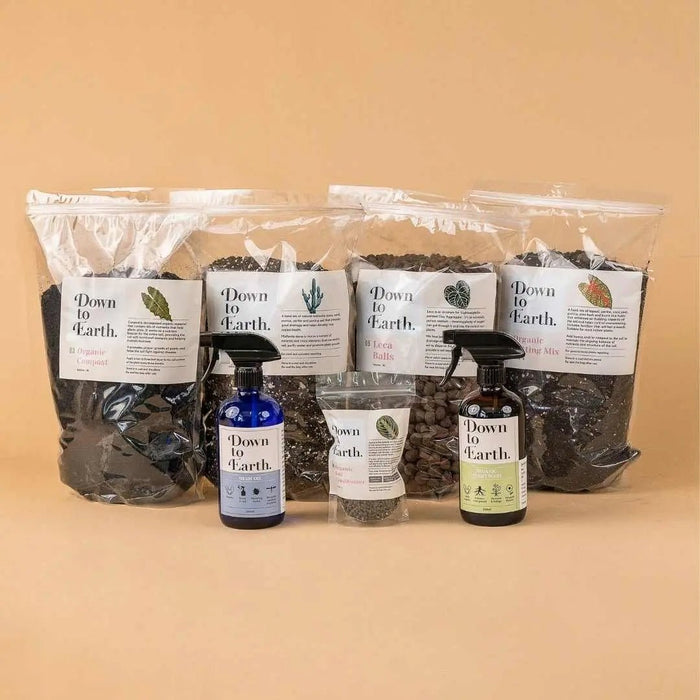
This chunky, free-draining mix prevents root rot while still retaining enough moisture for healthy growth. Repot every 1–2 years when roots start circling the pot or emerging from drainage holes.
Feeding
Feed monthly with a balanced liquid fertiliser (e.g., 20-20-20 NPK) diluted to half strength. In Singapore's year-round growing climate, consistent monthly feeding supports continuous blooming.
A fertiliser higher in phosphorus (the middle number) can encourage more prolific flowering — look for formulations designed for flowering plants.
Avoid over-fertilising. Too much fertiliser, especially nitrogen, produces lush foliage at the expense of flowers, and can cause fertiliser salt build-up in the soil. Flush the soil with plain water every 2–3 months to clear any accumulation.
Popular Anthurium Varieties

Anthurium 'Double Red' — Classic bright red spathes, vigorous bloomer, excellent for adding a bold colour pop to any space.
Anthurium 'Flamingo Pink' — Soft pink spathes with a gentle, feminine look. Pairs beautifully with neutral interiors.
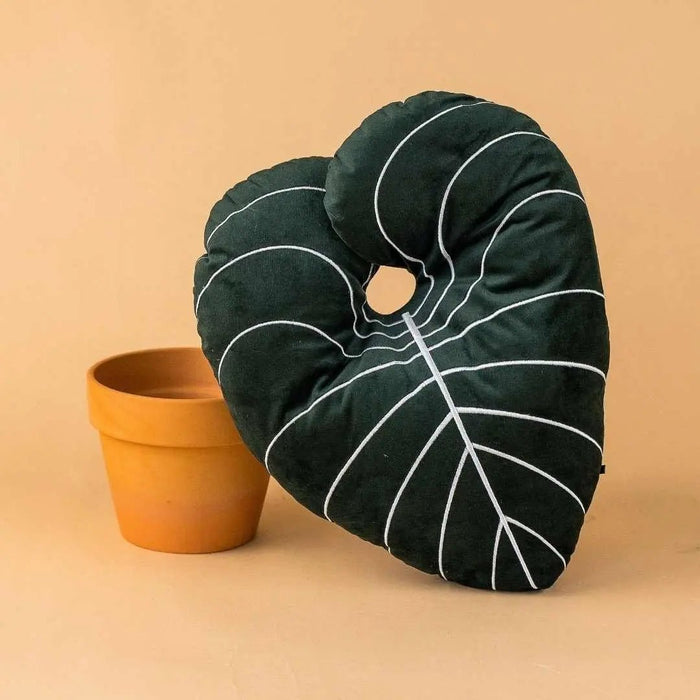
Anthurium clarinervium — Grown for its stunning velvety dark green leaves with bright white veins. Less focused on flowering, more of a foliage collector's plant.
Anthurium 'Arrow' — Long, arrow-shaped spathes in rich red or orange tones. More architectural and unusual-looking than standard varieties.
Propagation by Division
Anthuriums are easy to propagate by division when repotting. Mature plants often produce multiple stems — these can be carefully separated at the roots and potted individually.
Steps:
- Remove the plant from its pot
- Gently separate root clusters, ensuring each division has at least 2–3 healthy leaves and an established root section
- Pot each division into fresh chunky mix
- Water lightly and keep in bright indirect light while it establishes (typically 3–4 weeks)
Common Problems
Yellow leaves — Usually caused by overwatering or too much direct sun. Check soil moisture levels and adjust light.
Brown leaf tips — Low humidity or inconsistent watering. Increase humidity and maintain more regular watering.
No flowers — Insufficient light is the most common cause. Move to a brighter spot. Alternatively, boost phosphorus in fertiliser.
Root rot — Caused by overwatering and/or poor drainage. Remove affected roots, let the plant dry briefly, repot in fresh chunky mix.
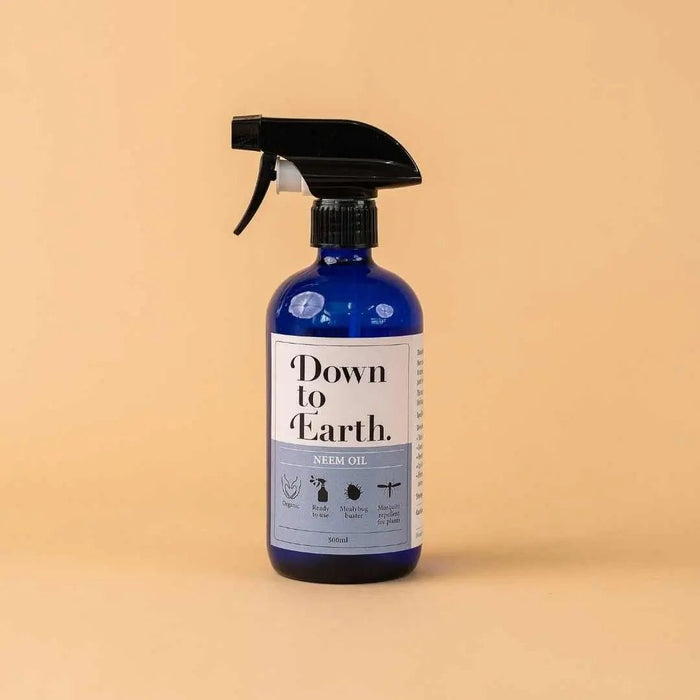
Pests — Mealybugs and scale insects can appear. Check the undersides of leaves and the stem joints. Treat with neem oil or a cotton swab dipped in rubbing alcohol.
A Note on Toxicity
Anthuriums are toxic if ingested — keep them away from curious children and pets. The sap also contains calcium oxalate crystals that can cause skin and eye irritation. Wear gloves when handling cut stems or when repotting.
---
Explore our full range of anthurium varieties — from classic flowering types to rare foliage collectors' plants: Shop Anthuriums
Get yours delivered today: Same-Day Plant Delivery Singapore
Quick summary
Key Takeaways
- Quick Facts
- Why Anthuriums Are Perfect for Singapore
- Light: Bright Indirect is the Sweet Spot
- Watering
- Humidity
- Soil: The Chunky Mix Makes All the Difference
Ready to bring some green into your home?
Browse 250+ hand-picked plants, curated for Singapore homes — delivered to your door.
Browse All Plants →