
















Anthurium Care Guide for Singapore
Posted on April 09 2026
In this article
Anthurium is the plant that brings colour to the indoor jungle without the fussiness of cut flowers. Its glossy, heart-shaped spathes — technically modified leaves that surround the tiny flowers on the central spadix — come in red, pink, white, purple, and even near-black. A healthy Anthurium can bloom continuously throughout the year, producing new spathes every few months.

But Anthurium is more than just the classic red flowering houseplant. The genus includes over 1,000 species, many prized for their extraordinary foliage rather than their flowers. Anthurium clarinervium, crystallinum, and veitchii have some of the most stunning leaves in the plant kingdom — deeply veined, velvety, and almost impossibly beautiful.
In Singapore, Anthuriums thrive. Our warm, humid climate closely matches their native tropical American habitat, giving us a significant advantage over growers in drier, cooler climates.
Types of Anthurium
Flowering Anthuriums
Anthurium andraeanum — The classic. Glossy heart-shaped spathes in red, pink, white, or orange. The most commonly sold Anthurium and the easiest to grow. A single plant can produce flowers continuously for years.
Anthurium scherzerianum — Similar to andraeanum but with a curled spadix and slightly narrower spathes. Often in orange and red. Compact growth habit makes it ideal for smaller spaces.
Foliage Anthuriums
Anthurium clarinervium — Dark green, heart-shaped leaves with striking white venation. Velvety texture. One of the most popular foliage Anthuriums. Compact and manageable in size.
Anthurium crystallinum — Similar to clarinervium but with larger, more elongated leaves and silver (rather than white) veins. Stunning in bright indirect light.
Anthurium veitchii (King Anthurium) — Enormous, elongated, corrugated leaves that can reach over one metre long in mature specimens. A true collector plant.
Anthurium warocqueanum (Queen Anthurium) — Very long, narrow, dark green leaves with silver veins. Pendulous growth habit. Another collector favourite.
Anthurium magnificum — Thick, velvety, dark green leaves with prominent white veins. Similar to clarinervium but larger.
Light
Anthuriums are understorey plants in the wild — they grow beneath the forest canopy, receiving filtered light.
Bright indirect light — Optimal. Best flowering, best foliage colour, healthiest growth. Within one to two metres of an east or north-facing window.
Medium light — Acceptable. Flowering types may produce fewer blooms. Foliage types maintain their beauty.
Low light — Tolerated but not recommended. Flowering stops. Foliage varieties survive but growth slows significantly.
Direct sunlight — Avoid. Anthurium leaves burn quickly in direct sun — brown, crispy patches that are permanent.
The flowering connection: Bright indirect light is the most important factor for continuous blooming. An Anthurium in a dim corner will grow leaves but may never produce a spathe.
Watering
Anthuriums prefer consistent moisture without waterlogging.
Schedule in Singapore:
- Water when the top two to three centimetres of soil feel dry
- Typically every five to seven days
- Slightly less in air-conditioned rooms or lower light
Technique:
- Water thoroughly until liquid drains from the bottom
- Allow excess to drain completely
- Never let the pot sit in standing water
- Room-temperature water
Anthuriums are more sensitive to overwatering than many tropical plants. Their roots are adapted to airy, well-draining conditions (they are epiphytes or semi-epiphytes in the wild). Soggy soil leads to root rot quickly.
Signs of overwatering:
- Yellowing lower leaves
- Brown, mushy leaf bases
- Root rot (brown, slimy roots)
Signs of underwatering:
- Wilting despite moist-looking soil (check deeper — the bottom may be dry)
- Brown, dry leaf edges
- Slow or stopped flowering
Humidity

This is where Singapore gives us a major advantage. Anthuriums love high humidity (60-80%), and Singapore delivers this naturally in most environments.
Foliage Anthuriums (clarinervium, crystallinum, etc.) are more humidity-sensitive than flowering types. In heavily air-conditioned rooms:
- Group with other plants
- Use a pebble tray
- Consider a small humidifier nearby
- Occasional misting (morning only, to allow leaves to dry)
Flowering Anthuriums (andraeanum, scherzerianum) are more tolerant of moderate humidity and handle typical Singapore indoor conditions well, even with AC.
Soil
Anthuriums need an extremely well-draining, airy mix — similar to orchid media:
- 40% orchid bark
- 25% perlite
- 20% potting soil
- 10% sphagnum moss
- 5% charcoal
The roots need air. A heavy, water-retentive mix suffocates them. If you can squeeze water out of a handful of your Anthurium soil, it is too moisture-retentive.
Fertilising

Moderate feeders, especially when flowering:
- Balanced liquid fertiliser (NPK 10-10-10) at half strength every two to three weeks during active growth
- A fertiliser higher in phosphorus (the middle number) can encourage more flowering
- Reduce during slower growth periods
- Never fertilise dry soil
- Flush soil every two to three months
Getting More Flowers
For flowering Anthuriums, maximising bloom production is the goal:
1. Bright indirect light. The single biggest factor. More light = more flowers.
2. Consistent feeding. Regular fertiliser during growth provides the nutrients needed for flower production.
3. Warmth. Anthuriums flower best between 25-32°C — Singapore's natural range.
4. Humidity. Higher humidity supports healthier growth, which supports more flowering.
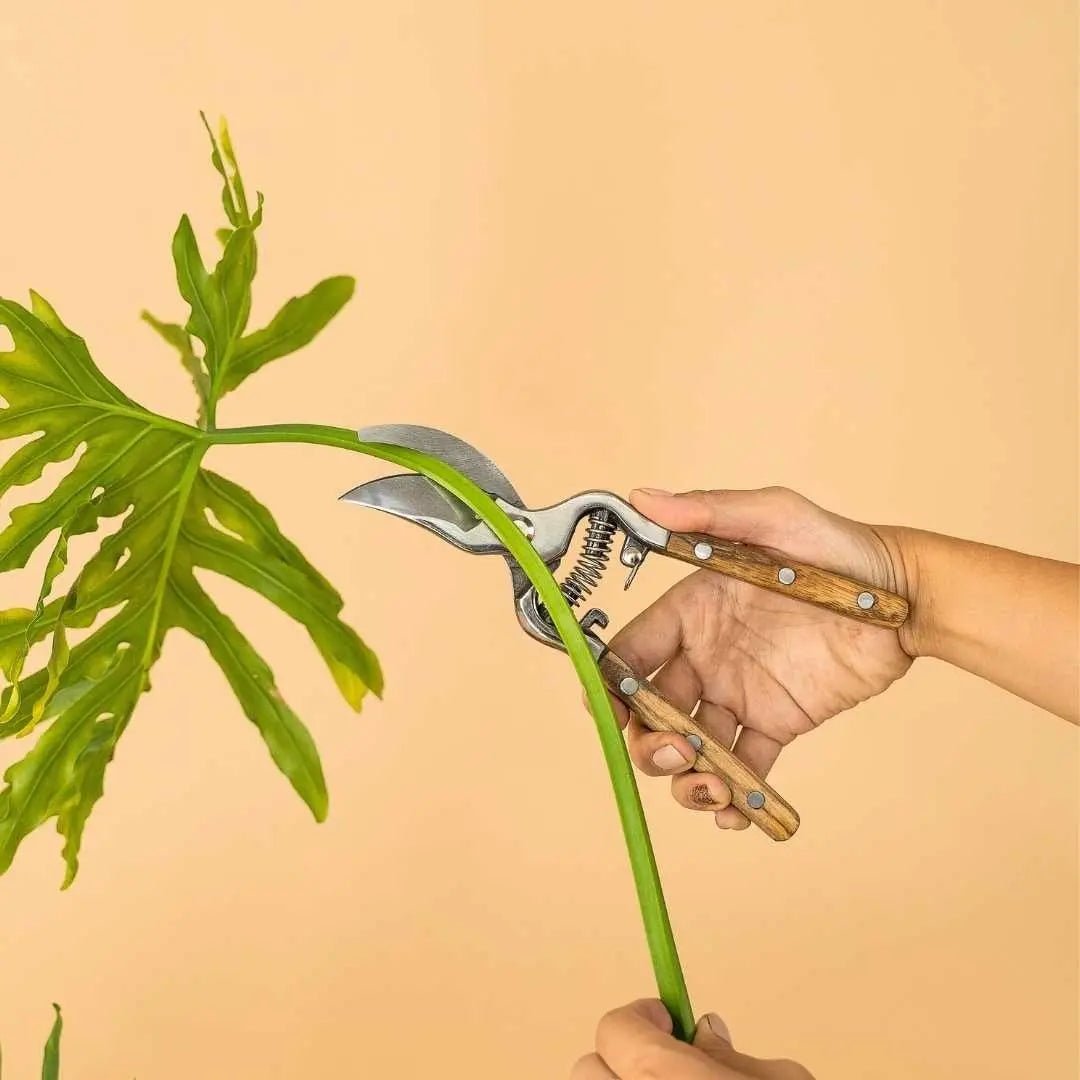
5. Remove spent flowers. Once a spathe fades (turns green or brown), cut it at the base. This redirects the plant's energy toward producing new blooms.
6. Appropriate pot size. Slightly root-bound Anthuriums tend to flower more prolifically than recently repotted ones.
Propagation

Division (Most Common)
Mature Anthuriums produce offshoots or multiple growing points that can be divided:
- Remove the plant from its pot
- Identify separate growth points with their own root systems
- Gently separate, cutting connecting roots with a clean knife
- Pot each division in fresh aroid mix
- Keep moist and in bright indirect light
Stem Cuttings (Vining Types)
Some climbing Anthuriums can be propagated from stem cuttings:
- Cut a section with at least one node and aerial root
- Place in moist sphagnum moss or water
- Maintain humidity (plastic bag or propagation box)
- Roots develop in three to six weeks
Seed (Advanced)
Anthurium flowers can be pollinated to produce berries containing seeds. This is an advanced technique primarily used by breeders and serious collectors.
Common Problems
Brown Leaf Tips
The most common issue:
- Low humidity — especially in AC rooms. Increase humidity.
- Fertiliser burn — reduce concentration and flush soil.
- Water quality — Anthuriums can be sensitive to chlorine and minerals. Use filtered water.
No Flowers
- Insufficient light — move to a brighter spot.
- Insufficient feeding — resume regular fertilising.
- Plant is too young — some Anthuriums need to reach maturity before flowering.
- Recently repotted — Anthuriums may pause flowering after repotting. Patience.
Yellow Leaves
- Overwatering if multiple lower leaves.
- Natural ageing if one or two oldest leaves.
- Nutrient deficiency if widespread with pale new growth.
Bacterial Blight
Brown, V-shaped lesions on leaves. Caused by bacterial infection, often from overhead watering or poor air circulation. Remove affected leaves. Improve ventilation. Avoid wetting foliage.
Pests
- Mealybugs — in leaf axils and on flower spathes. Treat with isopropyl alcohol.
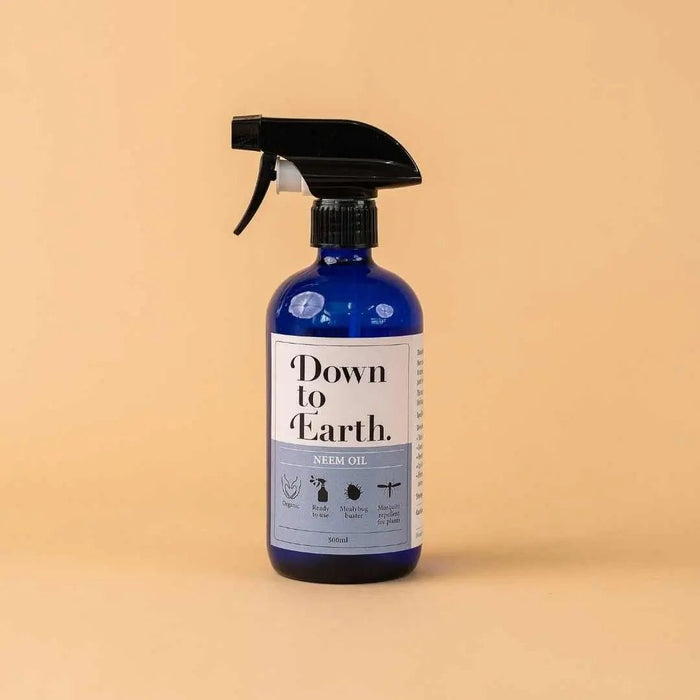
- Spider mites — fine stippling on leaves. Increase humidity, treat with neem oil.
- Thrips — silvery streaks on leaves. Treat with insecticidal soap.
- Scale — brown bumps on stems. Scrape and treat with horticultural oil.
Is Anthurium Toxic?
Yes. Anthuriums contain calcium oxalate crystals. Ingestion causes mouth irritation, swelling, and difficulty swallowing. Keep away from children and pets. The sap can irritate sensitive skin — wear gloves when pruning.
Styling Anthuriums
Flowering Types
- Centrepiece plant: A red or pink Anthurium andraeanum in a white ceramic pot is the classic desktop or coffee table accent.
- Bathroom beauty: The humidity makes bathrooms ideal for Anthuriums. Place near a window for blooming.
- Grouped display: Multiple Anthuriums in different colours (red, pink, white) in matching pots create a striking arrangement.
Foliage Types
- Collector shelf: Anthurium clarinervium and crystallinum displayed on an open shelf where their veined leaves can be admired at eye level.
- Statement plant: A mature Anthurium veitchii or warocqueanum is a living sculpture that commands attention.
- Terrarium: Small foliage Anthuriums suit high-humidity terrarium environments beautifully.
Shop Anthuriums
Browse our indoor plant collection for Anthurium varieties — from classic flowering plants to collector foliage specimens. We deliver healthy plants across Singapore.
Anthurium gives you two plants in one genus — the accessible, continuously flowering houseplant that brightens any room, and the collector-grade foliage specimen with leaves that look like they were designed by an artist. Both thrive in Singapore's warmth and humidity. Whether you start with a simple red Anthurium on your desk or a velvet-leafed clarinervium on your plant shelf, you are growing one of the most rewarding tropical genera available.
Quick summary
Key Takeaways
- Types of Anthurium
- Light
- Watering
- Humidity
- Soil
- Fertilising
Ready to bring some green into your home?
Browse 250+ hand-picked plants, curated for Singapore homes — delivered to your door.
Browse All Plants →