
















Anthurium Care Guide for Singapore | Tumbleweed Plants Singapore
Posted on April 10 2026
In this article
The Anthurium is the plant that never stops giving. Its glossy, heart-shaped spathes — commonly called flowers — bloom continuously for months, and a well-cared-for Anthurium can produce new blooms throughout the year. In a sea of green houseplants, the Anthurium provides sustained colour in red, pink, white, orange, and even near-black.

Native to the tropical Americas, Anthurium is perfectly suited to Singapore's climate. It loves our warmth, thrives in our humidity, and asks for remarkably little in return. Whether you choose the classic red Anthurium andraeanum for its iconic heart-shaped blooms or a dramatic Anthurium clarinervium for its velvety, veined foliage, this genus rewards minimal effort with maximum beauty.
Popular Varieties
Flowering Anthuriums
Anthurium andraeanum (Flamingo Flower) — The classic. Glossy, heart-shaped spathes in red, pink, white, orange, purple, or bicolour. The most common flowering Anthurium and the one most people picture. Blooms continuously with adequate light.
Anthurium scherzerianum — Smaller than andraeanum with curled, pig-tail-like spadices. More compact growth habit. Available in red, orange, pink, and white. Good for desks and smaller spaces.
Anthurium 'Black Love' — Dark, near-black spathes that look dramatic and sophisticated. A collector's favourite.
Foliage Anthuriums
Anthurium clarinervium — Large, heart-shaped leaves with striking white veins on a dark green, velvety surface. Grown for foliage, not flowers. One of the most beautiful houseplants available.
Anthurium crystallinum — Similar to clarinervium but with larger, thinner leaves and even more prominent silver veining. More delicate and humidity-demanding.
Anthurium warocqueanum (Queen Anthurium) — Long, pendulous leaves that can reach over a metre in length. Dark green with silver veining. The ultimate collector's Anthurium.
Anthurium magnificum — Thick, velvety leaves with prominent white veins. Robust and somewhat easier to grow than crystallinum.
Light
Low light — Flowering varieties survive but stop blooming. Foliage varieties maintain their leaves but grow slowly.
Medium indirect light — Good growth and moderate blooming for flowering types. Foliage types do well here.
Bright indirect light — Best for flowering. Anthurium andraeanum produces the most blooms in bright, filtered light. Foliage types develop the most dramatic veining.
Direct sun — Avoid. Direct sun scorches the spathes and leaves, causing brown patches and bleached colours.
Best placement in Singapore: Near a window with sheer curtains, or in a well-lit room 1-2 metres from an unobstructed window. East-facing windows are ideal — morning sun is gentle enough.
Watering
Anthurium prefers consistent moisture without waterlogging.
Schedule in Singapore:
- Water when the top 2-3cm of soil is dry
- Every 5-7 days in naturally ventilated rooms
- Every 7-10 days in air-conditioned rooms
Technique:
- Water thoroughly until it drains from the bottom
- Empty saucers promptly
- Never let the plant sit in standing water
Overwatering signs: Yellow leaves, soft stems, root rot (foul smell from soil).
Underwatering signs: Drooping leaves, dry crispy edges, wilting spathes.
Water quality: Anthuriums are sensitive to hard water and chemicals. If your tap water is heavily treated, let it sit overnight before using, or use filtered water.
Soil

Anthuriums are epiphytic in nature — they grow on trees in the wild, not in dense soil. Their roots need air:
Flowering Anthurium mix:
- 40% potting mix
- 30% perlite
- 20% orchid bark
- 10% charcoal
Foliage Anthurium mix (more airy):
- 30% potting mix
- 30% orchid bark (chunky)
- 25% perlite
- 10% sphagnum moss
- 5% charcoal
The mix should be chunky and well-draining. Dense, compacted soil suffocates Anthurium roots and leads to rot.
Humidity
This is where Singapore gives Anthurium exactly what it wants:
Flowering Anthuriums: Happy at 50-80% humidity. Singapore's ambient conditions are perfect. AC rooms (40-50%) are acceptable but may produce fewer blooms.
Foliage Anthuriums (clarinervium, crystallinum, warocqueanum): Prefer 60-80%. These are the varieties that truly benefit from Singapore's high humidity. In AC rooms, supplement with a humidifier, pebble tray, or grouping with other plants.
Temperature

Singapore's 24-32°C range is ideal. Anthuriums dislike cold — below 15°C causes growth to stop and foliage damage. Avoid placing directly under AC vents.
Fertilising
- Balanced liquid fertiliser (or high-phosphorus for more blooms) at half strength every 4-6 weeks
- Too much fertiliser causes salt buildup and brown leaf tips
- During active blooming, a fertiliser slightly higher in phosphorus (the middle number — e.g., 10-30-20) encourages flower production
- Flush the soil with plain water every 2-3 months to prevent salt accumulation
Getting Anthuriums to Bloom

The most common question about flowering Anthuriums: "Why has it stopped blooming?"
Light is the key factor. Anthuriums need bright indirect light to bloom. In low light, they produce only foliage. Move the plant closer to a window if blooms have stopped.
Consistent conditions. Anthuriums bloom best when conditions are stable — consistent watering, temperature, humidity, and light. Major changes disrupt the blooming cycle.
Patience. After purchasing, an Anthurium may need 2-3 months to adjust to your home before resuming blooming.
Remove spent blooms. As spathes fade and turn green or brown, cut them at the base. This redirects energy to producing new blooms.
Adequate feeding. A light, regular fertiliser schedule supports continuous flower production. An unfed Anthurium eventually runs out of resources for blooming.
Propagation
Division (Most Reliable)
When repotting, mature Anthuriums often have multiple growth points that can be separated:
- Remove the plant from its pot
- Identify sections with their own stems, leaves, and roots
- Gently separate — use a clean knife if roots are tangled
- Pot each division in fresh, airy mix
- Keep humid and warm for 2-3 weeks as divisions establish
Stem Cutting
For leggy Anthuriums with aerial roots:
- Cut a stem section with at least one node and one or more aerial roots
- Plant in moist sphagnum moss or an airy soil mix
- Keep warm, humid, and in bright indirect light
- New growth appears in 4-8 weeks
Seed (Rare — For Enthusiasts)
Anthurium berries contain seeds, but seed propagation is slow (12-18 months to a small plant) and unpredictable. Only for dedicated enthusiasts.
Common Problems
No Blooms
Cause: Almost always insufficient light. Fix: Move to brighter indirect light. Supplement with a grow light if natural light is limited.
Yellow Leaves
Lower leaves: Normal — Anthuriums shed older lower leaves as new ones grow. Multiple leaves rapidly: Overwatering or root rot. Check soil drainage and reduce watering.
Brown Leaf Tips
Cause: Low humidity, over-fertilising, or water quality issues. Fix: Increase humidity, flush soil, and switch to filtered water.
Green or Fading Spathes
Spathes naturally fade as they age — bright red becomes green, then brown. This is the bloom's life cycle, not a care problem. Remove spent blooms to encourage new ones.
Root Rot
Anthuriums are epiphytes — their roots need air. Dense, waterlogged soil causes root rot. Prevention: Use a chunky, well-draining mix. Water only when the top soil is dry. Ensure drainage holes are clear.
Pests
- Mealybugs — in leaf joints and at the base of spathes. Remove with rubbing alcohol.
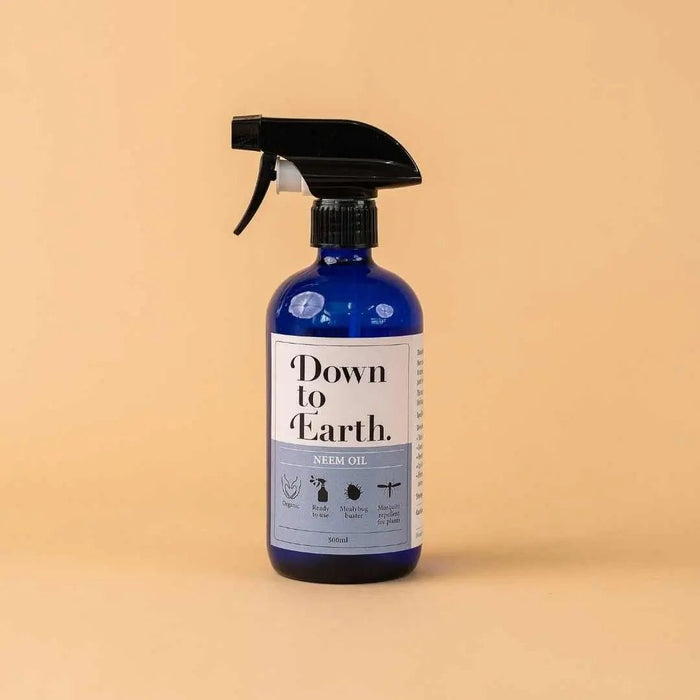
- Spider mites — fine webbing on leaf undersides. Increase humidity, wash leaves, treat with neem oil.
- Scale — brown bumps on stems and leaf undersides. Scrape off, treat with neem oil.
- Thrips — tiny, elongated insects that cause silvery streaks on leaves. Treat with neem oil or insecticidal soap.
Styling
Anthuriums are versatile in home styling:
- Living room colour accent — A red or pink Anthurium in a white pot provides a permanent pop of colour
- Dining table centrepiece — A medium Anthurium replaces the need for fresh-cut flowers
- Bathroom plant — Thrives in the humidity; adds colour to a typically neutral room
- Desk plant — Compact Anthurium scherzerianum fits on a desk and brightens the workspace
- Collector's display — Foliage Anthuriums (clarinervium, crystallinum) are statement pieces on plant shelves
Pot pairing: White, matte grey, or black pots let the colourful spathes take centre stage. Avoid busy or colourful pots that compete with the blooms.
Is Anthurium Toxic?
Yes, mildly. All parts contain calcium oxalate crystals. Ingestion causes mouth and throat irritation. The sap can irritate skin. Keep away from children and pets. Wash hands after handling.
Shop Anthurium
Browse our indoor plant collection for Anthurium varieties delivered across Singapore.
The Anthurium is the houseplant that gives you flowers without being a flower. Its heart-shaped spathes bloom for months, not days. Its glossy foliage looks polished year-round. And in Singapore's warm, humid climate, it feels right at home — producing bloom after bloom with nothing more than weekly water and decent light. If you want a plant that adds lasting colour to your home, the Anthurium is the answer.
Quick summary
Key Takeaways
- Popular Varieties
- Light
- Watering
- Soil
- Humidity
- Temperature
Ready to bring some green into your home?
Browse 250+ hand-picked plants, curated for Singapore homes — delivered to your door.
Browse All Plants →