















Anthurium Clarinervium Care in Singapore: How to Grow the Velvet Cardboard Plant Indoors
Posted on July 08 2026
Anthurium Clarinervium is one of those houseplants that makes a quiet room feel collected and intentional. Its large, heart-shaped leaves have a deep green velvet look, marked with pale veins that almost seem drawn on by hand. In Singapore homes, it can grow beautifully indoors — but it prefers a slightly different routine from the hardier foliage plants many beginners start with.
This guide explains how to care for Anthurium Clarinervium in Singapore’s warm, humid climate, including light, watering, potting mix, leaf care and common warning signs.
Quick care summary
- Light: Bright, indirect light. Avoid harsh afternoon sun on the leaves.
- Water: Water when the top few centimetres of mix feel lightly dry, not on a fixed calendar.
- Humidity: Appreciates Singapore humidity, but still needs airflow.
- Soil: Use a chunky, airy aroid-style mix rather than dense garden soil.
- Best for: Bright living rooms, study corners, sheltered balconies and plant shelves away from direct rain.
What makes Anthurium Clarinervium different?
Unlike many flowering Anthuriums grown for colourful spathes, Anthurium Clarinervium is usually chosen for its foliage. The leaves are thick, velvety and sculptural, with strong white veining. It is often called the velvet cardboard plant because mature leaves feel firmer than many common tropical houseplants.
That texture is beautiful, but it also means the plant dislikes extremes. It does not want to dry out completely for long periods, and it also does not enjoy sitting wet. The goal is a steady routine: bright filtered light, an airy potting medium and careful watering.
Best light for Singapore apartments
Place Anthurium Clarinervium where it receives bright but filtered light. In many Singapore homes, this means near an east-facing window, a bright living room with sheer curtains, or a balcony corner that is sheltered from direct midday sun and heavy rain.
If the leaves look pale, washed out or develop dry brown patches, the light may be too harsh. If new growth becomes small, stretched or slow, the plant may need a brighter position. Rotate the pot every week or two so new leaves grow evenly instead of leaning strongly toward the window.
If your home has very low natural light, browse other indoor plants that suit the available brightness, or consider supplementing with a grow light rather than forcing a collector Anthurium into a dim corner.
How often should you water Anthurium Clarinervium?
In Singapore’s humidity, Anthurium Clarinervium usually prefers to dry slightly between waterings. Check the mix with your finger or a moisture meter: water when the top layer has started to dry but the root zone is not bone dry.
When watering, water thoroughly until excess drains from the bottom, then empty any saucer or outer decorative pot. This flushes the mix evenly and prevents the lower roots from sitting in stagnant water.
Avoid watering only because it is “watering day”. Air-conditioned rooms, rainy weeks, pot size and soil type all change how quickly the mix dries. A plant in a chunky mix beside a bright window may need water more often than one in a cool study corner.
Humidity and airflow: the Singapore balance
Singapore’s ambient humidity is a helpful starting point, but humidity alone is not enough. Anthurium Clarinervium also needs gentle airflow so the leaves and potting mix do not stay wet for too long. This is especially important in enclosed rooms, bathrooms and balcony corners with little air movement.
If leaf edges become crispy, check for harsh direct sun, under-watering or strong air-conditioning. If leaves develop dark, soft spots, check whether the plant is staying too wet or whether water is sitting on the foliage overnight.
Use an airy potting mix
Anthurium Clarinervium is an aroid, so it appreciates oxygen around the roots. A dense, compacted mix can hold too much water in Singapore’s climate and increase the chance of root issues. A better mix is chunky and free-draining, often including components such as bark, perlite, coco chips or other airy amendments.
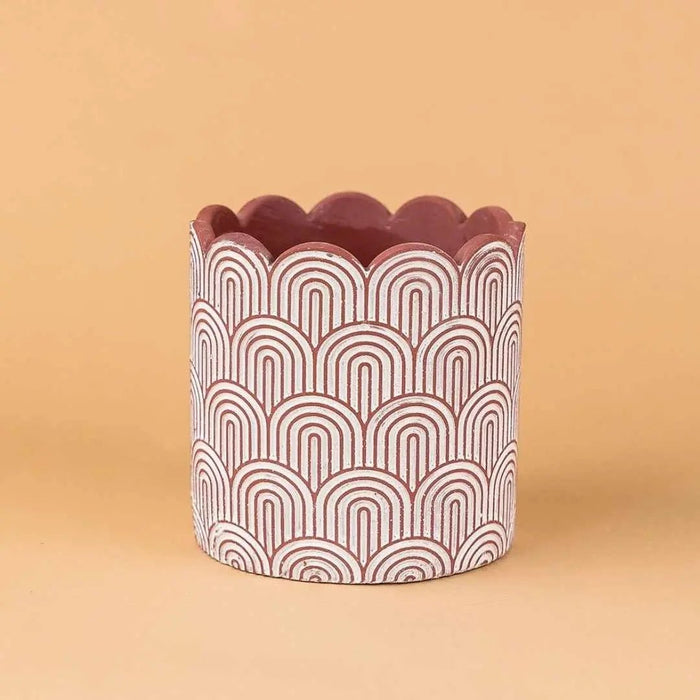
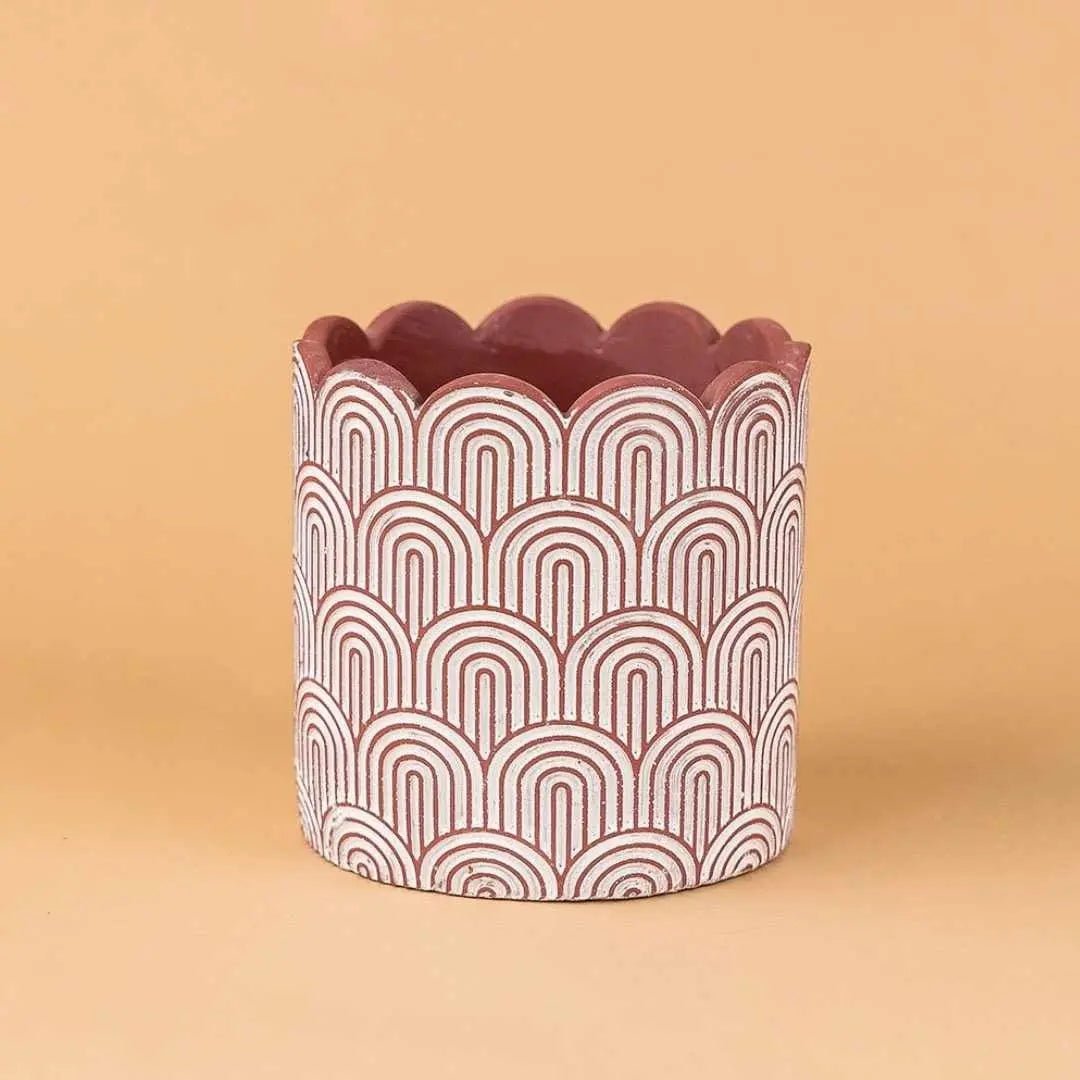
If you are repotting, choose a pot with drainage and avoid sizing up too aggressively. A pot that is much larger than the root ball can stay wet for too long. For styling, pair the nursery pot with a decorative cover pot from the planters collection, but always make sure excess water can drain away after watering.
Leaf care for velvet foliage
The leaves are the main feature, so keep them clean without over-handling them. Dust can dull the velvety surface and reduce the plant’s ability to use light. Wipe gently with a soft, slightly damp cloth, supporting the leaf from behind. Avoid heavy leaf shine products, which can leave residue on textured foliage.
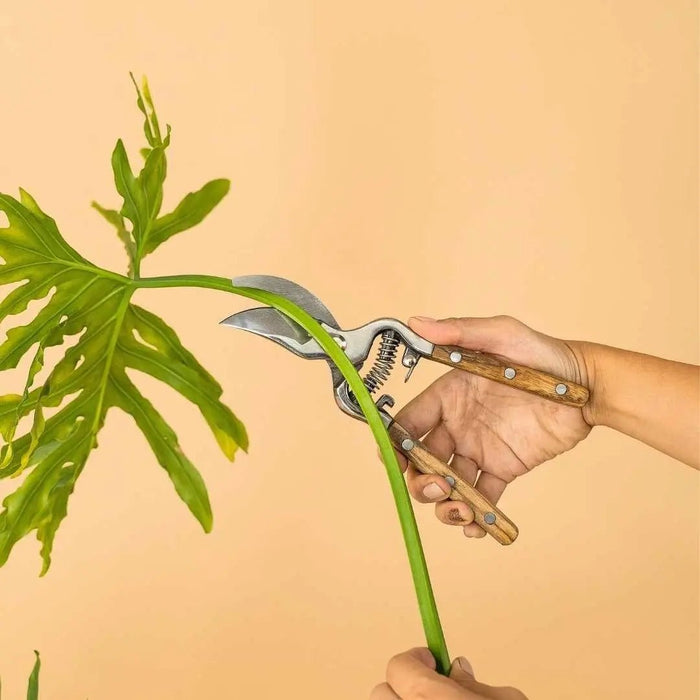
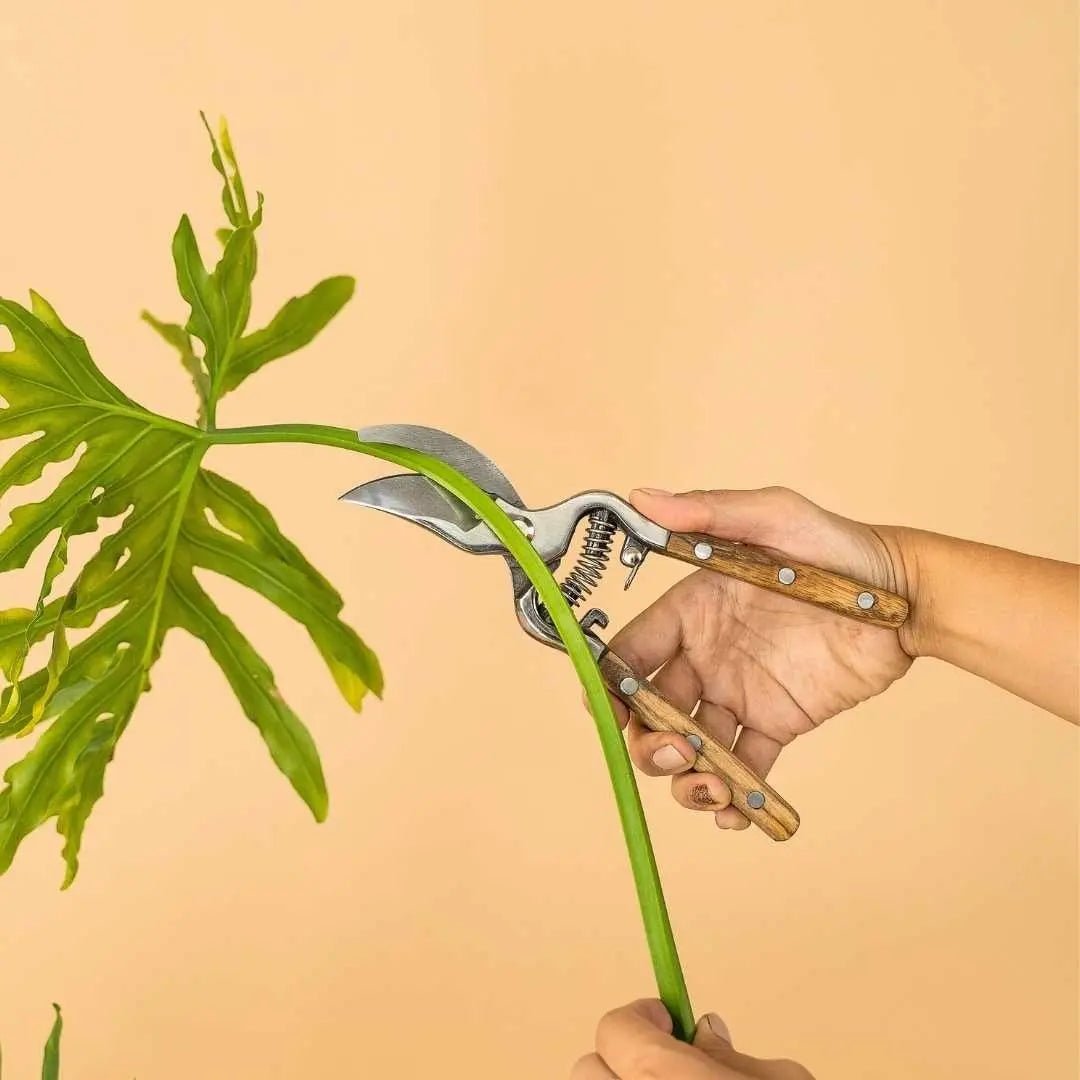
Older leaves may naturally yellow as the plant redirects energy into new growth. Trim fully yellowed or damaged leaves with clean scissors. Do not remove every imperfect leaf immediately; each healthy green leaf still helps the plant photosynthesise.
Common problems and what they mean
- Yellow leaves: Often caused by overwatering, poor drainage, or a sudden change in position.
- Brown crispy edges: Check for underwatering, hot direct sun, or strong air-conditioning.
- Dark soft spots: Improve airflow and check whether the roots or mix are staying too wet.
- Small new leaves: Usually a sign that the plant needs brighter indirect light or more consistent care.
- No new growth: Growth can slow after repotting or relocation. Keep care steady and avoid repeatedly moving the plant.
Where to place it at home
Anthurium Clarinervium suits homes where it can be seen up close: a console beside a bright window, a study shelf, a plant stand in the living room, or a sheltered balcony display. Its leaves have a graphic quality, so it pairs well with simple ceramic or cement planters and other foliage plants with different textures.
If you are building an Anthurium corner, browse the Anthurium collection for related forms, and keep care supplies close by through the plant care collection.
FAQ: Anthurium Clarinervium in Singapore
Is Anthurium Clarinervium beginner-friendly?
It is manageable for a careful beginner, but it is less forgiving than ultra-hardy plants such as snake plants or ZZ plants. It is best for someone who can check soil moisture and provide bright indirect light.
Can it grow in an HDB flat?
Yes, if the flat has a bright window or sheltered balcony area with indirect light. Avoid placing it deep inside a dark room.
Should I mist the leaves?
Misting is not essential in Singapore and can sometimes leave leaves wet without improving root health. Prioritise correct watering, an airy mix and good airflow instead.
When should I repot it?
Repot when roots are crowded, the mix has broken down, or watering becomes difficult because water runs straight through. Choose a slightly larger pot, not an oversized one.
Is it pet-safe?
Anthuriums are generally best kept away from pets and small children who may chew leaves. Place the plant on a stable stand or shelf if needed.
The bottom line
Anthurium Clarinervium rewards steady care. Give it bright indirect light, an airy mix, careful watering and enough airflow, and it can become a striking foliage feature in a Singapore home. If you are ready for a collector-style indoor plant with bold leaves, start with Anthurium Clarinervium and build your routine around observation rather than guesswork.