


















Areca Palm Care: The Best Indoor Palm for Singapore Apartments
Posted on April 08 2026
In this article
- Quick Facts
- Why Areca Palms Work So Well in Singapore
- Light: Bright Indirect, with Some Morning Sun
- Watering: Deep and Infrequent
- Humidity: The Higher the Better
- Soil: Well-Draining and Loamy
- Fertilising: Slow and Steady
- Common Pests in Singapore
- Styling Tips for HDB and Condo Apartments
- Where to Buy Areca Palms in Singapore
The areca palm is one of those plants that just works in Singapore. It's lush, architectural, easy to maintain, and — crucially — it thrives in the warm, humid conditions that define life here. Whether you're looking to soften a bare corner in your HDB living room, add height to a condo balcony, or simply bring more green into your home, the areca palm delivers.

Here's a full care guide for growing areca palms in Singapore apartments.
---
Quick Facts
---
Why Areca Palms Work So Well in Singapore

Areca palms originate from Madagascar — a tropical island environment not unlike Singapore's. They've adapted to warm temperatures, high humidity, and filtered light conditions that closely mirror what you'll find in a Singapore apartment. Unlike many other tropical plants that struggle with air conditioning or inconsistent watering, areca palms are relatively forgiving.
They're also one of NASA's top-rated air-purifying plants, known to remove xylene and toluene from indoor air. And perhaps most importantly for households with pets, they're completely non-toxic to cats and dogs — a rare quality among large, statement indoor plants.
---
Light: Bright Indirect, with Some Morning Sun
Areca palms prefer bright, indirect light. In Singapore homes, this means placing them near an east or north-facing window, where they'll get gentle morning light or reflected brightness throughout the day.
They can tolerate a small amount of direct morning sun (before 10am), which can actually encourage denser, more upright growth. However, harsh afternoon sun from a west-facing window will scorch the fronds, causing brown, papery tips.
If your apartment doesn't get much natural light, areca palms can adapt to lower-light conditions, but growth will be slower and the fronds may become more open and arching. Supplement with a grow light if needed.
---
Watering: Deep and Infrequent
One of the most common mistakes with areca palms is overwatering. While they appreciate moisture, they don't like sitting in wet soil — especially in Singapore's warm climate where root rot develops quickly.
A good watering schedule for Singapore conditions:
- During dry spells (February–April): Water every 5–7 days
- During monsoon season (November–January): Water every 7–10 days
- Check before watering: Insert your finger 2–3 cm into the soil. If it's still damp, wait another day or two.
When you do water, water deeply until it drains freely from the bottom. Empty the saucer 30 minutes after watering so the roots don't sit in standing water.
Areca palms are also sensitive to fluoride and chlorine in tap water. If your plant develops brown leaf tips that aren't related to humidity, try switching to filtered water or leaving tap water to sit overnight before using it.
---
Humidity: The Higher the Better
Areca palms thrive at 50–80% humidity, which aligns well with Singapore's outdoor environment. The challenge is indoors, where air conditioning can strip humidity from the air.
Signs of low humidity in your areca palm:
- Brown, crispy leaf tips
- Fronds that look dry despite regular watering
- Slow growth
To maintain adequate humidity in an air-conditioned room:
- Use a humidifier near the plant
- Mist the fronds in the morning (avoid evening misting, which can encourage fungal issues)
- Group multiple plants together
- Place the pot on a tray of pebbles filled with water
---
Soil: Well-Draining and Loamy
Areca palms need soil that drains freely while retaining enough moisture for the roots. A good mix:
- 40% quality potting soil
- 40% perlite or coarse sand
- 20% coco coir or compost
Avoid heavy clay soils. In Singapore's heat, poorly draining soil combined with frequent watering is a fast track to root rot.
Repot every 2 years or when you notice roots circling the base of the pot or growing through the drainage holes. Areca palms prefer slightly snug pots — going up one pot size at a time is better than jumping to a much larger container.
---
Fertilising: Slow and Steady
Areca palms are relatively light feeders. Over-fertilising is a more common problem than under-fertilising, and excess fertiliser salts can cause leaf burn.
Feed every 2–3 months using a slow-release palm fertiliser, or apply a diluted liquid balanced fertiliser (20-20-20 NPK) monthly during active growing periods. Avoid feeding during cooler months (November–January) when growth slows.
Yellow fronds can sometimes indicate a magnesium or potassium deficiency. A palm-specific fertiliser that includes these micronutrients will help.
---
Common Pests in Singapore
Areca palms grown in Singapore are susceptible to a few common pests:
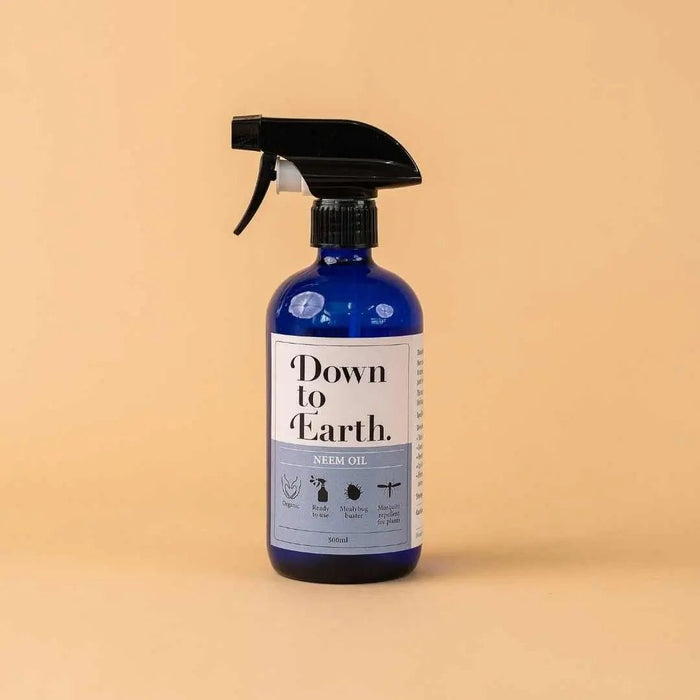
Spider mites — Thrive in hot, dry conditions. Look for fine webbing between fronds. Treat with neem oil spray or insecticidal soap.
Scale insects — Brown, waxy bumps along the stems and underside of fronds. Remove manually with rubbing alcohol and a cotton swab, then treat with neem oil.
Mealybugs — White, cottony clusters in leaf joints. Treat as above.
Root rot — Not a pest, but common in Singapore. Caused by overwatering. Remove affected roots, treat with a diluted hydrogen peroxide solution, and repot in fresh, dry soil.
Check your areca palm every few weeks when watering — catching pest problems early makes them much easier to manage.
---
Styling Tips for HDB and Condo Apartments
Areca palms are one of the most versatile large plants for Singapore interiors. A few ideas:
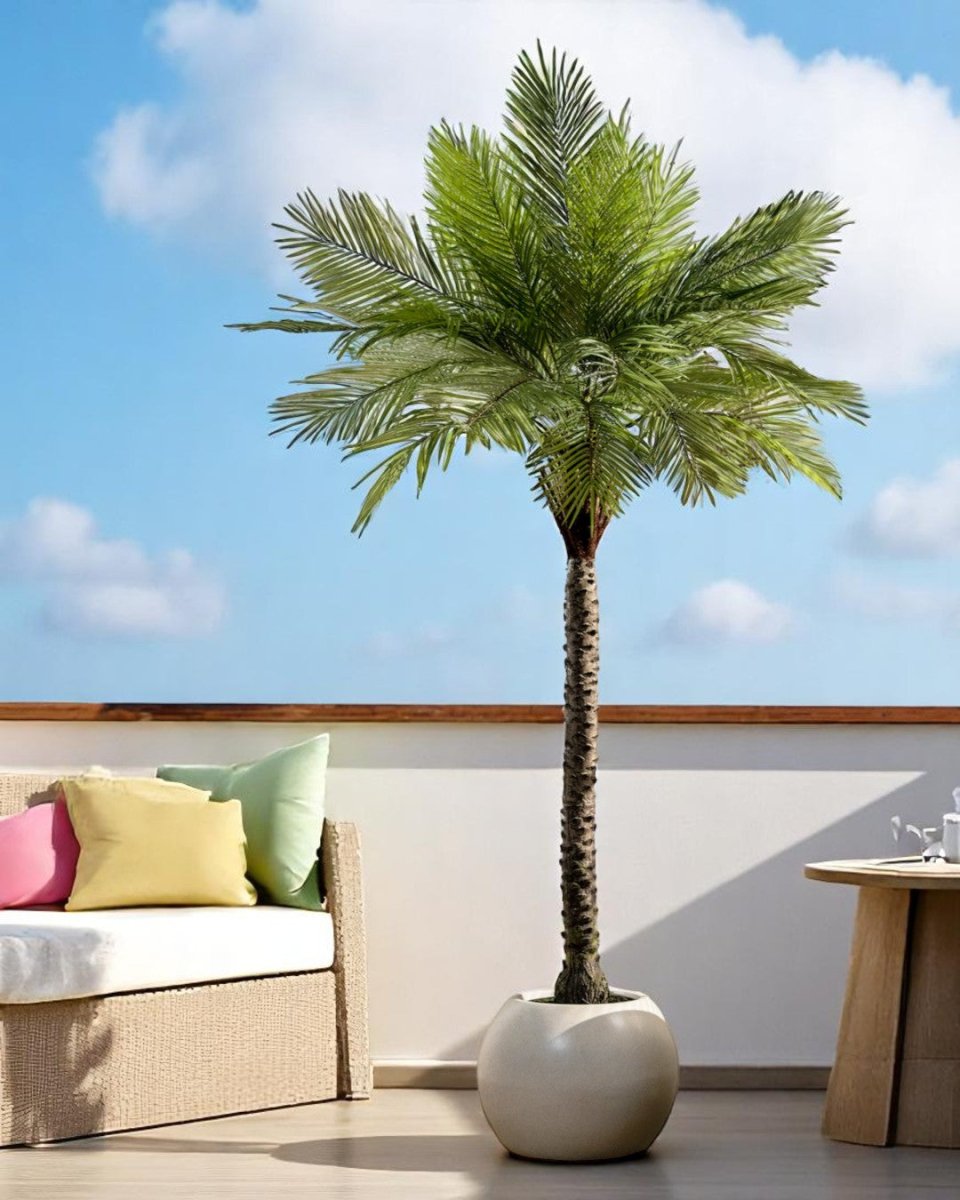
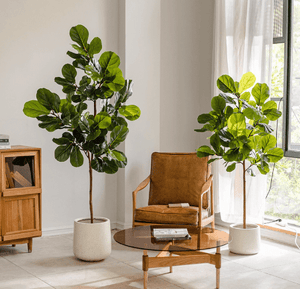
Living room statement piece — A 1.5–1.8 m areca palm in a large textured pot creates instant tropical ambience. Position it in an empty corner near a window for the best effect.
Hallway welcome — A slightly smaller palm placed at the entrance of a flat makes for a dramatic first impression, especially in the taller corridors of newer HDB and condo builds.
Balcony anchor — On a covered balcony with bright indirect light, areca palms grow beautifully and add a resort-like feel to outdoor living spaces.
Room divider — Two or three areca palms arranged in a line can effectively divide an open-plan living and dining space without the permanence of a wall.
---
Where to Buy Areca Palms in Singapore
You can find areca palms in 1–1.8 m sizes at Tumbleweed Plants. Browse more large statement plants in our big indoor plants collection.
Order today with same-day delivery across Singapore — your new areca palm can be home before the evening.
Quick summary
Key Takeaways
- Quick Facts
- Why Areca Palms Work So Well in Singapore
- Light: Bright Indirect, with Some Morning Sun
- Watering: Deep and Infrequent
- Humidity: The Higher the Better
- Soil: Well-Draining and Loamy
Ready to bring some green into your home?
Browse 250+ hand-picked plants, curated for Singapore homes — delivered to your door.
Browse All Plants →