
















Bougainvillea Care in Singapore: How to Get Maximum Blooms on Your Balcony
Posted on April 08 2026
In this article

- Quick Facts
- Understanding Bougainvillea Blooms: It's Not What You Think
- Light: Full Sun Is Non-Negotiable
- Watering: The Drought-Trigger Method
- Soil: Lean and Fast-Draining
- Fertilising: High Potassium for Blooms
- Pruning: After Every Bloom Flush
- Container Growing in Singapore
- Common Problems
- Junior vs Large Bougainvilleas
- Ready to Add Colour to Your Balcony?
Few plants make a Singapore balcony look as spectacular as a bougainvillea in full bloom. Those vivid cascades of magenta, orange, white, or red have become synonymous with tropical living - and for good reason. In the right conditions, a bougainvillea in Singapore can produce multiple bloom cycles per year, transforming a plain balcony railing into a wall of colour.
Here's how to get the most out of your bougainvillea in Singapore's tropical climate.
---
Quick Facts
---
Understanding Bougainvillea Blooms: It's Not What You Think

Before diving into care, there's one thing every bougainvillea grower should know: the colourful "petals" aren't actually petals. They're bracts - modified leaves that surround the plant's tiny, inconspicuous white flowers. This distinction matters for care, because bracts are produced in response to specific growing conditions, not simply as a result of general plant health.
The key insight: bougainvilleas bloom more when they're slightly stressed. This means deliberate periods of drought, bright intense sun, and lean soil conditions are your best tools for encouraging a spectacular bloom flush.
If you're growing a lush, well-watered, well-fed bougainvillea - you may get great foliage and very few flowers.
---
Light: Full Sun Is Non-Negotiable
Bougainvilleas are sun plants through and through. They need a minimum of 5-6 hours of direct sunlight per day to bloom well. In Singapore, this means:
- South or west-facing balconies - Ideal. These receive full afternoon sun which is exactly what bougainvilleas crave.
- East-facing balconies - Usable but not ideal. Morning sun alone may result in sparse flowering.
- North-facing - Not recommended. Bougainvilleas will survive but won't bloom.
The more sun, the more blooms. If your balcony is partially shaded by a neighbouring building or upper-floor overhang, position the bougainvillea at the most exposed edge for maximum sun exposure.
---
Watering: The Drought-Trigger Method

This is the most counterintuitive aspect of bougainvillea care - and the one most critical for blooming in Singapore.
Bougainvilleas bloom in response to water stress. To trigger a bloom cycle:
- Water normally during the growing phase (when you see active green growth)
- Gradually reduce watering when growth slows or you want to trigger blooming - allow the top 5-7 cm of soil to dry fully before watering again
- Maintain slight drought for 2-3 weeks; the plant will show mild stress (slightly drooping, a few leaf drops)
- Resume normal watering - the plant will respond with a flush of bracts within 2-4 weeks
In Singapore's monsoon seasons, heavy rainfall can interrupt this cycle. If your bougainvillea is in a position where it receives monsoon rain, consider moving it under an overhang or using a rain shelter during heavy rain periods to maintain control over soil moisture.
---
Soil: Lean and Fast-Draining
Rich, nutrient-dense soil encourages lush leafy growth at the expense of flowers. Bougainvilleas actually prefer leaner soil conditions. A good mix for Singapore:
- 50% coarse perlite or pumice
- 30% cactus or succulent mix
- 20% standard potting soil
This mix drains rapidly, which is essential for both root health and for enabling the drought-trigger watering method. Heavy, moisture-retentive soils will cause root rot and prevent effective drought triggering.
Use terracotta pots where possible - they're porous and help soil dry out faster between waterings.
---
Fertilising: High Potassium for Blooms

Feed your bougainvillea with a high-potassium, low-nitrogen fertiliser to encourage flowering rather than vegetative growth. Look for an NPK ratio like 6-30-30 or a bloom-booster formula.
Feeding schedule for Singapore:
- During active bloom periods: every 2-3 weeks with liquid bloom fertiliser
- During green growth phases: monthly with balanced fertiliser
- During deliberate drought phase: no feeding
Avoid high-nitrogen fertilisers - they produce vigorous, green growth but inhibit flowering.
---
Pruning: After Every Bloom Flush
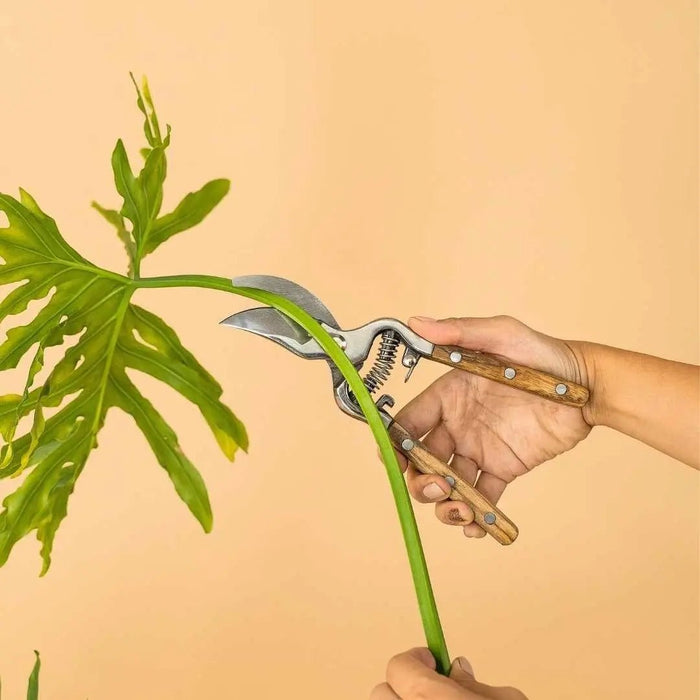
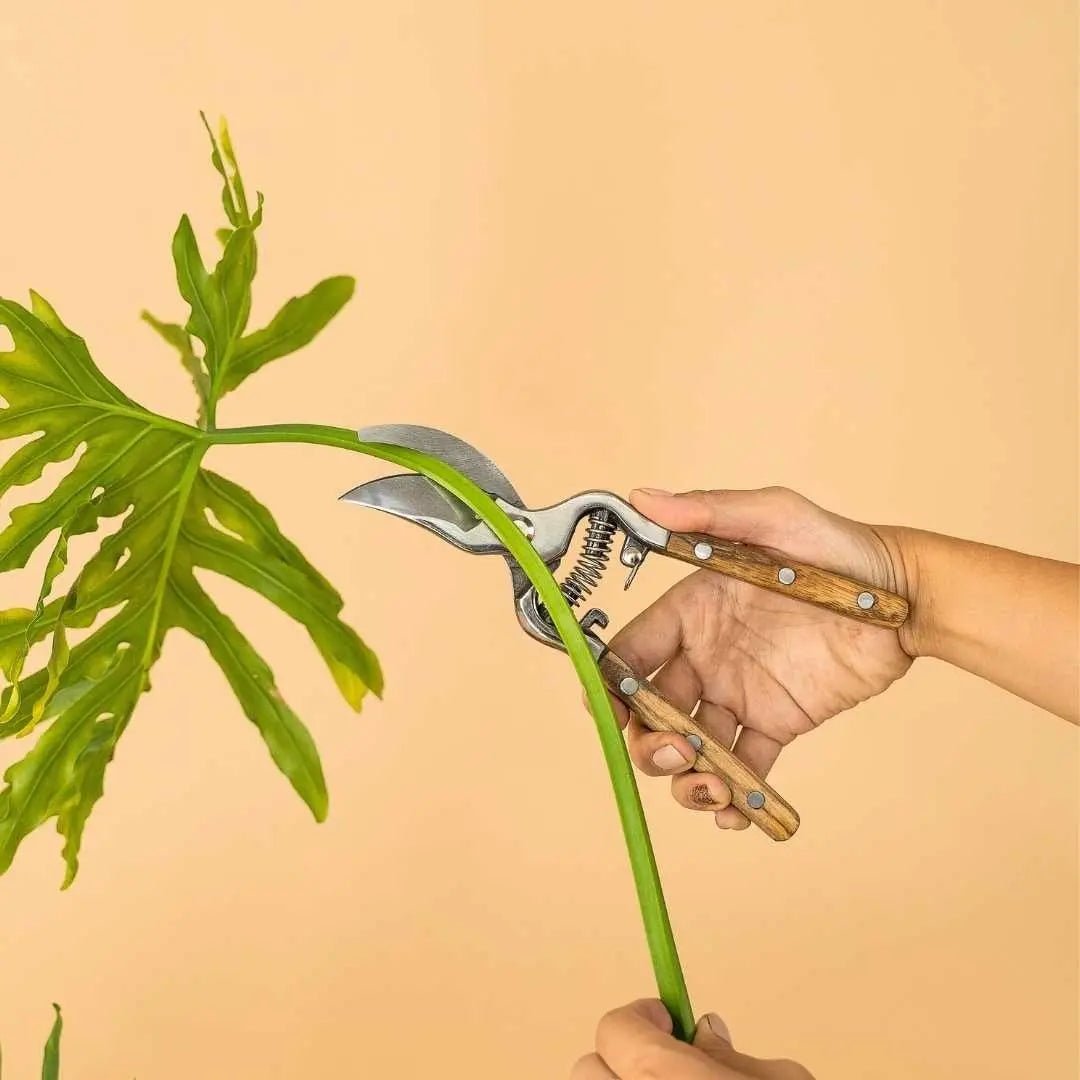
Bougainvilleas bloom on new growth, so pruning encourages the production of new branches - and therefore new flowers. Prune after each bloom cycle when the bracts have dropped and before the next growth flush begins.
How to prune:
- Cut stems back by one-third, just above a leaf node
- Remove any dead, crossing, or inward-facing branches
- Wear thick gloves - bougainvillea thorns are sharp and can cause skin irritation
In Singapore's year-round growing climate, you can expect 3-4 bloom cycles per year with regular pruning.
---
Container Growing in Singapore
Bougainvilleas adapt well to container growing on Singapore balconies. Key tips:
- Don't over-pot - A slightly snug pot encourages blooming. Use a pot only slightly larger than the root ball.
- Elevate the pot - Use pot feet to improve drainage and airflow
- Train onto a trellis - A simple trellis attached to balcony railings allows the plant to spread and creates a wall of colour
- Protect from monsoon excess - Move under an overhang or use a rain shelter during sustained heavy rain periods
---
Common Problems
No flowers - Most commonly insufficient sun or too much water/fertiliser. Reduce watering to trigger drought stress, ensure 5+ hours of direct sun.
Yellow leaves - Overwatering or root rot. Allow soil to dry completely before watering again.
Leaf drop - Normal during drought-triggering phase, or in response to very heavy monsoon rain followed by dry periods.
Caterpillars - Loopers and other caterpillars occasionally attack bougainvillea in Singapore. Check stems regularly and remove manually or treat with BT (Bacillus thuringiensis).
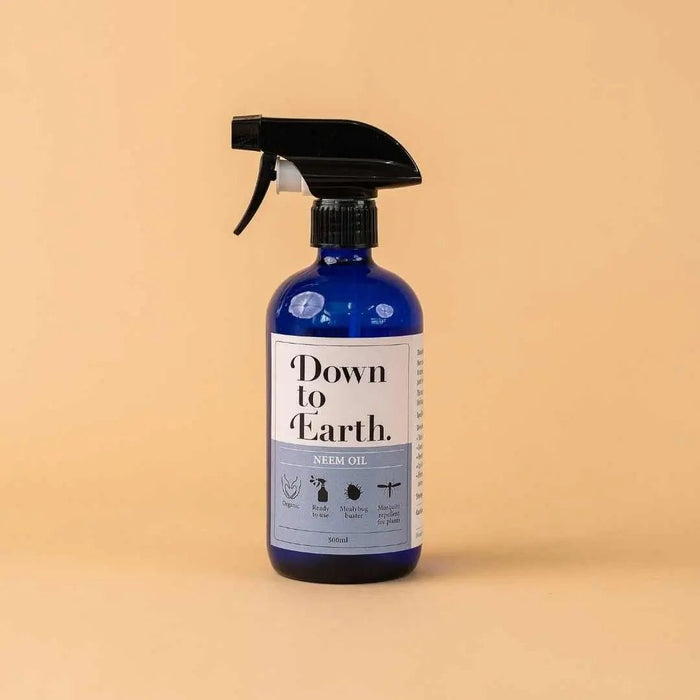
Scale insects - Small, flat insects on stems. Treat with neem oil.
---
Junior vs Large Bougainvilleas
For Singapore balconies, smaller patio varieties are often the most practical choice - they're easier to manage in containers and still produce spectacular blooms. Larger, more established plants create an immediate visual impact but require more space and a sturdy structure to support their growth.
Explore bougainvillea and other sun-loving plants in our balcony plants collection and outdoor plants collection.
---
Ready to Add Colour to Your Balcony?
Bougainvilleas are one of the most rewarding plants you can grow on a Singapore balcony. With the right sun, soil, and watering technique, you'll enjoy multiple bloom cycles of spectacular colour year-round.
Order today with same-day delivery across Singapore and transform your balcony before the weekend.
Quick summary
Key Takeaways
- Quick Facts
- Understanding Bougainvillea Blooms: It's Not What You Think
- Light: Full Sun Is Non-Negotiable
- Watering: The Drought-Trigger Method
- Soil: Lean and Fast-Draining
- Fertilising: High Potassium for Blooms
Ready to bring some green into your home?
Browse 250+ hand-picked plants, curated for Singapore homes — delivered to your door.
Browse All Plants →