















China Doll Bonsai Care in Singapore: How to Keep a Lush Mini Tree Indoors
Posted on July 10 2026
China Doll Bonsai is a compact way to bring a calm, sculptural plant moment into a Singapore home. It suits apartments, desks, shelves and bright corners because the form feels considered without needing a large footprint. The key is not to treat it like outdoor landscaping: indoor light, air-conditioning, humid weather and fast-drying potting mixes all change how often you should water and prune.
This guide explains how to care for China Doll Bonsai in Singapore conditions, what to check before buying, and which Tumbleweed links to browse if you are comparing plants, planters or care supplies.
Why China Doll Bonsai works well in Singapore homes
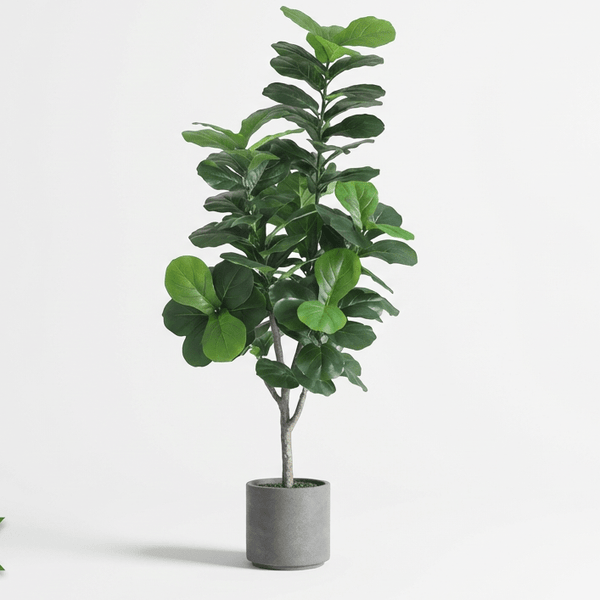
Singapore’s warm weather is generally friendly to tropical and subtropical foliage, but indoor homes create micro-climates. A plant beside a bright balcony door behaves differently from one on an air-conditioned office desk. China Doll Bonsai is a good choice when you want a plant with structure: it brings the look of a miniature tree, a bonsai-inspired silhouette or a strong upright accent without taking over the room.
- Best spot: bright, indirect light with a few gentle hours near a window.
- Watering rhythm: water when the top layer starts to feel dry, then drain fully; avoid leaving the pot sitting in water.
- Humidity: normal Singapore humidity is helpful, but stale, wet soil is not.
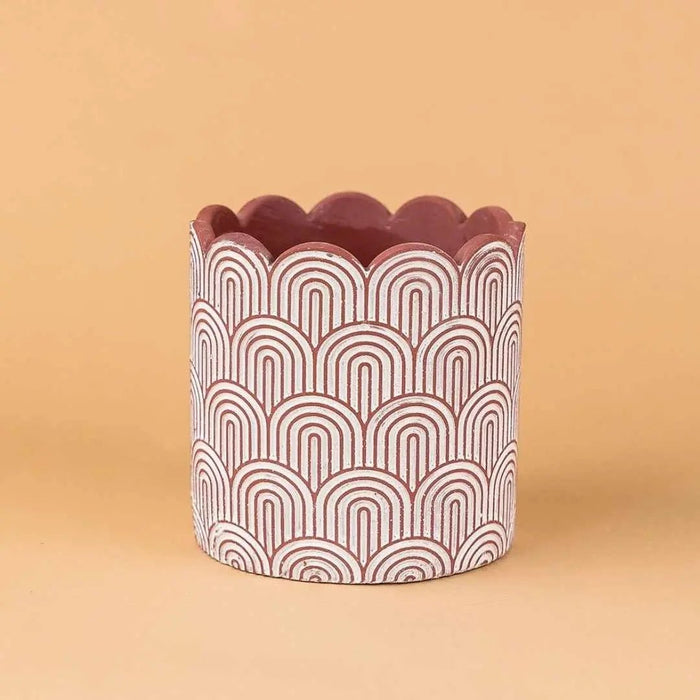
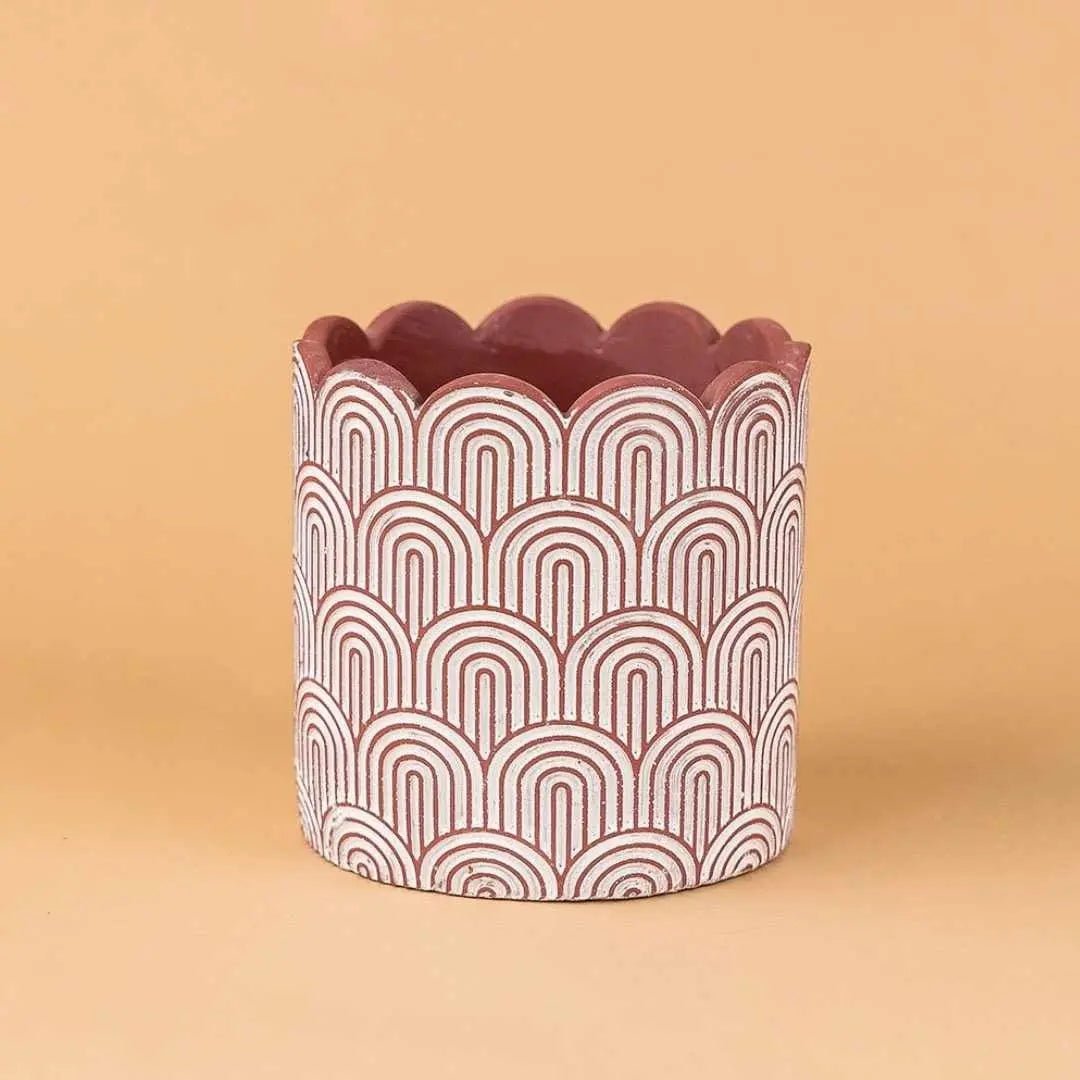
- Styling: pair it with a simple ceramic pot so the trunk, leaves and canopy remain the focus.
Light: bright is better than dark
Most problems begin when a sculptural indoor plant is placed too far from usable light. Choose a bright window, balcony-adjacent corner or well-lit living room rather than a dim corridor. If the plant starts leaning, producing smaller leaves, or thinning out on one side, rotate the pot every week so growth stays balanced.
In Singapore, direct afternoon sun through glass can still be intense. If leaves scorch or the pot becomes very hot, shift it slightly back from the window or use a sheer curtain. Morning sun is usually easier to manage than harsh late-afternoon exposure.
Watering: read the pot, not the calendar
It is tempting to water on a fixed schedule, but indoor plant care works better when you check the potting mix. Push a finger a few centimetres into the soil. If it still feels cool and damp, wait. If the upper layer has dried and the pot feels lighter, water thoroughly until excess water drains out.
Singapore humidity can make the top of the soil look dry while the lower root zone remains wet, especially in decorative cover pots. Always empty excess water from saucers and cachepots. If you prefer a tool-assisted check, browse Tumbleweed’s plant care range for watering and monitoring essentials.
Potting mix and drainage
A healthy China Doll Bonsai needs oxygen around the roots. Use a free-draining indoor plant mix rather than dense garden soil. If the plant arrives in a nursery pot, you can place that inside a decorative planter for styling, but make sure water can drain after each watering.
When repotting, move up only one pot size at a time. Oversized pots hold too much wet mix around a small root ball, which raises the risk of root rot in humid homes. For styling options, browse planters that suit your shelf, console or balcony corner.
Pruning and shape maintenance
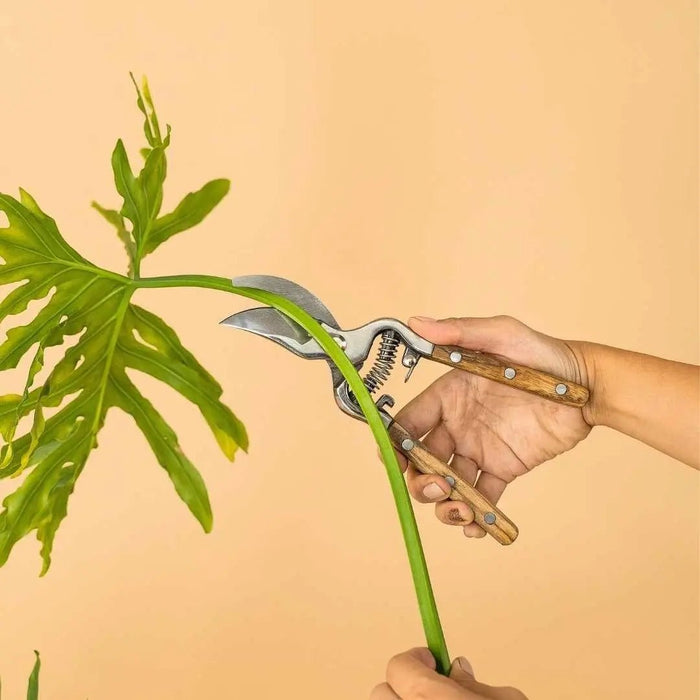
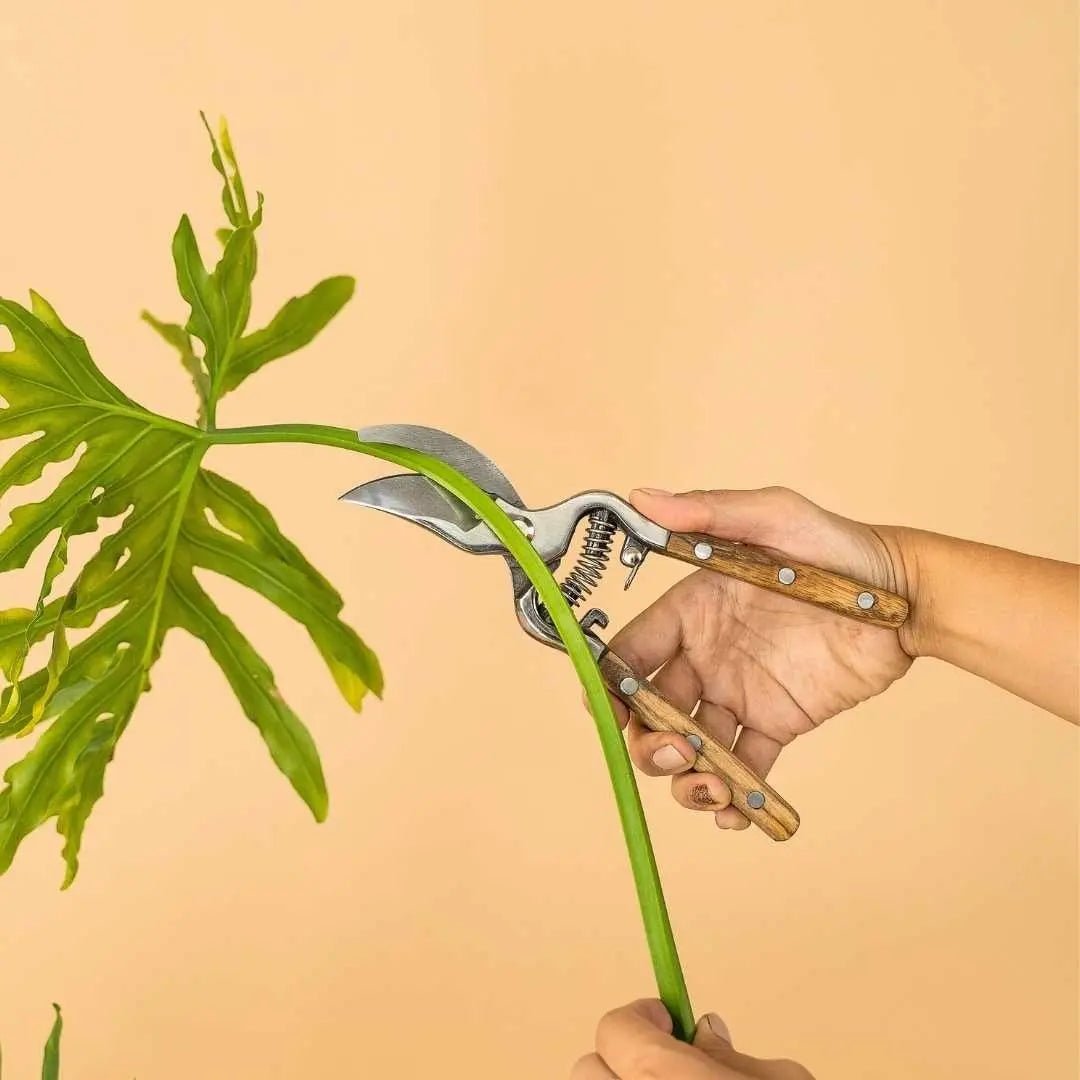
Trim yellowing, damaged or crowded growth with clean scissors. For bonsai-style plants, light regular shaping is better than one heavy cut. Step back before pruning so you can see the full outline: keep the canopy airy, remove crossing stems, and avoid stripping too much foliage at once.
After pruning, keep the plant in stable light and avoid overwatering while it recovers. New growth is a sign that the plant is settling well into its spot.
Common Singapore care issues
Yellow leaves
Usually caused by overwatering, poor drainage or a sudden change in light. Check the root zone before adding more water.
Dry crispy edges
This can happen near strong sun, air-conditioning or when the plant dries out too far between waterings. Adjust placement before dramatically increasing watering.
Leggy growth
The plant is likely asking for more usable light. Move it closer to a bright window and rotate the pot weekly.
Sticky leaves or tiny pests
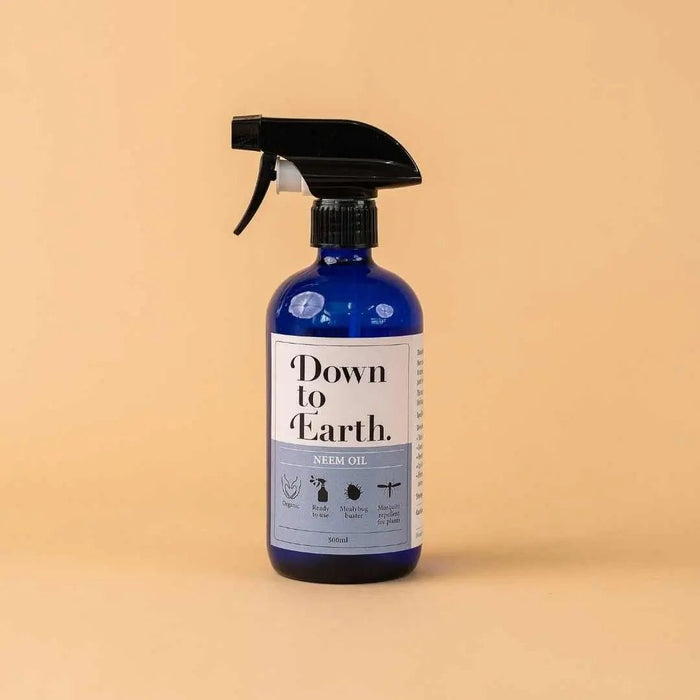
Inspect the undersides of leaves and stems. Isolate the plant, wipe affected areas, and use an appropriate plant-safe treatment from the plant care collection if needed.
Live Tumbleweed links to browse
If you are comparing this plant style with other indoor options, start here:
- Baby China Doll Bonsai — a live Tumbleweed option to browse if you are choosing this look for your home.
- Baby China Doll Tree — a live Tumbleweed option to browse if you are choosing this look for your home.
- Bonsai Tree
- Plants
- ALL Plant Care & Accessories
- All Planters
- Bright Light Plants
FAQ
Can China Doll Bonsai live indoors in Singapore?
Yes, if it receives enough bright light and the pot drains properly. A dim room is the most common reason it starts to thin out or decline.
How often should I water it?
Check the soil rather than using a fixed schedule. Water when the upper layer has dried and always let excess water drain away.
Is it suitable for beginners?
It can be, especially if you already have a bright window and are willing to check the soil before watering. Beginners should avoid dark corners and oversized pots.
What should I pair it with?
A simple ceramic planter, a stable saucer and a bright shelf or console work well. Keep the styling clean so the plant’s natural shape remains the hero.
Explore more live options in Tumbleweed’s plant collection, or browse bonsai if you like compact, tree-like forms.