















Dischidia Pectinoides Care in Singapore: How to Grow the Pocket Money Plant Indoors
Posted on July 04 2026
Dischidia pectinoides, often sold as the Pocket Money Plant or Ant Plant, is a charming trailing houseplant with small rounded leaves that look like tiny green coins. It suits Singapore homes especially well because it enjoys warmth, bright filtered light, and moderate humidity — the exact conditions many apartments already have.
This guide explains how to keep it compact, full and healthy indoors, whether you display it on a shelf, hang it near a bright window, or pair it with a simple planter.
Quick care summary
- Light: Bright, indirect light; avoid harsh afternoon sun through glass.
- Water: Let the potting mix dry slightly before watering again.
- Humidity: Average Singapore indoor humidity is usually enough, but avoid direct air-con drafts.
- Best display: Hanging basket, high shelf, or small tabletop pot where the vines can trail.
- Difficulty: Easy to moderate — forgiving if you do not overwater.
Table of contents
- What is Dischidia pectinoides?
- Best light for Singapore homes
- How often to water
- Potting mix and planter choice
- Where to display it
- Common problems and fixes
- FAQ
What is Dischidia pectinoides?
Dischidia pectinoides is an epiphytic tropical plant, meaning it naturally grows attached to trees rather than sitting in heavy soil. That background matters for home care: its roots prefer an airy, well-draining environment and do not enjoy staying wet for too long.
The plant’s small, rounded leaves create a soft trailing look without taking up much space. For Singapore apartments, it is a good alternative to larger vines when you want greenery on a shelf, balcony corner, or bright work-from-home nook.

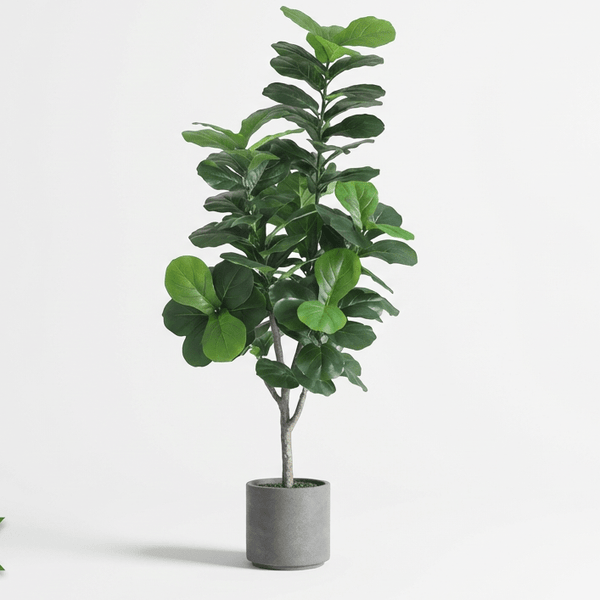
Featured plant: Dischidia Pectinoides - Pocket Money Plant
If you like small trailing plants with a soft, sculptural look, this Pocket Money Plant is a compact option for bright indoor spaces.
Best light for Singapore homes
Place Dischidia pectinoides somewhere with bright, indirect light. In Singapore, that usually means near an east-facing window, a bright north/south-facing window, or a balcony area where direct sun is softened by blinds, sheer curtains, or surrounding buildings.
If the vines become stretched with wider gaps between leaves, the plant is asking for more light. If leaves look scorched, pale or crispy on the sun-facing side, move it slightly further away from the window.
How often to water Dischidia pectinoides
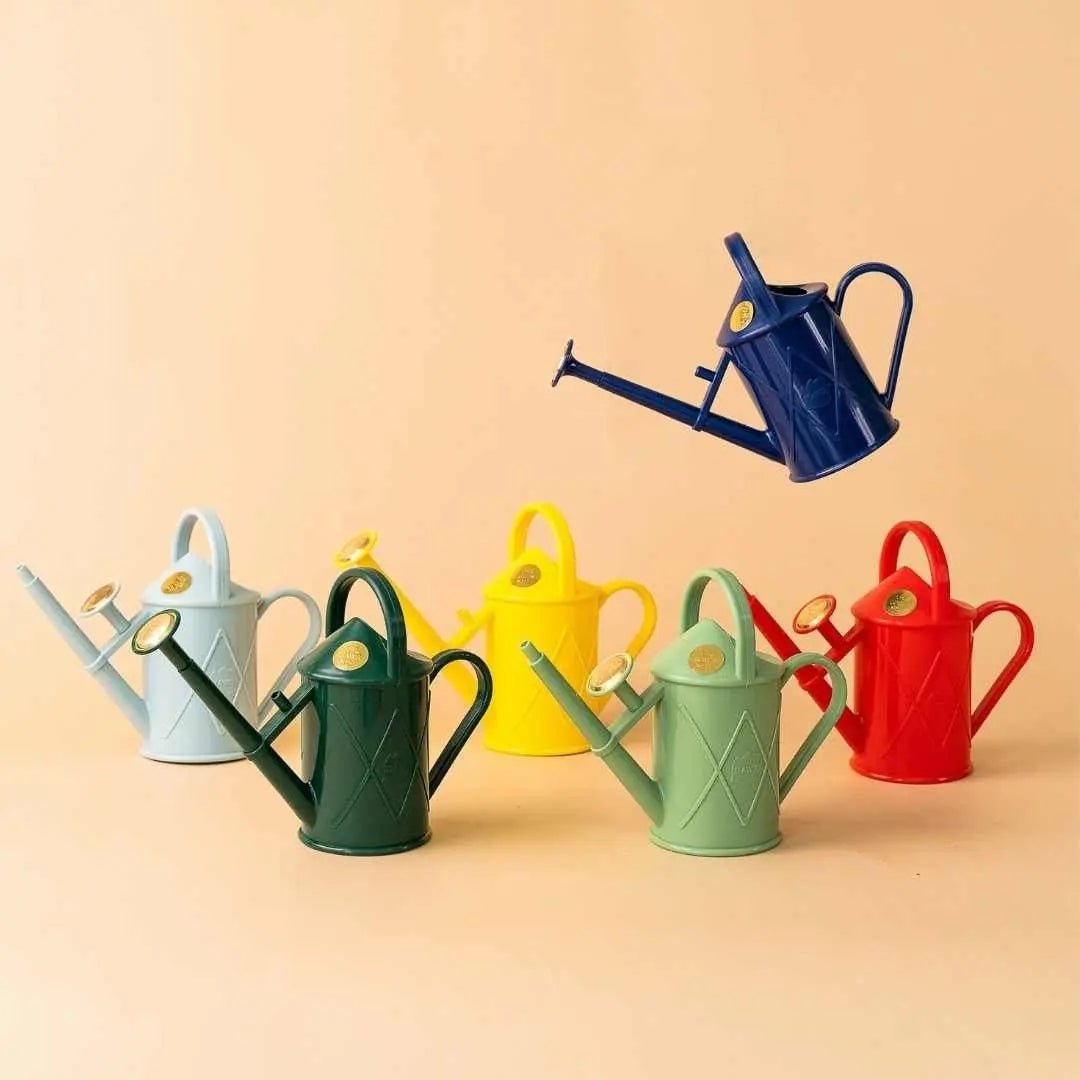
The most common mistake is treating Dischidia like a thirsty leafy plant. Because it is epiphytic, it prefers a lighter touch. Water thoroughly, then let the mix dry slightly before watering again.
- In a bright, warm spot: check every 4–7 days.
- In air-conditioned rooms: check the soil before watering; cold, still rooms dry more slowly.
- In a hanging planter: water until excess drains out, then empty any outer cachepot.
A simple finger test works well: if the top layer still feels damp, wait. If it feels dry and the pot is noticeably lighter, it is time to water.
Potting mix and planter choice
Choose a potting mix that drains quickly and does not compact around the roots. A chunky indoor plant mix with bark, coco chips, perlite or other aerating ingredients is better than dense garden soil.
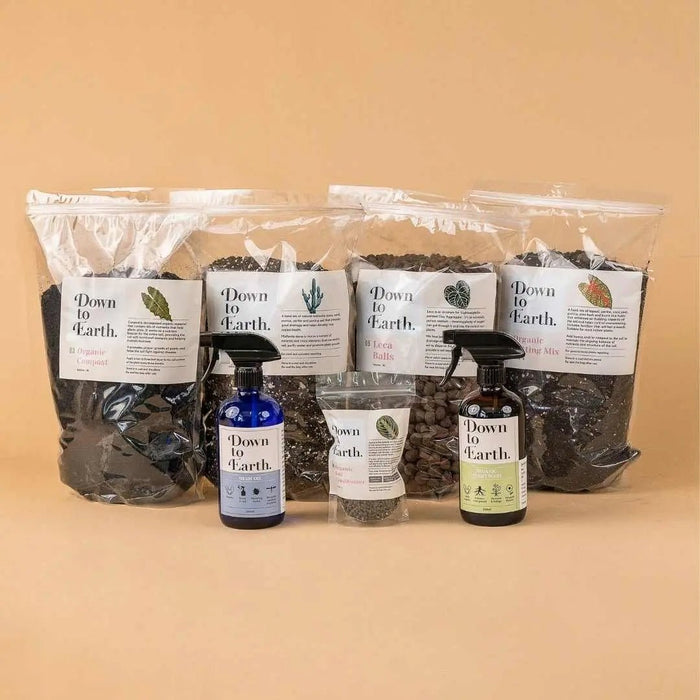
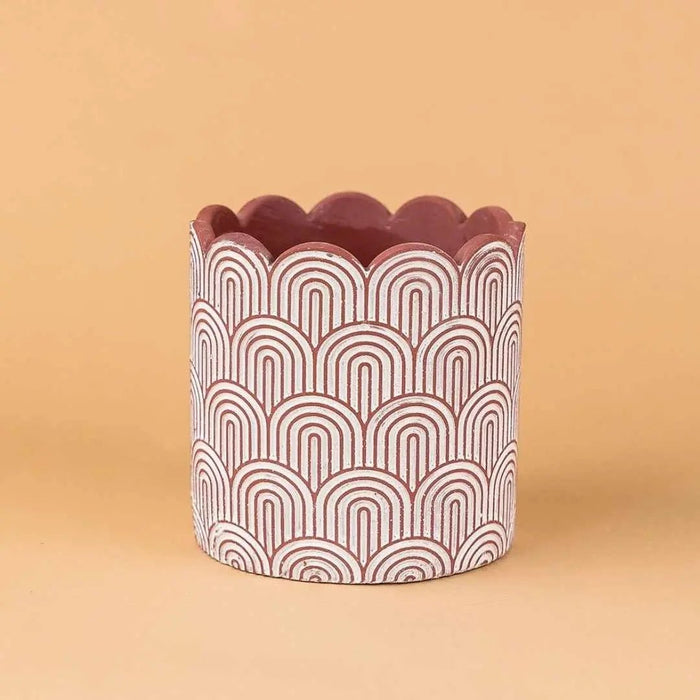
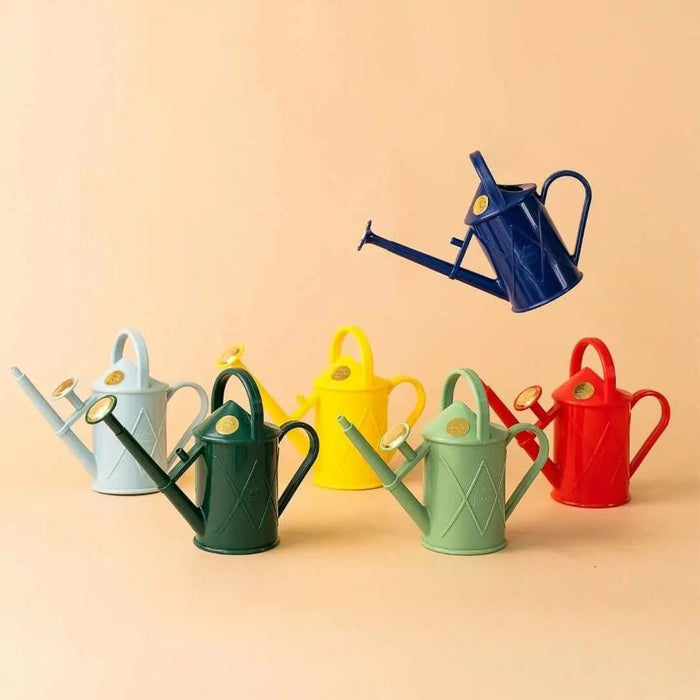
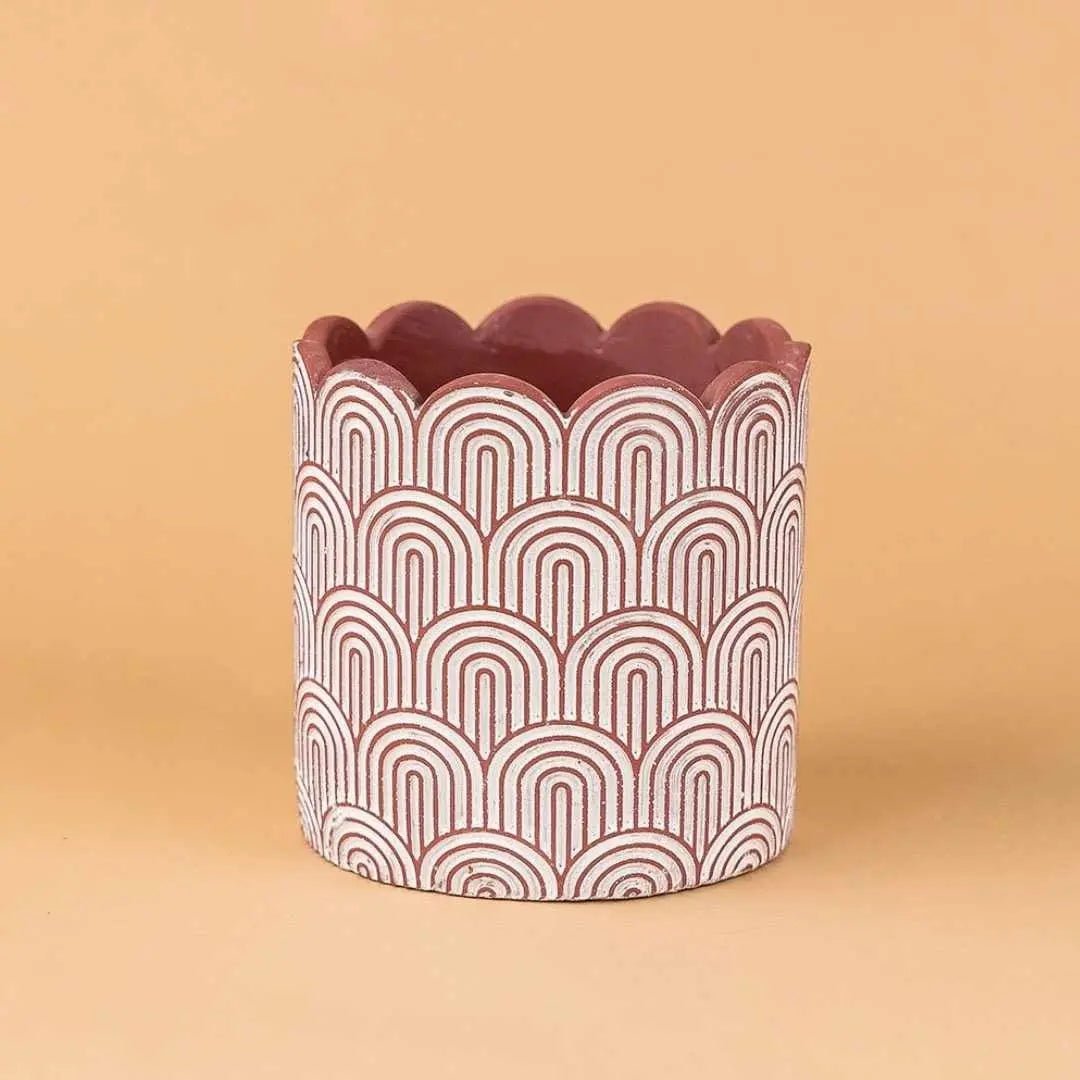
When choosing a planter, drainage matters more than size. Dischidia pectinoides does not need a huge pot; a snug planter helps the roots dry at a healthy pace. Browse planters that suit your shelf or hanging setup, and pair them with suitable supplies from plant care and accessories.
Where to display it at home
The Pocket Money Plant looks best where its vines can naturally fall. Try these placements:
- High shelf: ideal for compact HDB and condo living rooms.
- Hanging corner: good for bright balconies or service-yard edges with filtered light.
- Desk or side table: rotate the pot occasionally so growth stays balanced.
If you like this trailing style, explore more hanging plants or browse the wider plants collection.
Common problems and fixes
Leaves wrinkling or looking deflated
This can mean the plant is too dry, especially if the pot feels very light. Give it a thorough watering and let excess water drain away. If the soil is wet but leaves are wrinkled, check the roots — overwatering can damage roots and make the plant unable to take up moisture.
Yellow leaves
Yellowing usually points to too much water, poor drainage, or a pot sitting in collected water. Let the mix dry more between waterings and make sure the pot drains freely.
Sparse vines
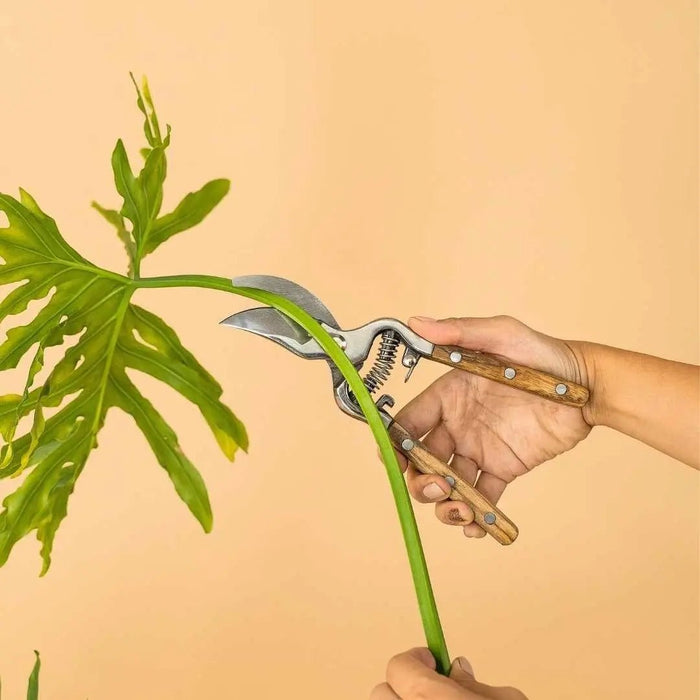
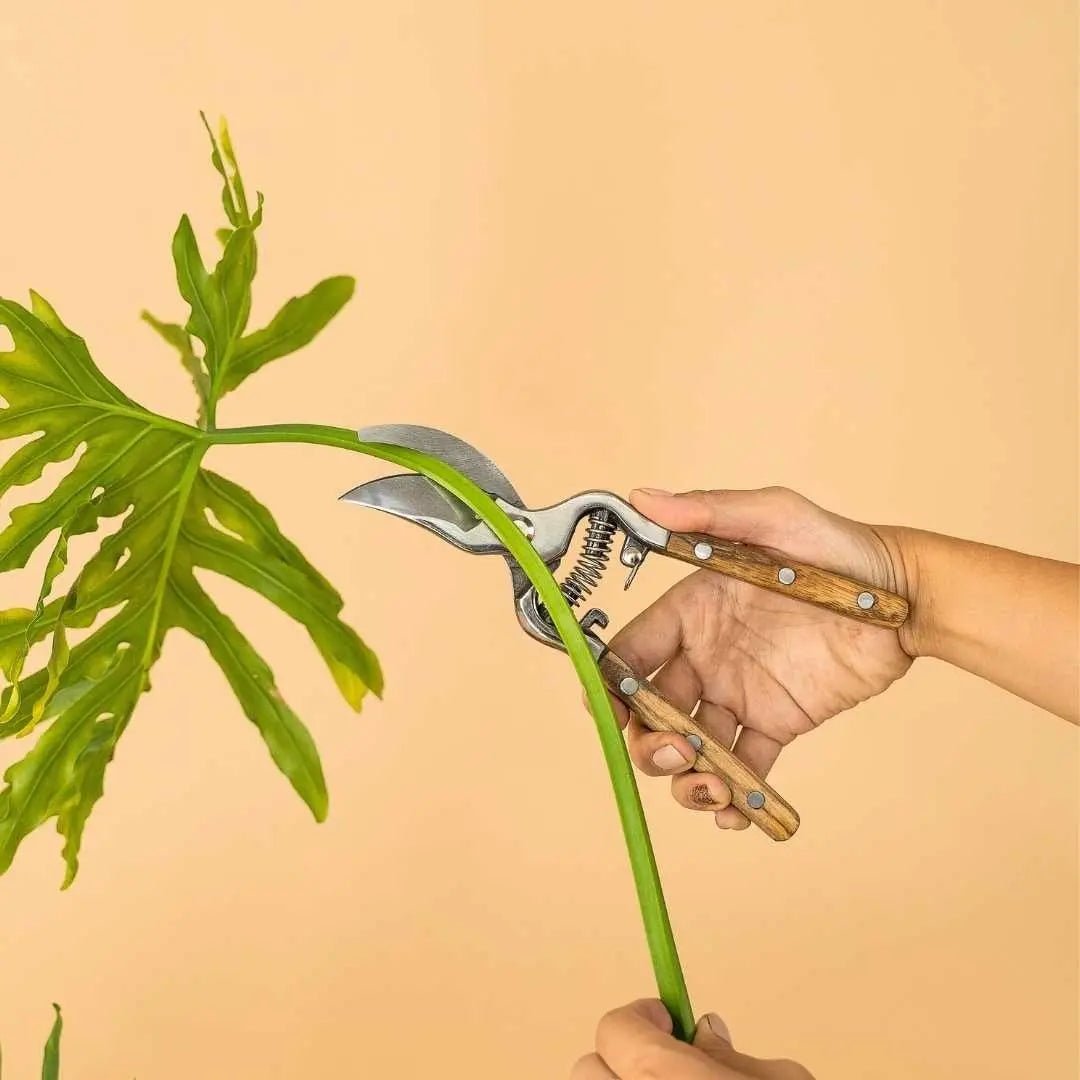
Move the plant to brighter indirect light and trim overly long bare stems to encourage fuller growth. Avoid deep shade if you want dense, coin-like leaves.
Brown crispy edges
Check for direct hot sun, dry air-con drafts, or long gaps between waterings. A slightly brighter-but-filtered position is better than harsh direct light.
Singapore care formula
Bright filtered light + airy mix + careful watering is the winning combination. If you remember only one thing, remember this: Dischidia pectinoides likes moisture, but it does not like being kept soggy.
FAQ: Dischidia pectinoides in Singapore
Is Dischidia pectinoides easy to care for?
Yes, it is manageable for most indoor plant owners as long as you give it bright indirect light and avoid overwatering.
Can it grow in low light?
It may survive in lower light for a while, but growth will usually become thinner. For a fuller plant, keep it in bright filtered light.
Should I mist the Pocket Money Plant?
Misting is not essential in most Singapore homes. Good airflow and correct watering are more important than frequent misting.
Is it better in a hanging pot?
A hanging pot or high shelf shows off the trailing vines beautifully, but it can also work in a small tabletop planter if you rotate it for even growth.
Build a brighter indoor corner
Pair compact trailing plants with airy potting media, a well-draining planter and a bright filtered spot for easier long-term care.