















Fern Care Guide for Singapore | Tumbleweed Plants Singapore
Posted on April 10 2026
In this article
Ferns are among the oldest plant groups on earth — they were growing in forests 360 million years ago, long before flowering plants existed. Their ancient heritage shows in their structure: instead of flowers and seeds, ferns reproduce via spores. Instead of showy blooms, they offer fronds — intricate, layered, and endlessly varied in form.

For indoor gardening in Singapore, ferns occupy a unique niche. They are the plants you turn to when you want lush, soft, cascading greenery — the kind that transforms a bathroom into a spa, a shelf into a forest edge, and a hanging planter into a living chandelier. Singapore's high humidity gives us a natural advantage with ferns that growers in drier climates can only dream of.
Best Indoor Ferns for Singapore
Boston Fern (Nephrolepis exaltata)
The classic indoor fern. Long, arching fronds with evenly spaced leaflets create a lush, fountain-like form. At its best in a hanging basket where the fronds can cascade freely.
Size: 40-60cm wide and trailing.
Light: Medium indirect. Tolerates some low light.
Difficulty: Moderate — needs consistent moisture.
Bird's Nest Fern (Asplenium nidus)
Broad, undivided fronds that emerge from a central rosette (the "nest"). A cleaner, more structured look than the wispy Boston Fern. An excellent shelf or tabletop plant.
Size: 30-60cm rosette.
Light: Low to medium indirect. One of the most shade-tolerant ferns.
Difficulty: Easy to moderate.
Maidenhair Fern (Adiantum)
Delicate, fan-shaped leaflets on thin, wiry black stems. The most beautiful and the most demanding fern. Its reputation for difficulty is well-earned — but Singapore's humidity helps significantly.
Size: 20-40cm.
Light: Medium indirect. No direct sun.
Difficulty: Challenging — needs consistent moisture and humidity.
Staghorn Fern (Platycerium)
An epiphytic fern that grows mounted on boards or in hanging baskets rather than in soil. The antler-shaped fronds create a dramatic, sculptural display. Very well-suited to Singapore's climate when mounted on a shaded balcony or indoor wall.
Size: Varies widely — from 30cm to over 1 metre.
Light: Medium to bright indirect.
Difficulty: Moderate — different care approach (mounted, not potted).
Rabbit's Foot Fern (Davallia)
Named for its fuzzy, creeping rhizomes that grow over the pot's edge, resembling rabbit's feet. A charming, unusual fern that does well in hanging baskets.
Size: 20-40cm.
Light: Medium indirect.
Difficulty: Moderate.
Blue Star Fern (Phlebodium aureum)
Blue-grey, broadly lobed fronds with a distinctive colour that sets it apart from the typical green fern. More drought-tolerant than most ferns.
Size: 30-50cm.
Light: Medium indirect.
Difficulty: Easy to moderate — more forgiving than most ferns.
Light

Most ferns evolved on the forest floor or as epiphytes in the lower canopy — shaded from direct sun by layers of vegetation above. This makes them well-suited to the indirect light of Singapore interiors.
Medium indirect light — Optimal for most species. Bright enough for healthy growth but without the intensity that damages delicate fronds.
Low light — Many ferns tolerate low light better than most houseplants. Bird's Nest Fern and Blue Star Fern are particularly shade-tolerant.
Direct sun — Avoid for all indoor fern species. Even morning sun can scorch the thin, delicate fronds of Maidenhair and Boston ferns. Staghorn ferns mounted outdoors can handle morning sun with afternoon shade.
Watering
Ferns want consistently moist soil. Not soggy, not periodically dry — moist. This is the key care requirement and the one most people get wrong.
Schedule in Singapore:
- Check every 3-5 days
- Water when the top 1-2cm of soil begins to dry
- The soil below should still be slightly moist — never let fern soil dry out completely
- In AC rooms, ferns dry faster and may need watering every 3-4 days
Technique:
- Water gently at the soil level
- Avoid pouring water directly into the centre rosette of Bird's Nest Fern (can cause rot)
- Water thoroughly until drainage occurs
- Ferns in hanging baskets may need more frequent watering as they dry from all sides
The balancing act: Ferns need more water than most houseplants but are still susceptible to root rot if the soil is waterlogged. The key is consistent, moderate moisture — not extreme wetness.
Humidity

This is where Singapore gives fern growers a massive advantage.
Ideal humidity: 60-80%. Singapore delivers this naturally in non-AC rooms.
In AC rooms (40-55%): Ferns may struggle. Solutions:
- Place ferns in the bathroom — the highest-humidity room in the house
- Group ferns together (creates a humid micro-climate)
- Use a pebble tray filled with water beneath the pot
- Run a humidifier in the room
- Mist ferns lightly (ferns are among the few plants that benefit from misting)
The bathroom advantage: Singapore bathrooms are the ideal fern environment — warm, humid, and typically receiving soft indirect light. A Boston Fern hanging in a bright bathroom is one of the most stunning houseplant displays possible.
Soil
Ferns prefer moisture-retentive but not waterlogging soil:
- 60% quality potting mix (peat or coco coir based)
- 20% perlite (for drainage and aeration)
- 20% worm castings or compost (for nutrients and moisture retention)
The mix should hold moisture without becoming compacted or soggy. Avoid very chunky, fast-draining mixes designed for succulents — ferns need more moisture retention.
Fertilising

Light feeders:
- Balanced liquid fertiliser at quarter to half strength every 4-6 weeks
- Over-fertilising causes brown frond tips and salt buildup
- Ferns are sensitive to fertiliser burn — err on the side of under-feeding
- Worm castings mixed into the soil provide slow-release nutrients
Common Problems
Brown, Crispy Frond Tips
The most common fern complaint. Causes:
- Low humidity (AC rooms) — the primary cause
- Underwatering — soil dried out too much between waterings
- Over-fertilising — salt damage from too much fertiliser
- Tap water minerals — some ferns are sensitive to fluoride and chlorine
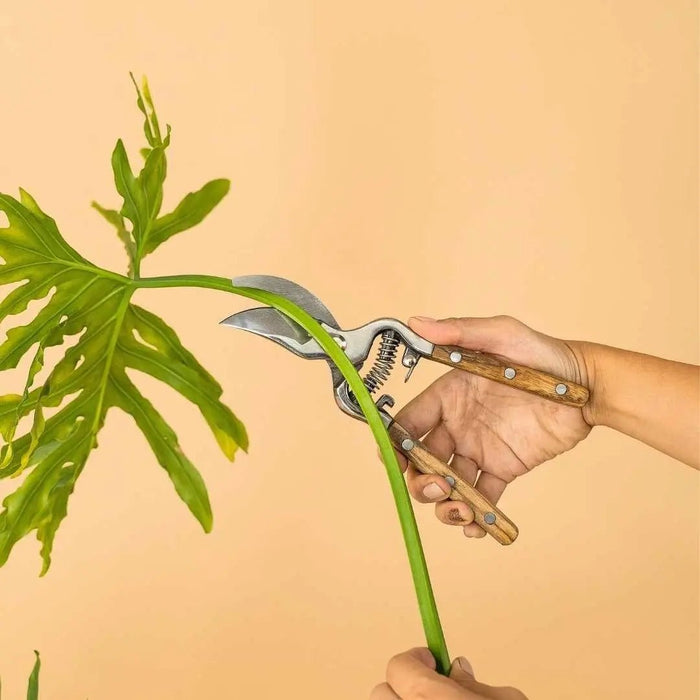
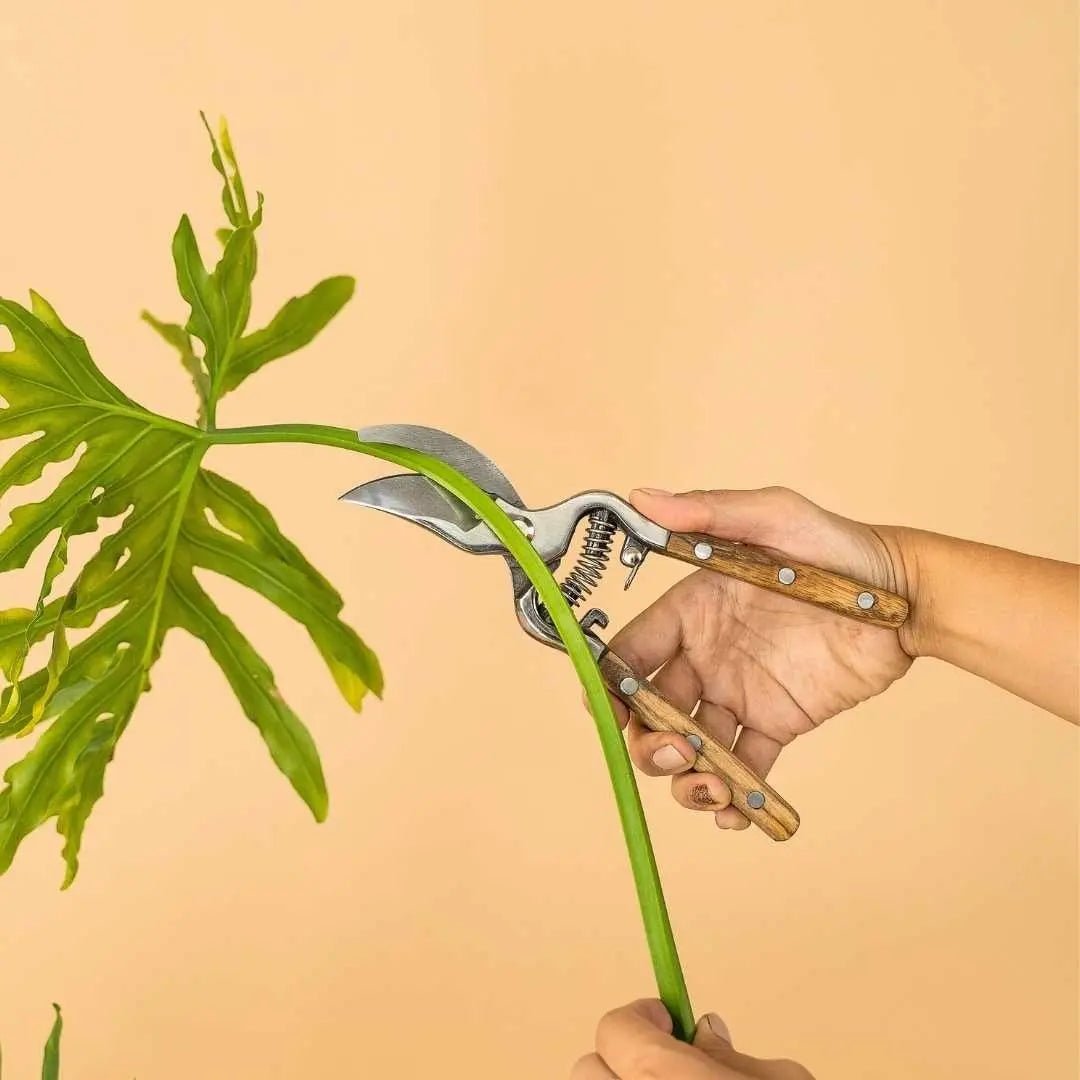
Trim brown tips with clean scissors, cutting at an angle. It is mostly cosmetic — the frond is still functional.
Yellowing Fronds
Old fronds naturally yellow and die as new ones emerge. If many fronds yellow simultaneously, check for overwatering or root rot.
Leaf Drop (Shedding Leaflets)
Boston Ferns are notorious for shedding small leaflets. This increases when:
- Humidity drops (moving to an AC room)
- The fern is underwatered
- The fern is newly relocated (acclimation stress)
Some shedding is normal. Excessive shedding indicates environmental stress.
Pests
- Scale — on fronds and stems. Remove with rubbing alcohol on a cotton swab.
- Mealybugs — in frond crevices. Treat with rubbing alcohol.
- Fungus gnats — in consistently moist fern soil. Yellow sticky traps and allowing the very top of soil to dry slightly between waterings helps.
Note: Ferns are sensitive to many insecticides, especially oil-based sprays. Test any treatment on a single frond before applying to the whole plant. Neem oil can damage some delicate fern species.
Styling
Ferns are at their best when displayed to showcase their cascading, arching form:
- Hanging basket — the classic Boston Fern display. The fronds cascade in all directions, creating a living chandelier.
- Bathroom shelf — Bird's Nest Fern or Blue Star Fern on a shelf in a bright bathroom.
- Mounted on wall — Staghorn Fern mounted on a wooden board — living wall art.
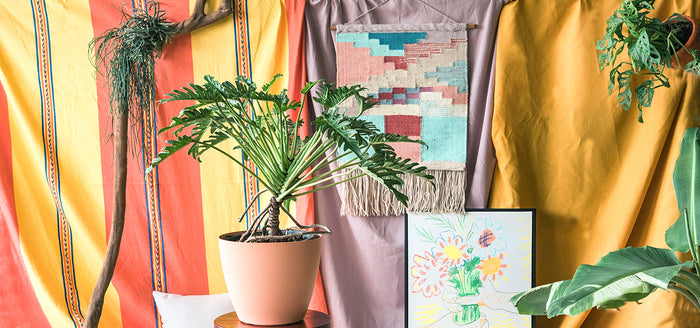
- Grouping with tropical plants — ferns pair beautifully with Monstera, Philodendron, and Calathea in a tropical corner display.
- Terrarium — small ferns are excellent terrarium plants, thriving in the enclosed humid environment.
Shop Ferns
Browse our indoor plant collection for fern varieties suited to Singapore homes. From the lush Boston Fern to the architectural Bird's Nest, we deliver healthy plants across Singapore.
Ferns ask more of you than a Snake Plant or ZZ Plant. They want consistent moisture, good humidity, and gentle light. But what they give back is unmatched — a softness, a lushness, a sense of ancient forest that no other plant group can replicate. In Singapore, where the humidity does half the work for you, ferns are not as difficult as their reputation suggests. Give them what they need, and they will give you a piece of the primeval forest in your own home.
Quick summary
Key Takeaways
- Best Indoor Ferns for Singapore
- Light
- Watering
- Humidity
- Soil
- Fertilising
Ready to bring some green into your home?
Browse 250+ hand-picked plants, curated for Singapore homes — delivered to your door.
Browse All Plants →