















Bird Nest Fern Care: The Statement Fern That Loves Singapore's Humidity
Posted on April 08 2026
In this article
- Quick Facts
- Why Bird Nest Ferns Are Perfect for Singapore
- Light: Low to Medium Indirect Only
- Watering: Frequent but Careful
- Humidity: Singapore's Secret Weapon
- Soil: Well-Draining and Slightly Acidic
- Feeding: Monthly During Active Growth
- Common Problems
- Display Ideas for Singapore Homes
- Ready to Bring One Home?
If you've ever seen a bird nest fern in full health — its glossy, undulating fronds fanning out like a living sculpture — you'll understand why it's one of Singapore's most popular indoor plants. Unlike the fussier Boston fern, the bird nest fern (Asplenium nidus or its crinkle-leafed cultivar, Asplenium Venus) is surprisingly forgiving, thrives in low to medium light, and absolutely loves Singapore's natural humidity.

Here's everything you need to know to grow a stunning bird nest fern in your Singapore home.
---
Quick Facts
---
Why Bird Nest Ferns Are Perfect for Singapore
Asplenium nidus is native to tropical Asia, including the forests of Malaysia and Indonesia — climates nearly identical to Singapore's. In the wild, they grow as epiphytes in tree canopies, receiving filtered light, high humidity, and excellent air circulation.
This natural background means bird nest ferns are already adapted to exactly what Singapore offers: warmth year-round, no frost, naturally high humidity, and the kind of dappled light that comes through windows and covered outdoor areas.
The Asplenium Venus cultivar — identifiable by its ruffled, wavy leaf edges — is particularly popular in Singapore homes for its striking visual texture.
---
Light: Low to Medium Indirect Only
Bird nest ferns thrive in low to medium indirect light, making them one of the best choices for darker rooms or apartments that face north or receive little direct sunlight.
Ideal placements in Singapore homes:
- North-facing rooms — Perfect. These ferns love gentle, consistent ambient light.
- Bathrooms with a frosted window — Ideal combination of humidity and soft light.
- Shaded balconies — Works beautifully on balconies that receive no direct sun (e.g., blocked by upper-floor overhangs).
- Interior rooms with grow lights — Bird nest ferns respond well to full-spectrum grow lights if natural light is insufficient.
Direct sun will scorch the fronds rapidly, causing brown, papery patches in the centres of the leaves. If you notice this, move the plant further from the light source immediately.
---
Watering: Frequent but Careful

Bird nest ferns need consistent moisture, but how you water them matters as much as how often. The most important rule: never pour water directly into the centre rosette. Water collecting in the crown will cause the new, emerging fronds to rot.
Always water around the base of the plant and onto the soil surface.
In Singapore, a typical watering schedule:
- Indoors with AC: Water 2–3 times per week
- Indoors without AC or in humid bathrooms: 2 times per week is usually sufficient
- On a shaded balcony: Check daily; may need watering every 1–2 days during dry months
The soil should feel moist but not waterlogged. If water sits in the saucer for more than 30 minutes, empty it — bird nest ferns don't tolerate sitting in standing water.
---
Humidity: Singapore's Secret Weapon
At 60–90% humidity, bird nest ferns are in their element. Singapore's outdoor air typically sits above 80% humidity, which means outdoor or semi-outdoor placements work wonderfully.
Indoors, air conditioning is the main challenge. Signs your bird nest fern is struggling with low humidity:
- Frond edges turning brown and crispy
- New fronds emerging smaller than older ones
- Slow growth despite adequate watering
To boost humidity indoors:
- Bathroom placement — The single most effective solution. Morning showers keep bathroom humidity consistently high.
- Humidifier — Place near the plant for controlled humidity levels.
- Pebble tray — A wide, shallow tray of wet pebbles beneath the pot provides passive humidity.
- Group plants — Plants release water vapour through transpiration, so clustering several plants together raises local humidity.
---
Soil: Well-Draining and Slightly Acidic

In nature, bird nest ferns grow in the organic matter that collects in tree crevices — a loose, airy, moisture-retentive material. Replicate this with:
- 40% quality potting soil
- 30% coco coir or sphagnum moss
- 20% perlite
- 10% fine orchid bark
The slightly acidic pH of coco coir and orchid bark mimics their natural growing medium. Avoid alkaline soils or adding lime.
---
Feeding: Monthly During Active Growth
Bird nest ferns are light feeders. Fertilise once a month during active growing periods with a diluted liquid balanced fertiliser (e.g., 10-10-10 NPK at half strength). Avoid high-nitrogen feeds, which can cause overly soft, weak growth.
Do not fertilise into the central rosette — apply to the soil only.
During cooler months (November–January), feeding can be reduced to once every 6–8 weeks as growth naturally slows.
---
Common Problems

Brown leaf tips and edges — Almost always caused by low humidity or air conditioning. Increase humidity and move away from direct AC airflow.
Pale green or yellow fronds — Too much light. Move to a shadier spot.
Black or mushy crown — Water has been poured into the centre rosette. Allow to dry and reduce watering into the crown.
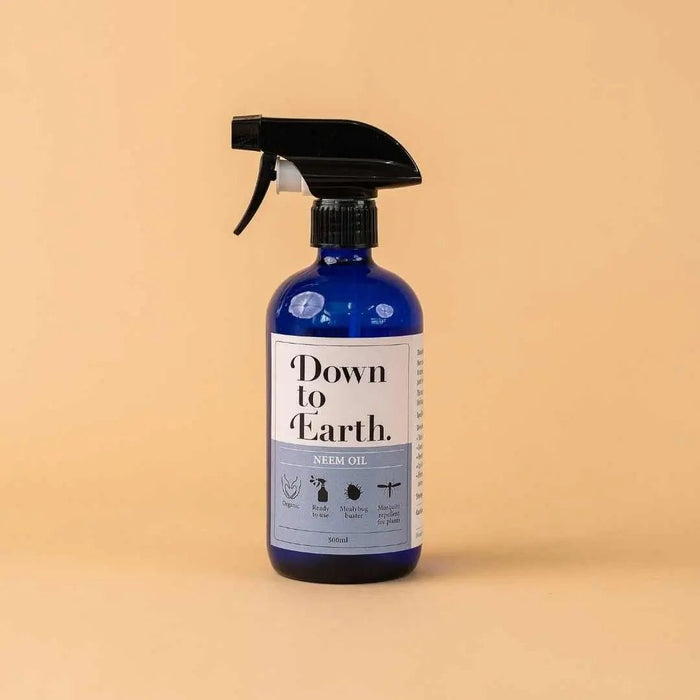
Scale insects — Look for small brown bumps on the underside of fronds. Remove with a soft cloth dampened in rubbing alcohol, then treat with neem oil.
Slow or no new growth — Usually insufficient light or low temperature. In a well-lit, warm Singapore environment, bird nest ferns should produce new fronds regularly.
---
Display Ideas for Singapore Homes
Bird nest ferns have a strong, sculptural presence that works in multiple settings:
- Bathroom shelf — Elevated on a wooden shelf beside the mirror, a large Asplenium Venus makes a bold, spa-like statement.
- Shaded balcony — In a hanging basket or on a plant stand, bird nest ferns create lush greenery in covered outdoor areas.
- Living room corner — In a large decorative pot on the floor, a mature bird nest fern creates dramatic focal point.
- North-facing HDB bedroom — One of the few plants that genuinely thrives in low-light bedroom conditions.
---
Ready to Bring One Home?
Bird nest ferns are one of the best plants for Singapore's humidity and low-light conditions. Browse our bathroom plants collection for bird nest ferns and other moisture-loving varieties.
Order today with same-day delivery across Singapore — lush, leafy greenery delivered to your door.
Quick summary
Key Takeaways
- Quick Facts
- Why Bird Nest Ferns Are Perfect for Singapore
- Light: Low to Medium Indirect Only
- Watering: Frequent but Careful
- Humidity: Singapore's Secret Weapon
- Soil: Well-Draining and Slightly Acidic
Ready to bring some green into your home?
Browse 250+ hand-picked plants, curated for Singapore homes — delivered to your door.
Browse All Plants →