


















Bird's Nest Fern Care Guide for Singapore
Posted on April 09 2026
In this article
The Bird's Nest Fern — Asplenium nidus — holds a special place in Singapore's plant landscape. It is one of our native ferns, found growing naturally on trees in our nature reserves and parks. That tropical pedigree means it is perfectly adapted to conditions inside Singapore homes.

With its broad, ripple-edged fronds emerging from a central rosette, the Bird's Nest Fern adds a lush, tropical quality to any space. And unlike its more demanding fern cousins, it is remarkably easy to grow.
Why It Thrives in Singapore
As a native epiphyte found in Singapore's forests, Bird's Nest Fern evolved in exactly our conditions:
- Warm temperatures year-round (25-32°C)
- High humidity (70-90%)
- Filtered light under forest canopy
- Tropical rainfall patterns
You are not recreating a foreign environment — you are bringing a piece of Singapore's own natural heritage indoors.
Light Requirements
Ideal: Moderate indirect light. The filtered light conditions of most Singapore apartments replicate the dappled shade of the forest canopy.
Tolerates: Low light. Bird's Nest Fern handles darker conditions better than most plants, making it suitable for interior rooms and shaded corners.
Avoid: Direct sunlight — it scorches the fronds, causing brown patches and crispy edges.
Best placements:
- North-facing rooms (gentle, consistent light)
- Bathrooms with windows (humidity bonus)
- 2+ metres from bright windows
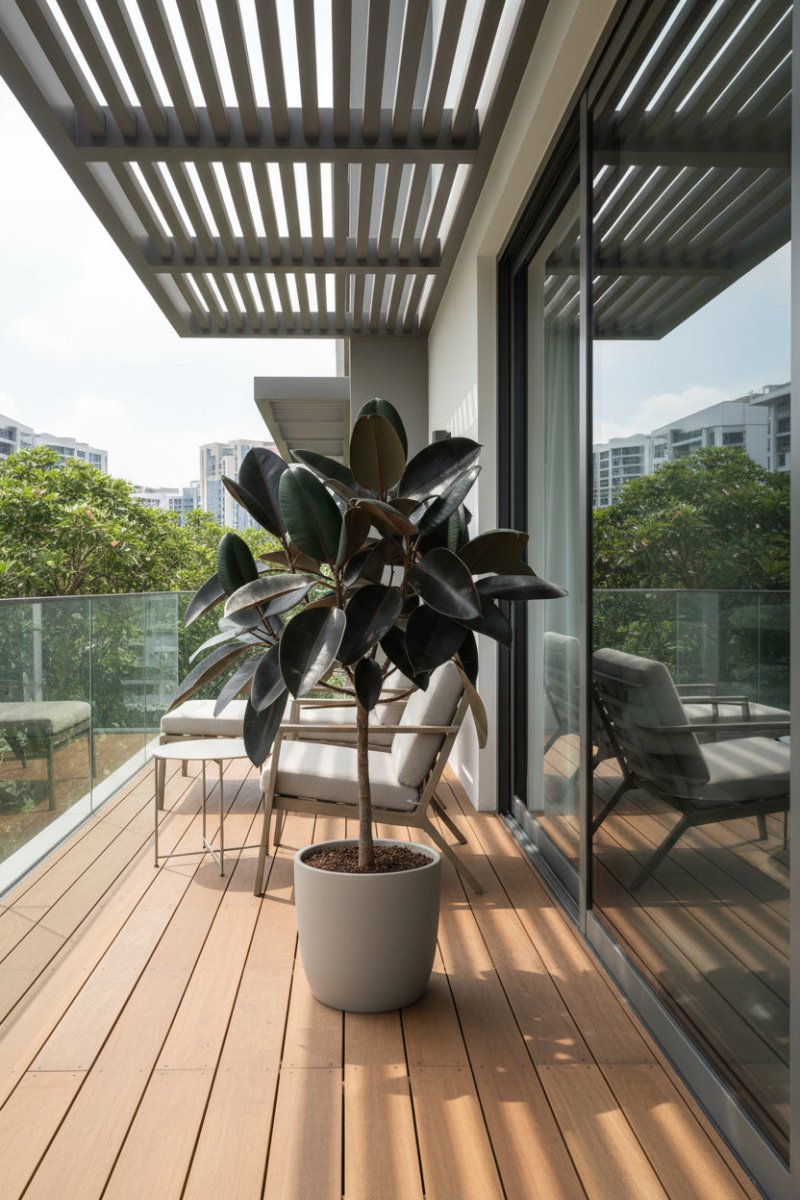
- Shaded balconies or covered outdoor areas
Watering
Bird's Nest Fern likes consistent moisture — its forest-floor origins mean it expects regular rainfall.
Frequency in Singapore:
- Every 4-6 days in naturally ventilated rooms
- Every 3-5 days in air-conditioned rooms
- Keep soil consistently moist but not waterlogged
Critical rule: Water around the base of the plant, NOT into the central rosette (the "nest"). Water sitting in the nest promotes rot and fungal growth.
Overwatering signs: Yellow fronds, mushy base, foul smell
Underwatering signs: Crispy frond edges, drooping, brown tips
Humidity

This is where Bird's Nest Fern truly benefits from Singapore's climate. Our ambient humidity of 70-90% is exactly what this fern wants.
In naturally ventilated rooms: No special measures needed. The fern thrives.
In air-conditioned rooms: May struggle. Compensate with:
- Placing on a pebble tray
- Grouping with other plants
- Keeping in the bathroom (ideal humidity + filtered light)
- Regular morning misting of the fronds
Soil
As an epiphyte, Bird's Nest Fern needs a light, airy mix:
- 40% peat moss or coco coir
- 30% perlite
- 20% orchid bark
- 10% charcoal
This retains moisture while providing the aeration that epiphytic roots need.
Fertilising

Light feeder:
- Diluted liquid fertiliser (half strength) every 4-6 weeks
- Apply to the soil, not the fronds or nest
- Reduce in low-light positions
- Over-fertilising causes brown frond tips
Common Problems
Brown Frond Tips
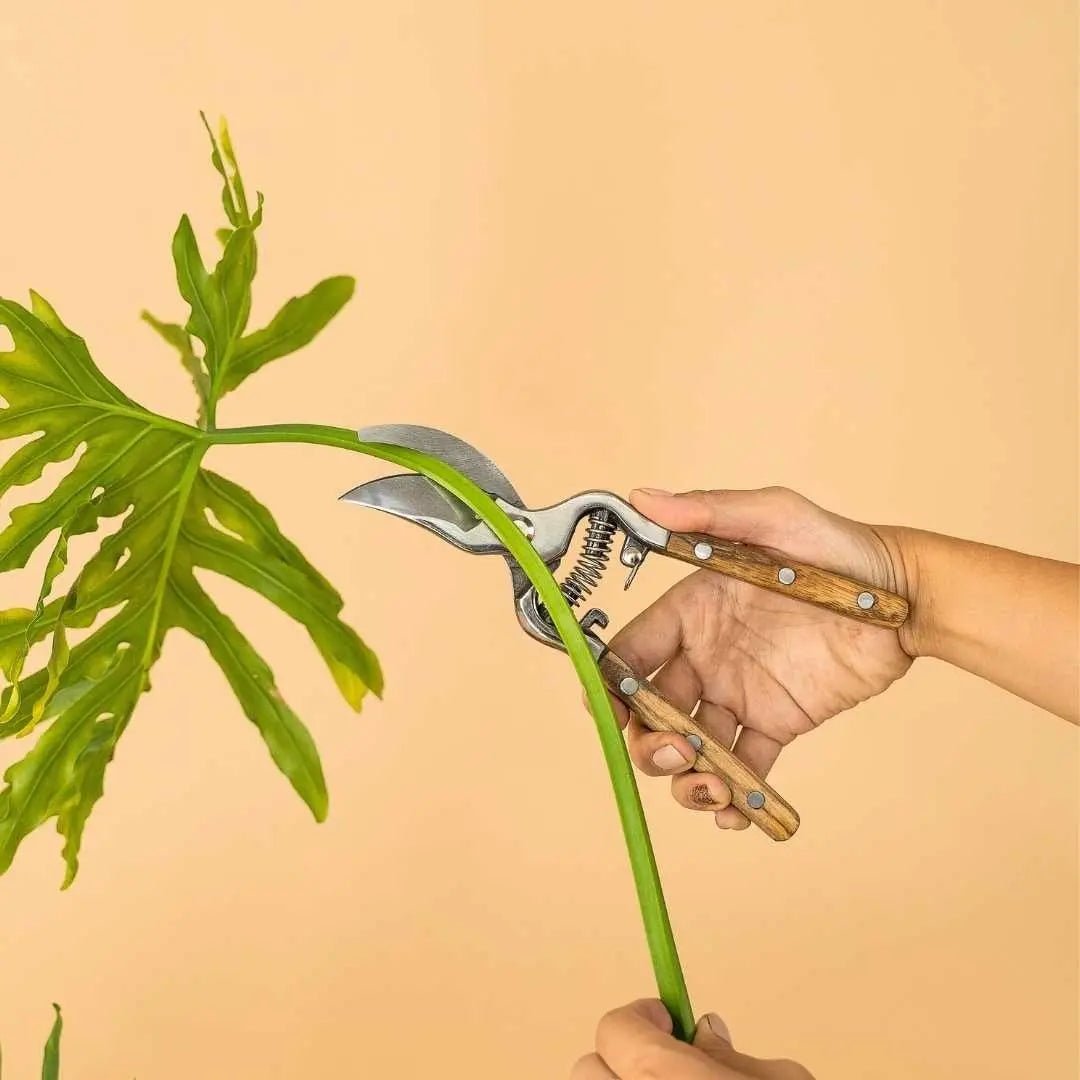
Usually low humidity or fertiliser burn. Trim brown tips for aesthetics. Address the cause.
Scale Insects
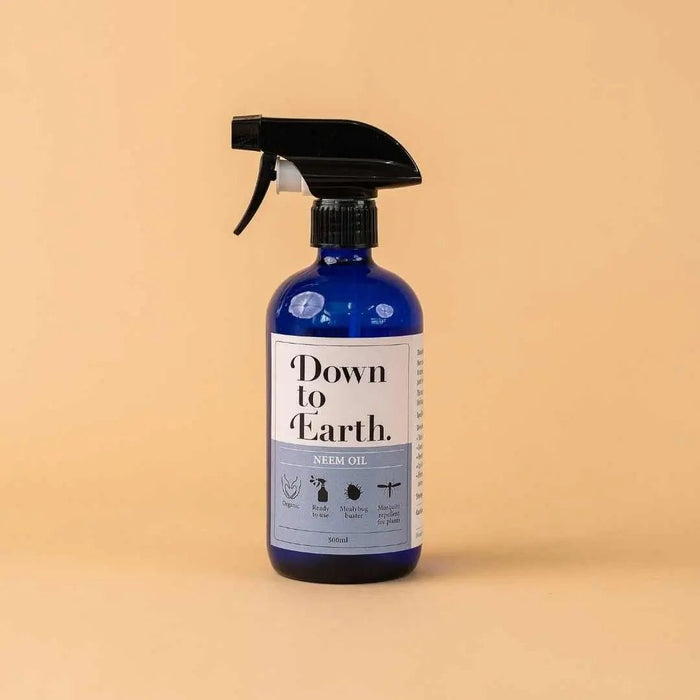
Brown bumps along frond midribs. The most common Bird's Nest Fern pest in Singapore. Scrape off manually and treat with neem oil.
Slow Growth
Normal in low light. Bird's Nest Fern is not a fast grower even in ideal conditions. New fronds unfurl 3-6 per year.
Pest Entry via Nest
The central rosette can trap debris and provide shelter for pests. Keep the nest clean — gently remove any fallen leaves or debris that accumulate.
Propagation

Bird's Nest Fern cannot be propagated from leaf cuttings or division like many houseplants. It reproduces via spores (the brown lines on frond undersides). Spore propagation is possible but extremely slow and advanced.
Practical approach: Buy new plants. They are affordable and widely available at Singapore nurseries.
Display Ideas
Mounted on wood: Mimicking natural epiphytic growth. Mount on a piece of driftwood or cork bark for a living wall accent.
Hanging basket: The rosette form looks stunning when viewed from below. Hang in a covered outdoor area or bright bathroom.
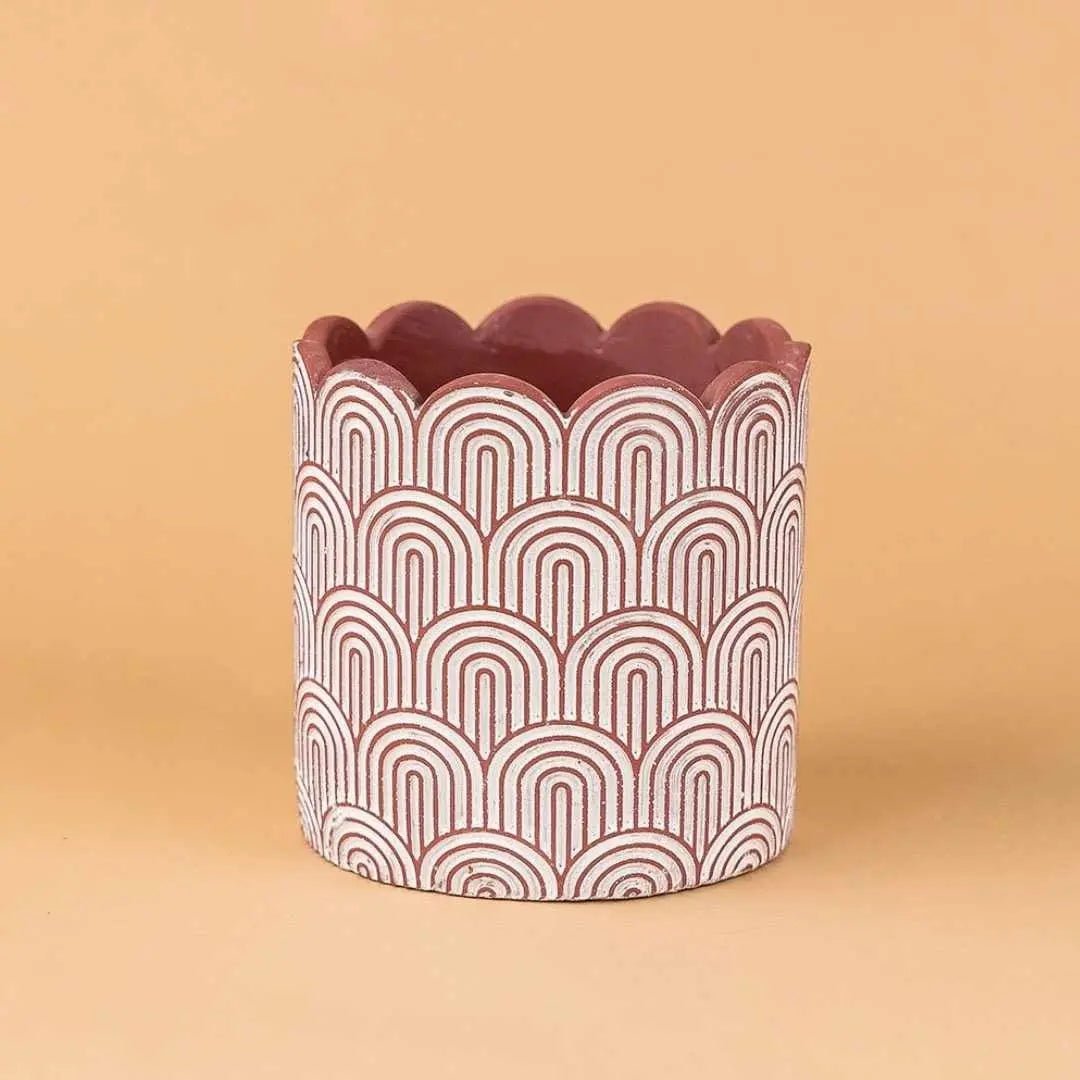
Tabletop centrepiece: A mature Bird's Nest Fern in a quality pot makes an elegant living centrepiece.
Bathroom sanctuary: The ultimate placement. Warm, humid, filtered light — perfect conditions and perfect aesthetics.
Grouped with other ferns: Create a fern corner with Bird's Nest, Boston, and Maidenhair varieties for a mini tropical forest.
Final Thoughts
The Bird's Nest Fern is Singapore's own — a native plant that asks for nothing more than what our climate naturally provides. In return, it offers lush, tropical foliage that makes any indoor space feel like a rainforest retreat.
If you are looking for a truly low-effort tropical plant that thrives without interventions, start here. It is growing wild in our forests for a reason.
Find your Bird's Nest Fern at Tumbleweed Plants.
Quick summary
Key Takeaways
- Why It Thrives in Singapore
- Light Requirements
- Watering
- Humidity
- Soil
- Fertilising
Ready to bring some green into your home?
Browse 250+ hand-picked plants, curated for Singapore homes — delivered to your door.
Browse All Plants →