















Indoor Palm Care: How to Keep Palm Trees Thriving in Your Home
Posted on April 17 2026
In this article

---
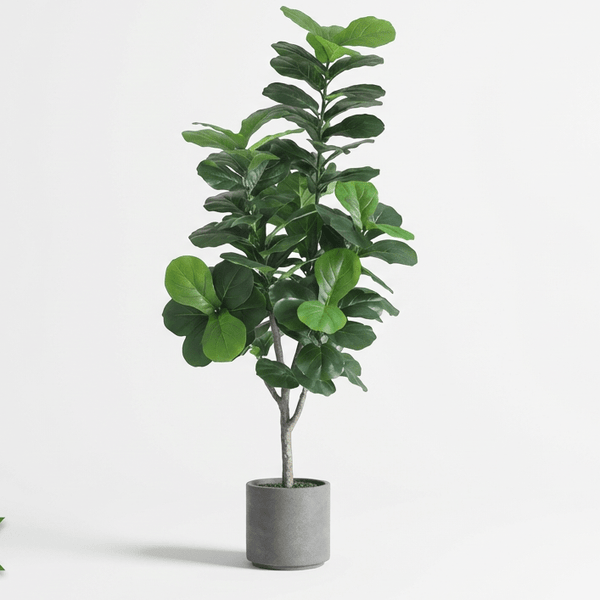
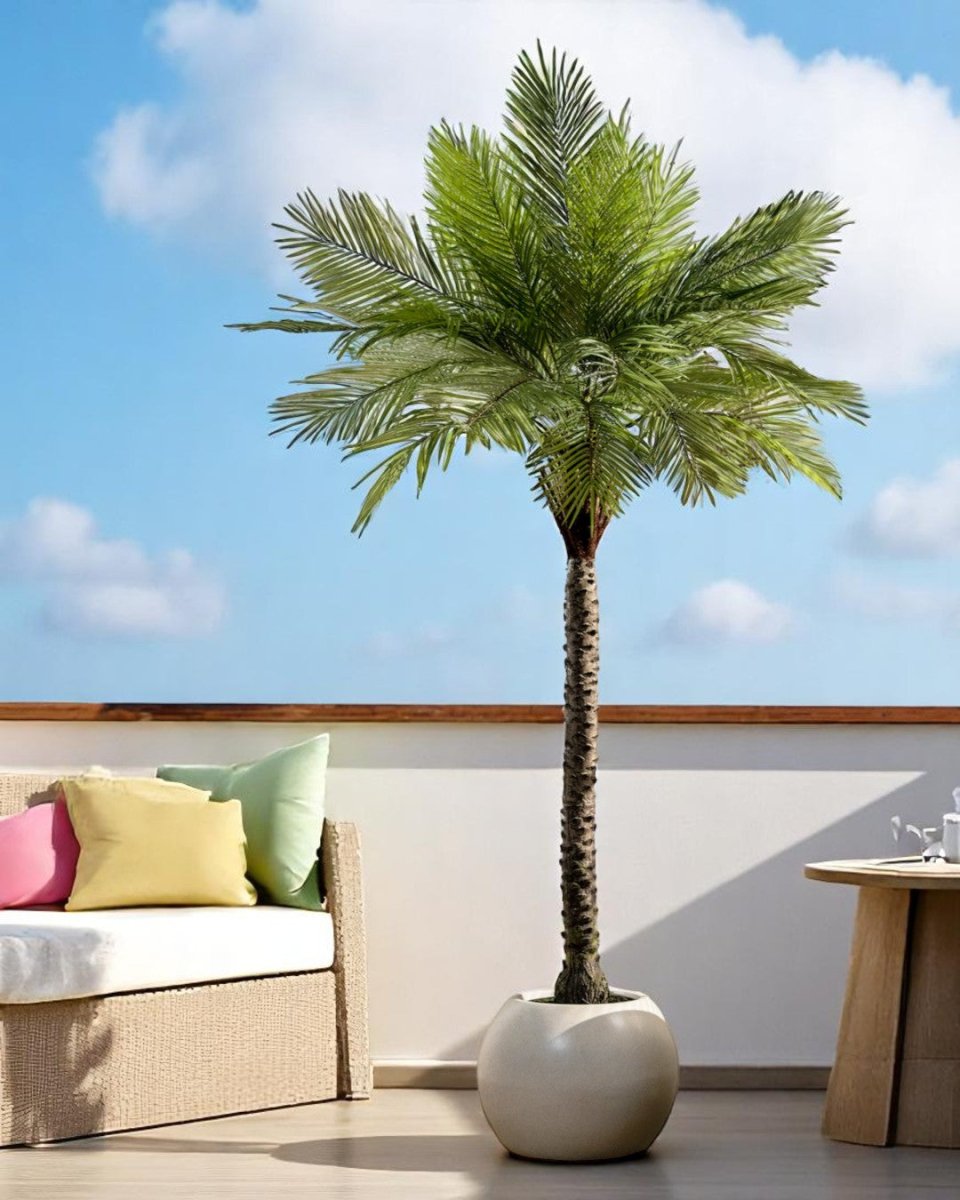
Few plants evoke a sense of place like a palm. A well-grown indoor palm transforms a room into something tropical — a visual reminder that there are warmer, more relaxed places in the world. And unlike the dramatic-but-difficult fiddle leaf fig, several indoor palm species are genuinely manageable for plant owners who understand their basic needs.
The challenge: not all palms adapt equally well to indoor conditions, and the most commonly sold indoor palm (the Majesty palm) is also among the most difficult to keep looking good. This guide helps you choose the right palm and care for it properly.
Singapore plant owners have a natural advantage here: our year-round tropical climate — warm temperatures, high ambient humidity, and strong natural light — matches the original growing conditions of most indoor palms far better than temperate households do. With the right placement and a few adjustments for indoor living in HDB flats and condos, palms can genuinely thrive here.
---
The Four Most Common Indoor Palms (And Their Real Difficulty)
Parlor Palm (*Chamaedorea elegans*)
Difficulty: Easy — the best choice for most homes
The parlor palm is the gold standard of indoor palms. Native to rainforest understories in Mexico and Guatemala, it evolved in low-light, humid conditions — which means it adapts to typical indoor environments better than any other palm.
It stays relatively compact (3–6 feet in typical indoor conditions), tolerates low to medium light, and doesn't demand the high humidity that stresses most other palms. It grows slowly but steadily, and a well-cared-for parlor palm can last decades.
Singapore context: In HDB flats with north or east-facing rooms, the parlor palm is an excellent choice — it handles the softer, indirect light typical of these orientations very well. Singapore's ambient humidity of 70–90% means you almost never need to worry about low-humidity stress.
Best for: Anyone who wants a reliable palm. Low-light rooms. Long-term specimens.
---
Areca Palm (*Dypsis lutescens*)
Difficulty: Easy to moderate
The areca palm (also called butterfly palm or golden cane palm) produces lush, feathery fronds on golden-yellow stems and can grow to 6–8 feet indoors. It's one of the most popular indoor palms for its tropical fullness and relatively forgiving nature.
It needs more light than a parlor palm — bright indirect is ideal — and is more sensitive to low humidity. In dry homes, frond tips brown readily. But in a bright room with moderate humidity, it's one of the most beautiful and manageable large palms you can grow.
Singapore context: The areca palm thrives in Singapore's climate. Near a bright balcony or in a west-facing room of a condo or HDB flat, it gets exactly the light it wants. Singapore's natural humidity keeps the fronds looking lush year-round.
Best for: Bright rooms, statement sizes, anyone who can provide moderate humidity.
---
Kentia Palm (*Howea forsteriana*)
Difficulty: Easy — exceptionally adaptable
The kentia palm is legendary in interior design — it graced Victorian parlors a century ago precisely because it tolerates low light, indoor temperatures, and dry air better than virtually any other palm. It grows slowly but remains elegant at every stage, with graceful arching fronds on slender dark stems.
Kentia palms are expensive because they grow slowly and take years to produce saleable plants. But they're worth the investment — a kentia in the right spot can thrive for decades with minimal attention.
Best for: Darker rooms, high-end interior spaces, patient growers who want a lifetime plant.
---
Majesty Palm (*Ravenea rivularis*)
Difficulty: Challenging — often disappointing indoors
The majesty palm is the most widely sold indoor palm at general retailers — and unfortunately one of the most difficult to keep looking good indoors. In the wild, it grows in wet riverine areas with high humidity, consistent moisture, and full sun. The typical living room delivers none of these reliably.
Common outcomes: fronds yellow and brown, the plant declines slowly over months, and the owner blames themselves. The issue is usually the environment, not the care.
Singapore context: Singapore's natural humidity actually helps the majesty palm more than most environments — but it still needs a very bright spot. Near a south or west-facing window, or on a sheltered balcony, a majesty palm has a real chance of looking its best.
Best for: Bright sunrooms with humidity. Not recommended for typical indoor conditions without a strong light source.
---
General Indoor Palm Care
Light
| Palm | Light Requirement |
|------|------------------|
| Parlor Palm | Low to medium indirect |
| Areca Palm | Bright indirect |
| Kentia Palm | Low to medium indirect |
| Majesty Palm | Bright indirect to some direct |
All palms benefit from rotating periodically (every few weeks) to ensure even frond growth on all sides.
Singapore tip: Even "low light" rooms in Singapore receive more ambient light than equivalents in temperate countries due to the intensity of equatorial sunlight. A room that feels dim to you may still provide enough light for a parlor or kentia palm to grow steadily.
---
Water
Palms generally prefer soil that stays consistently moist but never waterlogged — not the boom-and-bust cycle that works for drought-tolerant plants.
Frequency: Every 1–2 weeks, when the top inch of soil is dry
Singapore note: In our warm tropical climate, soil can dry out faster than in cooler countries — especially during the drier months of January to March. Check soil moisture more frequently during these months.
Overwatering signs: Yellow fronds, mushy base, slow soil drainage
Underwatering signs: Drooping fronds, very dry and lightweight pot, browning that starts at the tips and progresses inward
Water quality: Palms are sensitive to fluoride and chlorine in tap water. Brown leaf tips are often caused by fluoride accumulation. Use filtered water or let tap water sit overnight.
---
Humidity
This is where most indoor palm care breaks down in temperate countries. Palms prefer 50–70% relative humidity.
Singapore advantage: Our ambient outdoor humidity of 70–90% means most Singapore homes naturally provide the humid conditions palms love. The only exception is heavily air-conditioned rooms. If your AC runs continuously, consider:
- Pebble tray under the pot
- Grouping palms with other humidity-loving plants
- Small humidifier near the plant
- Positioning palms slightly away from direct AC airflow
---
Soil
Palms prefer well-draining soil that still retains some moisture:
- Commercial palm mix (if available)
- Or: 60% quality potting mix + 30% perlite + 10% coarse sand
Avoid overly moisture-retentive mixes that stay wet. In Singapore's warm temperatures, wet soil can lead to root rot faster than in cooler climates.
---
Fertilizing
Frequency: Every 1–2 months — Singapore's year-round growing season means palms can be fertilized consistently throughout the year.
Type: Palm-specific fertilizer or a balanced slow-release fertilizer with micronutrients (especially magnesium and manganese, which palms need for healthy frond color)
Palm-specific fertilizers are worth using — general fertilizers can miss the micronutrient needs that cause yellow or spotted fronds.
---
Repotting
Palms prefer to be slightly root-bound and dislike root disturbance. Repot only when roots are visibly circling the drainage holes or emerging significantly from the pot — typically every 2–3 years.
Use a pot only 1–2 inches larger than the current one. Disturb the roots as little as possible during the move.
---
Common Palm Problems
Brown leaf tips: The most universal palm complaint. Usually caused by fluoride in tap water, low humidity, or fluoride buildup from repeated fertilizing. Switch to filtered water; increase humidity; flush soil with water to remove accumulated minerals.
Yellow fronds (lower fronds): Normal aging — lower fronds yellow and die as the palm produces new growth at the top. Remove at the base when fully brown.
Yellow fronds (entire palm): Overwatering or nutrient deficiency (especially nitrogen or magnesium). Check soil drainage; resume fertilizing with palm fertilizer.
Brown, spotted fronds: Fungal disease or spider mite damage. Inspect undersides for webbing or stippling. In Singapore's humid conditions, fungal issues can develop quickly — ensure good airflow around the plant. Treat with neem oil if pests are found.
No new growth: Usually insufficient light or root-bound conditions. Move to brighter location or repot.
---
Browse our indoor palm collection at tumbleweedplants.com/collections/palms — parlor palms, areca, and kentia available in sizes from 4" starter pots to statement 10" floor specimens. Each one is grown in palm-appropriate mix and ready for a bright spot in your Singapore home or office.
---
Quick summary
Key Takeaways
- The Four Most Common Indoor Palms (And Their Real Difficulty)
- General Indoor Palm Care
- Common Palm Problems
Ready to bring some green into your home?
Browse 250+ hand-picked plants, curated for Singapore homes — delivered to your door.
Browse All Plants →