
















Jewel Orchid Care in Singapore: How to Grow Velvet Leaves Indoors
Posted on July 12 2026
Jewel Orchids are grown for their foliage first. Instead of large showy flowers, they offer dark, velvety leaves traced with fine metallic-looking veins. In a Singapore home, that makes them a beautiful choice for plant lovers who want something compact, textural and a little more unusual than the usual desk plant.
The most important thing to know is that Jewel Orchids do not want to be treated like sun-loving balcony orchids. They are forest-floor plants that prefer filtered light, gentle moisture and stable conditions. With the right setup, they can stay lush indoors without needing a big footprint.
What makes Jewel Orchids different?
Many orchids are epiphytes that cling to trees and need very airy orchid bark. Jewel Orchids, including the types commonly grown as houseplants, are terrestrial orchids. They grow closer to the ground and appreciate a mix that holds some moisture while still draining well.
If you are browsing for one, start with Tumbleweed’s Jewel Orchid, then explore more foliage options in the Plants collection.
Best light for Jewel Orchids in Singapore
Give Jewel Orchids bright, indirect light. A spot near a window with filtered morning light, a bright shelf away from direct sun, or a softly lit work desk can work well. Avoid strong afternoon sun, especially through glass, because it can fade the dark leaves or leave dry patches.
If the plant receives too little light, growth may slow and stems can stretch. If the leaves look washed out or feel dry at the edges, the light may be too intense. The sweet spot is bright enough to read comfortably, but not so strong that the leaves feel warm in direct sun.
How to water Jewel Orchids
Jewel Orchids like to stay lightly moist, not wet. In Singapore’s humid climate, check the potting mix before watering rather than following a fixed calendar. Water when the top layer starts to feel slightly dry, then let excess water drain fully.
- Do water deeply so the root zone is evenly moistened.
- Do not leave the pot sitting in water, especially inside decorative cover pots.
- Reduce watering slightly in cooler air-conditioned rooms where the mix dries more slowly.
- Check more often if the plant sits near a fan, sunny window or warm shelf.
Wrinkled or limp leaves can point to underwatering, root stress or a mix that has stayed too wet for too long. Always check the soil before reacting.
Humidity and airflow
Jewel Orchids appreciate humidity, which is one reason they can do well in Singapore. The challenge indoors is uneven humidity: air-conditioning, fans and hot window ledges can dry plants out even in a tropical climate.
Keep the plant away from direct air-con drafts. Grouping it with other plants can create a gentler microclimate. Good airflow is still useful, but avoid a strong fan blowing directly on the leaves all day.
Potting mix and repotting
A Jewel Orchid does best in a moisture-retentive but airy mix. It should not be packed into dense, waterlogged soil, and it should not dry out as quickly as a coarse cactus mix. A balanced indoor plant mix with drainage material is usually more suitable than pure orchid bark.
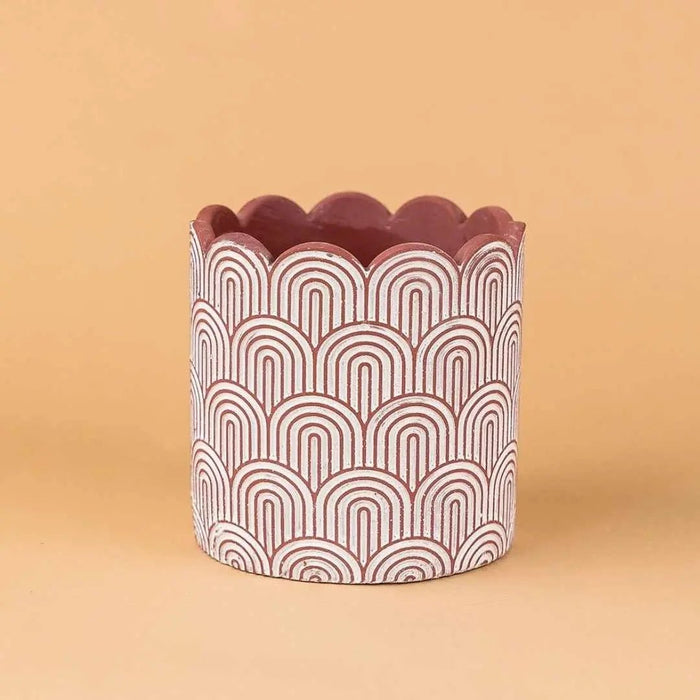
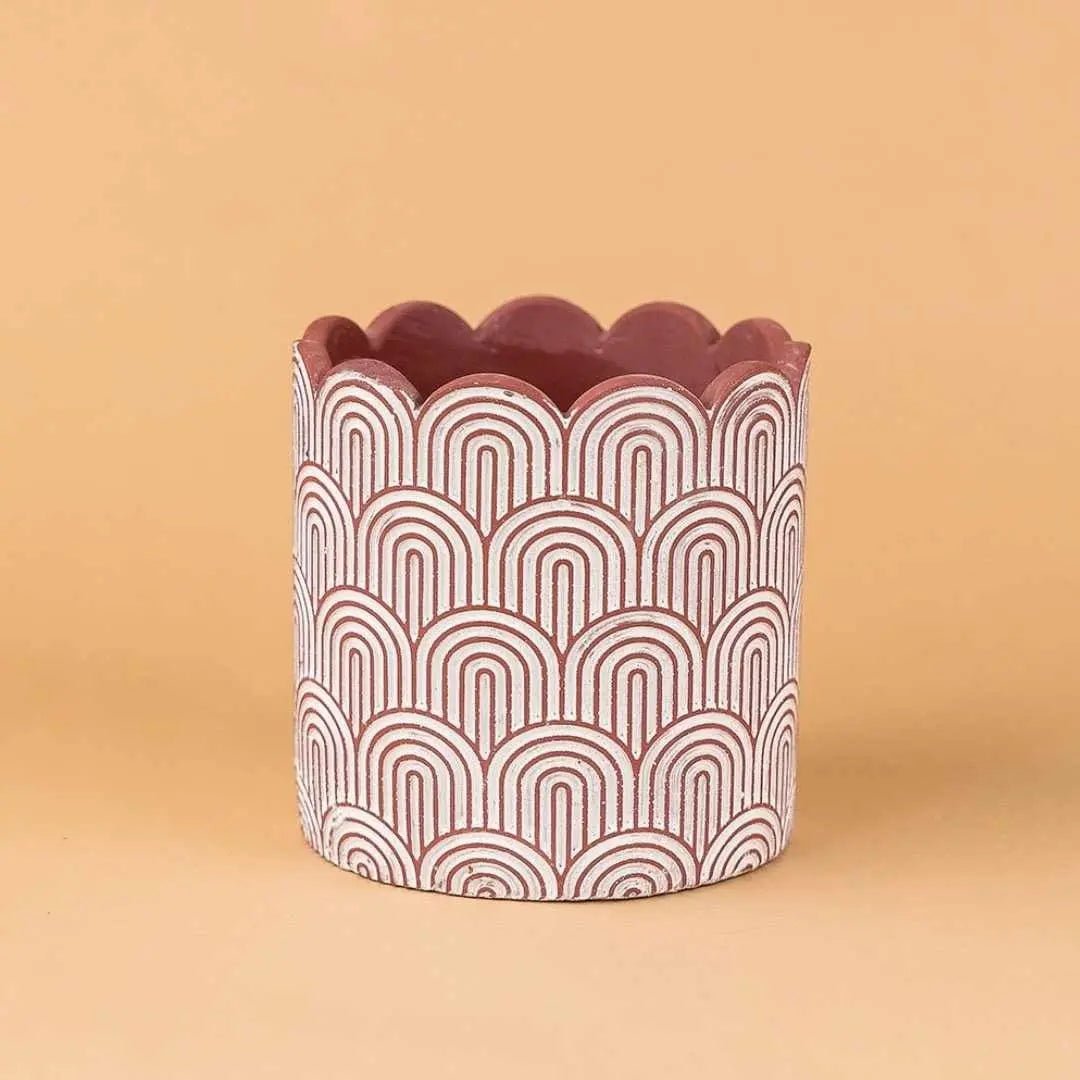
Repot only when needed: when the plant has clearly outgrown the pot, the mix has broken down, or drainage has become poor. Choose a pot with drainage holes, and browse suitable sizes in the Planters collection.
Common Jewel Orchid problems
Leaves are curling or wrinkling
Check moisture first. The plant may be too dry, but roots damaged by overwatering can create similar symptoms. If the mix is very wet and the plant still looks thirsty, improve drainage and let the pot settle before watering again.
Leaves are fading
Too much direct light can reduce the rich contrast that makes Jewel Orchids special. Move the plant to a slightly more sheltered position with bright filtered light.
Stems are stretching
The plant may need brighter indirect light. Move it closer to a window gradually, avoiding harsh direct sun.
Lower leaves yellow
A few older leaves yellowing over time is normal. Several yellow leaves at once may indicate overwatering, poor drainage or a sudden change in conditions.
Where to place a Jewel Orchid at home
Because Jewel Orchids are admired up close, place them where their leaf texture can be seen: a bedside table, shaded study corner, coffee table, plant shelf or bright bathroom with natural light. They pair nicely with simple ceramic planters because the foliage already carries a strong pattern.
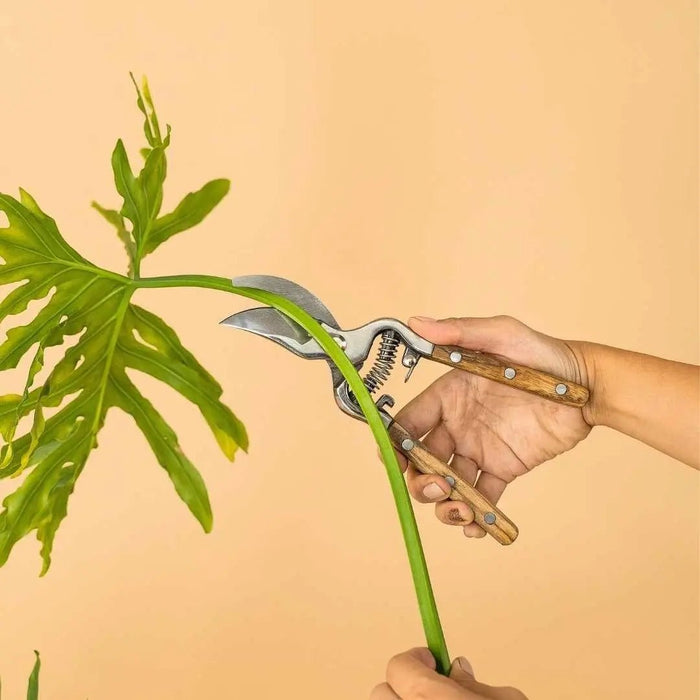
Keep care tools and soil amendments nearby from the Plant Care collection, and browse All Plants if you want to build a small foliage grouping around it.
FAQ: Jewel Orchid care in Singapore
Is a Jewel Orchid good for beginners?
It can be a good choice for attentive beginners. It is not a neglect-proof plant, but it is manageable if you can provide filtered light and check soil moisture regularly.
Does a Jewel Orchid need direct sun?
No. Direct sun is usually too harsh indoors in Singapore, especially near hot windows. Bright indirect light is better.
Should I use orchid bark?
Not pure coarse bark on its own. Jewel Orchids are terrestrial orchids and prefer a mix that holds some moisture while still draining well.
Will a Jewel Orchid flower?
It may produce small flower spikes when mature and happy, but the main feature is the velvet foliage. Grow it for leaf colour and texture rather than relying on blooms.
The simple care routine
Place your Jewel Orchid in bright filtered light, water when the top layer of mix begins to dry, protect it from harsh sun and direct air-con, and use a potting mix that stays lightly moist without becoming soggy. For Singapore homes, that steady routine is the easiest way to keep those dark velvet leaves looking fresh.