


















Juniper Bonsai Care in Singapore: How to Keep a Bright, Sculptural Tree Indoors
Posted on July 09 2026
Juniper bonsai has the calm, sculptural look many Singapore homes love: a defined trunk, layered foliage, and a “mini tree” presence that fits beautifully on a bright balcony ledge, entry console, or work-from-home corner. It is also a little different from many tropical houseplants. Juniper is tougher than it looks, but it needs strong light, careful watering, and enough airflow to stay compact and healthy in our warm, humid climate.
This guide covers how to care for a juniper bonsai in Singapore, with practical routines for HDB flats, condos, balconies, and bright indoor spaces. If you are choosing your first bonsai, start by browsing Tumbleweed’s bonsai collection or the Abundance Juniper Bonsai Tree (5-tier).
Is juniper bonsai suitable for Singapore homes?
Yes — with the right placement. Singapore’s year-round warmth means you do not need to worry about cold winters, but juniper bonsai still needs very bright light to keep its foliage dense and green. A dim desk or enclosed room is usually not enough for long-term growth. Think of it as a bright-light plant that can be enjoyed indoors, but performs best when it receives several hours of strong indirect light or gentle direct morning sun.
Good spots include an east-facing balcony, a bright window ledge, a sheltered corridor with strong daylight, or a sunny indoor corner near a window. If your home is naturally dim, consider rotating the bonsai to a brighter balcony area a few times a week rather than keeping it permanently in low light.
Light: the most important part of juniper bonsai care
Light is where most juniper bonsai problems begin. In bright conditions, the plant keeps a tight shape and healthier colour. In low light, foliage can thin out, inner branches may brown, and the tree can slowly weaken even if watering seems correct.
- Best light: bright indirect light with some gentle morning sun.
- Avoid: a dark shelf, windowless office, or deep indoor corner.
- Watch for: pale, sparse, or browning inner foliage, which can mean light and airflow need improvement.
If you are styling a brighter plant corner, pair bonsai with other bright-light plants from the plants collection rather than grouping it with low-light tropicals that prefer shadier rooms.
Watering juniper bonsai in Singapore humidity
Juniper bonsai should not be kept constantly wet, but it also should not be allowed to dry out completely for long periods. The small bonsai pot dries differently from a larger houseplant pot, so the best routine is to check the soil rather than water strictly by calendar.
Use your finger or a chopstick to test the top layer. Water when the upper soil feels slightly dry, then water thoroughly until excess drains away. Empty any saucer after watering so the roots are not sitting in stagnant water. In a breezy balcony spot, this may be more frequent; in an air-conditioned room or shaded indoor area, it may be slower.
A common mistake is giving tiny daily splashes. That wets the surface but may not hydrate the root ball evenly. A deeper watering, followed by proper drainage, is usually healthier.
Airflow and humidity: what Singapore growers should watch
Singapore’s humidity can be helpful for many plants, but bonsai foliage still benefits from airflow. Stale, humid corners can encourage browning, fungal issues, or weak inner growth. Place the tree where air moves naturally, especially after watering. Avoid sealing it inside a glass cabinet or pushing it tightly against a wall with no circulation.
If the bonsai is displayed indoors for guests or gifting, that is fine. For everyday care, give it a bright, airy position and rotate the pot every week so all sides receive light evenly.
Pruning and shaping: keep it tidy, not stressed
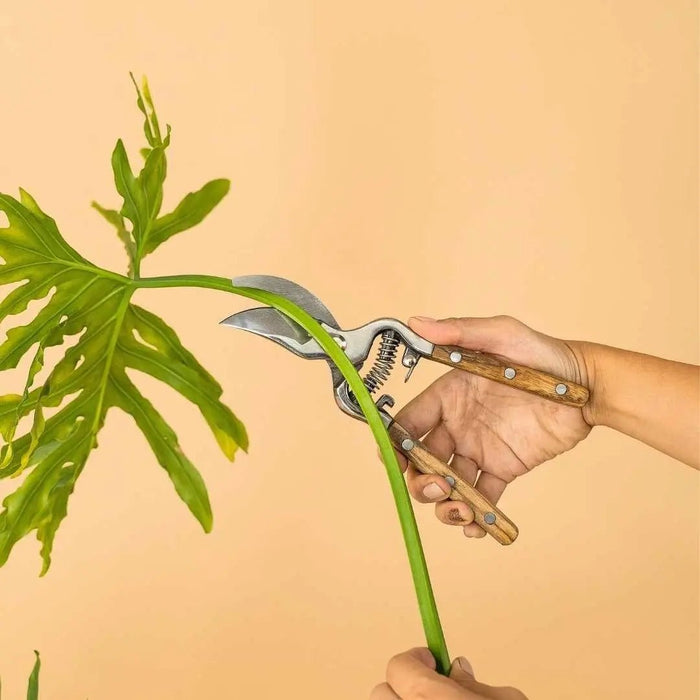
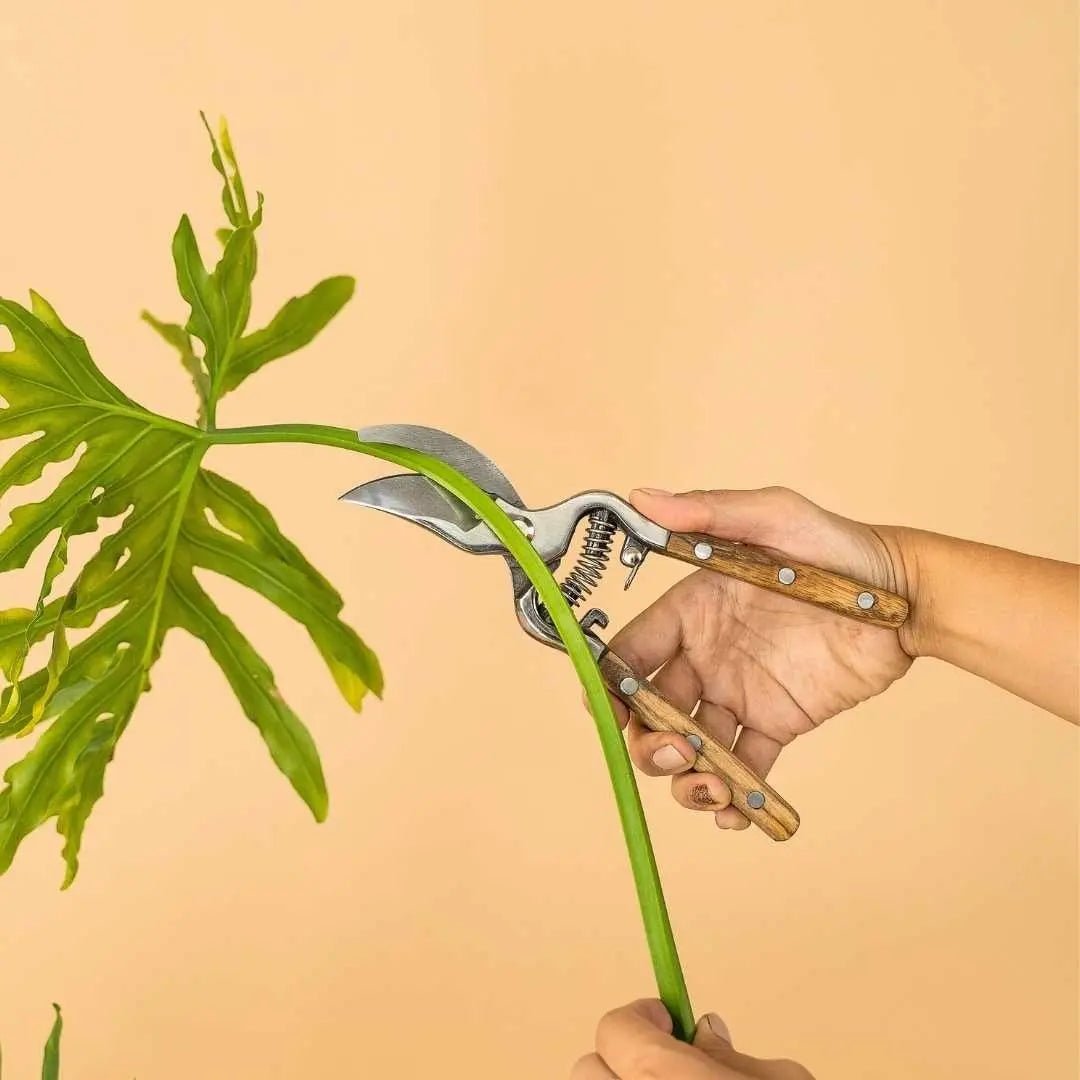
Juniper bonsai looks best when lightly maintained. Trim small overextended tips to preserve the silhouette, but avoid cutting aggressively into old bare wood. The goal is to guide the shape gradually, not remove too much foliage at once.
- Use clean, sharp scissors for small trims.
- Remove obviously dry or brown bits so the shape stays neat.
- Do heavier shaping only when the tree is actively growing and healthy.
- After pruning, keep light and watering steady instead of moving the plant repeatedly.
If you prefer a softer bonsai look, you can also compare related choices like Baby China Doll Bonsai or Bird Plum Bonsai, which give a miniature-tree feel with slightly different foliage styles.
Repotting and soil: do not rush it
Bonsai roots live in a shallow container, so soil structure matters. A healthy bonsai mix should drain well while holding enough moisture for the roots. Do not repot immediately after bringing the plant home unless there is a clear issue. Let it settle into your space first.
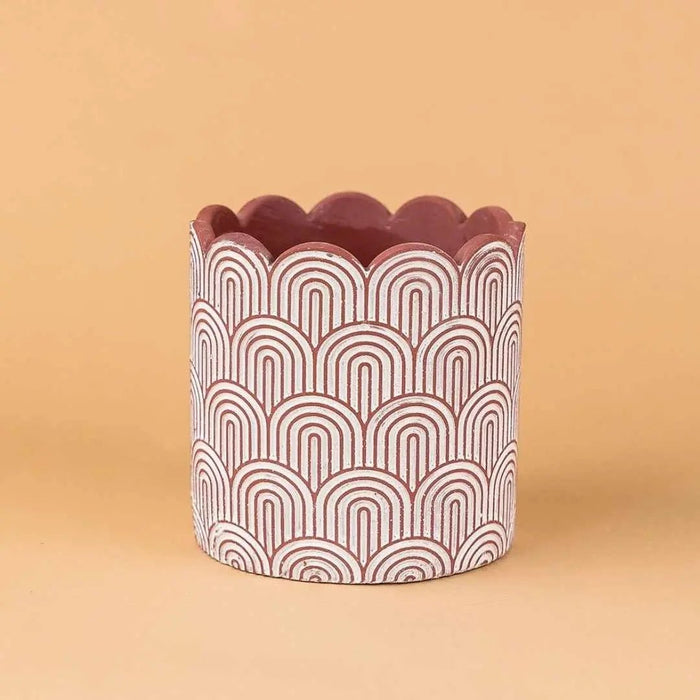
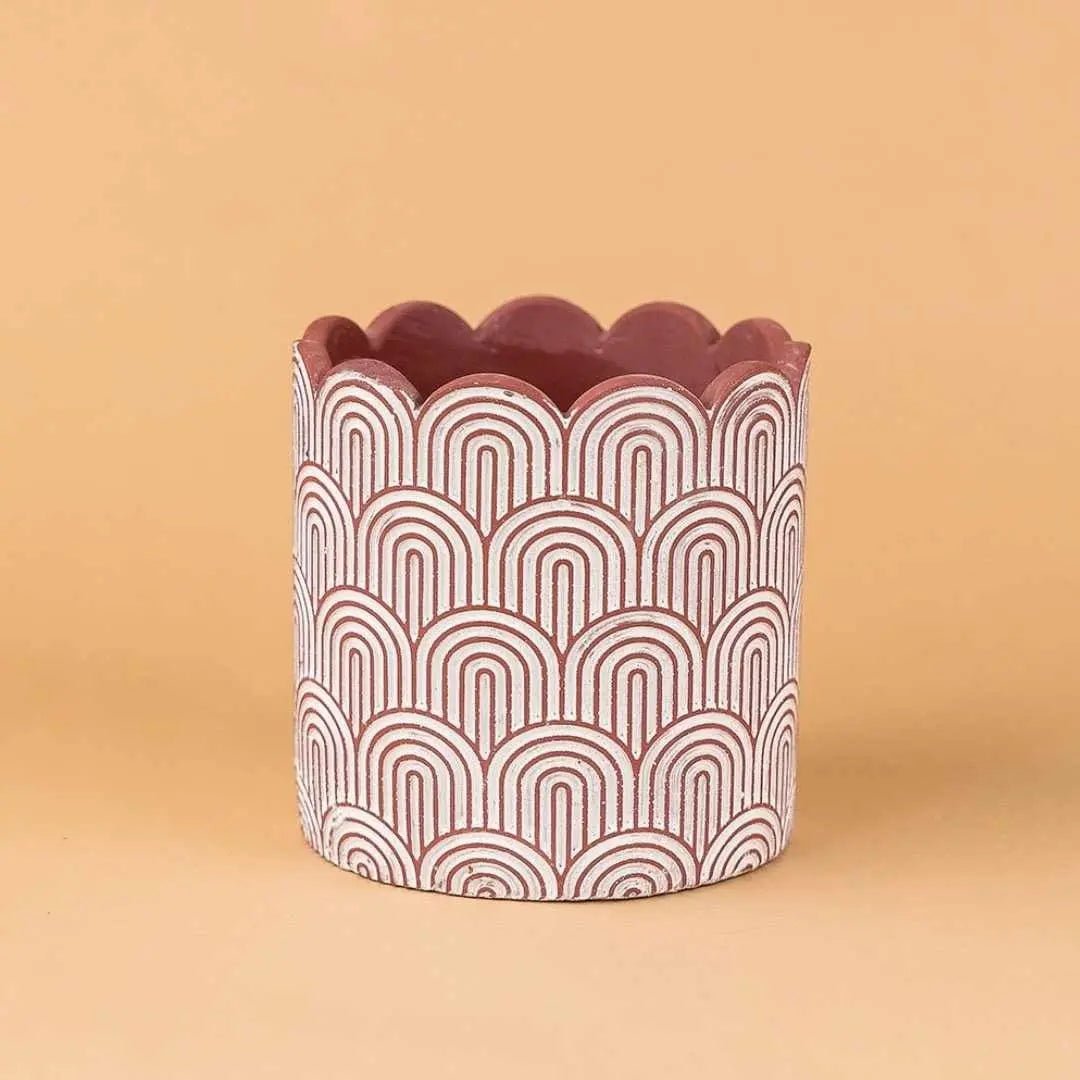
When repotting is eventually needed, choose a breathable pot with drainage and avoid heavy, compacted soil. You can browse suitable styling options in the planters collection and care essentials in plant care collection.
Common problems and quick fixes
Inner foliage turning brown
Some older inner foliage may naturally shed, but widespread browning often points to low light, poor airflow, or inconsistent watering. Move the bonsai brighter, improve ventilation, and check whether the soil is staying too wet or too dry.
Tips drying out
This can happen if the root ball dries too much between waterings, especially in a hot balcony position. Water more thoroughly and check moisture more often during very sunny weeks.
Foliage getting sparse
Sparse growth usually means the tree needs more light. A brighter window or balcony rotation is often the simplest fix.
Soil staying wet for days
Reduce watering frequency, check drainage, and move the plant to a brighter, airier spot. Bonsai should never sit in a water-filled saucer.
Simple weekly care routine
- Check light: make sure the bonsai is still in your brightest practical spot.
- Check moisture: water only when the top layer is slightly dry.
- Rotate the pot: turn it a quarter-turn so growth stays balanced.
- Inspect foliage: remove dry bits and look for signs of poor airflow.
- Trim lightly: tidy small stray tips when needed, but avoid heavy pruning when the plant is stressed.
FAQ: Juniper bonsai in Singapore
Can juniper bonsai live fully indoors?
It can be displayed indoors if the spot is very bright, but it generally does better with strong daylight and airflow. A bright balcony or window rotation is helpful in many Singapore homes.
How often should I water it?
There is no fixed number because light, airflow, pot size, and air-conditioning all change how quickly the soil dries. Check the soil and water when the top layer is slightly dry.
Does juniper bonsai need direct sun?
Gentle morning sun is useful. Harsh afternoon sun in a very exposed spot can dry a small pot quickly, so monitor moisture if your balcony gets strong heat.
Is juniper bonsai beginner-friendly?
It can be beginner-friendly for plant owners who have a bright space and are willing to check watering. If your home is low-light, choose a more shade-tolerant plant instead.
Final takeaway
Juniper bonsai care in Singapore comes down to three habits: give it brighter light than a typical low-light houseplant, water thoroughly only when the soil begins to dry, and keep it in an airy position. With those basics in place, a juniper bonsai can become a long-lasting sculptural feature for a calm, plant-filled home.