















Lucky Bamboo Care and Arrangement Guide for Singapore Homes
Posted on April 08 2026
In this article
Meta title: Lucky Bamboo Care & Arrangement Guide | Singapore

Meta description: How to grow lucky bamboo in Singapore — water care, stalk numbers and meanings, arrangement ideas, and feng shui tips for homes and offices.
Lucky bamboo is one of the most resilient and meaningful plants you can bring into a Singapore home or office. Elegant in a simple vase, eye-catching when arranged in a decorative container, and deeply rooted in Chinese cultural tradition — it is no surprise that lucky bamboo remains one of the most popular plant gifts and home accessories across the region. Here is a complete guide to caring for yours and making the most of it.
What Is Lucky Bamboo?
Despite the name, lucky bamboo is not actually bamboo. It is Dracaena sanderiana, a member of the asparagus family native to Central Africa. The name comes from its bamboo-like hollow stems and its association with good luck in Chinese culture, where it has been used in feng shui arrangements for centuries.
It grows beautifully in water or soil, requires minimal light, and can live for years with simple care. That combination of low maintenance and symbolic value makes it one of the best plants for Singapore apartments, offices, and commercial spaces.
How to Care for Lucky Bamboo

Growing in Water
Most lucky bamboo sold in Singapore is grown in water rather than soil — and this is perfectly healthy for the plant as long as you follow a few key rules.
Water care essentials:
- Use filtered or distilled water wherever possible. Singapore tap water is safe for drinking but contains fluoride and chloride, which can cause brown leaf tips over time. If using tap water, leave it in an open container overnight before adding it to your plant — this allows some of the chlorine to dissipate
- Keep the roots submerged but keep the stalks mostly above water — about 3–5 cm of water depth is ideal for most arrangements
- Change the water every 1–2 weeks to prevent algae build-up and bacterial growth
- Rinse the stones or pebbles at the bottom of the container when you change the water
- Never let the water level drop to expose the roots
Growing in Soil
Lucky bamboo can also be grown in well-draining potting soil, which some growers find results in stronger, faster growth.
- Use a standard potting mix with good drainage
- Water when the top centimetre of soil feels dry
- Ensure the pot has drainage holes
- Fertilise monthly with a diluted liquid fertiliser
Light
Lucky bamboo prefers bright, indirect light. Direct sunlight will scorch the leaves and cause yellowing. In Singapore, keep it away from south-facing windows that receive intense midday sun. A spot near an east or north-facing window, or set back from a bright window, is ideal.
It can tolerate lower light conditions, making it suitable for office environments with fluorescent lighting — though growth will be slower and the colour slightly less vibrant.
Temperature and Humidity
Lucky bamboo is perfectly suited to Singapore's climate. It thrives in warmth and humidity. Avoid placing it near air-conditioning vents, which produce cold, dry air that can stress the plant and cause leaf tips to brown.
Fertilising
Lucky bamboo growing in water needs occasional feeding to replace the nutrients it cannot draw from soil.
- Add a few drops of diluted liquid fertiliser to the water every 4–6 weeks
- Use very diluted concentrations — lucky bamboo is sensitive to over-fertilising
- Yellow leaves after fertilising may indicate you have applied too much — flush with fresh water immediately
Lucky Bamboo Stalk Numbers and Their Meanings
One of the most distinctive things about lucky bamboo is the significance attached to the number of stalks in an arrangement. In Chinese tradition, different numbers carry different meanings — and choosing the right number for a gift or for your own home matters.
| Number of Stalks | Meaning |
|---|---|
| 1 | Simplicity, meaningful life, good fortune |
| 2 | Love and partnership — a popular wedding or couple gift |
| 3 | Happiness, longevity, and wealth — one of the most popular arrangements |
| 4 | Avoid — four sounds like "death" in Mandarin and is considered very bad luck |
| 5 | Balance of the five elements, creativity, and health |
| 6 | Good luck, prosperity, and smooth progress |
| 7 | Good health and wellbeing |
| 8 | Prosperity and abundance — eight is the luckiest number in Chinese culture |
| 9 | Great fortune and overall good luck |
| 10 | Perfection and completion |
| 21 | Powerful all-around blessing |
Gift-giving tip: For business openings and housewarmings in Singapore, arrangements of 3, 8, or 9 stalks are most commonly given. Avoid 4 stalks entirely — even unintentionally gifting this number can cause offence.
Lucky Bamboo Arrangement Ideas
Classic Tower Arrangement
Stalks of graduated heights arranged in a circular pattern, often held together with a decorative ribbon or wire wrap. Works beautifully in a tall, narrow vase with coloured stones.
Braided or Spiral Stalks
Nurseries and florists shape individual stalks into spirals or braids while the plant is young and flexible. Spiral bamboo is particularly popular as a desk accent — each stalk is individually curved, creating a sculptural effect.
Layered Tray Arrangement
A wide, shallow tray filled with decorative pebbles or river stones, with multiple stalks arranged in groups. This works well as a centrepiece on a dining table or reception desk.
Bamboo in a Pot
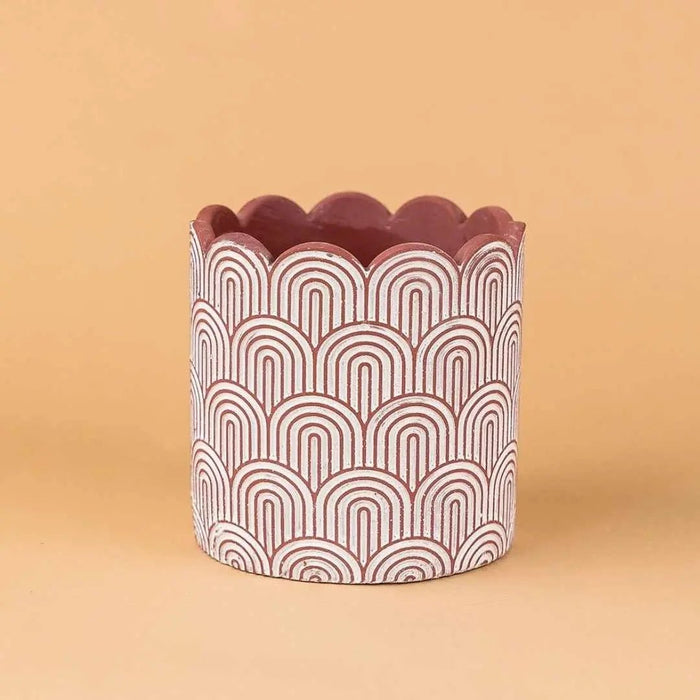
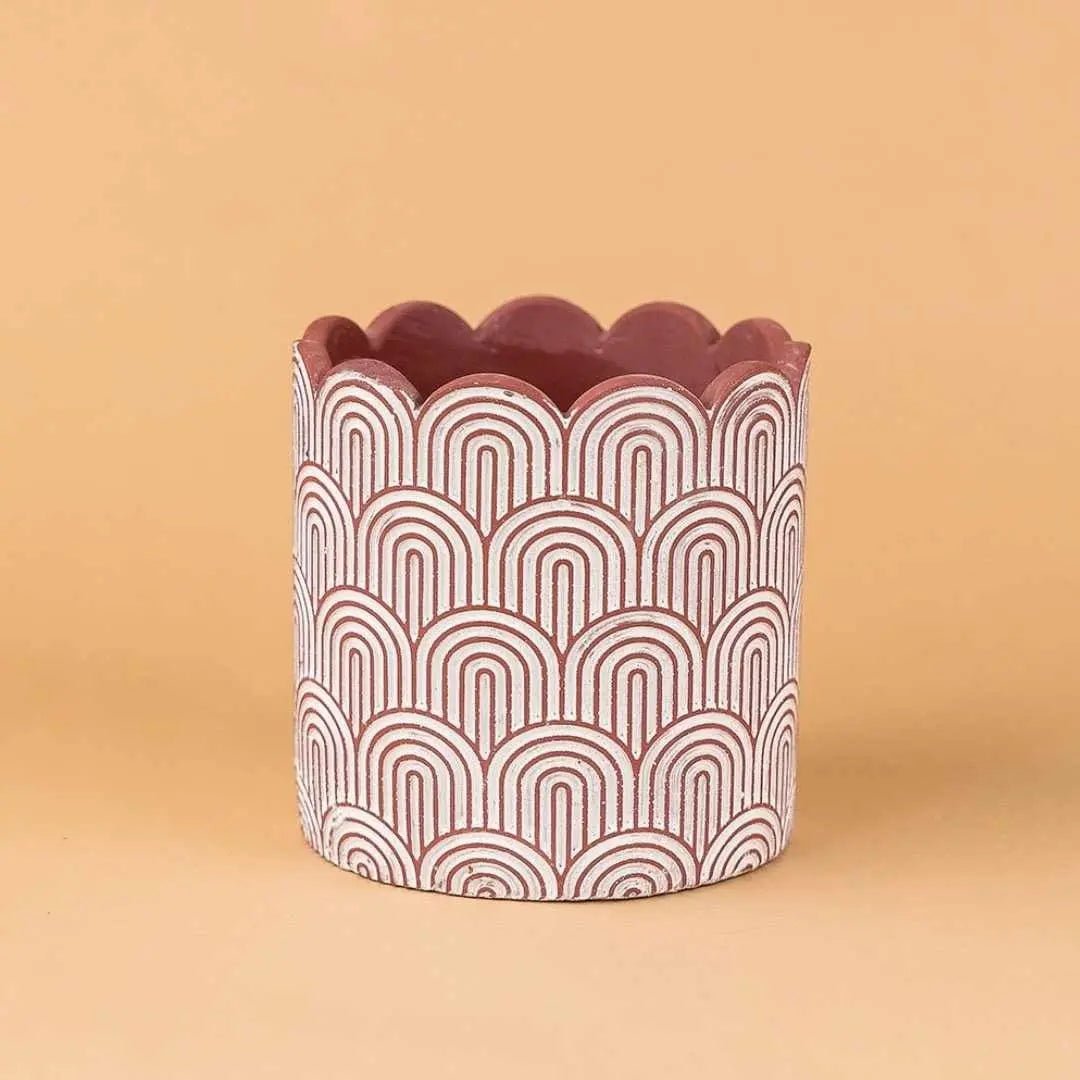
For a more substantial arrangement, lucky bamboo planted in a ceramic or terracotta pot with soil creates a fuller, more plant-like look — less of a water feature, more of a traditional houseplant.
Feng Shui Placement for Lucky Bamboo
Lucky bamboo is a wood element plant in feng shui, and its placement can be used to activate specific areas of your home or office.
- East area: Activates health and family harmony
- Southeast area: Activates wealth and abundance — pair with 8 stalks for maximum effect
- Near the entrance: Welcomes positive energy into the space
- On the desk: Supports career growth and concentration
Avoid placing lucky bamboo in the bedroom (too much active energy) or in the bathroom (draining energy is considered counterproductive to the luck it brings).
Common Lucky Bamboo Problems
Yellow stalks or leaves: Most commonly caused by fluoride in tap water, too much direct sun, or over-fertilising. Switch to filtered water, adjust placement, and reduce feeding.
Brown leaf tips: Low humidity or fluoride sensitivity. Try filtered water and keep away from AC vents.
Algae in the water: Caused by too much light reaching the water. Use an opaque or dark container, or cover the base of a clear container.
Mushy stalks: Root rot from standing water that was not changed regularly. Remove affected stalks immediately to protect the rest of the arrangement.
Stunted growth: Too little light or nutrients. Move to a brighter location and increase feeding slightly.
Lucky bamboo is a genuinely forgiving plant — small mistakes are easily corrected, and a healthy arrangement can last many years. Browse our lucky bamboo collection at [LINK: /collections/lucky-bamboo] or explore our full range of feng shui plants at [LINK: /collections/feng-shui-plants]. We also stock a curated selection of decorative vases and containers perfect for lucky bamboo arrangements at [LINK: /collections/pots-and-planters].
Shop Plants at Tumbleweed Plants
Browse our full collection of healthy, nursery-fresh plants with same-day delivery across Singapore.
Quick summary
Key Takeaways
- What Is Lucky Bamboo?
- How to Care for Lucky Bamboo
- Lucky Bamboo Stalk Numbers and Their Meanings
- Lucky Bamboo Arrangement Ideas
- Feng Shui Placement for Lucky Bamboo
- Common Lucky Bamboo Problems
Ready to bring some green into your home?
Browse 250+ hand-picked plants, curated for Singapore homes — delivered to your door.
Browse All Plants →