















Money Tree Plant Care and Feng Shui Guide
Posted on April 08 2026
In this article
Meta title: Money Tree Care & Feng Shui Guide | Singapore

Meta description: Everything about money tree plant care and feng shui — placement, watering, light, braiding, and why this plant is beloved in Singapore homes.
Few plants carry as much symbolism as the money tree. Walk into a Singapore home, office, or shopfront and you will often find one sitting near the entrance, leaves fanning outward, trunk braided into its distinctive spiral form. It is part good-luck charm, part living sculpture — and as it turns out, it is also one of the most forgiving plants you can own. Here is everything you need to know about caring for your money tree and placing it for maximum prosperity.
What Is a Money Tree?
The money tree (Pachira aquatica) is a tropical wetland tree native to Central and South America. Its common name comes from a Taiwanese legend: a poor man prayed for money, found this unusual plant, and grew rich selling its seeds. He called it the money tree, and the name stuck.
Today it is one of the most popular indoor plants across Southeast Asia, particularly in Singapore and throughout Chinese communities worldwide. The braided trunk — created by weaving together multiple young stems — is not a natural growth pattern but a cultivated one, achieved by nurseries that braid the stems while they are still flexible. The five-lobed leaves are said to represent the five elements of feng shui: wood, fire, earth, metal, and water.
Money Tree Care: The Basics
Light
Money trees do best in bright, indirect light. In Singapore, a spot near an east or west-facing window is ideal. They can tolerate lower light, but growth will slow and the leaves may become pale. Avoid prolonged direct midday sun, which can scorch the foliage.
One thing to watch in Singapore apartments: air-conditioning vents. Money trees dislike cold, dry air blowing directly on them. Keep your plant away from AC units while ensuring it gets adequate light.
Watering
This is where most people go wrong. The money tree's natural habitat is tropical wetland — but the small potted varieties we grow indoors are much more susceptible to root rot than their wild counterparts.
Follow this simple routine:
- Water thoroughly when the top 3–4 cm of soil is dry
- Allow all excess water to drain from the pot
- Empty the saucer after 30 minutes — never let the pot sit in water
- In Singapore's humidity, this typically means watering every 7–14 days indoors
If the leaves start to yellow and the soil is wet, you are overwatering. If leaves wilt and the soil is bone dry, it needs a drink. The plant will tell you.
Soil and Potting
Use a well-draining potting mix. You can improve drainage by mixing perlite into standard potting soil. Money trees prefer pots that are slightly snug — repot only when you see roots escaping from the drainage holes or growth slowing noticeably.
Humidity and Temperature
Singapore's natural humidity is actually perfect for money trees. They thrive in warm, humid conditions and do not need misting or humidifiers. Keep temperatures consistent — avoid cold draughts and temperature swings near windows or doors.
Fertilising
Feed your money tree once a month during the growing season using a balanced liquid fertiliser diluted to half strength. Reduce feeding to every 6–8 weeks during slower growth periods. Do not over-fertilise — it will not speed growth and can damage roots.
Pruning and Maintaining the Braided Trunk
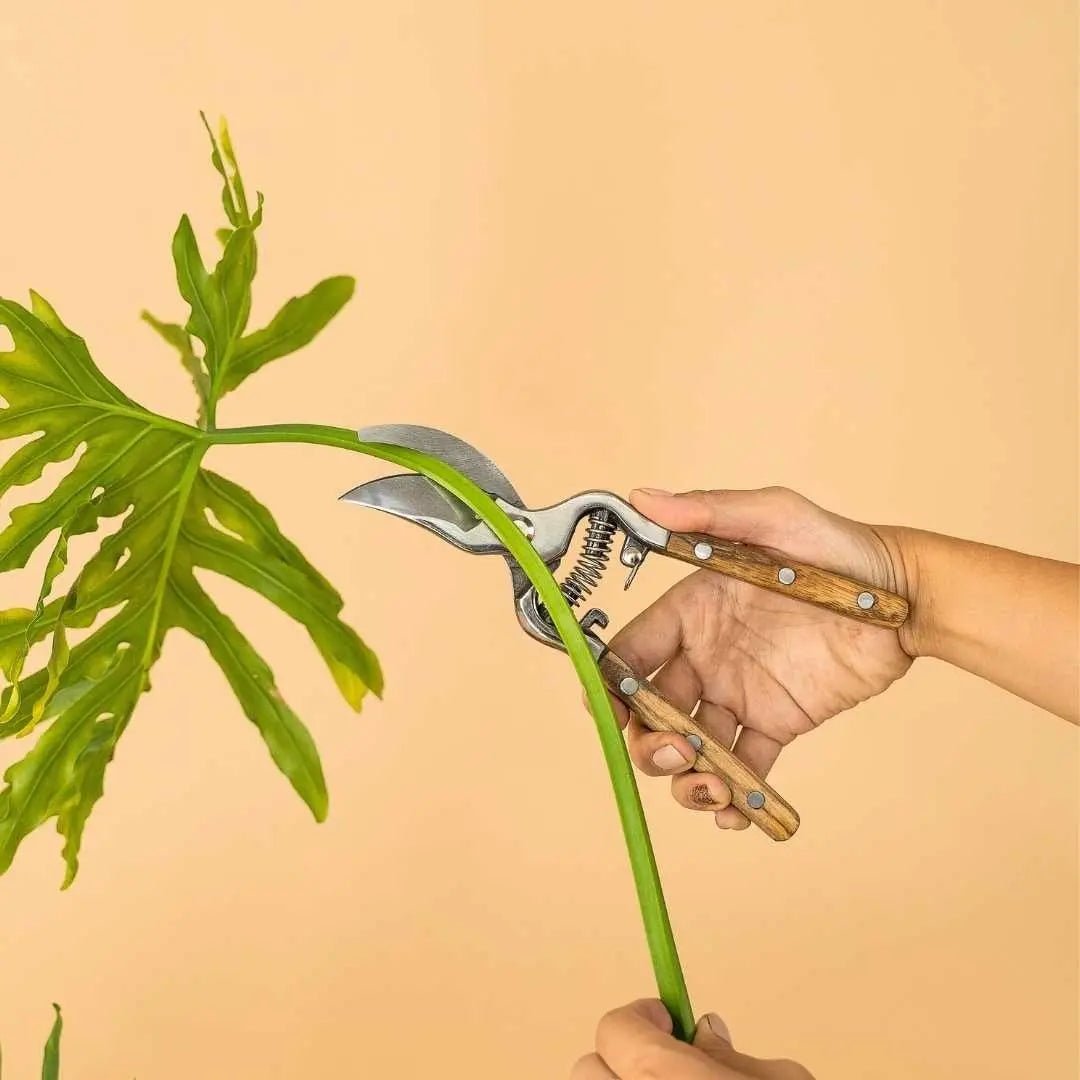
The braided trunk is a defining feature of the money tree and requires a little maintenance to keep looking its best.
- As the plant grows, new stems above the braid will emerge freely
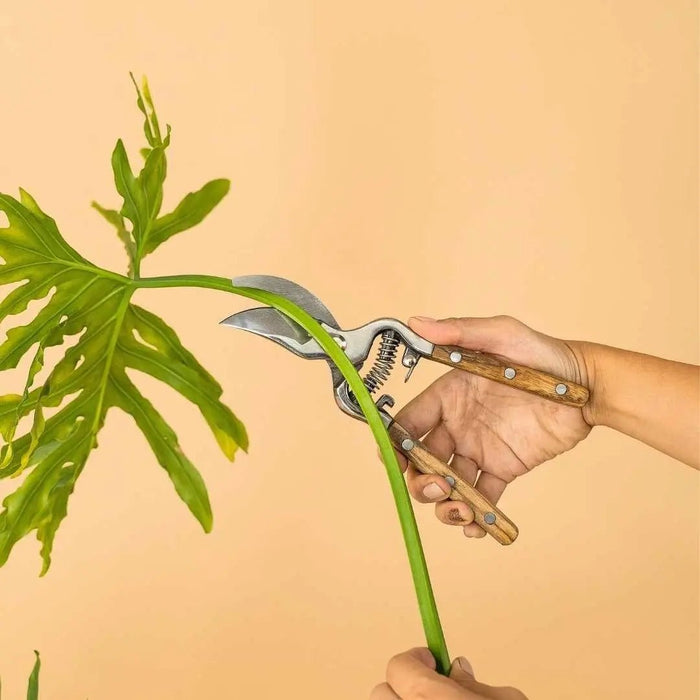
- You can trim these back to maintain a compact shape, or let them grow for a more natural look
- Remove any yellowing or dead leaves promptly
- If you want to continue braiding upward as the plant grows, loosely tie the new stems together — never bind them tightly as this can damage the bark
Money Tree Feng Shui: Placement and Meaning

In feng shui, the money tree is associated with the wood element and is said to attract positive energy (chi) and financial abundance. Its placement matters.
Best Placements
Wealth corner (southeast): The southeast area of your home or office is associated with wealth and abundance in feng shui. A money tree here is thought to activate financial luck.
Entrance and reception areas: Placing a money tree near the main entrance welcomes positive energy into the space. This is why you see them so often in shopfronts and office lobbies across Singapore.
Home office: A money tree on your desk or near your workspace is said to support career growth and financial success.
Placements to Avoid
- Bedroom: While there is no harm to the plant, some feng shui practitioners suggest the active energy of the money tree is better suited to living spaces than sleeping areas
- Bathroom: The draining energy is considered counterproductive to wealth accumulation
- Floor level: Raise the plant on a stand or shelf — ground-level placement is thought to reduce its energetic effect
The Number of Leaves
Money tree leaves grow in clusters, and clusters of five are considered especially auspicious, representing the five elements. If your plant frequently produces clusters of seven leaves, consider yourself very lucky — this is rare and considered a sign of exceptional good fortune.
Common Money Tree Problems
Yellow leaves: Overwatering or insufficient light. Check soil moisture first.
Wrinkled leaves: Underwatering or very low humidity. Water thoroughly and check placement.
Leaf drop: Sudden environmental change, cold draught, or transplant shock. Give the plant time to adjust.
Pale, washed-out leaves: Too much direct sun. Move to a spot with bright but filtered light.
Gift-Giving with Money Trees

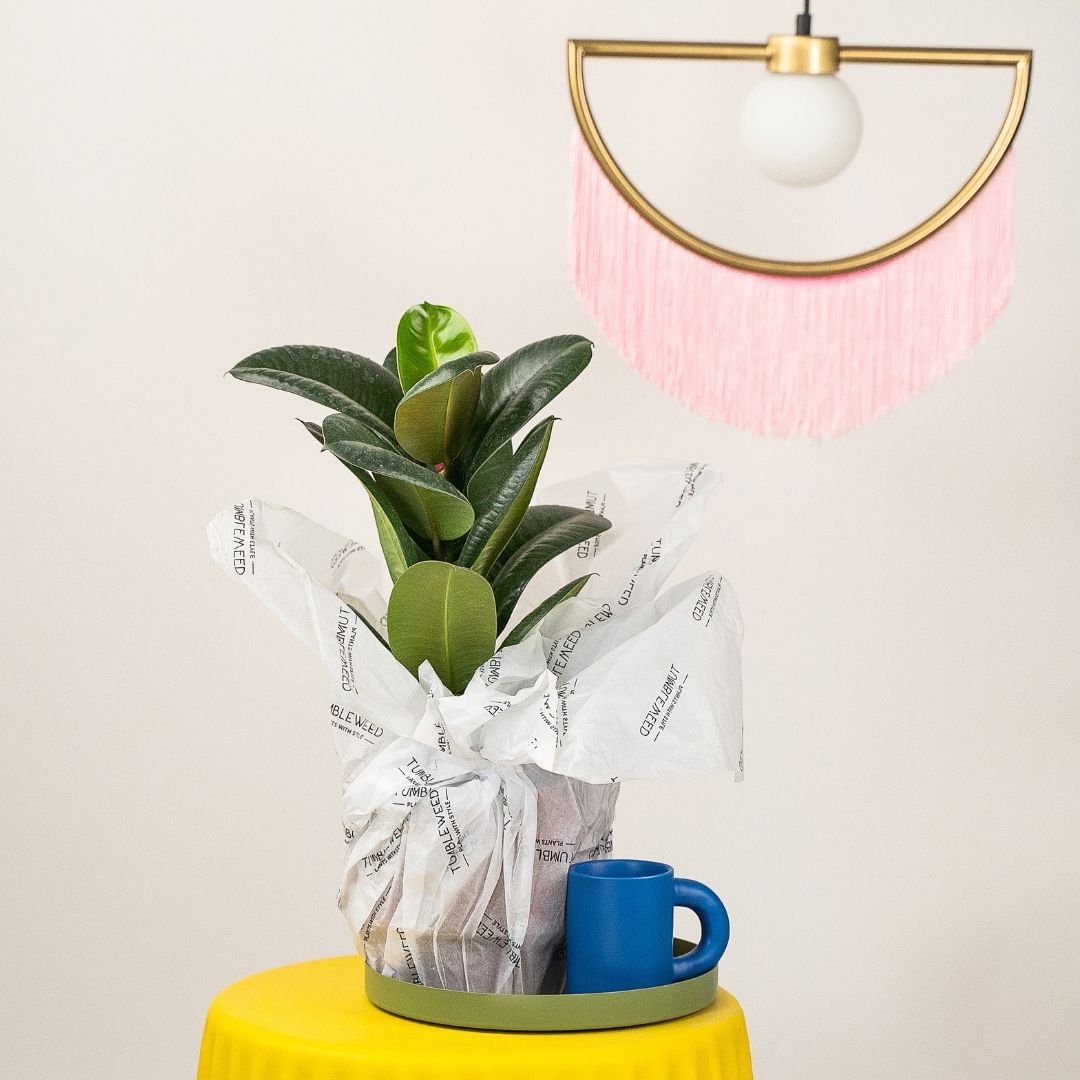
In Singapore, money trees are among the most popular plant gifts for business openings, Chinese New Year, and housewarmings. They are visually impressive, easy to care for, and carry meaning that resonates with many cultures.
Browse our range of money tree plants at [LINK: /collections/money-trees] or explore our full gift plant collection at [LINK: /collections/gift-plants].
With the right care and a thoughtful placement, a money tree is more than decoration — it is a living symbol of growth, prosperity, and good things to come.
Shop Plants at Tumbleweed Plants
Browse our full collection of healthy, nursery-fresh plants with same-day delivery across Singapore.
Quick summary
Key Takeaways
- What Is a Money Tree?
- Money Tree Care: The Basics
- Pruning and Maintaining the Braided Trunk
- Money Tree Feng Shui: Placement and Meaning
- Common Money Tree Problems
- Gift-Giving with Money Trees
Ready to bring some green into your home?
Browse 250+ hand-picked plants, curated for Singapore homes — delivered to your door.
Browse All Plants →