





















Pandan Plant Care in Singapore: How to Grow Fragrant Leaves at Home
Posted on July 16 2026
If you grew up around pandan in Singapore, the scent is instantly familiar: soft, grassy and slightly sweet. A pandan plant is also one of the most rewarding edible plants to keep at home because it looks lush, grows in a compact clump, and can be harvested leaf by leaf once it settles in.
The main thing to remember is that pandan is not a dark-corner houseplant. It is happiest with bright light, consistent moisture and good airflow — conditions that are easy to create on many Singapore balconies, service yards and bright window ledges. Here is how to keep it green, fragrant and useful without overcomplicating the routine.
Quick care summary
| Best for | Bright balconies, sunny windows, kitchen-adjacent plant corners and edible plant collections |
| Light | Bright indirect light to gentle morning sun |
| Water | Keep lightly moist; water when the top layer begins to dry |
| Difficulty | Beginner-friendly if it gets enough light and regular watering |
| Singapore note | Humidity helps, but stagnant wet soil can still cause root problems |
Where to place a pandan plant in a Singapore home
Pandan grows best where it can “see” plenty of sky. A bright balcony, a service yard with strong daylight, or a window that receives morning sun is usually ideal. If you keep it indoors, place it as close to the light source as possible instead of tucking it deep into the room.
Leaves that become pale, floppy or very stretched are often asking for more light. On the other hand, harsh afternoon sun through glass can scorch tender leaves, especially if the plant has just arrived from a nursery. If you are moving it to a brighter balcony, transition it over several days.
For browsing other bright-position plants, the Bright Light Plants collection is a useful starting point.
How often should you water pandan?
Pandan likes steady moisture more than long dry spells. In Singapore’s warm weather, check the top few centimetres of the potting mix every few days. Water when the surface starts to feel dry but the pot still has a little weight to it. Soak thoroughly until water drains out, then let the pot drain fully.
A common mistake is treating pandan like a water plant in a sealed decorative pot. It enjoys moisture, but the roots still need oxygen. If water sits at the bottom of a cover pot, the plant may yellow from the base or develop soft, declining stems. Always empty excess water after watering.
Soil and pot choice
Choose a pot with drainage holes and a mix that holds some moisture while still draining cleanly. A standard indoor plant mix works well if it does not stay soggy. If your pandan dries out too quickly on a windy balcony, sizing up slightly or using a moisture-retentive mix can help.
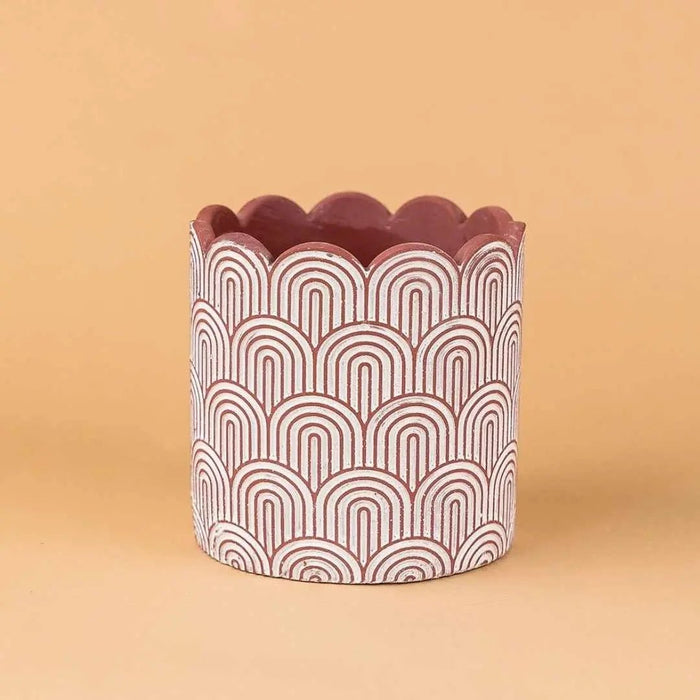
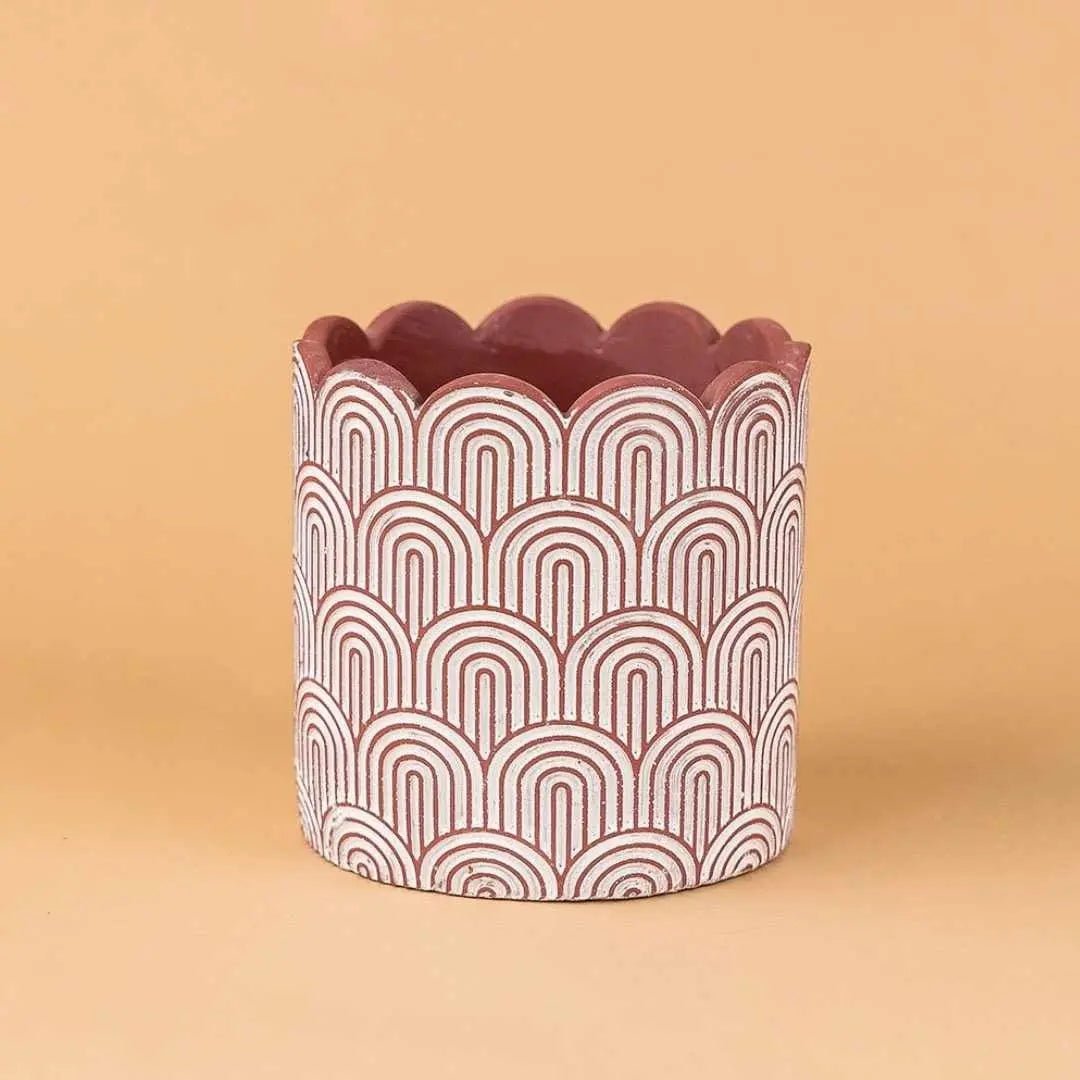
Planters matter too: a very small pot dries quickly, while an oversized pot can stay wet for too long. If you are refreshing the look of your edible plant corner, explore planters that suit your light conditions and watering habits.
How to harvest pandan leaves without weakening the plant
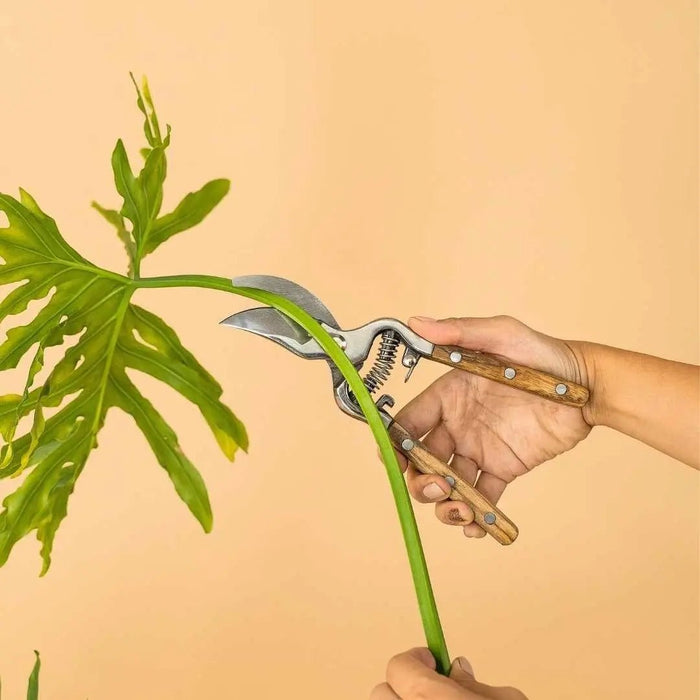
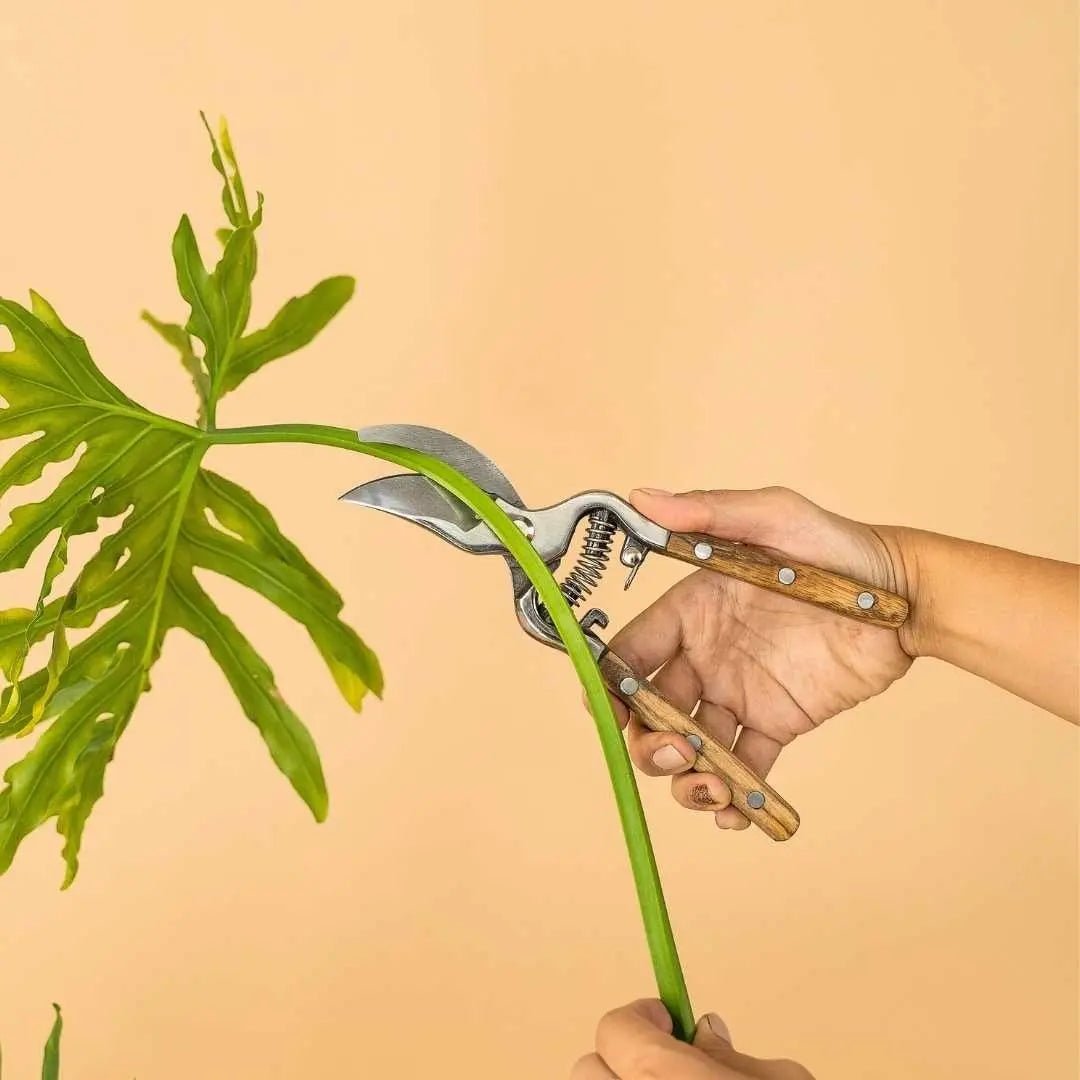
Once your pandan is actively growing, harvest mature outer leaves first. Use clean scissors and cut near the base rather than tearing. Avoid stripping the plant bare; leaving plenty of foliage allows it to keep photosynthesising and producing new growth.
If the plant is newly purchased, give it a short settling-in period before heavy harvesting. A few leaves for cooking are usually fine, but regular harvesting is best once you see fresh new leaves emerging. For most homes, a light “take what you need” approach keeps the plant attractive and productive.
Why are the leaf tips turning brown?
Brown tips can come from several everyday issues: drying out too much between waterings, strong hot sun, low airflow, old leaves naturally ageing, or mineral buildup from repeated light watering. Trim brown tips if they bother you, but use them as clues. Check whether the plant is drying too quickly, sitting in water, or placed in a hot exposed spot.
Yellowing lower leaves can be normal if only one or two old leaves are affected. If many leaves yellow at once, inspect the roots and watering routine. Soggy soil, no drainage, or a dark location are usually the first things to correct.
Can pandan grow indoors?
Yes, but only in a bright indoor spot. A pandan plant on a dim dining table may look good for a while, then slowly thin out. If your home does not get much daylight, a balcony, corridor-facing bright window, or grow-light-supported plant shelf will usually perform better.
If you prefer lower-light foliage, browse the broader Plants collection and choose species that match your actual room conditions. Matching the plant to the light is the easiest way to reduce plant-care stress.
Good companion plants for an edible corner
Pandan pairs nicely with other useful small plants if you have a bright spot. Assorted mint enjoys regular watering and bright light, while a chili plant suits brighter balcony conditions. Keep each plant in its own pot so you can adjust watering individually.
For care supplies such as watering tools, pest-care products and plant accessories, see Plant Care & Accessories.
FAQs
Does pandan need direct sun?
It does not need harsh all-day sun, but it does need bright light. Gentle morning sun or very bright indirect light is a good target for Singapore homes.
How do I make pandan leaves more fragrant?
Healthy growth, bright light and mature leaves help. Fragrance also varies naturally by plant and leaf age, so focus on consistent care rather than adding fertiliser aggressively.
Can I keep pandan in water only?
Pandan is best treated as a potted plant with drainage. It likes moisture, but long-term stagnant water around the roots can cause decline.
Is pandan beginner-friendly?
Yes, if you can provide a bright spot and remember regular watering. It is less suitable for dark rooms or sealed decorative pots with no drainage.
The takeaway
A pandan plant is a lovely choice for Singapore homes that want something practical, fragrant and green. Give it brightness, even moisture, drainage and a little patience after bringing it home. Once it starts pushing out new leaves, you can harvest lightly and enjoy a living kitchen staple right at home.