















Pilea Peperomioides Care Guide for Singapore | Tumbleweed Plants Singapore
Posted on April 10 2026
In this article

The Pilea peperomioides — the Chinese Money Plant, Pancake Plant, or UFO Plant — is one of the most recognisable houseplants in the world. Its perfectly round, flat leaves on thin stems look like tiny green lily pads floating on sticks. It is quirky, photogenic, and endlessly charming — the kind of plant that makes people stop and ask, "What is that?"
The Pilea's story is as unusual as its appearance. A Norwegian missionary brought it from China's Yunnan province in the 1940s, and it spread across Scandinavia through cuttings shared between friends — decades before it entered commercial cultivation. This history of sharing is baked into the plant's identity: Pilea produces abundant baby plants (pups) that practically beg to be given away.
In Singapore, Pilea can be challenging — it prefers cooler temperatures than our tropical norm and is less forgiving than plants like Pothos or Snake Plant. But with the right conditions, it thrives and rewards you with its unmistakable charm.
Light
Light is critical for maintaining the Pilea's compact, attractive form.
Bright indirect light — The ideal. The Pilea produces the roundest, flattest leaves and shortest stems in bright, filtered light. Near a window with sheer curtains is perfect.
Medium light — Acceptable. Growth slows and stems may elongate slightly. The plant leans toward the light source more aggressively.
Low light — Not recommended. Stems become leggy, leaves become smaller and more spaced, and the characteristic compact form is lost.
Direct sun — Tolerated briefly (gentle morning sun), but extended direct afternoon sun scorches the thin leaves, causing brown patches.
Rotation is essential. Pilea grows toward light aggressively. Rotate the pot 90 degrees every week for even, symmetrical growth. Without rotation, the plant becomes lopsided within weeks.
Watering

Pilea prefers to dry between waterings — it is more drought-tolerant than it looks.
Schedule in Singapore:
- Water when the top 2-3cm of soil is dry
- Every 5-7 days in naturally ventilated rooms
- Every 7-10 days in air-conditioned rooms
Technique:
- Water thoroughly until it drains from the bottom
- Empty saucers promptly — Pilea dislikes wet feet
- Allow the top soil to dry before watering again
Overwatering signs: Yellowing lower leaves, soft stems, mushy base, root rot.
Underwatering signs: Drooping leaves, leaves curling downward, crispy edges.
The droop signal: Pilea droops its leaves when thirsty — they flatten horizontally or angle downward. This is an obvious visual cue. Water thoroughly and the leaves perk up within hours.
Soil
Fast-draining is essential:
- 50% potting mix
- 30% perlite
- 20% coarse sand or orchid bark
Pilea roots are relatively small and delicate — they rot quickly in dense, waterlogged soil. Excellent drainage is non-negotiable.
Humidity

Singapore's challenge: Pilea is a mountain plant from China's Yunnan highlands — it prefers moderate humidity (40-60%), not Singapore's ambient 70-80%. In practice, most Pilea grown indoors in Singapore handle our humidity fine, especially in AC rooms where humidity is naturally lower.
If problems arise: Ensure good air circulation. A small fan or naturally ventilated room prevents fungal issues that can occur in very high humidity.
Temperature
Singapore's other challenge: Pilea prefers temperatures of 16-24°C — cooler than Singapore's typical 26-32°C. It grows in our tropical warmth but may not thrive as vigorously as in cooler climates.
Best strategy: Place Pilea in an air-conditioned room (22-25°C is ideal). AC rooms provide the cooler, drier conditions that Pilea prefers — one of the few plants that actually benefits from Singapore's AC culture.
Fertilising

- Balanced liquid fertiliser at half strength every 4-6 weeks during active growth
- Reduce to every 8 weeks during slower periods
- Light feeder — do not over-fertilise
- Flush soil with plain water every 2-3 months to prevent salt buildup
Propagation
Pilea propagation is effortless — the plant does most of the work.
Pups (Baby Plants)
Pilea produces baby plants (pups) from the base and from underground runners:
- Wait until the pup is 5-8cm tall with its own roots
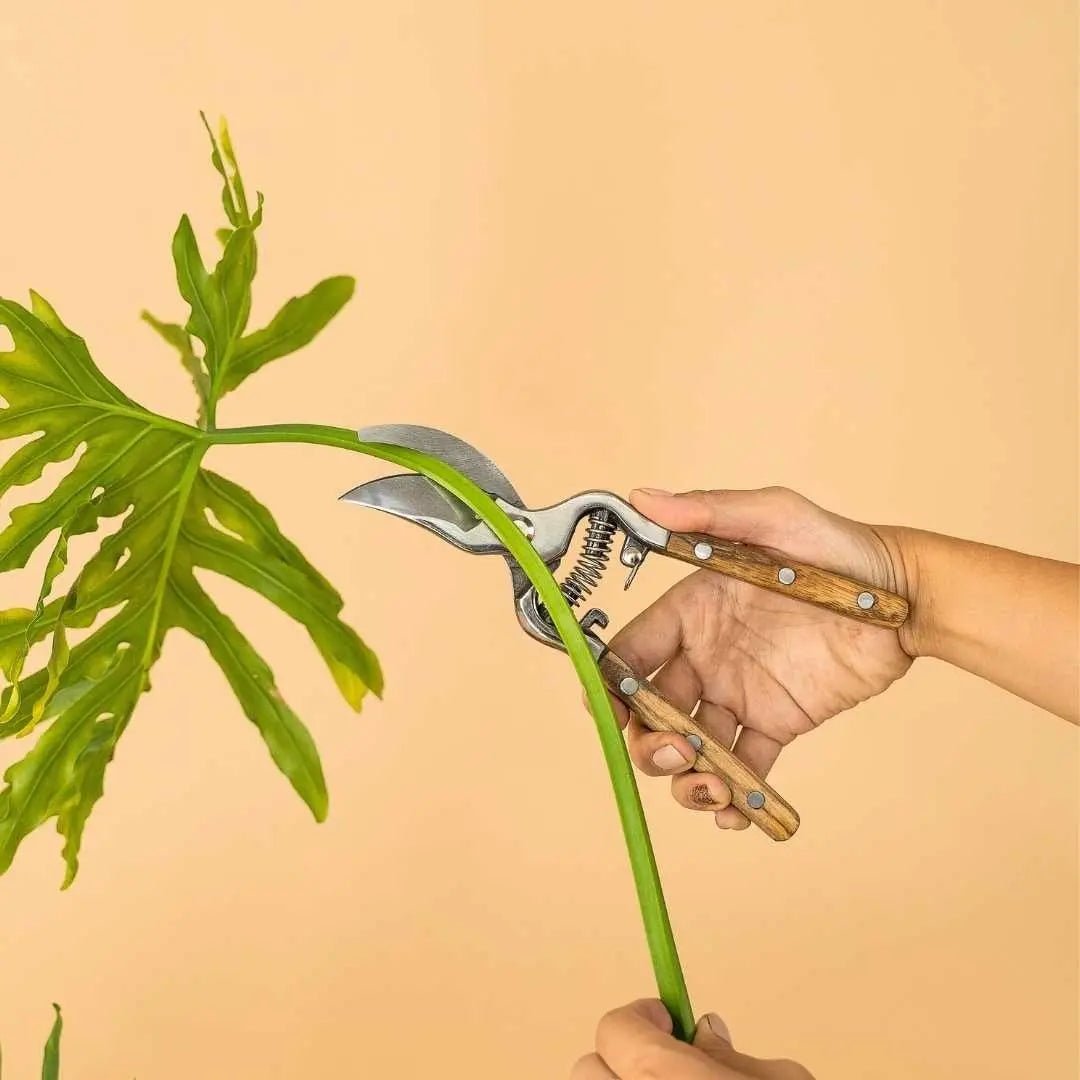
- Gently separate the pup from the mother plant using a clean knife, cutting any connecting runner
- Pot the pup in a small pot with well-draining soil
- Keep moist and in bright indirect light for 2 weeks while it establishes
Stem Cutting
- Cut a stem with a few leaves
- Place in water or moist soil
- Roots develop in 2-4 weeks
- Transfer to soil once established
Sharing tradition: The Pilea's prodigious pup production means you quickly have more plants than you need. Share them — this plant has a long tradition of being passed between friends.
Common Problems
Leggy Growth
Cause: Insufficient light. Stems elongate between leaves, creating a stretched, sparse appearance.
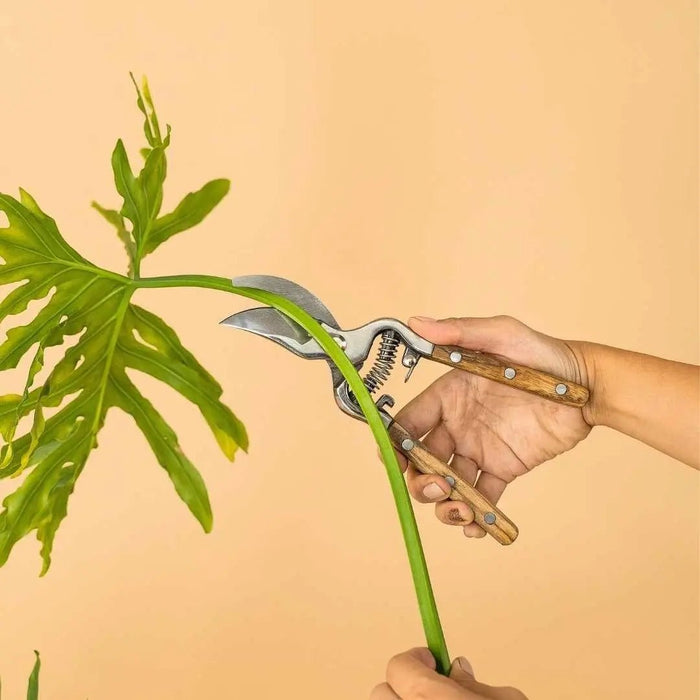
Fix: Move to brighter indirect light. Prune leggy stems to encourage bushier growth. Rotate weekly for even development.
Curling Leaves
Leaves curling inward (dome-shaped): Too much direct sun or heat stress. Move to a shadier position.
Leaves curling outward (cupping downward): Overwatering. Let soil dry before watering again.
Yellow Leaves
Lower leaves: Normal ageing — Pilea drops its oldest leaves naturally.
Multiple leaves: Overwatering (check roots), nutrient deficiency (resume fertilising), or root-bound stress (repot if roots are circling).
Drooping Leaves
Almost always underwatering. Water thoroughly and observe — leaves should recover within hours.
Brown Spots
Cause: Sunburn (direct sun), over-fertilising, or water quality issues.
Fix: Move away from direct sun. Flush soil. Use filtered or rested tap water.
Pests
Pilea is relatively pest-resistant but can attract:
- Fungus gnats — common in moist soil. Let soil dry between waterings. Use yellow sticky traps.
- Spider mites — in dry conditions. Increase humidity, wash leaves.
Styling
Pilea's distinctive round leaves suit modern, Scandinavian, and minimalist interiors:
- Desk plant — A single Pilea in a simple pot is the perfect desk companion
- Shelf display — Among books and small objects on a floating shelf
- Windowsill feature — Near bright light where it grows best
- Grouped with pups — The mother plant surrounded by her babies in matching small pots
- Minimalist single — One Pilea in a clean ceramic pot against a white wall
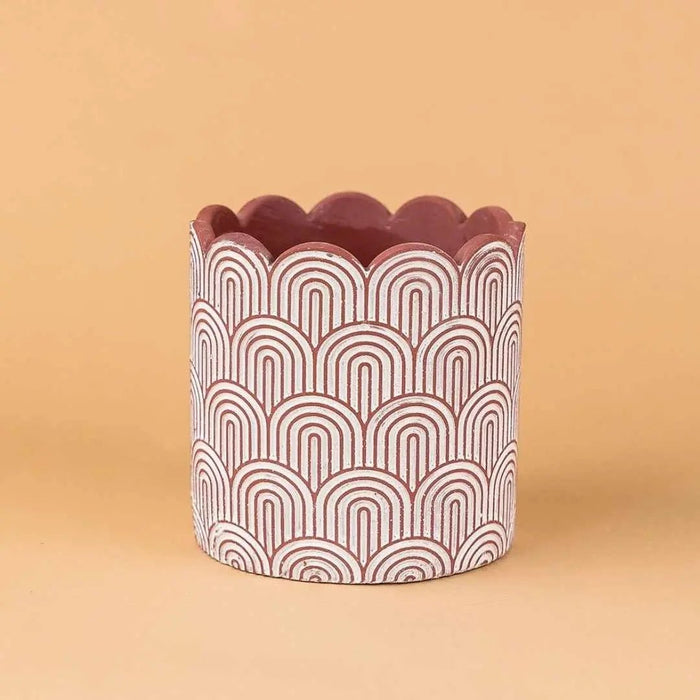
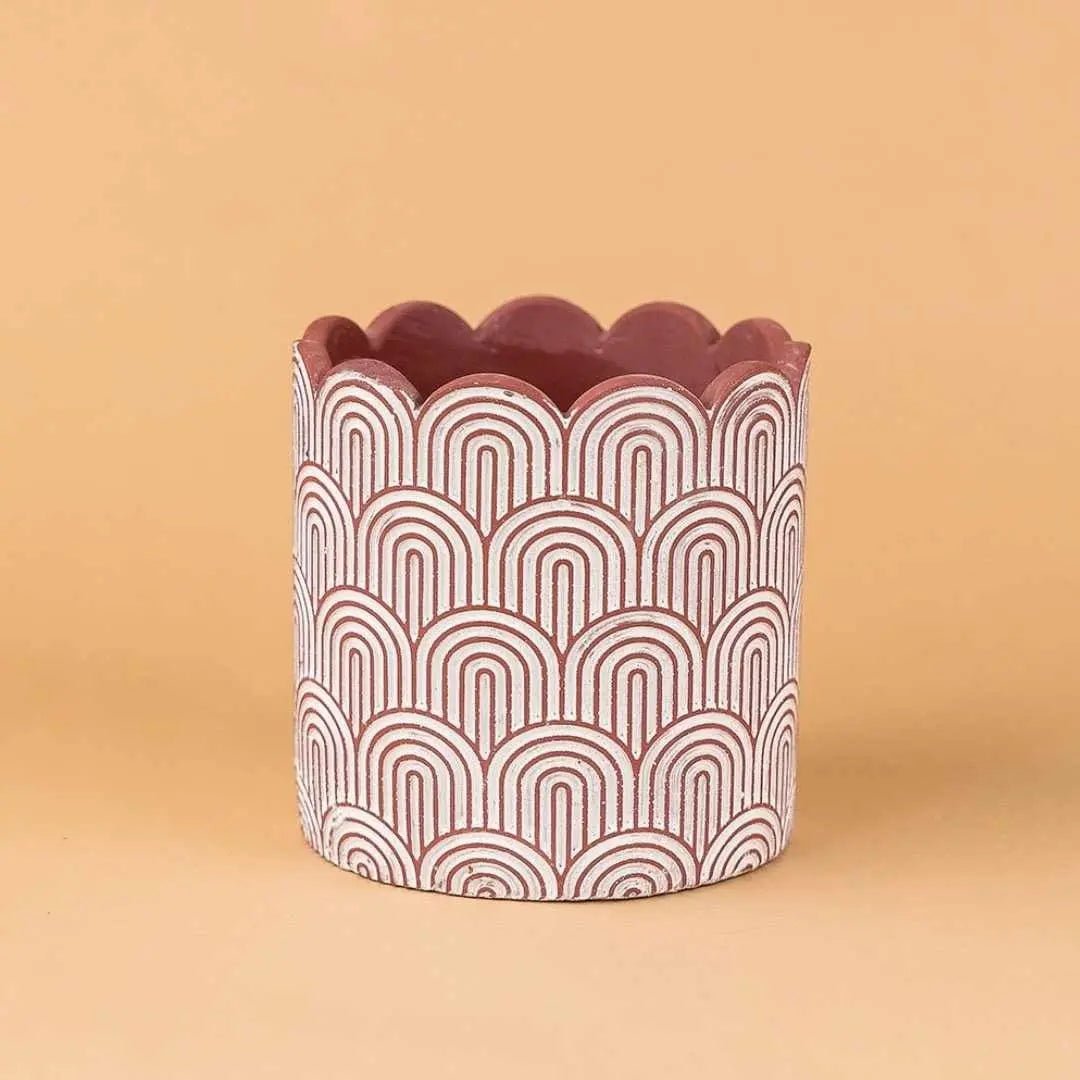
Pot choice: White, light grey, or terracotta in simple shapes. The pot should be small — Pilea prefers being slightly root-bound and looks disproportionate in oversized pots.
Is Pilea Toxic?
No. Pilea peperomioides is non-toxic to cats, dogs, and children. One of the safest houseplants for homes with pets.
Shop Pilea
Browse our indoor plant collection for Pilea and other desk-friendly plants delivered across Singapore.
The Pilea is the plant that makes you smile. Its round leaves, its quirky silhouette, its generous production of babies to share — it has a personality that few plants match. In Singapore, give it bright light, an AC room, and well-draining soil, and it will thrive. And when the first pup appears at the base, you will understand why this plant has been passed from friend to friend for nearly a century.
Quick summary
Key Takeaways
- Light
- Watering
- Soil
- Humidity
- Temperature
- Fertilising
Ready to bring some green into your home?
Browse 250+ hand-picked plants, curated for Singapore homes — delivered to your door.
Browse All Plants →