















Podocarpus Macrophyllus Care in Singapore: How to Grow a Calm Buddhist Pine Indoors
Posted on July 07 2026
Podocarpus macrophyllus, often called Buddhist Pine, is a calm, sculptural plant for Singapore homes that prefer a quieter, bonsai-inspired look. Its upright habit, fine green leaves and woody stems make it feel more like a miniature tree than a typical leafy houseplant.
At Tumbleweed, you may see it as a compact Podocarpus macrophyllus plant or styled as a Podocarpus Mini Arrangement. Both can work beautifully indoors when you give them the right balance of light, airflow and careful watering.
Why Podocarpus works well in Singapore homes
Singapore’s warm weather suits many tropical and subtropical plants, but indoor growing still has its own challenges: air-conditioning, shaded windows, sudden hot afternoon sun and consistently humid air. Podocarpus handles indoor life best when it is treated as a bright-light, slow-and-steady plant rather than a low-light corner filler.
- Look: neat, tree-like and architectural, especially for Japandi, minimalist or calm home styling.
- Growth pace: generally slow to moderate indoors, so it does not outgrow a desk, shelf or sideboard too quickly.
- Care level: approachable if you can provide bright indirect light and avoid constantly wet soil.
- Best spaces: bright living rooms, balcony-adjacent corners, home offices and sheltered entryways.
Light: bright, indirect light is the sweet spot
Place Podocarpus near a bright window where it receives plenty of filtered daylight. East-facing light, bright north/south-facing rooms, or a position set back from a very sunny west-facing window can work well.
Avoid harsh direct afternoon sun through glass, which can dry the plant too quickly or scorch tender new growth. On the other hand, avoid deep shade: if the plant sits far from any natural light, growth may become sparse and the lower leaves may yellow over time.
Watering in Singapore’s humidity
The most common mistake is watering on a fixed schedule without checking the soil. In Singapore, the top of the potting mix may feel dry while the lower portion is still moist, especially in decorative pots with limited airflow.
Use this simple routine:
- Check the top 2–3cm of soil with your finger.
- Water only when that top layer has started to dry.
- Water evenly until excess drains out from the bottom.
- Empty any saucer or cover pot so the roots are not sitting in water.
In a warm, bright spot, this may be around once or twice a week. In an air-conditioned or lower-light room, it may be less often. Let the plant and potting mix guide you.
Humidity and airflow
Podocarpus appreciates Singapore’s natural humidity, but humidity without airflow can invite fungal issues. Keep it away from tightly enclosed corners and give the foliage room to breathe. If it sits in an air-conditioned office, avoid placing it directly under a cold air vent, as repeated drying can stress the leaves.
Pruning and shaping
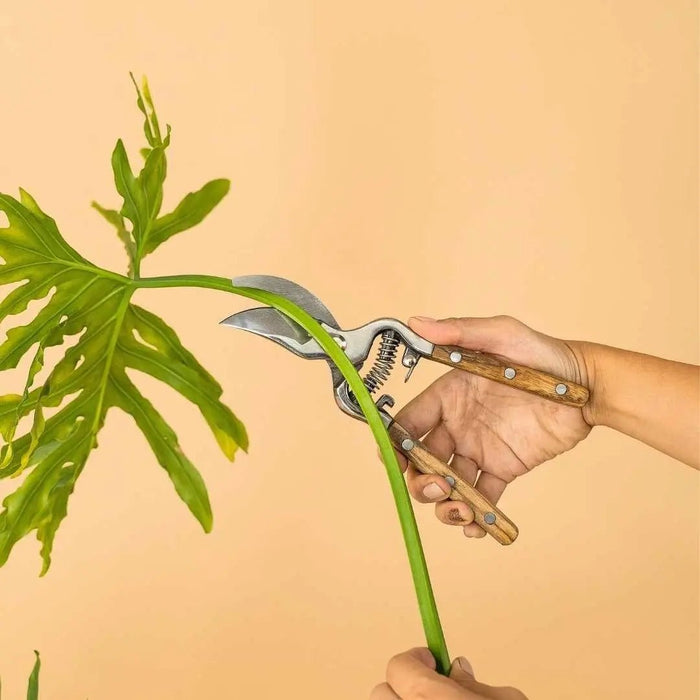
One reason Podocarpus is so appealing is its tidy, bonsai-like shape. Light pruning helps keep it compact and balanced.
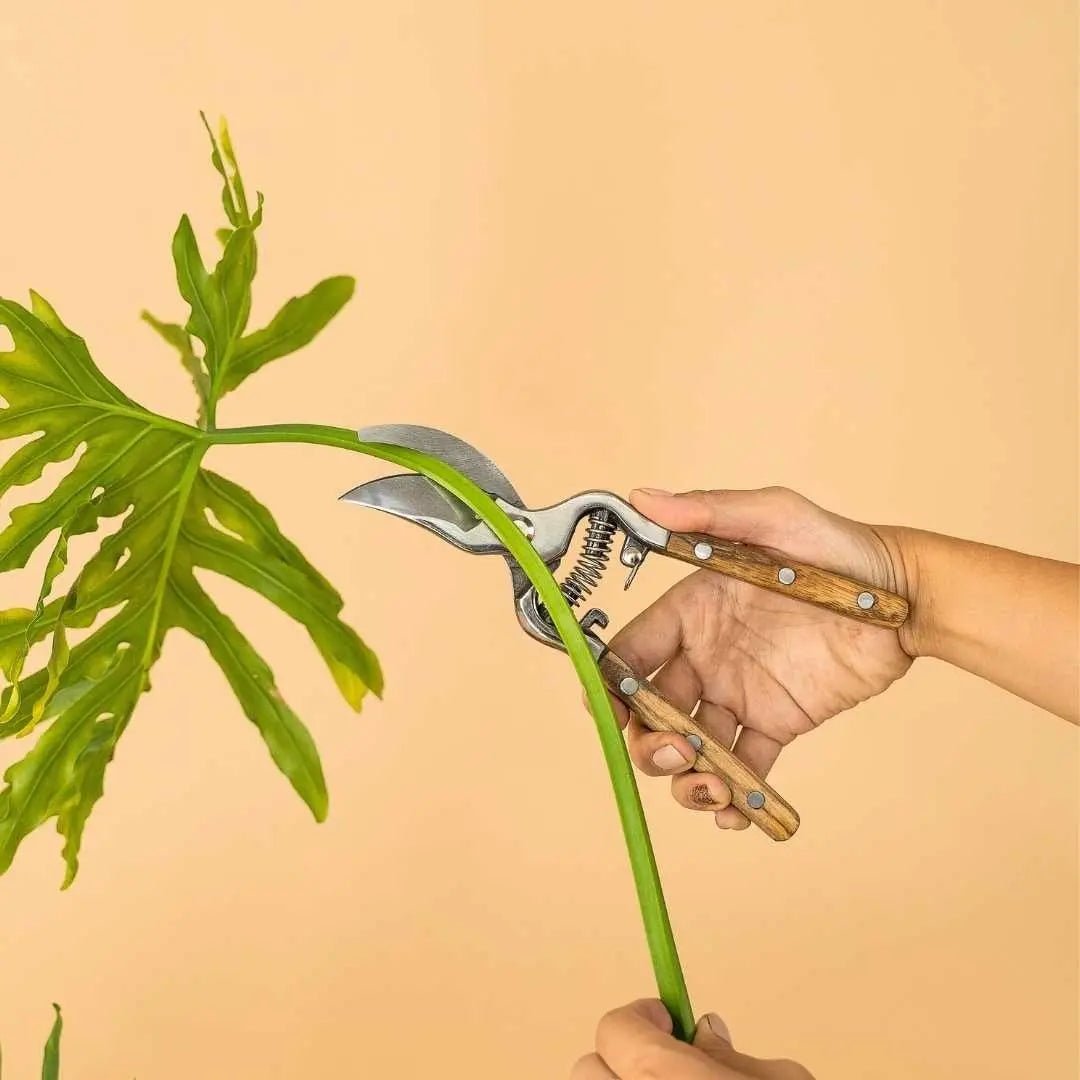
- Trim long, uneven shoots to maintain the silhouette.
- Remove yellow or dry leaves promptly.
- Rotate the pot every couple of weeks so growth stays even on all sides.
- Avoid heavy pruning immediately after moving it to a new home; let it adjust first.
If you enjoy miniature tree styling, browse Tumbleweed’s bonsai collection for similar compact, sculptural plants.
Potting and planter choice
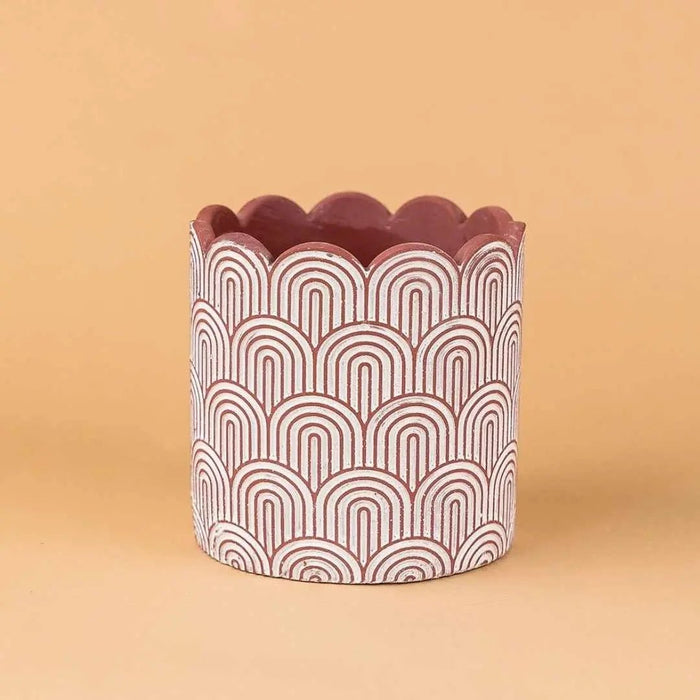
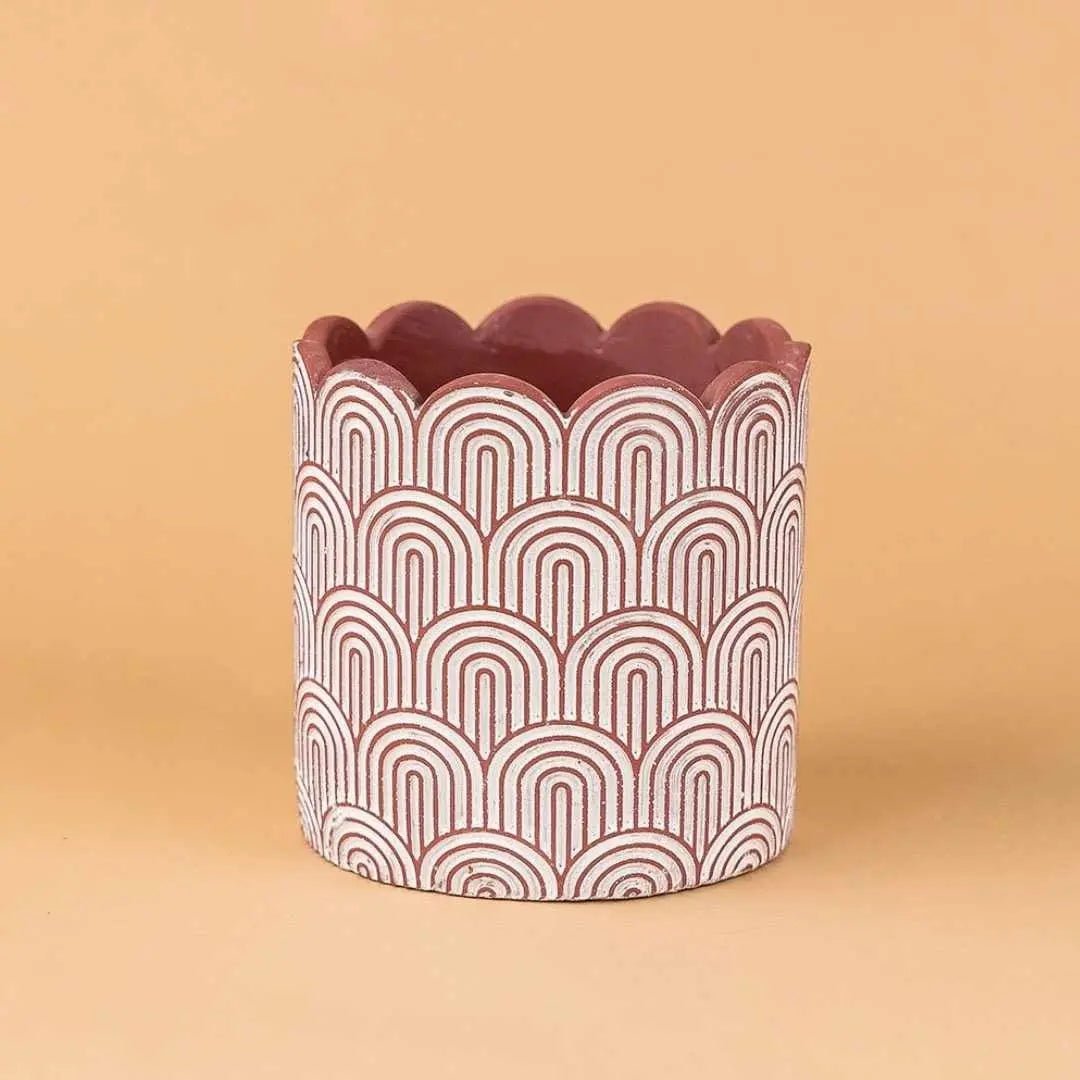
Good drainage is important. Podocarpus dislikes being waterlogged, so choose a pot with drainage holes or keep the grow pot inside a decorative planter and remove it for watering. A stable ceramic planter can also help balance the plant’s upright form.
If you are styling it for a living room or office, explore planters that suit the size of the grow pot without leaving too much excess empty space around the root ball.
Common Podocarpus problems
Yellow leaves
A few older yellow leaves are normal. Many yellowing leaves at once usually point to overwatering, low light, or a sudden environmental change. Check whether the soil is staying wet for too long and move the plant to brighter indirect light if needed.
Brown tips
Brown tips can come from inconsistent watering, dry air from air-conditioning, or accumulated salts in the soil. Water deeply when needed rather than giving tiny sips, and allow excess water to drain away.
Dropping leaves after bringing it home
Some adjustment is normal after delivery or a change in environment. Keep conditions stable: bright indirect light, no overwatering, no repeated moving from room to room. New growth should settle once the plant adapts.
Best styling ideas for Podocarpus
Podocarpus has a quiet, refined look that pairs well with natural wood, stone, textured ceramics and neutral interiors. Try it:
- on a console near the entryway for a calm welcome;
- on a study desk where you want greenery without a wild trailing habit;
- beside books, incense, ceramics or other Japandi-style accents;
- as part of a small indoor tree arrangement with other live plants.
FAQ: Podocarpus care in Singapore
Can Podocarpus grow indoors?
Yes, if it receives enough bright indirect light. It is not the best choice for a very dark room, but it can do well near a bright window or in a well-lit office.
How often should I water Podocarpus?
Water when the top few centimetres of soil begin to dry. In Singapore, avoid assuming that humid weather means the plant never needs water, or that warm weather means daily watering. Check the soil first.
Is Podocarpus the same as Buddhist Pine?
Podocarpus macrophyllus is commonly known as Buddhist Pine, though it is not a true pine. The name comes from its narrow, pine-like leaves and its use in calm, traditional garden and bonsai-inspired styling.
Why is my Podocarpus getting leggy?
Leggy growth usually means the plant wants more light. Move it closer to a bright window and rotate the pot regularly so all sides receive light.
What should I pair it with?
For a cohesive look, pair Podocarpus with a simple ceramic planter, a humidity-tolerant foliage plant, or plant-care basics from Tumbleweed’s plant care range.
The takeaway
Podocarpus macrophyllus is a beautiful choice if you want a plant that feels calm, structured and long-lasting. Give it bright indirect light, water only when the soil begins to dry, and prune lightly to keep its miniature-tree shape. With the right spot, Buddhist Pine can become one of the most quietly elegant plants in a Singapore home.