




















How to Prevent Mould and Leaf Spots on Indoor Plants in Humid Singapore Homes
Posted on July 03 2026
Singapore is a wonderful place to grow indoor plants, but our warm and humid weather can make small care mistakes show up quickly. A pot that stays wet for too long, a corner with still air, or old leaves left on the soil can lead to fuzzy mould, fungus gnats, leaf spots, mushy stems and tired-looking foliage.
The good news: most mould and leaf-spot issues can be prevented with a steadier routine. This guide explains how to adjust watering, airflow and cleaning habits for indoor plants in Singapore homes, especially if your plants live in air-conditioned rooms, sheltered balconies or bright windowsills.
Why mould appears on indoor plants in Singapore
Mould usually appears when moisture, organic matter and still air come together. In Singapore, soil and leaves dry more slowly on rainy weeks, in shaded rooms, or when plants sit inside decorative pots without enough drainage. White fuzz on the soil surface is often a sign that the top layer is staying damp. Brown or black marks on leaves can come from water sitting on foliage, weak airflow, overwatering, or plant stress.
1. Water by soil condition, not by the calendar
A fixed watering day is convenient, but it is not always what the plant needs. During wet weather or in cooler air-conditioned rooms, potting mix can remain damp for much longer. Before watering, check the top few centimetres of soil with your finger or a moisture meter. If the soil still feels moist, wait another day or two.
This is especially important for popular indoor plants such as aroids, ficus, palms and tabletop plants. Many indoor plants prefer an even rhythm: water thoroughly, let excess water drain, then allow the top layer to dry slightly before the next watering.
2. Improve airflow without blasting the plant
Plants do not need strong wind, but they do benefit from gentle air movement. If leaves stay damp for hours after watering or misting, mould and spots become more likely. Keep plants away from cramped corners where air cannot circulate, and leave some space between pots so leaves are not pressed together.
If your home is very humid, a fan on a low setting for part of the day can help. Avoid placing delicate plants directly in front of strong air-conditioning, as this can dry leaf edges while the soil remains wet.
3. Remove dead leaves and old debris
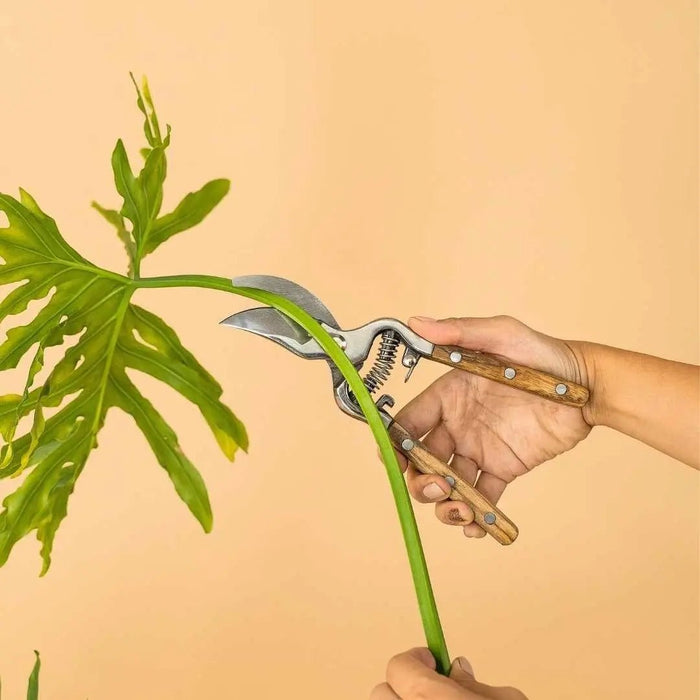
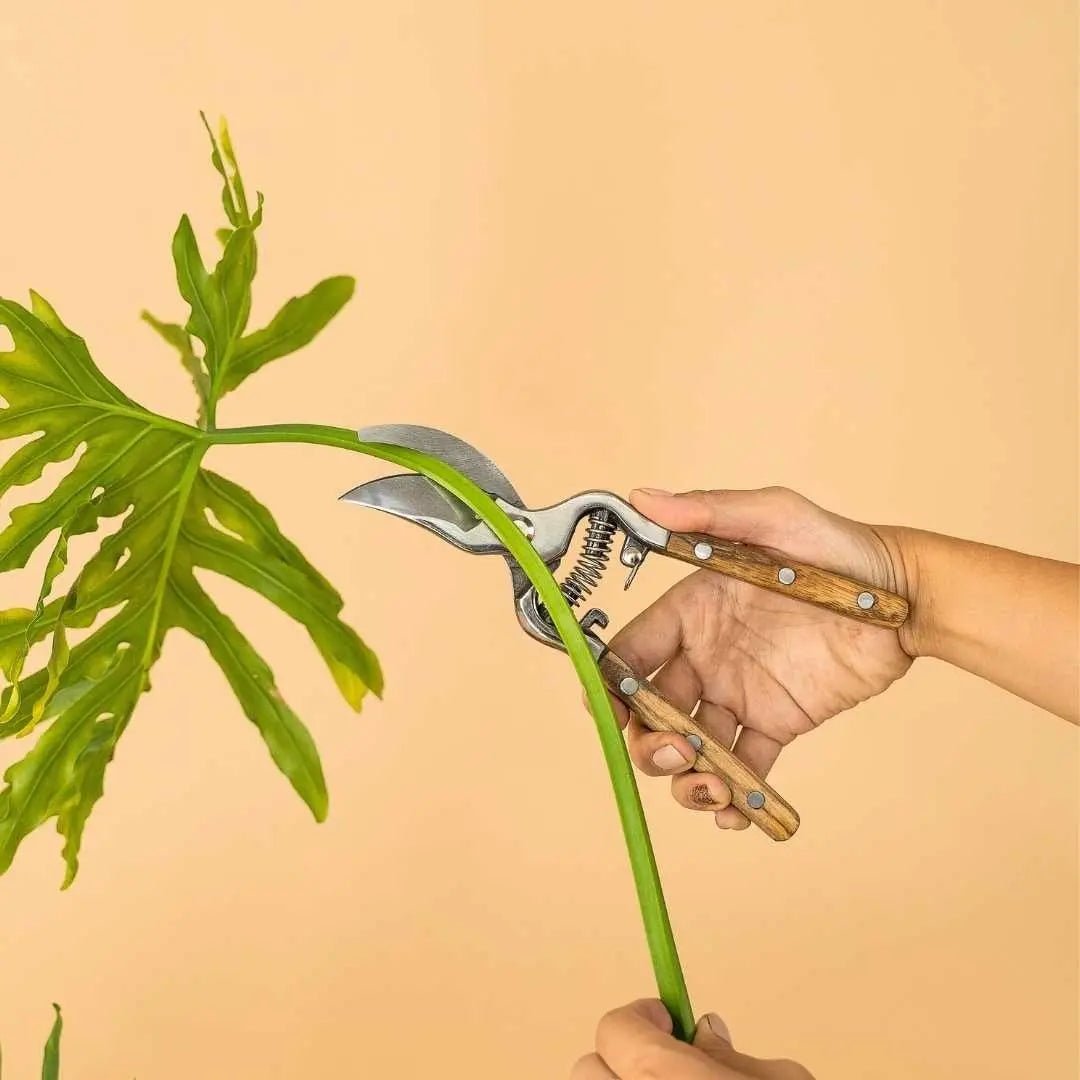
Yellow leaves, dropped petals and old soil debris can hold moisture and encourage fungal growth. During your weekly check, remove dead leaves from the soil surface and trim damaged foliage with clean scissors. Wipe broad leaves gently with a damp cloth so dust does not block light or trap moisture.
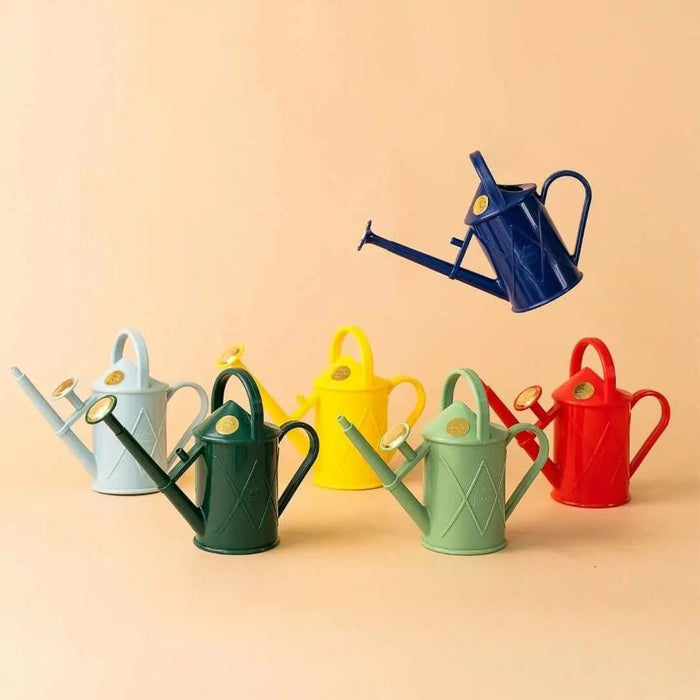
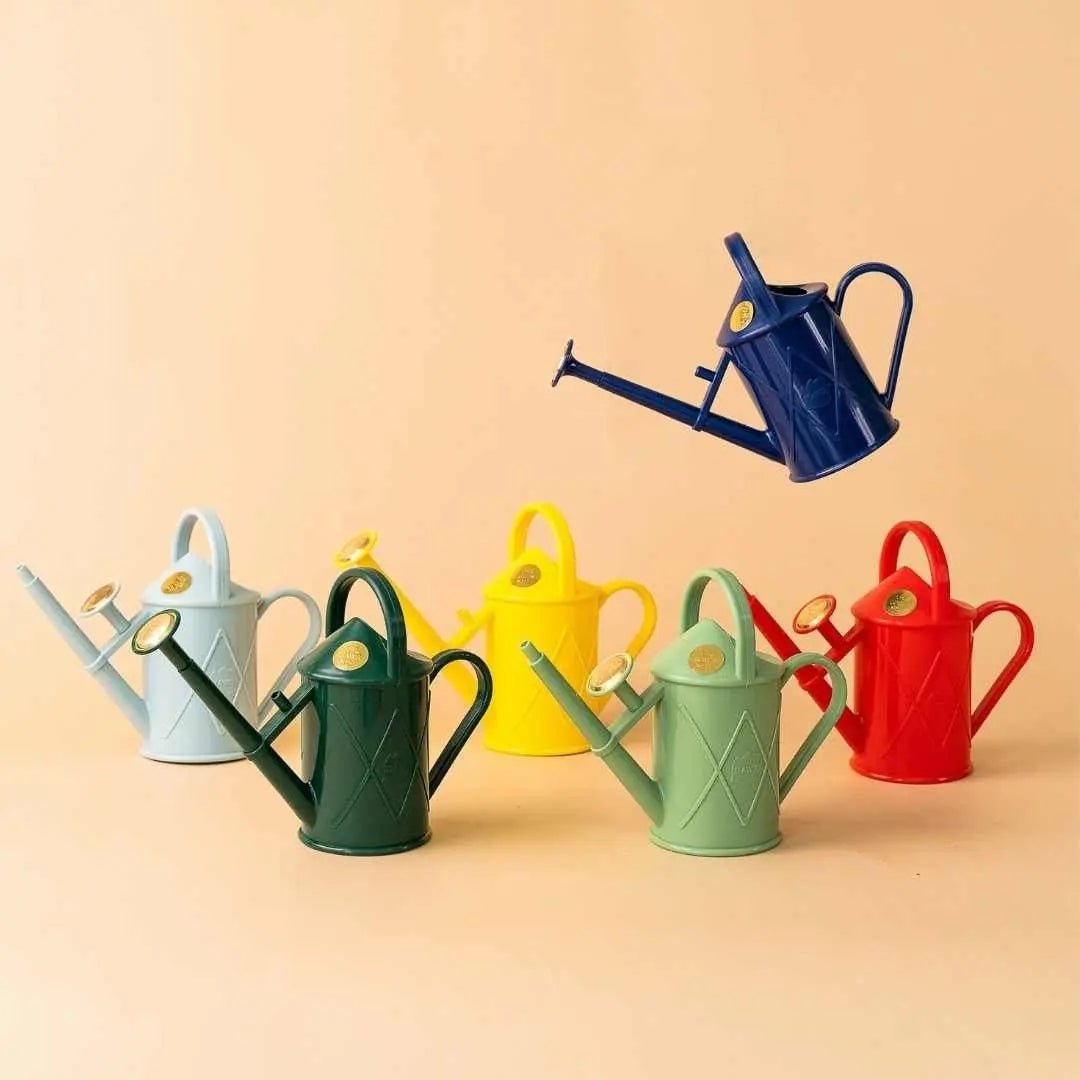
For larger collections, keep a small plant-care kit near your plants: clean snips, a cloth, a watering can with a narrow spout, and any gardening tools you use regularly.
4. Choose pots and placement that dry evenly
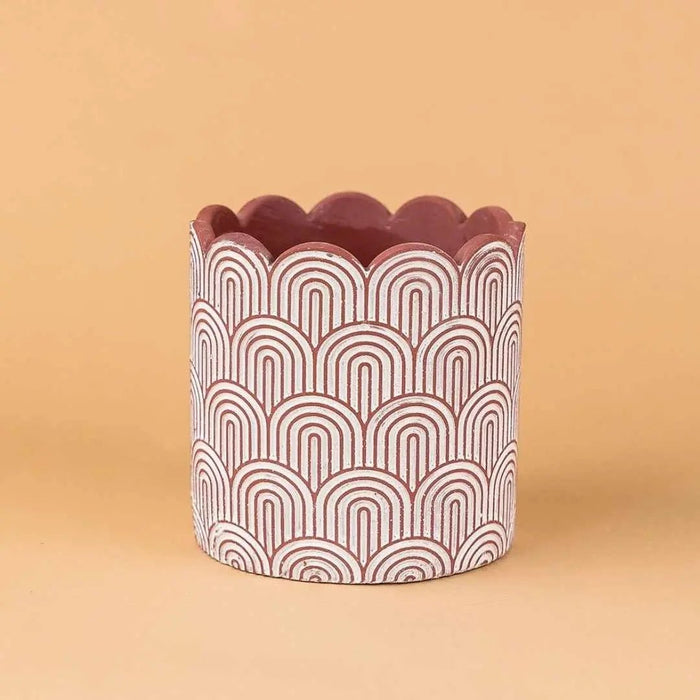
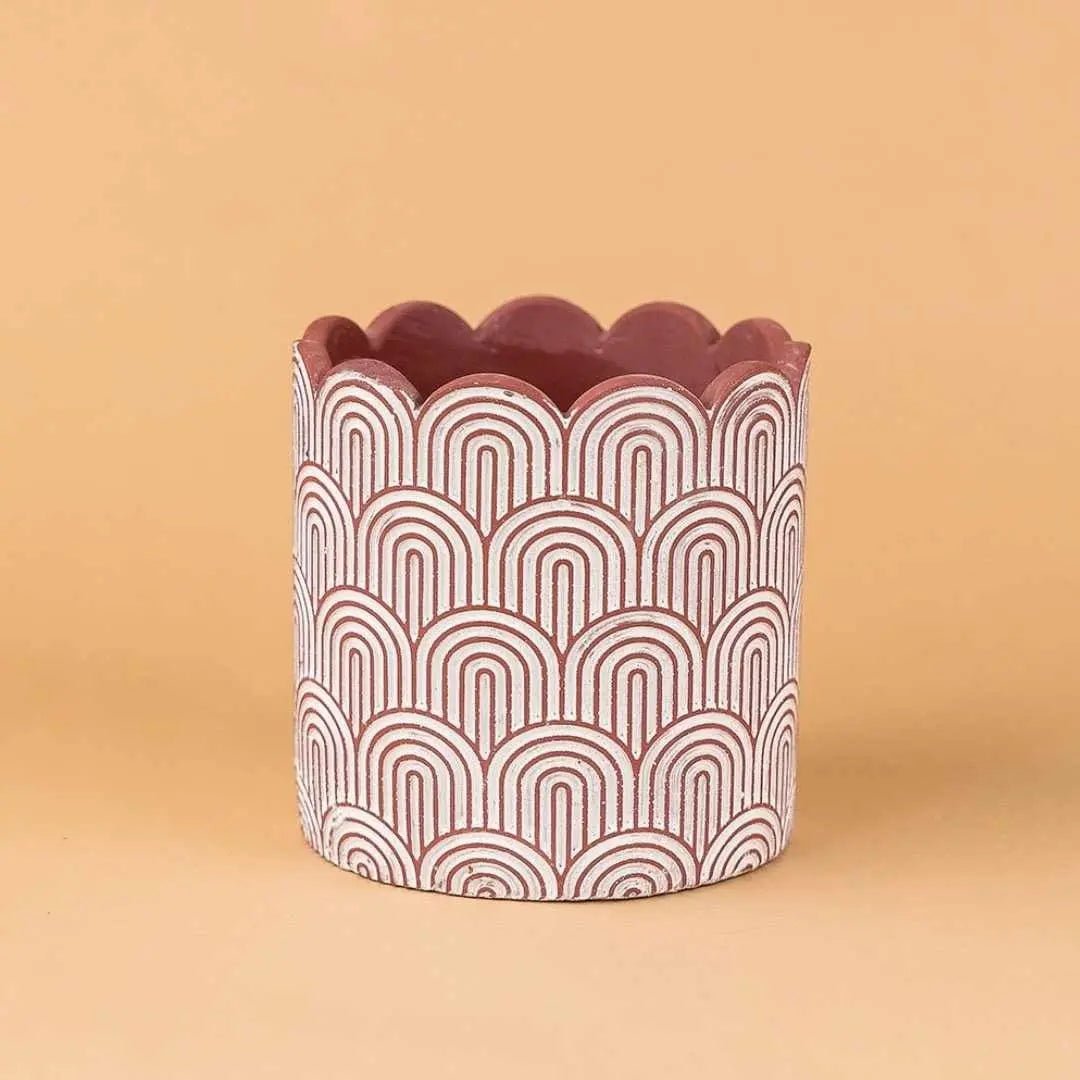
Decorative cover pots look beautiful, but water can collect at the bottom if the nursery pot is left sitting in runoff. After watering, empty excess water from saucers and cover pots. If a plant repeatedly stays wet, consider a pot with better drainage or a lighter, airier mix suited to indoor conditions.
Placement matters too. A plant in a bright, breezy living room may dry faster than the same plant in a dim bedroom. When moving plants around your home, watch how quickly the soil dries over the first week and adjust watering accordingly.
5. What to do if you already see mould
- Pause watering until the top layer dries.
- Remove visible mould from the soil surface with a spoon or small scoop.
- Clear dead leaves and wipe nearby foliage.
- Improve airflow and move the plant to brighter indirect light if suitable.
- Check the roots if the plant smells sour, wilts despite wet soil, or has soft stems.
If the issue keeps returning, the potting mix may be staying too compact or the pot may be holding too much water. Browse plant-care essentials if you need supplies to refresh the setup.
Helpful Tumbleweed picks for a cleaner care routine
- 4-in-1 Watering Meter (Moisture,Light,Soil PH,Nutrient) — useful for checking soil moisture or supporting a cleaner care routine.
- PlantPulse Watering Meter — useful for checking soil moisture or supporting a cleaner care routine.
- SoilMate Air Cup — useful for checking soil moisture or supporting a cleaner care routine.
FAQ: Mould and leaf spots on indoor plants
Is white mould on soil dangerous?
Light white mould on the soil surface is common in humid homes and is usually a sign of excess surface moisture rather than an emergency. Remove it, let the top layer dry, and improve airflow. If the plant is also wilting or the soil smells bad, check for root problems.
Should I mist my indoor plants in Singapore?
Misting is not necessary for most homes and can make fungal issues worse if leaves stay wet. If you mist, do it early in the day and only when the plant has enough airflow to dry quickly.
Can I keep plants in an air-conditioned room?
Yes, many indoor plants can adapt to air-conditioned rooms. The main thing is to avoid direct cold drafts and check soil moisture before watering, because cooler rooms can slow drying.
When should I replace the soil?
Replace or refresh the mix if it stays wet for too long, has a sour smell, compacts heavily, or if mould keeps returning after you correct watering and airflow. You can also explore all plants if you are choosing plants better suited to your home’s light and care routine.
Need help choosing the right plant-care setup? Visit Tumbleweed Plants online or in-store for indoor plants and practical plant-care essentials for Singapore homes.