

















Spider Plant Care Guide for Singapore
Posted on April 09 2026
In this article

The Spider Plant — Chlorophytum comosum — is one of the oldest and most reliable houseplants in cultivation. It has been grown indoors since the Victorian era, and for good reason: it is tough, adaptable, fast-growing, and produces cascading "babies" (plantlets) that make propagation effortless. In an era of rare plants and collector hype, the humble Spider Plant might be the most underappreciated workhorse in the houseplant world.
In Singapore, Spider Plants thrive with minimal fuss. Our warm climate accelerates their already vigorous growth, and the humidity keeps their foliage lush. If you are looking for a plant that delivers maximum green with minimum effort — and one that actively produces new plants for you — the Spider Plant is hard to beat.
Varieties
Chlorophytum comosum 'Vittatum' — The classic. Green leaves with a broad white central stripe. The most commonly available and widely recognised variety.
Chlorophytum comosum 'Variegatum' — Reversed variegation: green centre with white leaf edges. Slightly more refined in appearance.
Chlorophytum comosum 'Bonnie' — Curly Spider Plant. The leaves curl and twist rather than arching straight, creating a more compact, dynamic form. Excellent for smaller spaces.
Chlorophytum comosum (solid green) — No variegation, just deep green arching leaves. Hardier than variegated forms and slightly more tolerant of low light.
Light

Spider Plants are remarkably flexible:
Bright indirect light — Optimal. Fastest growth, most pronounced variegation, most prolific baby production. Near an east or north-facing window.
Medium light — Excellent. Spider Plants perform beautifully in average room light, two to four metres from a window.
Low light — Tolerated, especially by the solid green variety. Growth slows, variegation may fade, and baby production decreases. But the plant survives.
Direct sunlight — Avoid prolonged exposure. The leaves scorch, developing brown tips and bleached patches. Brief morning sun is fine.
The variegation rule: More light = more distinct variegation. In dim conditions, variegated varieties may produce leaves with less white, trending toward solid green.
Watering
Spider Plants have thick, tuberous roots that store water — giving them reasonable drought tolerance.
Schedule in Singapore:
- Water when the top two to three centimetres of soil feel dry
- Typically every five to seven days in bright conditions
- Every seven to ten days in lower light or AC environments
Technique:
- Water thoroughly until liquid drains from the bottom
- Empty saucers within 30 minutes
- Room-temperature water preferred
Water quality note: Spider Plants are sensitive to fluoride and chlorine in tap water. Over time, these chemicals contribute to brown leaf tips — the most common Spider Plant complaint. Solutions:
- Let tap water sit overnight in an open container before using
- Use filtered water
- Collect rainwater
Overwatering signs:
- Yellowing leaves, especially at the base
- Soft, mushy root sections
- Wilting despite wet soil
Underwatering signs:
- Pale, faded leaf colour
- Curling leaves
- Dry, papery leaf tips
Humidity

Spider Plants tolerate a wide humidity range (40-80%). Singapore's ambient humidity suits them well, even in air-conditioned rooms.
In very dry AC environments, occasional misting or a pebble tray helps prevent brown tips, but this is more about water quality than humidity for most Spider Plant issues.
Soil
A standard, well-draining potting mix:
- 60% potting soil
- 25% perlite
- 15% coco coir or orchid bark
Spider Plants are not particular about soil — any decent potting mix with drainage will work.
The Babies: Spider Plant Propagation
The Spider Plant's most endearing feature is its prolific production of plantlets — small rosettes that develop on long, arching stolons (runners) extending from the mother plant. These babies dangle in mid-air, developing small roots, ready to be propagated.
How Babies Form
Mature Spider Plants (typically over one year old) produce long stems called stolons. Small white flowers appear along these stolons, followed by miniature plantlets at the nodes. A single healthy mother plant can produce dozens of babies per year.
What encourages baby production:
- Bright indirect light (the number one factor)
- Plant maturity (at least one year old)
- Slightly root-bound conditions — a snug pot signals the plant to reproduce
- Regular feeding during growth
Propagating Babies
Method 1: Water rooting
- Cut a baby from the stolon with clean scissors (or leave it attached for now)
- Place the baby in a small jar of water with the base submerged
- Change water every three to four days
- Roots develop in one to two weeks
- Transfer to soil when roots reach 3-5cm
Method 2: Direct soil rooting
- Fill a small pot with moist potting mix
- Place the baby on the soil surface with its base in contact with the soil
- You can leave it attached to the mother plant until it roots (providing ongoing nutrition) or detach it
- Pin the baby in place with a small wire or hairpin if needed
- Keep soil moist. Roots establish in two to three weeks
- Once rooted, cut the stolon connecting it to the mother plant
Method 3: Leave them hanging
The babies can remain on the stolons permanently, creating a dramatic cascading display — especially in a hanging basket. They eventually produce their own stolons and babies, creating a multi-generational cascade.
Fertilising
Moderate feeder during active growth:
- Balanced liquid fertiliser (NPK 10-10-10) at half strength every two to three weeks
- Reduce during slower growth periods
- Over-fertilising causes salt buildup that contributes to brown tips
- Flush soil with plain water every two to three months
Repotting
Spider Plants grow fast and can become root-bound within a year:
- Repot when roots fill the pot or push above the soil surface
- Move to a pot one to two sizes larger
- The thick, tuberous roots sometimes crack plastic pots — a sign repotting is overdue
- A slightly root-bound Spider Plant produces more babies, so there is no rush to upsize unless the plant is visibly struggling
Common Problems
Brown Leaf Tips
The universal Spider Plant complaint. Causes:
- Fluoride/chlorine in tap water — the leading cause. Switch to filtered or aged water.
- Over-fertilising — salt buildup burns the tips. Flush soil and reduce fertiliser.
- Low humidity — less common in Singapore but possible in heavy AC.
- Underwatering — chronic drought dries tips.
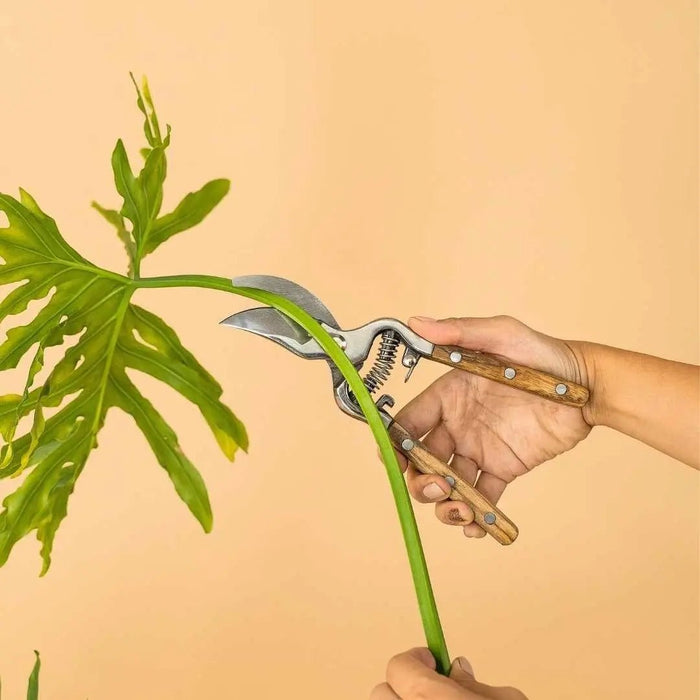
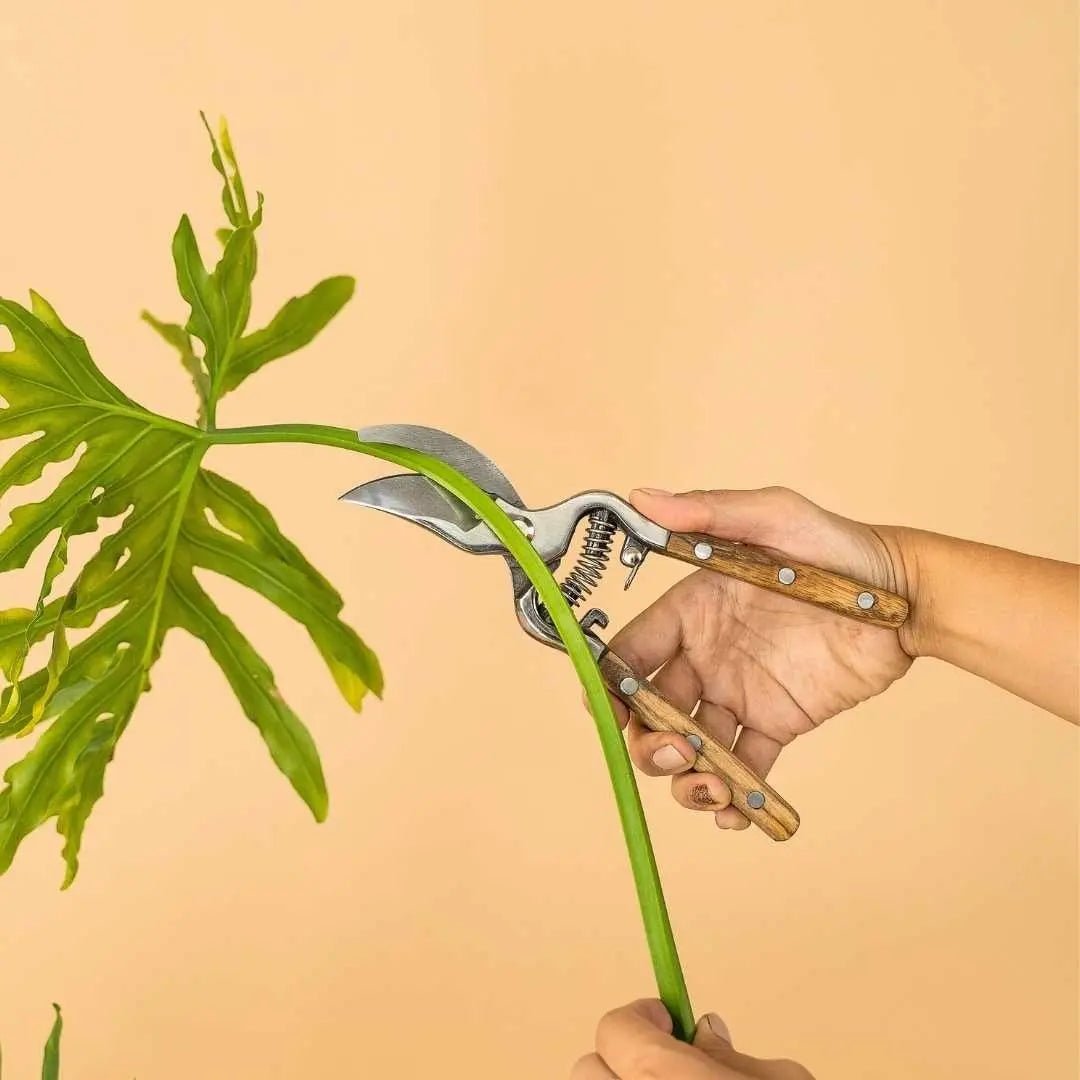
Fix: Trim brown tips with clean scissors. Cut at a slight angle, leaving a tiny brown margin (cutting into green tissue creates a new wound that will brown again). Address the underlying cause.
Pale or Washed-Out Leaves
Insufficient light. Move to a brighter position. Variegated varieties need more light to maintain their markings.
No Babies
- Plant may be too young (needs to be at least one year old with mature root system)
- Insufficient light — move to bright indirect light
- Pot may be too large — a snug pot encourages reproduction
- Insufficient nutrients — resume feeding
Root Rot
Overwatering or poor drainage. Remove from pot, trim mushy roots, repot in fresh, well-draining soil. Reduce watering frequency.
Pests
Spider Plants are relatively pest-resistant. Occasional issues:
- Mealybugs in leaf axils — treat with isopropyl alcohol
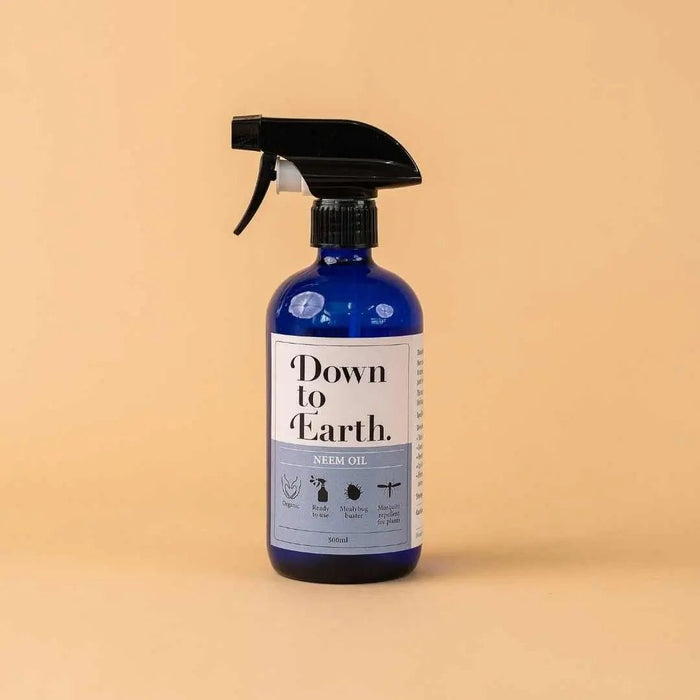
- Scale on leaves — scrape off and treat with neem oil
- Aphids on new growth and flowers — spray with insecticidal soap
Is the Spider Plant Toxic?
No. Spider Plants are non-toxic to cats, dogs, and humans. This makes them one of the safest houseplants for homes with pets and children.
Note: Cats are famously attracted to Spider Plant leaves and may chew on them. While not toxic, excessive consumption can cause mild digestive upset. If your cat obsessively eats your Spider Plant, place it out of reach.
Styling Spider Plants
The cascading growth habit makes Spider Plants natural candidates for elevated display:
- Hanging basket: The classic. A mature Spider Plant with babies trailing from a hanging basket is one of the most dynamic houseplant displays possible.
- High shelf: Place on a bookshelf or kitchen shelf where the babies can cascade over the edge.
- Macrame hanger: The retro styling suits the Spider Plant's vintage appeal perfectly.
- Desktop plant (young/Bonnie): A young plant or the curly 'Bonnie' variety stays compact enough for a desk.
- Bathroom shelf: The humidity benefits the plant, and the cascading babies soften bathroom hard surfaces.
Air Purifying
NASA's Clean Air Study identified the Spider Plant as one of the most effective houseplants for removing formaldehyde, xylene, and toluene from indoor air. While the air-purifying effect of individual plants is modest in real-world conditions, the Spider Plant consistently ranks among the top performers in laboratory tests.
Shop Spider Plants
Browse our indoor plant collection for Spider Plant varieties and other easy-care houseplants. We deliver healthy, well-established plants across Singapore.
The Spider Plant may not win any rarity contests or generate Instagram hype. But it does something better: it grows, it cascades, it produces babies, it cleans the air, and it does all of this without asking for much in return. For the Singapore plant owner who values reliability and generosity in a plant, the Spider Plant is a classic that never goes out of style.
Quick summary
Key Takeaways
- Varieties
- Light
- Watering
- Humidity
- Soil
- The Babies: Spider Plant Propagation
Ready to bring some green into your home?
Browse 250+ hand-picked plants, curated for Singapore homes — delivered to your door.
Browse All Plants →