





















String of Hearts Care Guide for Singapore | Tumbleweed Plants Singapore
Posted on April 10 2026
In this article

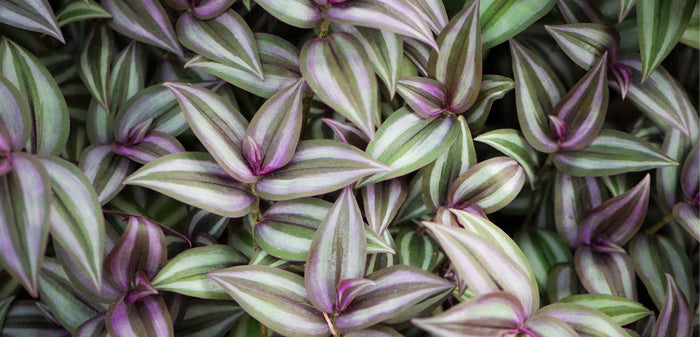
The String of Hearts — Ceropegia woodii — is the most romantic houseplant. Its thin, thread-like vines carry pairs of tiny heart-shaped leaves that cascade downward in delicate curtains, growing to a metre or more in length. The leaves are silvery green on top with purple undersides, and the vines themselves are a deep, wine-coloured purple. It is intricate, delicate, and undeniably pretty.
Despite its fragile appearance, String of Hearts is surprisingly tough. It is a semi-succulent — the leaves and roots store water — meaning it handles drought better than most trailing plants. In Singapore, it grows well in bright indoor conditions and is one of the most rewarding trailing plants for shelves, hanging baskets, and high displays.
Varieties
Ceropegia woodii (standard) — Silver-green heart-shaped leaves with purple undersides and purple vines. The classic.
Ceropegia woodii 'Variegata' (Variegated String of Hearts) — Leaves with cream, pink, and green variegation. More delicate than the standard and needs brighter light.
Ceropegia woodii 'Silver Glory' — Enhanced silver patterning on the leaves for a more metallic look.
All varieties share the same basic care, though variegated forms need more light and are slightly less vigorous.
Light

Light is the single most important factor for String of Hearts.
Bright indirect light — Ideal. Produces the most compact growth, strongest colour, and largest leaves. Near a window with good sky exposure.
Some direct morning sun — Beneficial. 1-2 hours of gentle morning sun enhances the purple colouring and keeps growth compact.
Medium light — Acceptable but growth becomes leggy — longer gaps between leaf pairs, smaller leaves, and less vivid colouring.
Low light — Not recommended. Vines stretch with sparse, tiny leaves and the plant loses its charm.
Key principle: The more light, the tighter and more beautiful the growth. If your String of Hearts looks sparse and leggy, it needs more light.
Watering
String of Hearts is semi-succulent — it stores water in its leaves and tuberous root system. It is far more drought-tolerant than it looks.
Schedule in Singapore:
- Water when the soil is completely dry
- Every 10-14 days in naturally ventilated rooms
- Every 14-18 days in air-conditioned rooms
Technique:
- Water thoroughly until it drains from the bottom
- Empty saucers promptly
- Let soil dry completely between waterings
Critical rule: When in doubt, do not water. String of Hearts handles drought well but rots quickly when overwatered. Err on the side of dry.
Overwatering signs: Yellow, mushy leaves. Soft, translucent vines. Tubers (the small bulbous growths along the vine) becoming mushy.
Underwatering signs: Leaves wrinkling, becoming thin and papery. Leaves curling slightly. Water thoroughly and leaves plump back within 24-48 hours.
Soil

Very fast-draining — similar to a succulent mix:
- 40% potting mix
- 30% perlite
- 30% coarse sand or pumice
The tuberous root system rots easily in moisture-retentive soil. Drainage is the priority.
Humidity
String of Hearts prefers lower humidity than many tropical plants — 40-60% is ideal. Singapore's 70-80% ambient humidity is higher than ideal but generally manageable because:
- The plant tolerates it well enough in practice
- Good airflow and fast-draining soil compensate
- AC rooms (50-60% humidity) actually suit it well
Risk in high humidity: Fungal issues on leaves and tubers. Prevent with good airflow and allowing soil to dry completely between waterings.
Temperature
Singapore's warmth is fine. String of Hearts grows actively in 18-30°C — our year-round conditions are within range. AC rooms are also suitable.
Fertilising
- Balanced liquid fertiliser at quarter to half strength every 4-6 weeks during active growth
- Light feeder — over-fertilising causes salt buildup in the small pot
- Reduce during slower growth periods
- Flush soil with plain water every 2-3 months
Propagation
String of Hearts is exceptionally easy to propagate. Multiple methods work:
The Butterfly Method (Water Propagation)
- Cut a vine section with several leaf pairs
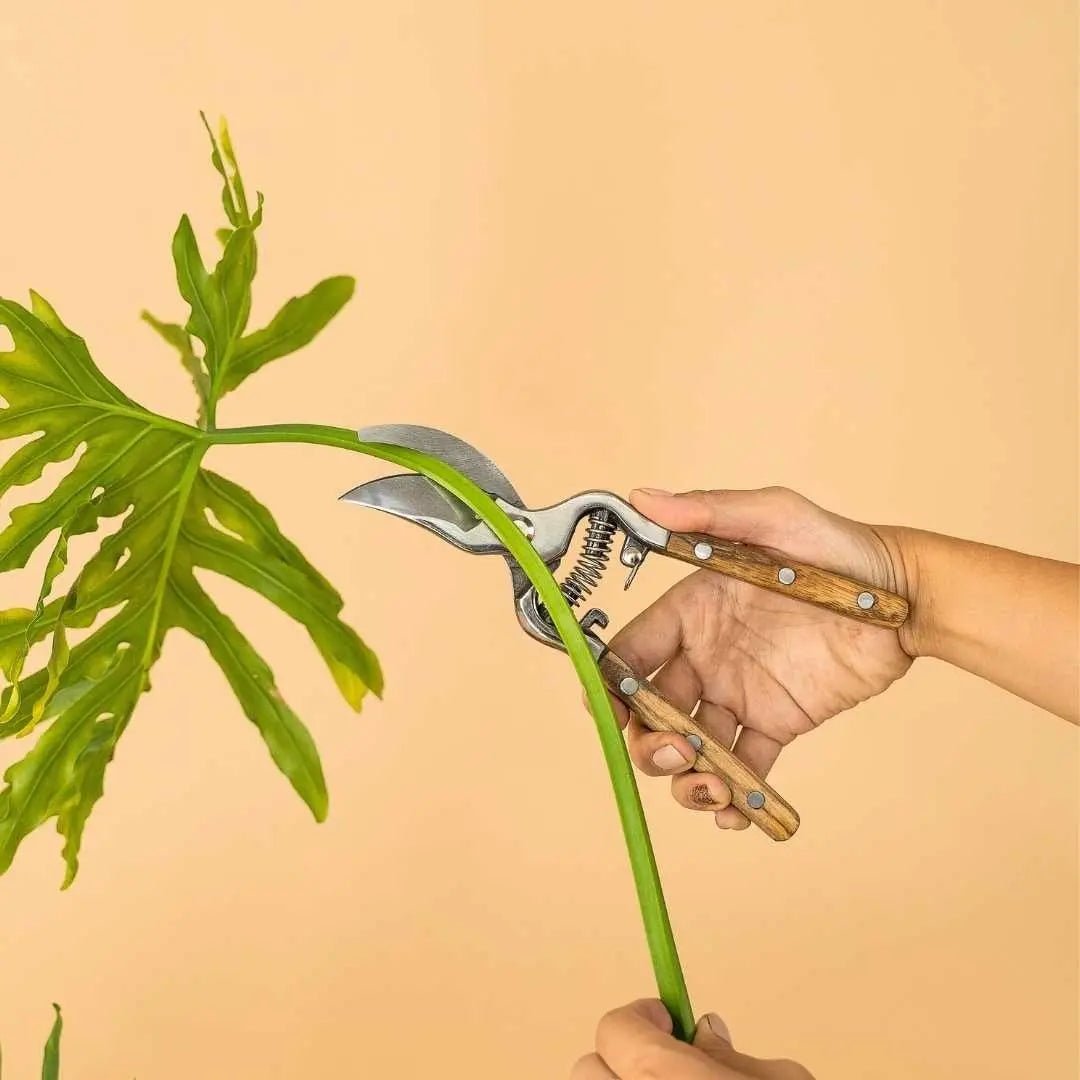
- Cut between leaf pairs so each cutting has one pair of leaves with a small stem section on each side
- Place the cuttings flat on moist sphagnum moss or in a shallow dish of water (just the stem touching water, not the leaves)
- Roots develop from the nodes in 2-4 weeks
- Transfer to soil when roots are 2-3cm long
Tuber Propagation
String of Hearts produces small, round tubers (aerial tubers) along the vines:
- Press a vine section with a tuber into moist soil while still attached to the mother plant
- Pin it in place with a hairpin or small wire
- The tuber roots into the soil in 2-4 weeks
- Cut the vine from the mother plant once established
Soil Layering
- Coil long vines on top of moist soil in the same or an adjacent pot
- Pin the vine at several nodes
- Nodes root into the soil over 3-4 weeks
- Cut the vines from the mother plant once rooted
This method creates a fuller, bushier plant from existing long vines.
Common Problems
Leggy, Sparse Growth
Cause: Insufficient light.
Fix: Move to a brighter location. Prune leggy sections and propagate them to create new plants. The cut point on the mother plant will branch.
Yellow, Mushy Leaves
Cause: Overwatering. The semi-succulent leaves rot quickly in persistently moist conditions.
Fix: Stop watering. Let soil dry completely. Check the tubers and roots for rot — remove any mushy tubers. Repot in fresh, fast-draining soil if root rot is present.
Shrivelled, Wrinkled Leaves
Cause: Underwatering or root damage (from prior overwatering that damaged roots, now preventing water uptake).
Fix: If underwatered, water thoroughly. If the roots are damaged, the plant may need propagation from healthy vine sections.
Loss of Variegation (Variegated Varieties)
Cause: Insufficient light. Variegated forms revert to more green in low light.
Fix: Increase light. Morning direct sun helps maintain variegation.
Pests
String of Hearts is relatively pest-resistant but can attract:
- Mealybugs — Check leaf undersides and vine joints. Treat with rubbing alcohol.
- Aphids — Occasionally on new growth. Spray with water or neem oil.
Styling
String of Hearts excels in displays that showcase its trailing habit:
- High shelf — Cascading from a high bookshelf or floating shelf. The longer the vines, the more dramatic the display.
- Hanging basket — The classic display. A macramé hanger or simple pot suspended from a hook.
- Wall-mounted planter — Mounted on a wall bracket at head height, vines trailing downward.
- Windowsill — Placed on a high windowsill with vines trailing down the window frame.
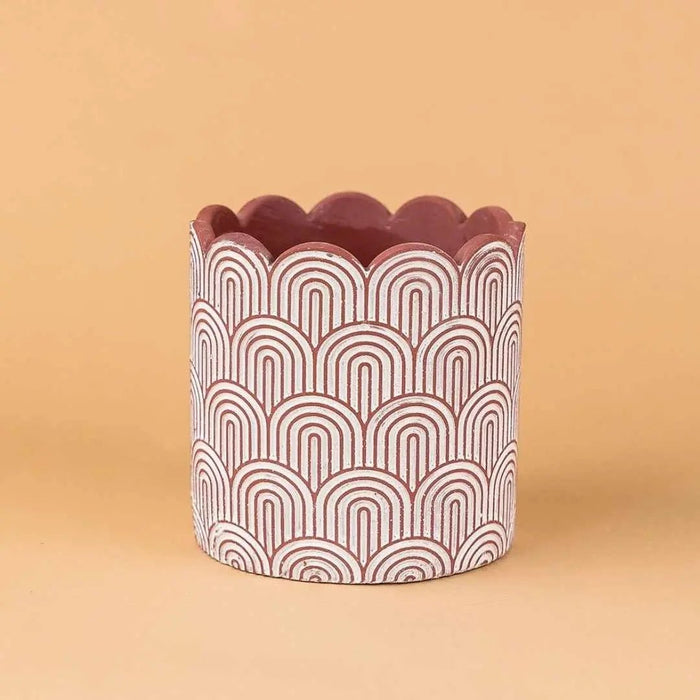
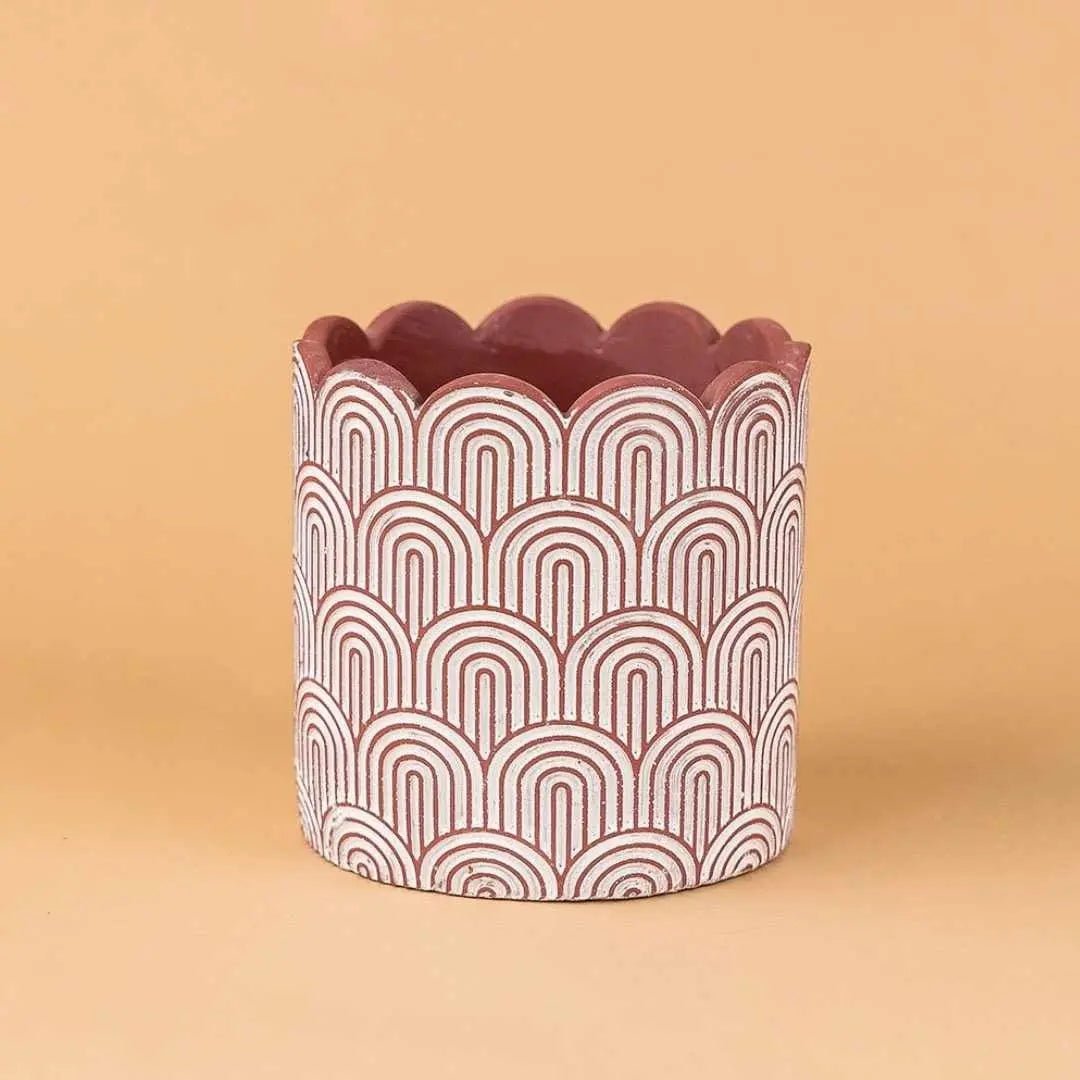
Pot choice: Small pot — String of Hearts has a modest root system and does not need much soil. Terracotta is ideal for its breathability and fast drying. A 10-12cm pot is sufficient for most plants.
Display tip: The vines look best when they can trail freely without obstruction. Place the plant where the vines have space to hang straight down or cascade along a surface.
Is String of Hearts Toxic?
No. String of Hearts is non-toxic to cats, dogs, and children. Safe for all households.
Shop String of Hearts
Browse our indoor plant collection for trailing plants delivered across Singapore.
String of Hearts is the plant equivalent of delicate jewellery — intricate, beautiful, and far stronger than it looks. Those thread-thin vines with their perfectly paired hearts grow longer and more impressive with each passing month, turning a simple hanging pot into a cascading curtain of tiny leaves. In Singapore, give it the brightest spot you have, water it only when dry, and let it trail. The vines will find their way downward, heart by heart, leaf pair by leaf pair, building something quietly spectacular out of patience and light.
Quick summary
Key Takeaways
- Varieties
- Light
- Watering
- Soil
- Humidity
- Temperature
Ready to bring some green into your home?
Browse 250+ hand-picked plants, curated for Singapore homes — delivered to your door.
Browse All Plants →