
















String of Pearls Care Guide Singapore: Growing This Iconic Trailing Succulent
Posted on April 09 2026
In this article
# String of Pearls Care Guide Singapore: Growing This Iconic Trailing Succulent | Tumbleweed Plants Singapore

String of pearls (Senecio rowleyanus) is one of the most visually striking succulents you can grow — its long, cascading strands of small, round, bead-like leaves create a living curtain effect that looks stunning in hanging planters or trailing from high shelves. It has become hugely popular in Singapore homes, but keeping it alive and thriving in our humid tropical climate requires some adjustments to the standard care advice written for drier environments.
The Singapore Challenge
String of pearls is native to the dry grasslands of southwest Africa, where it grows along the ground in rocky, well-drained soil with low humidity. Singapore's climate is essentially the opposite: high humidity, frequent rain, and warm temperatures year-round. The key challenges are:
- Excess humidity: Promotes rot faster than in dry climates
- Overwatering risk: Our humid air means soil stays moist longer
- Intense sun: Singapore's equatorial sun is stronger than what this plant is adapted to
With the right adjustments, string of pearls can thrive in Singapore — but it does require more careful attention to watering and drainage than many other houseplants.
Light Requirements
Ideal
Bright indirect light with 2-3 hours of gentle direct morning sun. An east-facing windowsill is the perfect spot.
Acceptable
Bright indirect light throughout the day without any direct sun. The pearls may grow slightly more spaced apart on the stems.
Avoid
- Direct afternoon sun: Singapore's intense west-facing sun will scorch and shrivel the pearls
- Low light: String of pearls becomes leggy, pale, and eventually dies in low light. It is not a shade plant.
Signs of Light Issues
- Elongated, spaced-out pearls: Not enough light. The stems stretch between pearls.
- Shrivelled, brown pearls: Too much direct sun or underwatering.
- Flat or elongated pearls (not round): Insufficient light — the pearl shape becomes more tear-drop as the plant stretches.
Watering: The Make-or-Break Factor
Watering is where string of pearls care in Singapore diverges most sharply from standard advice.
The Golden Rule
Water less than you think. In Singapore's humidity, the soil stays moist much longer than in dry climates. Overwatering is the number one killer.
Schedule
- Air-conditioned rooms: Every 10-14 days
- Non air-conditioned rooms: Every 14-21 days
- Test first: The pearls themselves are your indicator. Gently squeeze a pearl — if it is firm and round, the plant has plenty of water. If pearls feel slightly soft or look less plump, it is time to water.
Technique
- Water the soil directly, avoiding wetting the pearl strands as much as possible
- Soak until water drains from the bottom
- Let excess drain completely — never let the pot sit in water
- Ensure the soil dries out substantially between waterings
The Window Test
A clear indicator: look at the translucent "windows" on each pearl (the tiny clear line on the surface). When the plant has enough water, these windows are clear. When the plant needs water, the windows become clouded or less visible.
Soil: Non-Negotiable Drainage

Standard potting mix retains far too much moisture for string of pearls in Singapore.
Recommended mix:
- 50% cactus/succulent mix
- 30% perlite
- 20% coarse sand
The soil should feel gritty and drain almost instantly when watered. If water pools on the surface for more than a few seconds, your mix is too dense.
Pot Selection
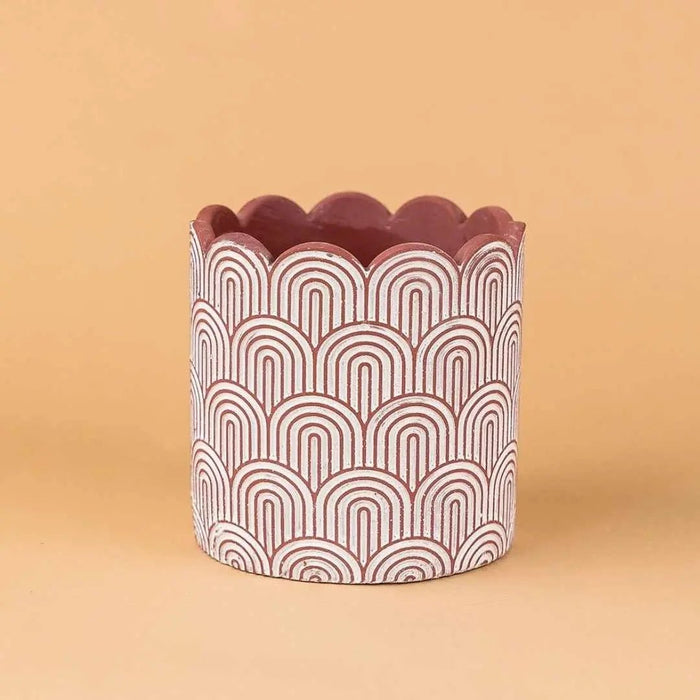
- Terracotta: Best choice. The porous material wicks moisture away from roots.
- Size: Use a shallow, wide pot rather than a deep one. String of pearls has a shallow root system.
- Drainage: Must have drainage holes. This is absolutely critical for string of pearls.
- Hanging planters: Ideal for displaying trailing strands. Ensure the planter drains and does not trap water.
Humidity Management
Singapore's high humidity is the biggest environmental challenge:
- Air circulation: Ensure good airflow around the plant. A spot near a window or fan helps prevent moisture from sitting on the strands.
- Avoid misting: Never mist string of pearls. The moisture sitting on the pearls promotes rot.
- Air-conditioned rooms: Actually beneficial — the lower humidity suits this plant better than our natural tropical humidity.
- Bathroom: Avoid. The combination of humidity and low light is the opposite of what string of pearls needs.
Fertilising

String of pearls is a light feeder:
- Type: Dilute liquid succulent or cactus fertiliser
- Strength: Quarter to half strength
- Frequency: Once a month during active growth
- Skip: During cooler or rainier months
Propagation
String of pearls propagates easily from stem cuttings:
Method 1: Lay on Soil
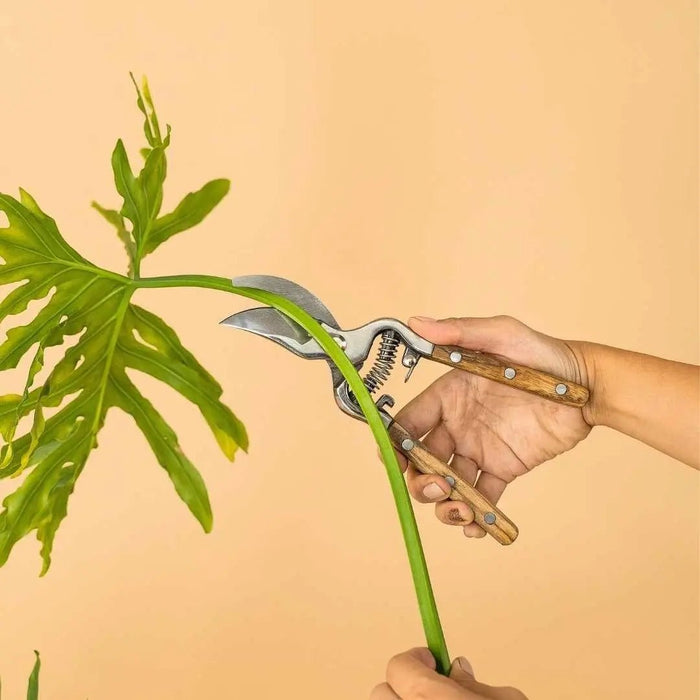
- Cut a healthy strand 10-15cm long
- Coil or lay the cutting on top of moist succulent mix
- The nodes (where pearls attach) will develop roots when in contact with soil
- Mist the soil surface lightly every few days
- Roots develop in 2-4 weeks
- Once rooted, water normally
Method 2: Bury Nodes
- Cut a strand and remove pearls from the bottom 3-4cm
- Bury the bare section in soil with the remaining pearls above
- Water lightly
- Roots develop from the buried nodes
Timing
In Singapore, you can propagate year-round, but success rates are highest in drier months with more consistent sunlight.
Common Problems in Singapore

Mushy, Translucent Pearls
Cause: Overwatering or root rot. The pearls absorb too much water and burst.
Fix: Stop watering immediately. Remove any mushy sections. Check roots for rot. Repot in drier soil if necessary. Let the soil dry completely before watering again.
Shrivelled, Wrinkled Pearls
Cause: Underwatering or root rot (ironically, if roots are rotted, the plant cannot absorb water even if the soil is moist).
Fix: If soil is dry, water thoroughly. If soil is moist but pearls are shrivelling, check for root rot — the roots may be dead.
Stem Rot
Cause: Moisture sitting on the stems, often from overhead watering or high humidity.
Fix: Remove affected sections. Improve air circulation. Water the soil only, not the strands.
Falling Pearls
If pearls are dropping off easily:
- Overwatering: The most common cause
- Underwatering: Severely dehydrated pearls detach
- Pests: Check for mealybugs at the stem joints
Pests
- Mealybugs: White cottony clusters at the base of pearls. Treat with rubbing alcohol on a cotton swab.
- Aphids: Occasionally on new growth. Spray with diluted neem oil.
Display Ideas
- Hanging planters: The classic — strands cascade down for a waterfall effect
- High shelves: Let strands trail over the edge
- Wall-mounted planters: Living wall art
- Grouped with other succulents: Mix textures and forms
- Macrame hangers: The bohemian aesthetic suits string of pearls perfectly
Is String of Pearls Right for You?
Be honest about your conditions:
Choose string of pearls if: You have a bright, airy spot (ideally with some morning sun), you tend to underwater rather than overwater, and you have well-draining soil and pots.
Consider alternatives if: Your home is dim, you tend to overwater, or your only available spots are humid and poorly ventilated.
Browse succulents and trailing plants at Tumbleweed Plants with delivery across Singapore.
Quick summary
Key Takeaways
- The Singapore Challenge
- Light Requirements
- Watering: The Make-or-Break Factor
- Soil: Non-Negotiable Drainage
- Humidity Management
- Fertilising
Ready to bring some green into your home?
Browse 250+ hand-picked plants, curated for Singapore homes — delivered to your door.
Browse All Plants →