
















Succulent Care Guide for Singapore's Tropical Climate
Posted on April 09 2026
In this article
Succulents are everywhere — on Instagram feeds, in minimalist apartments, and at every market stall. But Singapore's tropical climate presents unique challenges for these desert-adapted plants. Our high humidity and frequent rain are the opposite of what most succulents evolved for.

The good news? With the right variety selection and a few adjustments, you can grow beautiful succulents in Singapore. Here is how.
The Singapore Succulent Challenge
Most popular succulents originate from arid regions — Mexican deserts, South African dry lands, or Mediterranean climates. They evolved to store water in their leaves and stems, thriving in:
- Low humidity (20-40%)
- Intense direct sunlight
- Infrequent rainfall
- Fast-draining, sandy soil
Singapore offers:
- High humidity (70-90%)
- Intense but sometimes overcast sunlight
- Frequent heavy rain
- Warm temperatures year-round
The humidity is the biggest challenge. Succulents breathe through their leaves, and excessive moisture in the air slows transpiration, increasing the risk of fungal infections, rot, and stretched (etiolated) growth.
Succulents That Thrive in Singapore

Not all succulents struggle here. These varieties handle tropical humidity better than others:
Excellent in Singapore
Sansevieria (Snake Plant): Technically a succulent. Thrives in Singapore without any special care. Low light to full sun.
Haworthia: Small, rosette-forming succulents that naturally grow in partial shade. Their tolerance for lower light and higher humidity makes them ideal. Haworthia fasciata (Zebra Plant) is particularly easy.
Gasteria: Related to Haworthia with similar tolerance for humidity and shade. Tongue-shaped leaves in attractive patterns.
Kalanchoe: Many species handle tropical conditions well. Kalanchoe blossfeldiana produces cheerful clusters of flowers and is widely sold in Singapore supermarkets and nurseries.
Aloe Vera: Remarkably adaptable. Grows well on sunny Singapore balconies and produces the well-known gel with medicinal properties.
Crassula ovata (Jade Plant): Does well in bright, covered positions. More humidity-tolerant than many succulents.
Euphorbia milii (Crown of Thorns): Loves heat and sun. Blooms almost continuously in Singapore. Drought-tolerant and pest-resistant.
Moderate Success in Singapore
Echeveria: Can be grown with extra care — needs maximum sun, covered from rain, and fast-draining soil. Expect some stretching during cloudy periods.
Graptoveria: Hybrids that are slightly more adaptable than pure Echeveria. Worth trying in bright, covered positions.
Sedum: Some species handle humidity better than others. Sedum rubrotinctum (Jelly Beans) does reasonably well.
Challenging in Singapore
Lithops (Living Stones): Nearly impossible outdoors. The humidity causes rapid rot. Only attempt in controlled indoor environments with excellent drainage and airflow.
Aeonium: Prefers cool, dry Mediterranean conditions. Struggles in Singapore's heat and humidity.
Sempervivum (Hens and Chicks): Cool-climate succulents that do not tolerate Singapore's heat.
Essential Care Adjustments for Singapore
Soil: Go Extremely Gritty
Standard succulent soil from temperate-climate guides is still too moisture-retentive for Singapore. You need a grittier mix:
Singapore succulent mix:
- 70% inorganic material (pumice, perlite, coarse sand, or akadama)
- 30% organic material (potting soil or coco coir)
Some Singapore succulent growers go as high as 80-90% inorganic. The goal is soil that dries within 2-3 days after watering.
Avoid: Peat-heavy mixes, fine sand (it compacts), and any soil that stays moist for more than 3-4 days.
Watering: Less Is More
In Singapore's humidity, succulents need far less water than you think:
Frequency: Every 7-14 days depending on sun exposure and soil mix. In rainy periods, you may not need to water at all.
Method: Water thoroughly when the soil is completely dry. Then let it dry out completely before watering again. The soak-and-dry method is critical.
Signs of overwatering:
- Leaves turning translucent or yellowish
- Mushy, soft leaves
- Stem rot at the base
- Leaves falling off at the slightest touch
Signs of underwatering (less common in SG):
- Wrinkled, shrivelled leaves
- Leaves curling inward
- Aerial roots appearing on stems
Light: Maximum Sun
Most succulents want as much direct sunlight as possible — a minimum of 4-6 hours daily for compact, colourful growth.
In Singapore:
- South and west-facing balconies provide the most intense light
- A covered balcony with overhead protection from rain is ideal
- Indoors, place on the brightest windowsill available
- East-facing windows provide good morning sun
Insufficient light causes etiolation: Succulents stretch toward the light, becoming leggy with widely spaced leaves and pale colouring. This is the most common problem in Singapore — many apartments simply do not get enough direct sun for demanding varieties.
Grow lights: If your home lacks direct sun, LED grow lights provide supplemental light that keeps succulents compact. Run for 10-12 hours daily, positioned 15-20cm above the plants.
Rain Protection
Rain is the biggest threat to outdoor succulents in Singapore. Heavy tropical downpours waterlog soil and sit in rosette centres, causing rot.
Solutions:
- Grow under a covered balcony or porch overhang
- Use a simple rain cover (clear polycarbonate sheet angled for runoff)
- Bring outdoor succulents inside during monsoon season
- Ensure pots have excellent drainage and tip out any water collected in rosettes after rain
Air Circulation
Good airflow is essential in Singapore's humidity. Stagnant, moist air around succulents promotes fungal growth.
- Do not crowd pots together — leave space between each plant
- Place on open shelving rather than enclosed terrariums
- Position near windows or where natural breezes pass
- A small fan on low speed helps in enclosed spaces
Container Choices

Pot Material
Unglazed terracotta is the best choice for succulents in Singapore. The porous material wicks moisture away from roots and promotes faster drying.
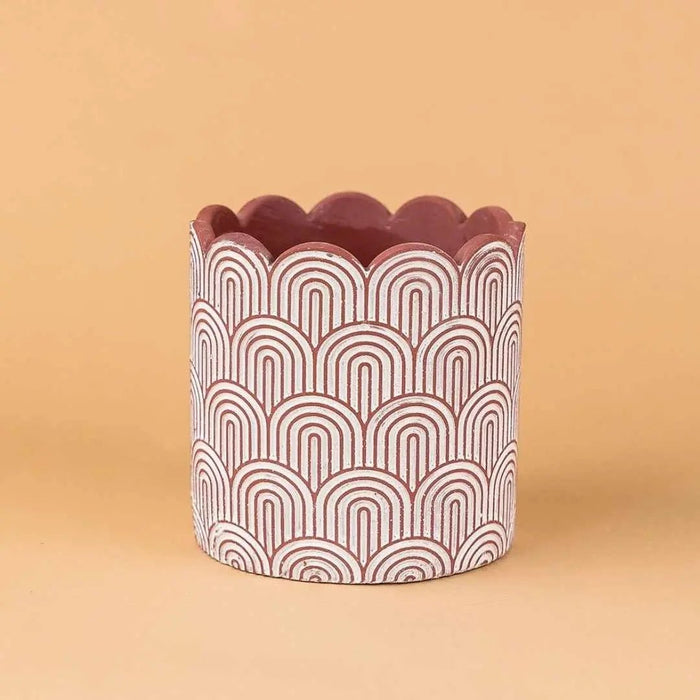
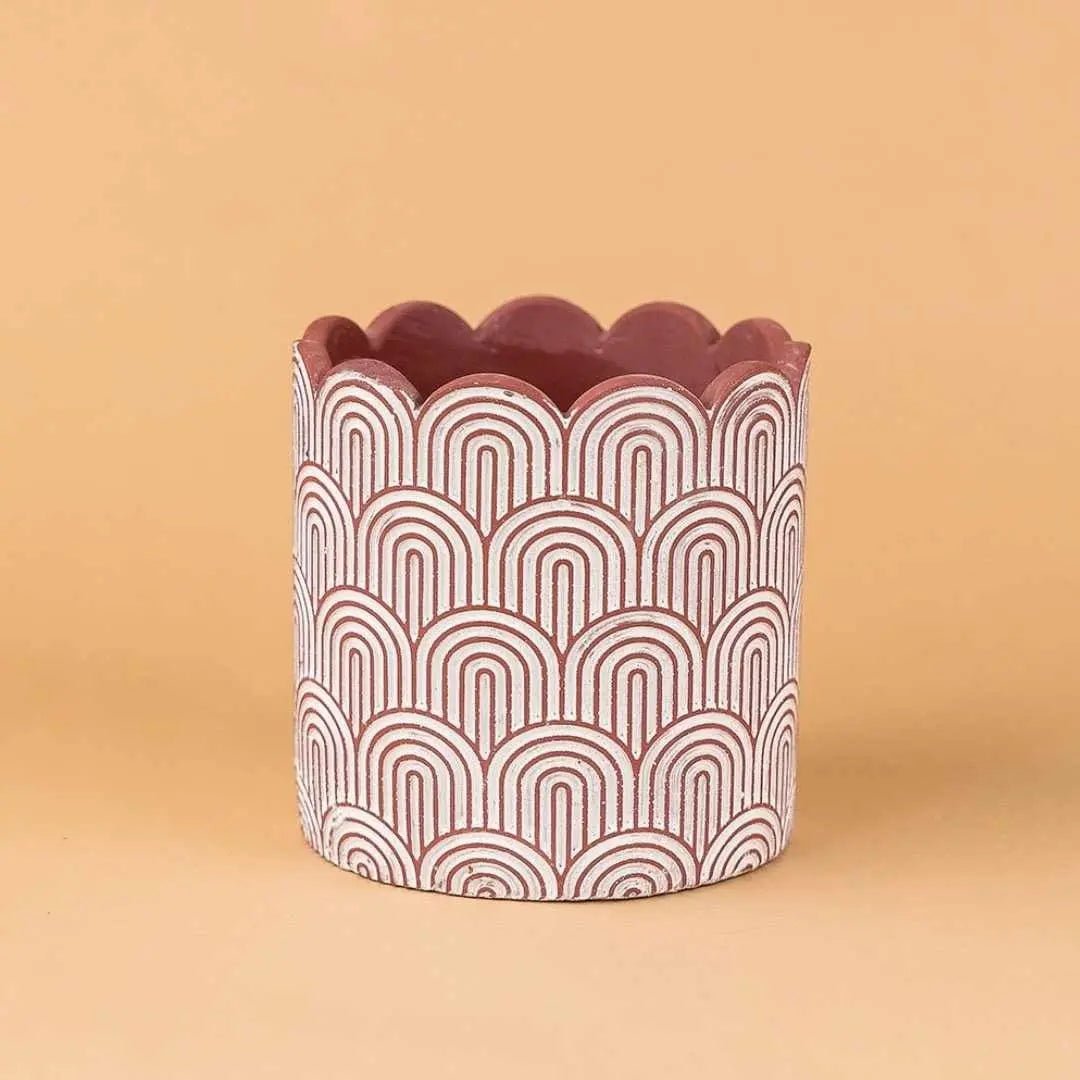
Concrete pots also offer porosity and good drainage. Heavy weight prevents toppling.
Avoid: Glazed ceramic and plastic pots that retain moisture. If you must use them, compensate with an even grittier soil mix and reduced watering.
Size
Succulents prefer snug pots. Choose a container only slightly larger than the plant — excess soil volume retains moisture.
Drainage
Multiple drainage holes are better than one. Elevate pots on pot feet or small tiles to ensure water exits freely.
Common Problems in Singapore
Rot
The number one killer. Caused by excess moisture — from overwatering, rain exposure, or humidity-retentive soil.
Prevention: Gritty soil, drainage holes, rain protection, and checking soil before watering.
Treatment: If caught early, remove rotted sections with a clean knife, let the cut dry for 2-3 days, and replant in fresh, dry mix.
Etiolation (Stretching)
Caused by insufficient light. The plant stretches toward any available light source, producing thin stems and widely spaced leaves.
Prevention: Maximum direct sunlight or supplement with grow lights.
Treatment: Once a succulent has stretched, it cannot be compressed. Cut the top rosette, let it callous for 2-3 days, and replant to start fresh. The headless stem may produce offsets.
Mealybugs
White, cottony pests that hide in leaf axils and between tightly packed leaves. Common on succulents in Singapore.
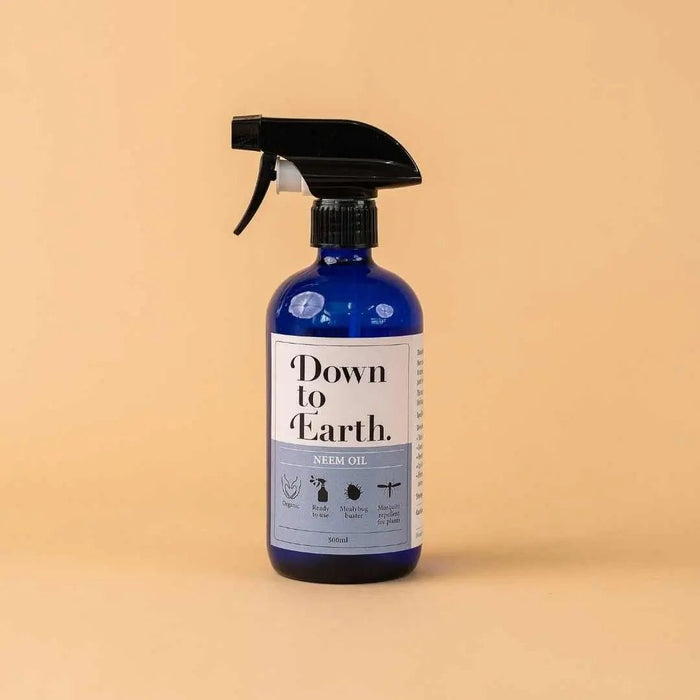
Treatment: Spray with rubbing alcohol or treat with neem oil. Check weekly and repeat treatment until clear.
Black Spots
Usually fungal, caused by humidity and poor air circulation. Remove affected leaves, improve airflow, and avoid wetting leaves when watering.
Propagation

One of the joys of succulents is how easily they propagate:
Leaf Propagation
- Gently twist a healthy leaf from the stem (ensure a clean break)
- Let the leaf callous for 2-3 days in shade
- Place on top of dry, gritty soil
- Mist very lightly every few days
- Roots and a baby plant emerge from the leaf base in 2-6 weeks
- Begin regular watering once the baby has its own root system
Singapore tip: Propagation is harder here due to humidity promoting rot before rooting. Keep propagating leaves in a dry, well-ventilated area.
Stem Cuttings
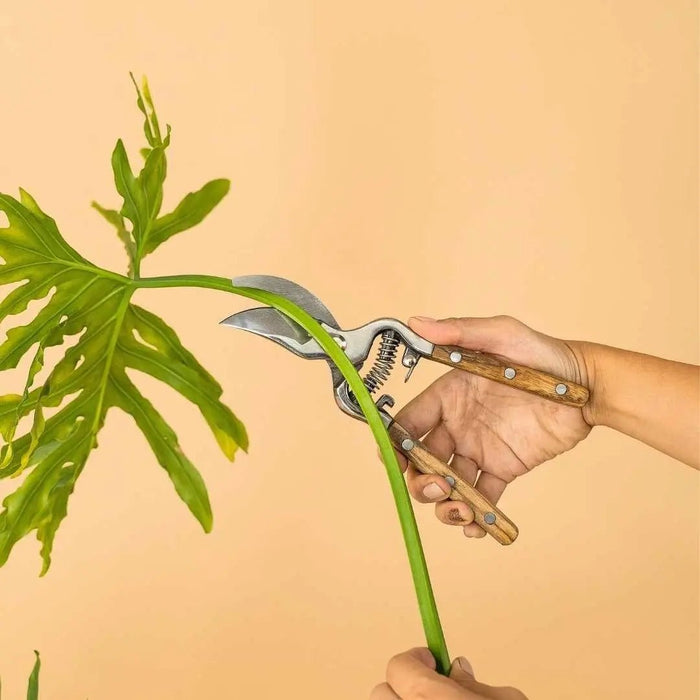
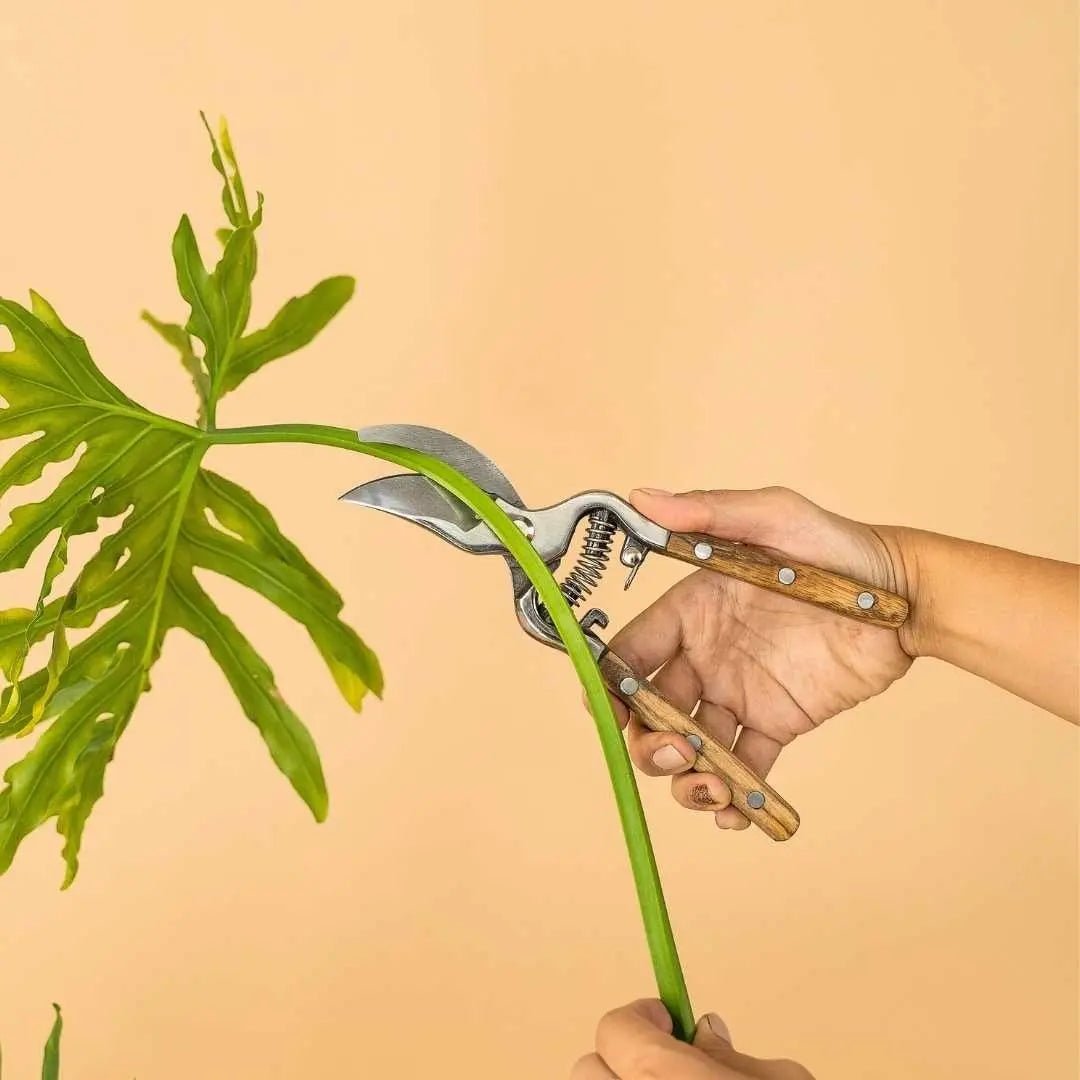
- Cut a stem section with clean scissors
- Let the cut end dry for 3-5 days (longer than in dry climates)
- Plant in dry, gritty mix
- Wait 1 week before first light watering
- Roots establish in 2-4 weeks
Indoor Succulent Setups for Singapore
If outdoor conditions are not suitable, consider:
Bright windowsill garden: Line an east or south-facing windowsill with small succulents in matching pots. Simple, clean, and effective.
Grow light shelf: A dedicated shelf with LED grow lights on a timer creates ideal conditions regardless of natural light availability.
Open terrarium: Glass containers without lids (closed terrariums trap moisture and kill succulents). Provide some air circulation.
Vertical wall planter: Wall-mounted frames with small pockets for succulents create living art. Needs a bright wall near a window.
Final Thoughts
Succulents in Singapore require more thought than in their native desert habitats, but success is absolutely achievable. Choose humidity-tolerant varieties, use extremely fast-draining soil, maximise light exposure, and protect from rain. These adjustments overcome Singapore's climate challenges and let you enjoy these beautiful, resilient plants.
Start with Haworthia, Aloe, or a Jade Plant — all proven performers in Singapore — and build your succulent collection from there.
Explore our succulent collection at Tumbleweed Plants.
Quick summary
Key Takeaways
- The Singapore Succulent Challenge
- Succulents That Thrive in Singapore
- Essential Care Adjustments for Singapore
- Container Choices
- Common Problems in Singapore
- Propagation
Ready to bring some green into your home?
Browse 250+ hand-picked plants, curated for Singapore homes — delivered to your door.
Browse All Plants →