

















Succulent Care in Singapore: How to Grow Succulents in a Humid Tropical Climate
Posted on April 08 2026
In this article
- Why Succulents Struggle in Singapore's Climate
- Choosing the Right Soil Mix for Succulents in Singapore
- How to Water Succulents in Singapore (Less Than You Think)
- How Much Light Do Succulents Need in Singapore?
- Best Succulents for Singapore's Climate
- Common Succulent Problems in Singapore (and How to Fix Them)
- Advanced Tips for Growing Succulents in Singapore
- Can You Grow Succulents Outdoors in Singapore?
- Start Your Succulent Collection the Right Way
Succulents are everywhere — on Instagram feeds, minimalist desks, and gift shop shelves. But if you've ever tried growing them in Singapore and watched them slowly turn to mush, you're not alone.

Here's the uncomfortable truth: most standard succulent care advice is written for dry, temperate climates. Following those tips in Singapore's hot, humid environment is a recipe for rotting roots and disappointed plant parents.
The good news? You absolutely can grow beautiful succulents in Singapore. You just need to throw out the rulebook and adapt your approach to our unique tropical conditions. This guide will show you exactly how.
Why Succulents Struggle in Singapore's Climate
To understand how to keep succulents alive here, it helps to understand where they come from.
Most popular succulents — echeveria, sedum, haworthia, graptopetalum — are native to arid and semi-arid regions of Mexico, South Africa, and the Mediterranean. They evolved to:
- Store water in their thick, fleshy leaves and stems
- Survive long periods of drought
- Thrive in low humidity (often 20–40%)
- Enjoy intense, direct sunlight
- Tolerate cool nighttime temperatures
Now compare that to Singapore:
- Average humidity: 70–90%
- Rainfall: Over 2,300 mm per year
- Temperature: 25–32°C year-round with minimal nighttime cooling
- Overcast skies: Frequent cloud cover reduces direct sunlight
You can see the mismatch. Singapore's conditions are essentially the opposite of what most succulents evolved for. But with the right adjustments, we can bridge that gap.
Choosing the Right Soil Mix for Succulents in Singapore

This is the single most important factor for succulent success in Singapore. Standard potting soil retains far too much moisture for our climate. You need a mix that drains almost instantly.
The ideal Singapore succulent soil mix
- 40% coarse pumice or perlite — provides aeration and drainage
- 30% coarse sand (not fine beach sand) — improves drainage further
- 20% quality potting soil or coco coir — just enough organic matter to hold minimal nutrients
- 10% horticultural charcoal — absorbs excess moisture and prevents fungal growth
The test: When you water your mix, the water should flow through within seconds. If it pools on the surface or the mix stays soggy for more than a day, it's too moisture-retentive.
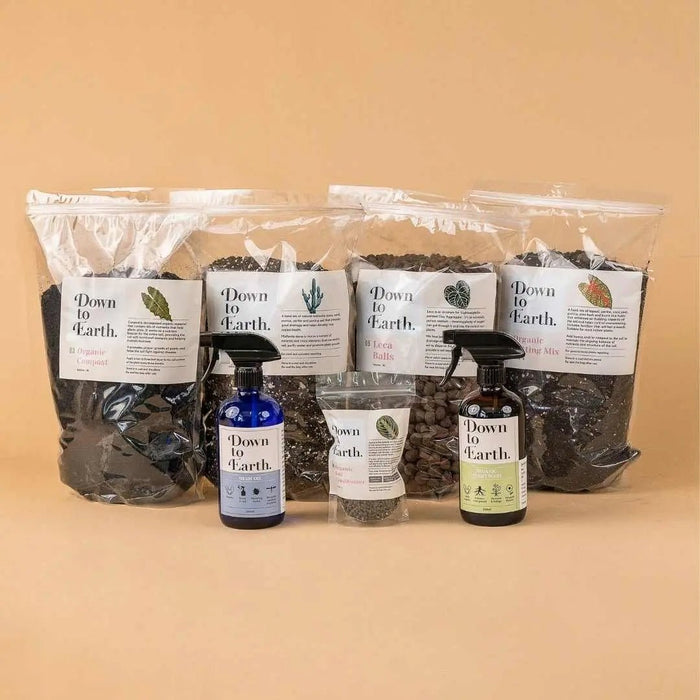
You can also buy pre-mixed cactus and succulent soil from garden centres, but in Singapore, even these commercial mixes often need extra perlite or pumice added to improve drainage.
Choosing the right pot
- Always use pots with drainage holes. This is non-negotiable in Singapore's climate.
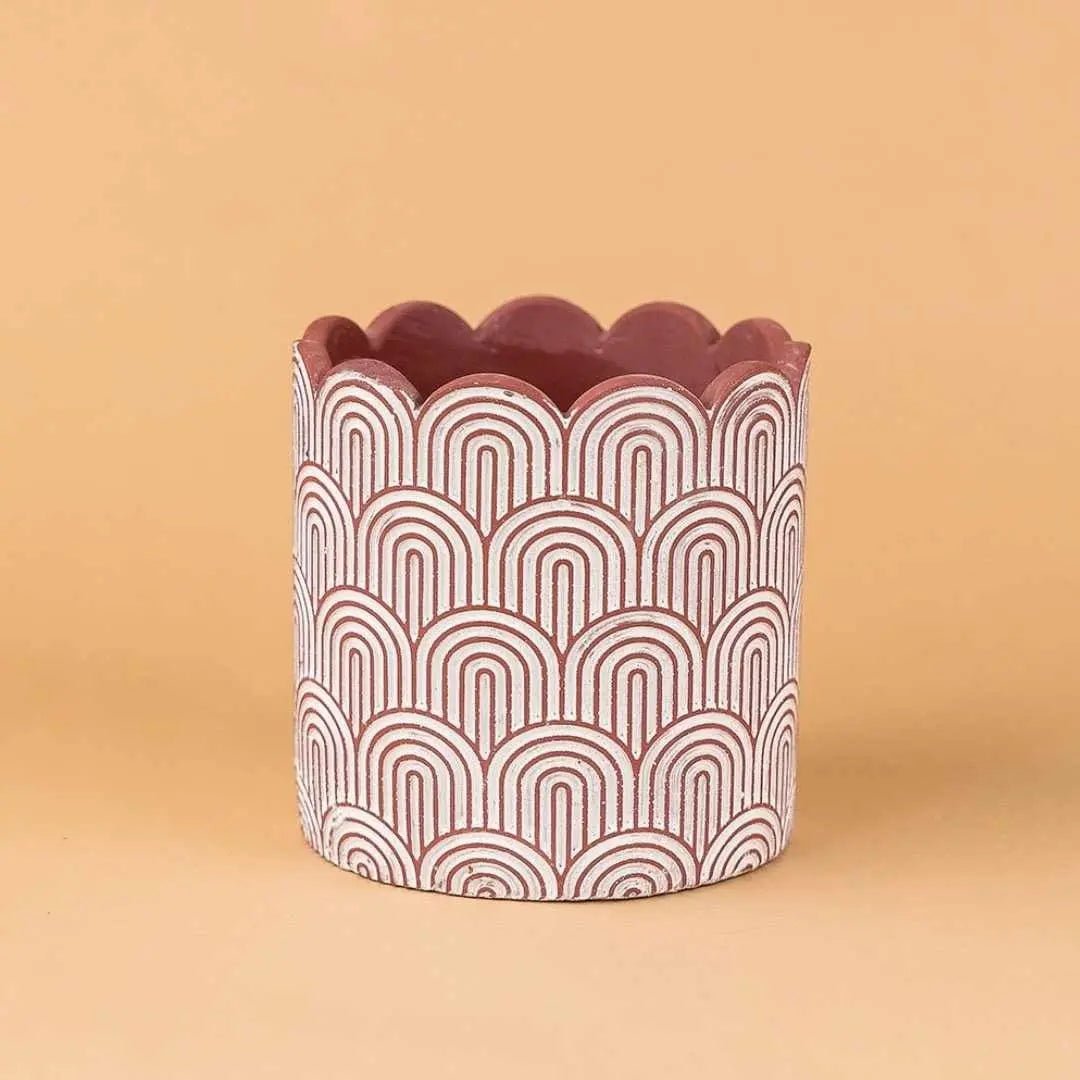
- Terracotta pots are the best choice because they're porous and allow moisture to evaporate through the walls.
- Avoid glazed ceramic or plastic pots if you can — they trap moisture.
- Size matters: Choose a pot only slightly larger than the plant. Excess soil holds excess moisture.
How to Water Succulents in Singapore (Less Than You Think)
In a drier climate, the classic "soak and dry" method works well. In Singapore, you need to be even more conservative.
Singapore succulent watering rules
- Water only when the soil is completely bone dry — not just the top layer, but all the way through. Stick a wooden chopstick into the soil; if it comes out clean and dry, it's safe to water.
- Water deeply but infrequently. When you do water, soak the soil thoroughly and let all excess drain away.
- Typical frequency: Every 10–21 days, depending on the pot material, soil mix, and placement. Some growers in Singapore water their outdoor succulents only once every 2–3 weeks.
- Reduce watering during the monsoon season (November–January), when ambient humidity is at its highest.
- Water in the morning so any moisture on the leaves evaporates quickly during the day.
- Never mist succulents. Singapore's humidity is already more than enough. Additional moisture on the leaves invites rot and fungal problems.
The golden rule: When in doubt, don't water. A slightly thirsty succulent will recover. An overwatered one often won't.
How Much Light Do Succulents Need in Singapore?

Most succulents need at least 4–6 hours of direct or bright indirect sunlight daily. In Singapore, this means:
- Best placement: An outdoor balcony, window ledge, or any spot that receives morning sun. East-facing locations are ideal — they get gentle morning light without the scorching afternoon intensity.
- Acceptable placement: A west-facing spot with afternoon sun, though some tender species may need light shade during the hottest hours (12–3 pm).
- Avoid: Fully indoor spots far from windows. Most succulents will etiolate (stretch out and become leggy) without sufficient light.
Signs your succulent needs more light
- Etiolation: The stem stretches upward with wide gaps between leaves, giving the plant a "leggy" look.
- Leaves flattening out instead of holding their compact rosette shape.
- Pale or washed-out colour.
- Leaning persistently toward the nearest light source.
What about grow lights?
If you want to keep succulents indoors in Singapore, a full-spectrum LED grow light is almost essential. Position the light 15–30 cm above the plants and run it for 10–14 hours per day. This can make a dramatic difference, especially for light-hungry species like echeveria.
Best Succulents for Singapore's Climate
Not all succulents are created equal when it comes to humidity tolerance. These varieties handle Singapore's conditions better than most:
- Haworthia — Tolerates lower light and higher humidity. A great choice for indoor growing.
- Gasteria — Similar to Haworthia, with attractive tongue-shaped leaves. Very forgiving.
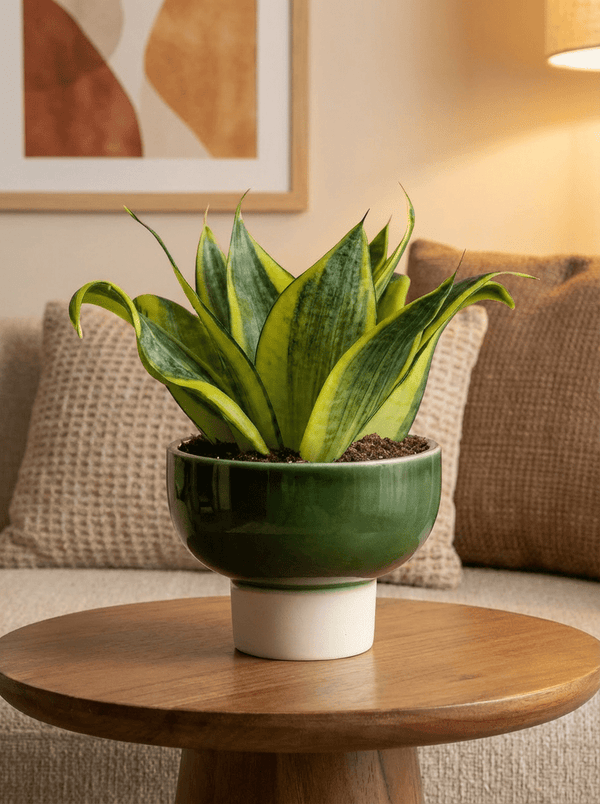
- Sansevieria (snake plant) — Technically a succulent. Virtually indestructible in Singapore.
- Jade Plant (Crassula ovata) — Surprisingly adaptable to tropical humidity if given good drainage.
- Aloe vera — Handles Singapore's conditions well, especially outdoors.
- Kalanchoe — Produces colourful flowers and tolerates humidity better than many rosette-type succulents.
- Sedum (certain species) — Sedum rubrotinctum and Sedum morganianum (Burro's Tail) do reasonably well.
Species to approach with caution
- Echeveria — Gorgeous but the most rot-prone in our climate. Needs extremely well-draining soil, careful watering, and excellent air circulation.
- Lithops (Living Stones) — Extremely sensitive to overwatering and humidity. Very challenging in Singapore.
- Aeonium — Prefers Mediterranean climates with dry summers and cool, wet winters. Struggles in constant tropical heat.
Common Succulent Problems in Singapore (and How to Fix Them)

Root rot and stem rot
The problem: This is the number one killer of succulents in Singapore. The plant becomes soft, mushy, and translucent at the base, and the stem may turn black.
The fix:
- Remove the plant from its pot immediately.
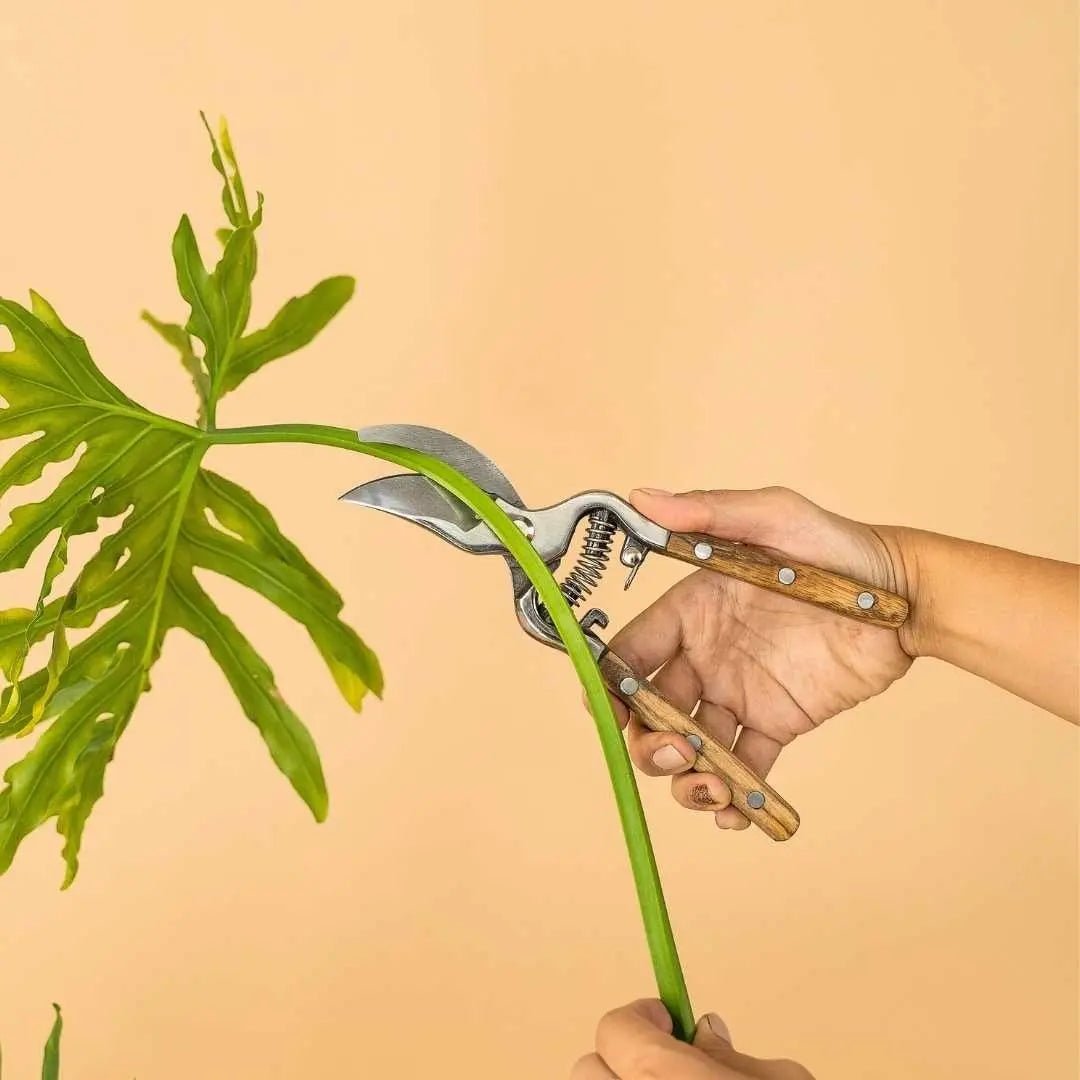
- Cut away all rotted roots and stem tissue with a clean, sharp blade — cut until you see only firm, healthy tissue.
- Let the cut end callous over for 2–3 days in a dry, shaded spot.
- Replant in completely dry, fast-draining soil.
- Wait at least 5–7 days before watering again.
- Review your soil mix, pot, and watering schedule to prevent recurrence.
Black spots and fungal issues
The problem: Dark, mushy spots on leaves, often spreading. Caused by excess moisture and poor air circulation.
The fix:
- Remove affected leaves immediately.
- Improve air circulation around the plant (a small fan can help indoors).
- Reduce watering frequency.
- Apply a fungicide if the problem persists.
- Ensure the plant isn't sitting in a humid, stagnant corner.
Etiolation (stretching)
The problem: Stems elongate, leaves space out, and the plant loses its compact shape.
The fix:
- Move the plant to a brighter location. This is the only real solution.
- Once a succulent has etiolated, it won't "un-stretch." You can behead the plant — cut the top rosette with a few centimetres of stem, let it callous, and replant it. The beheaded stump will often produce new pups.
Leaf drop
The problem: Leaves fall off at the slightest touch or without any provocation.
The fix:
- If the dropped leaves are mushy and translucent — overwatering. Reduce watering immediately.
- If the dropped leaves are dry and shrivelled — underwatering (less common in Singapore but possible if you've been too cautious). Give the plant a thorough drink.
Advanced Tips for Growing Succulents in Singapore
Once you've mastered the basics, try these strategies to take your succulent game to the next level:
- Use a fan. Air circulation is crucial in humid environments. A small USB desk fan near your succulents can significantly reduce fungal issues and help soil dry faster.
- Top dress with gravel or pumice. A layer of inorganic material on the soil surface keeps the base of the plant dry and reduces contact with moist soil.
- Shelter from rain. If your succulents are outdoors, place them under an overhang or shelf where they receive light but are protected from Singapore's torrential downpours.
- Fertilise sparingly. Succulents are light feeders. A diluted cactus fertiliser (quarter strength) once a month during the growing season is more than enough. Over-fertilising in our climate promotes soft, rot-prone growth.
- Quarantine new plants. Inspect new succulents for mealybugs and scale insects before placing them with your collection. These pests are common in Singapore.
Can You Grow Succulents Outdoors in Singapore?
Yes, and many growers find outdoor succulents actually do better than indoor ones — provided they're sheltered from rain and receive adequate sunlight.
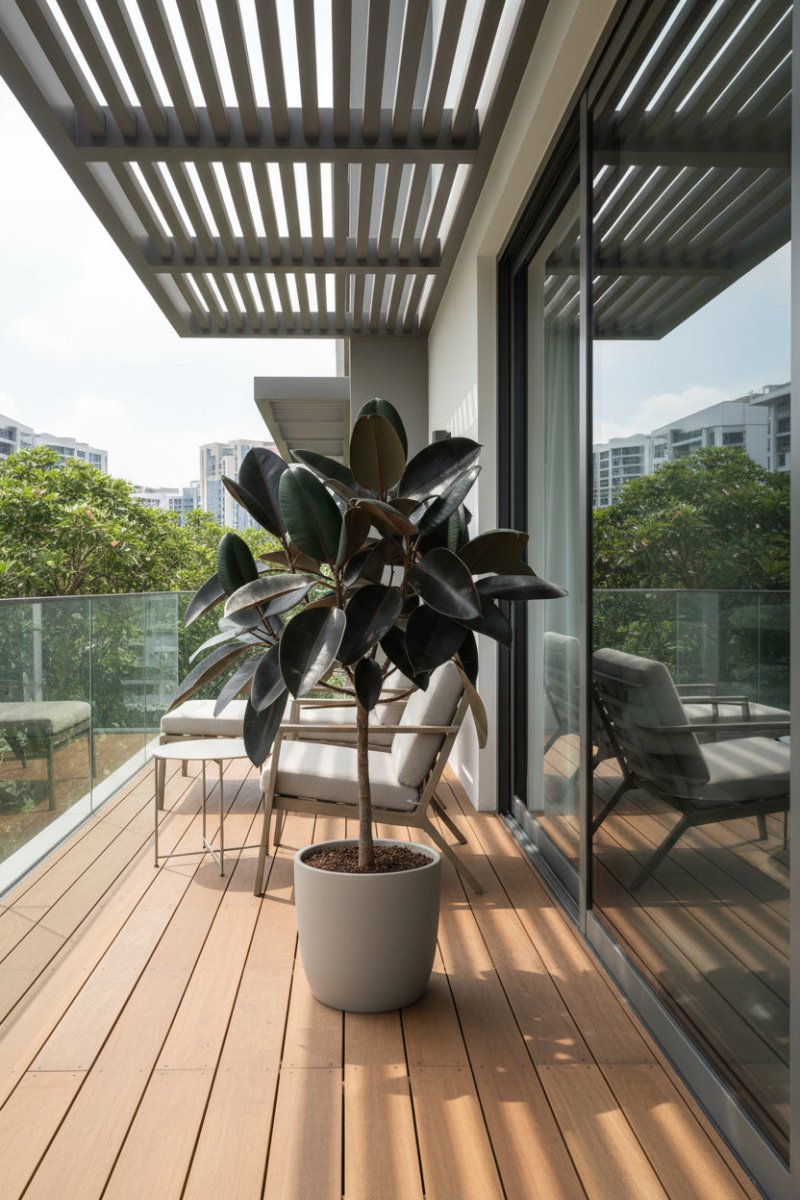
A covered balcony with morning sun is the ideal Singapore succulent setup. The natural air circulation, abundant light, and warm temperatures create much better conditions than a dim indoor shelf.
Just be sure to:
- Protect from direct rainfall
- Ensure the location gets at least 4–6 hours of sunlight
- Use extra-gritty soil and terracotta pots
- Monitor closely during the monsoon season
Start Your Succulent Collection the Right Way
Growing succulents in Singapore is a challenge, but it's a deeply rewarding one once you crack the code. The key is understanding that drainage is king, watering less is almost always better, and light is non-negotiable.
Start with the hardier species on our list, get your soil mix right, and resist the urge to overwater. Before you know it, you'll have a thriving succulent collection that defies Singapore's humidity.
Explore our range of succulents and cacti at tumbleweedplants.com — we carry varieties selected for their suitability to local growing conditions. Happy planting!
Quick summary
Key Takeaways
- Why Succulents Struggle in Singapore's Climate
- Choosing the Right Soil Mix for Succulents in Singapore
- How to Water Succulents in Singapore (Less Than You Think)
- How Much Light Do Succulents Need in Singapore?
- Best Succulents for Singapore's Climate
- Common Succulent Problems in Singapore (and How to Fix Them)
Ready to bring some green into your home?
Browse 250+ hand-picked plants, curated for Singapore homes — delivered to your door.
Browse All Plants →