
















Indoor Plant Hand Tools in Singapore: A Small Care Kit for Cleaner Repotting and Pruning
Posted on August 11 2026
Good indoor plant care does not require a large balcony cabinet or a full gardening shed. In many Singapore apartments, the most useful setup is a small, easy-to-clean kit: a narrow scoop for topping up soil, a rake or fork for loosening compacted mix, and a gentle hand tool for working around roots without disturbing the whole plant.
This guide explains how to choose and use compact indoor plant hand tools for repotting, pruning prep and everyday maintenance at home. It is written for Singapore conditions: warm rooms, high humidity, compact HDB and condo spaces, and plants that often live on shelves, sideboards or balcony corners rather than in outdoor garden beds.
Why indoor plant tools are different from outdoor garden tools
Outdoor tools are usually designed for heavy soil, deep planting beds and larger shrubs. Indoor plant tools need to be smaller and more precise. A houseplant pot may only be 12–25 cm wide, and many common indoor plants have roots close to the surface. Oversized tools can scrape roots, spill potting mix over furniture, or make it harder to work neatly around decorative planters.
For most homes, a compact set such as Leaf & Soil Hand Tools is more practical than a full garden set. The goal is not to dig aggressively; it is to move soil cleanly, loosen the top layer, and create space for a small amount of fresh mix or slow-release nutrition.
What to keep in a small plant-care kit
A simple indoor kit can cover most routine jobs:
- A small scoop or shovel for adding potting mix without pouring directly from a bag.
- A mini rake or fork for gently loosening compacted topsoil before watering or repotting.
- A narrow hand tool for creating small gaps near the edge of the pot when topping up mix.
- A clean cloth for wiping tools before moving between plants.
- A tray, old newspaper or reusable mat to catch soil if you are working on a dining table or balcony ledge.
You can browse more care materials in the Plant Care & Accessories collection, but it is better to start small and use each tool well than to collect items you rarely reach for.
How to use hand tools when repotting indoor plants
Repotting in Singapore is often triggered by fast growth, compacted mix, or roots circling the bottom of the nursery pot. Before you lift the plant out, use a small tool to loosen the top 1–2 cm of mix. This helps you see whether the surface is just dry and crusted, or whether the whole root ball is tight.
When moving a plant into a new pot, add a base layer of suitable mix first. Then place the root ball in the centre and use a scoop to fill the sides gradually. Avoid pressing the mix down too hard. Indoor roots still need air pockets, especially in humid Singapore rooms where wet soil can stay damp longer than expected.
When loosening soil helps — and when it does not
Lightly loosening the topsoil can help water absorb more evenly, especially if the surface has become crusty from repeated watering. It can also make it easier to remove fallen leaves or old fertiliser granules.
However, do not rake deeply through the pot every week. If a plant is wilting because the root ball is fully compacted, or if water runs straight down the sides without soaking in, the real fix may be repotting into fresh mix rather than repeatedly disturbing the top layer.
Using tools around fertiliser and soil top-ups
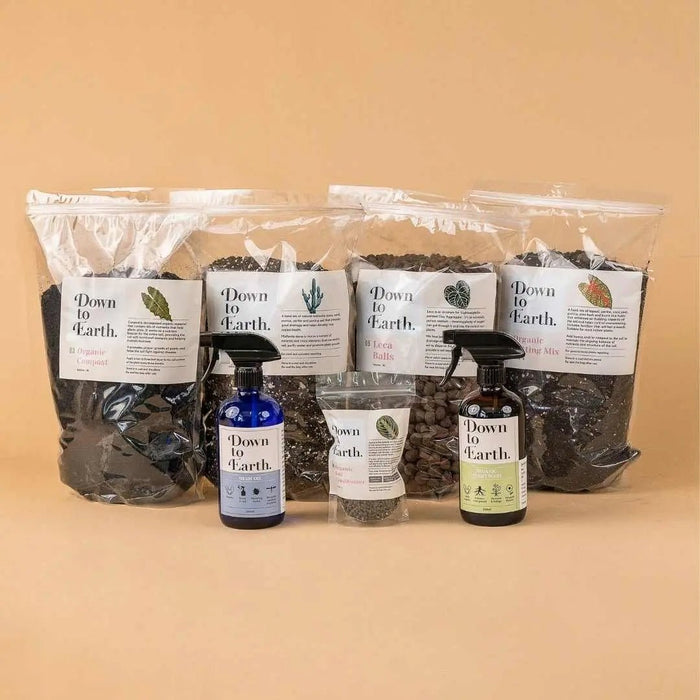
For slow, steady feeding, many indoor plant owners prefer a measured fertiliser rather than frequent liquid feeding. If you use a product such as Down To Earth. 06 Slow Release Fertilizer, a small hand tool can help you lightly incorporate it into the top layer according to the product directions instead of leaving everything piled in one spot.
The same approach works when topping up a plant that has settled lower in its pot. Add a little mix, spread it evenly with a small tool, and keep the plant’s stem or crown clear. Covering the crown too deeply can invite moisture problems, especially for plants that prefer airflow around the base.
Clean tools matter in humid homes
Singapore’s humidity is kind to many tropical plants, but it also means damp soil and plant residue can cling to tools. Wipe tools after use and let them dry before storing them. If you have just worked on a plant with suspected pests or root issues, clean the tool before using it on another plant. This simple habit reduces the chance of moving pests, fungus or old wet soil between pots.
Which plants benefit most from precise tools?
Compact tools are especially useful for tabletop plants, trailing plants, young potted plants and any plant placed inside a decorative cover pot. They also help when caring for plants with tight root systems, where you need to work slowly around the edge instead of pulling everything apart by hand.
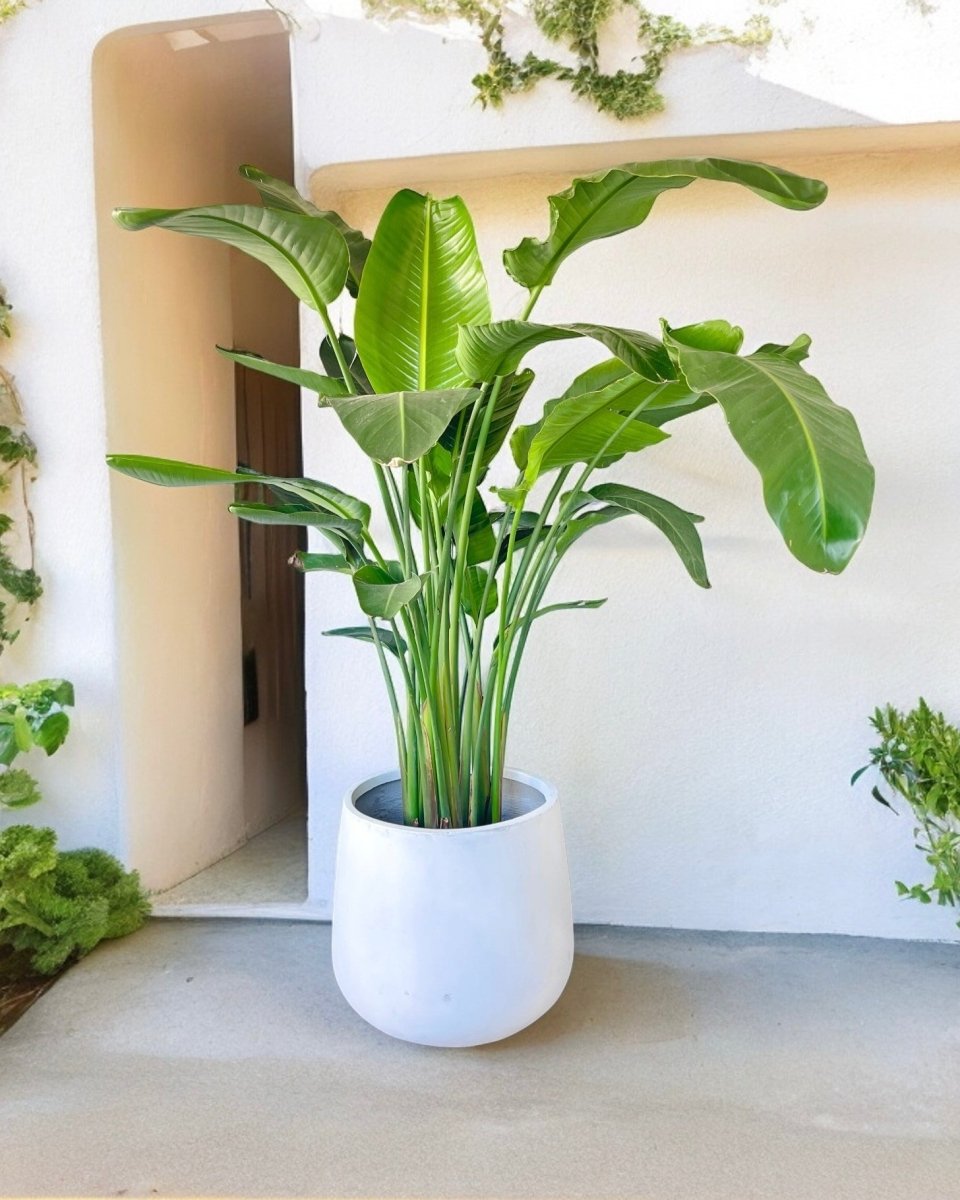
If you are refreshing a larger floor plant, hand tools are still useful for the finishing layer. After the main repotting is done, use a smaller scoop to neaten the surface, level the mix and keep soil away from the rim of the planter.
FAQ: indoor plant hand tools
Do I need separate tools for indoor plants?
You do not need a large set, but smaller tools make indoor care cleaner and more controlled. They are easier to use around roots and fit better in compact pots.
Can I use kitchen spoons for repotting?
You can in a pinch, but dedicated plant tools are better for hygiene and shape. Keep plant-care tools separate from food utensils and clean them after use.
How often should I loosen the topsoil?
Only when the surface has compacted or when you are topping up mix. Regular deep disturbance can stress roots, so keep it light and occasional.
What should I buy first?
Start with a compact scoop and rake-style tool, then add care materials only when you need them. For most homes, a small kit plus the right potting mix is enough for routine maintenance.
With the right small tools, indoor plant care becomes less messy and more deliberate. You can repot on a balcony, refresh a desk plant, or top up soil on a shelf plant without turning the job into a full clean-up session. Explore more care essentials in Plant Care & Accessories or browse indoor plants at Tumbleweed Plants.