














Ripple Planters in Singapore: How to Style Soft Ceramic Pots with Indoor Plants
Posted on August 11 2026
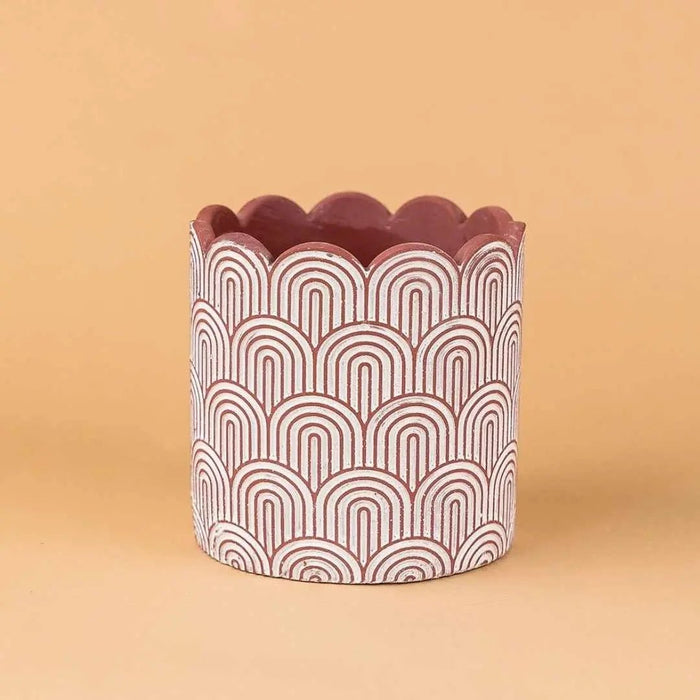
Ripple planters are an easy way to make indoor plants look considered without making a room feel over-decorated. Their soft ridged texture adds movement, while the simple ceramic shapes keep the overall look calm enough for Singapore apartments, work desks, balcony corners and compact shelves.
If you already have a healthy plant in a plain nursery pot, a Ripple-style outer planter can be the finishing layer that makes it feel at home. This guide explains how to choose the right size, pair Ripple pots with indoor plants, and style them safely in warm, humid Singapore homes.
Why Ripple planters work well indoors
Texture matters in small spaces. Smooth furniture, white walls and built-in storage can make a room feel flat, especially in newer HDB flats and condos. A ribbed ceramic pot gives the plant corner a little depth without needing loud colours or heavy décor.
Ripple planters are also versatile: the rounded lines suit leafy plants, compact succulents, trailing vines and small sculptural stems. They can look polished on a sideboard, gentle on a bedside table, or relaxed beside a reading chair.
Choose the planter size before the plant size
The best-looking planter is not always the biggest one. Start by checking the diameter and height of the plant’s nursery pot. A decorative cover pot should usually be slightly wider than the grow pot, with enough space for the plant to sit straight but not so much space that the whole arrangement looks swallowed.
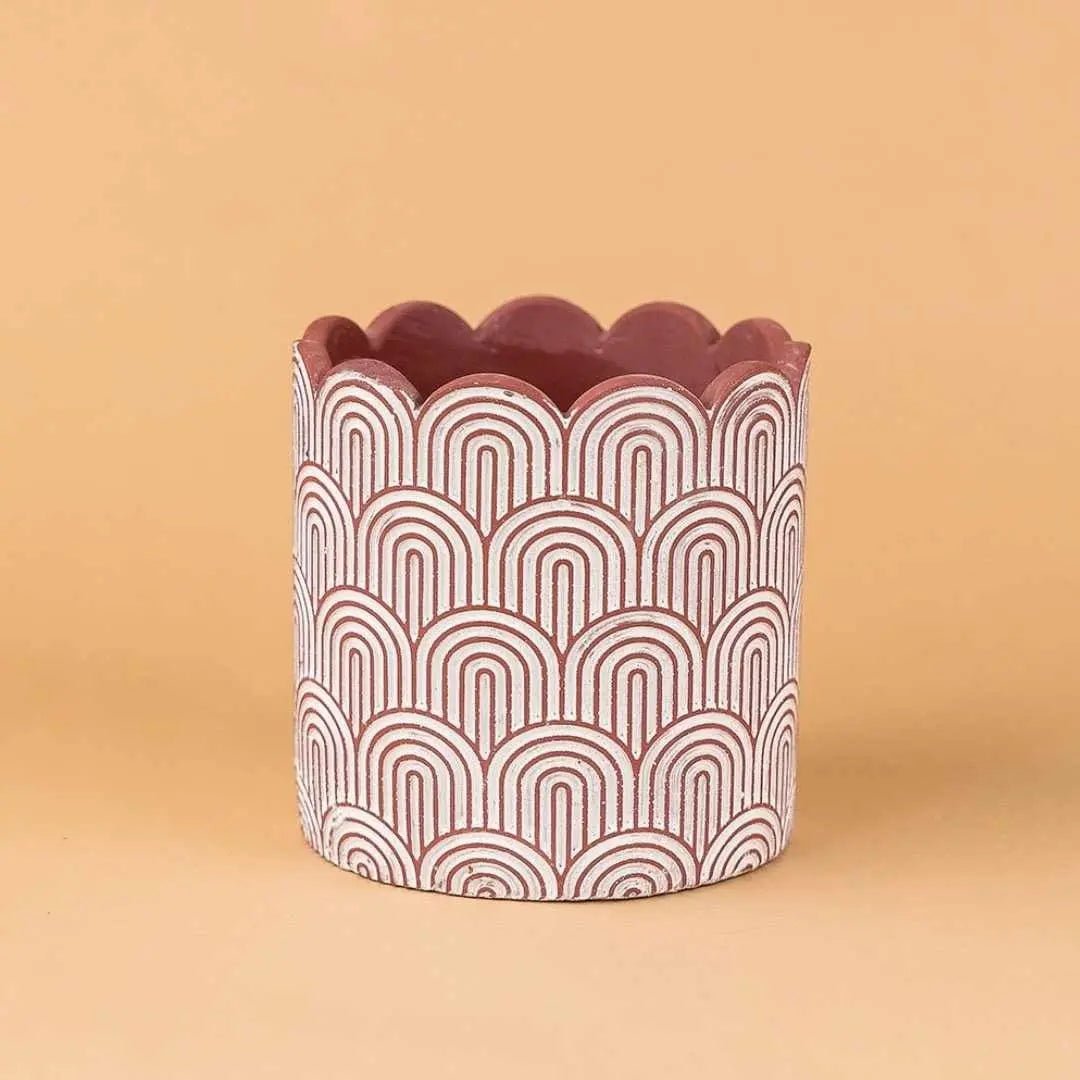
For a mini Ripple pot, think of small tabletop plants, propagation pots, petite succulents or a compact leafy plant. For a larger bowl shape, use it as a low, grounded accent on coffee tables, consoles or shelves where you want width rather than height. A medium duotone pot works well for common indoor plants that need a clean outer cover without becoming a floor-standing statement.
How to pair Ripple pots with different plants
Soft foliage
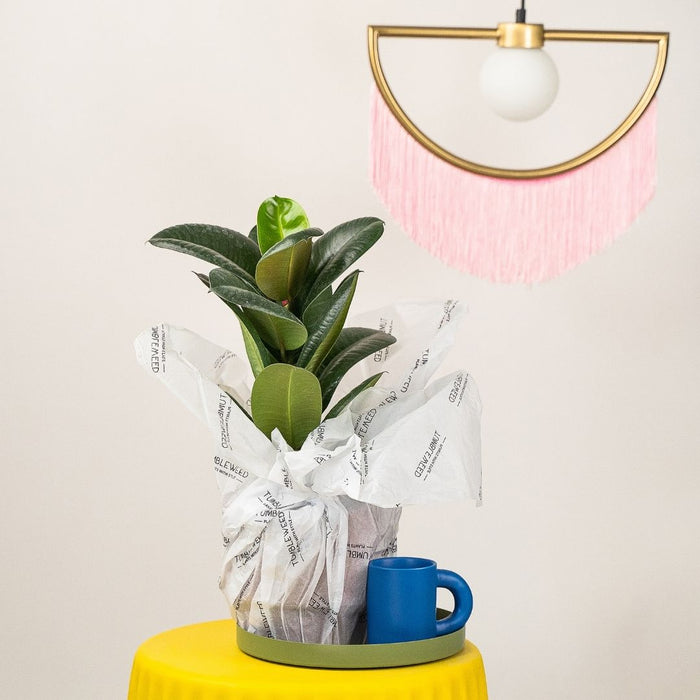
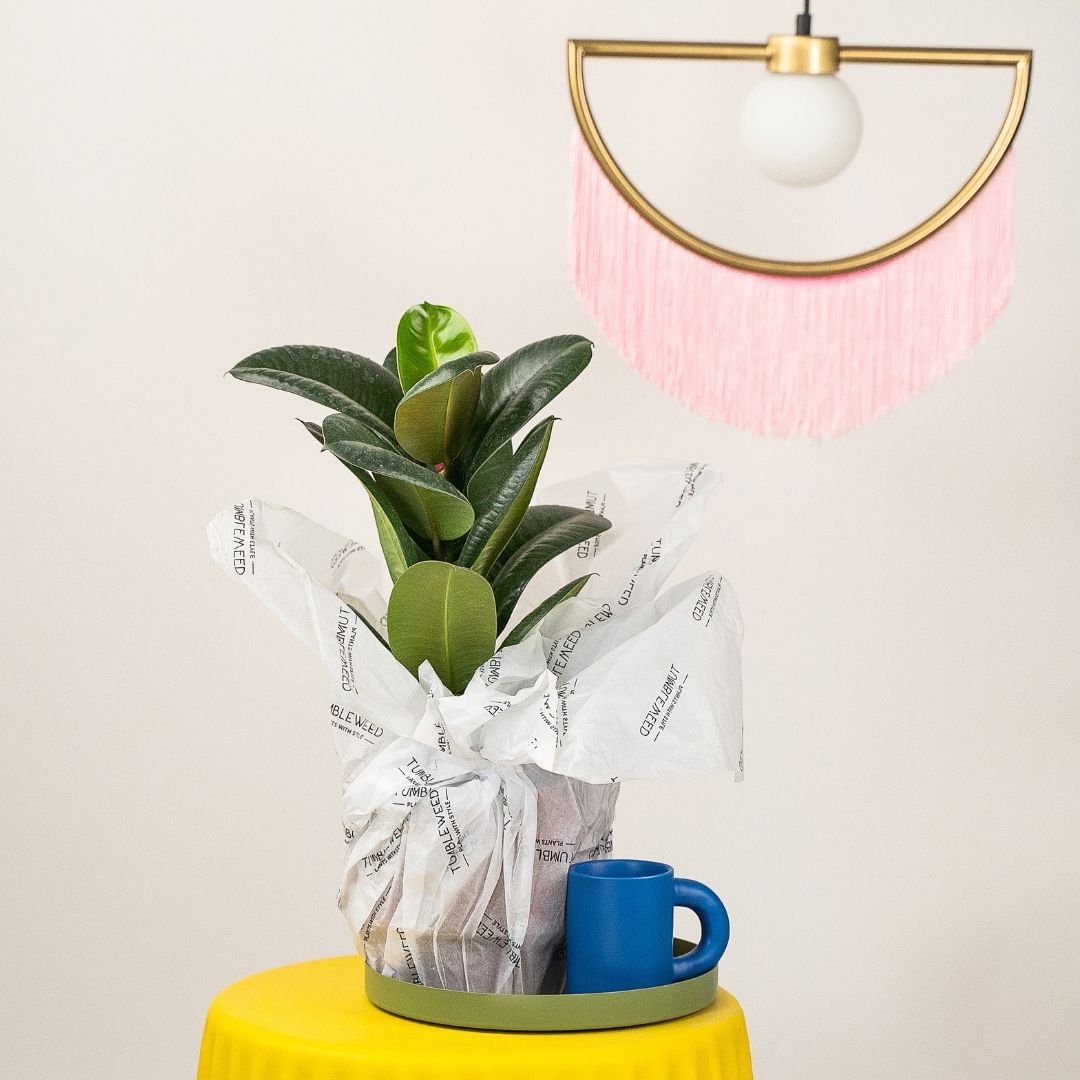
Plants with rounded or arching leaves look especially good with ribbed planters because the textures echo each other gently. Try pairing Ripple-style pots with pothos, philodendrons, baby rubber plants, calatheas, peace lilies or compact palms if the light in the room suits the plant.
Sculptural plants
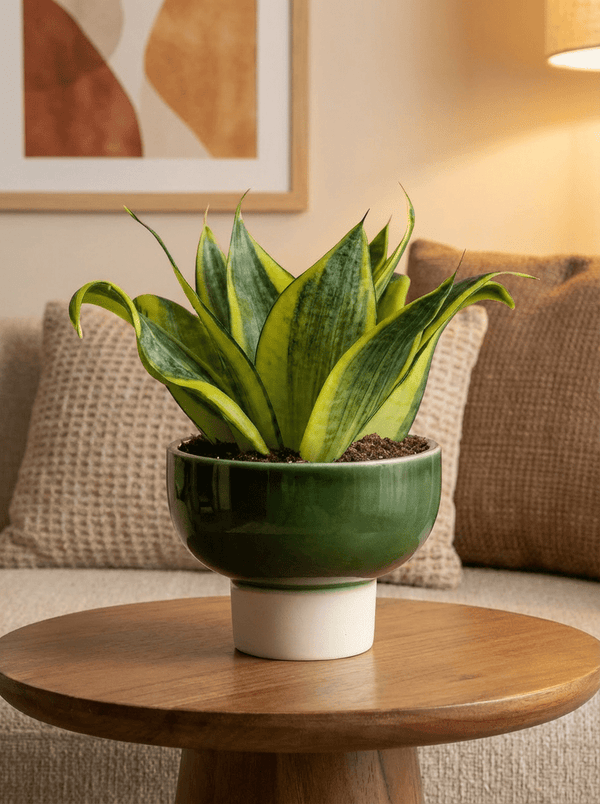
If the plant has upright stems or bold leaves, a Ripple pot can soften the silhouette. This works well for small snake plants, young ficus, aglaonema or compact dracaena when you want a neater display on a shelf or cabinet.
Small succulents and cactus arrangements
Low bowl shapes are useful for dry-loving plants because they look intentional even when the plant itself is small. Keep drainage in mind and avoid letting succulent roots sit in water.
Drainage matters: use Ripple pots the right way
Many decorative planters are best used as cover pots. That means the plant remains in its nursery grow pot, and the Ripple planter sits outside it as the decorative layer. When it is time to water, lift the grow pot out, water thoroughly over a sink or balcony drain, let the excess drip away, then return it to the cover pot.
This habit is especially important in Singapore, where humid rooms can slow evaporation. If water collects at the bottom of an outer pot, roots may stay wet for too long, causing yellow leaves, fungus gnats or root rot. A good-looking planter should still support healthy care.
Where to style Ripple planters at home
- Entry console: choose a medium leafy plant in a Ripple pot to make the doorway feel softer.
- Work desk: use a mini pot with a compact plant that does not block your screen or take up too much surface space.
- TV console: place a low bowl planter on one side to balance books, candles or décor objects.
- Bedroom shelf: keep the palette gentle with a small plant and a neutral ceramic pot.
- Sheltered balcony: use ceramic planters away from heavy rain and harsh afternoon sun.
Colour and texture tips for Singapore interiors
For bright, minimal rooms, use Ripple pots as a quiet texture layer rather than a statement colour. Neutral tones work well with light wood, rattan, cream fabric and warm lighting. If your home has darker furniture, the ribbed surface helps the planter catch light so the plant corner still feels fresh.
Try grouping one Ripple planter with a taller plant, a trailing plant and a simple tray. Keep the heights varied so the display looks natural. If everything is the same height, even beautiful pots can look lined up rather than styled.
Current Ripple planter options at Tumbleweed
These Ripple-family pieces are currently available to consider for different spaces:
- Ripple Bowl Ceramic Planter — a current Ripple-family option with live inventory.
- Ripple Cup Planter Mini — a current Ripple-family option with live inventory.
- Ripple Duotone Pot — a current Ripple-family option with live inventory.
You can also browse more plant pots, planters and indoor plants to build a pairing that suits your room and light level.
Quick styling checklist
- Measure the grow pot before choosing a decorative planter.
- Keep the plant in a draining nursery pot if the ceramic pot is used as a cover pot.
- Match low bowl planters with tabletop plants and medium pots with fuller foliage.
- Use ribbed texture to add warmth to simple shelves, consoles and workspaces.
- Water outside the decorative pot, let the plant drain, then place it back.
FAQ
Can I plant directly into a Ripple planter?
Only do this if the planter has suitable drainage and the plant’s soil needs are matched. For most indoor setups, using it as a cover pot is cleaner and easier to manage.
What plants look best in ribbed ceramic pots?
Compact leafy plants, trailing vines, small succulents and upright foliage plants all work well. Choose based on the light in your home first, then match the pot style.
Are ceramic planters suitable for humid Singapore homes?
Yes, as long as you manage drainage. Avoid leaving water pooled inside decorative pots, especially in air-conditioned or lower-light rooms.
How many planters should I group together?
Two or three is enough for most shelves or consoles. Vary the height, leaf shape and pot size so the display feels natural.