
















Tradescantia Care Guide for Singapore
Posted on April 09 2026
In this article

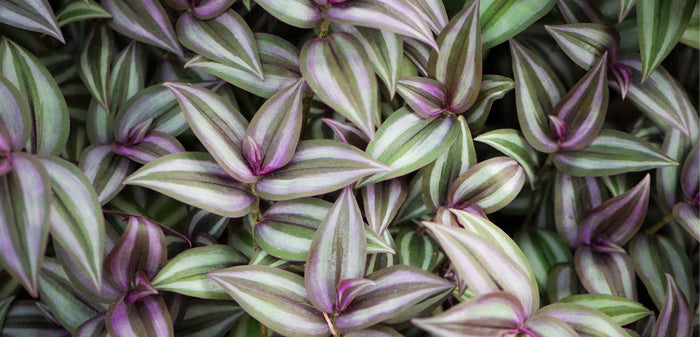
Tradescantia — also known as Inch Plant or Spiderwort — is one of the fastest-growing and most colourful trailing plants you can grow in Singapore. Its foliage comes in stunning shades of purple, pink, silver, and green, often with metallic sheens that shimmer in light.
For a plant that costs next to nothing and grows prolifically with minimal care, Tradescantia delivers extraordinary visual value.
Popular Varieties
Tradescantia Zebrina
The classic variety. Deep purple leaves with silver stripes on top and solid purple undersides. The metallic sheen catches light beautifully.
Tradescantia Nanouk
A newer cultivar with thick, pastel pink, white, and green striped leaves. Compact and slower-growing than Zebrina. The most Instagram-popular variety.
Tradescantia Pallida (Purple Heart)
Solid deep purple leaves and stems. More upright than trailing. Dramatic colour that intensifies in bright light.
Tradescantia Fluminensis
Green and white variegated trailing stems. Faster-growing and less colourful but very lush.
Tradescantia Sillamontana (White Velvet)
Fuzzy, silver-white leaves on compact stems. Unique tactile quality. More succulent-like in its water needs.
Light Requirements

Light directly determines Tradescantia's colour intensity.
Bright indirect light: Best colour. Purple becomes deeper, pink becomes brighter, silver sheen intensifies.
Some direct morning sun: Safe and beneficial. 2-3 hours of morning sun enhances colouring.
Low light: Plant survives but colours fade. Purple varieties turn greenish. Pink fades to pale.
Singapore placement:
- East-facing windowsill: ideal
- Bright shelf near any window: excellent
- Hanging basket on covered balcony: perfect for full colour
Watering
Tradescantia likes consistent moisture but is forgiving:
- Water every 4-6 days when the top 2cm of soil dries
- Slightly more in air-conditioned rooms
- Tolerates brief dry spells but prefers not to go bone dry
- Do not let it sit in standing water
Overwatering signs: Mushy, translucent stems at the base
Underwatering signs: Crispy leaf edges, slowed growth
Soil

Standard well-draining houseplant mix:
- 50% potting soil
- 30% perlite
- 20% coco coir
Tradescantia is not fussy about soil as long as it drains.
The Leggy Problem (and Solution)
The biggest Tradescantia frustration: bare, leggy stems with leaves only at the tips. This happens because:
- Lower leaves naturally shed as the plant ages
- Insufficient light accelerates legginess
- Stems lengthen without branching
The fix: Regular pruning.
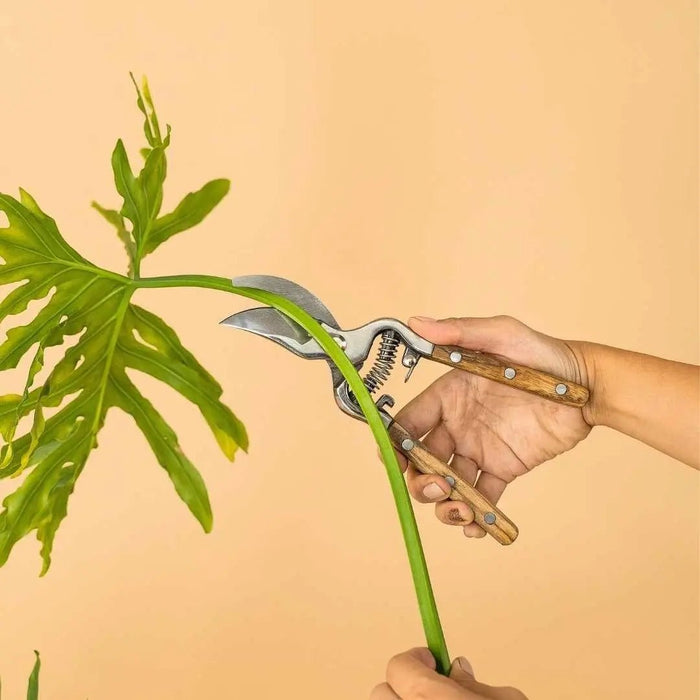
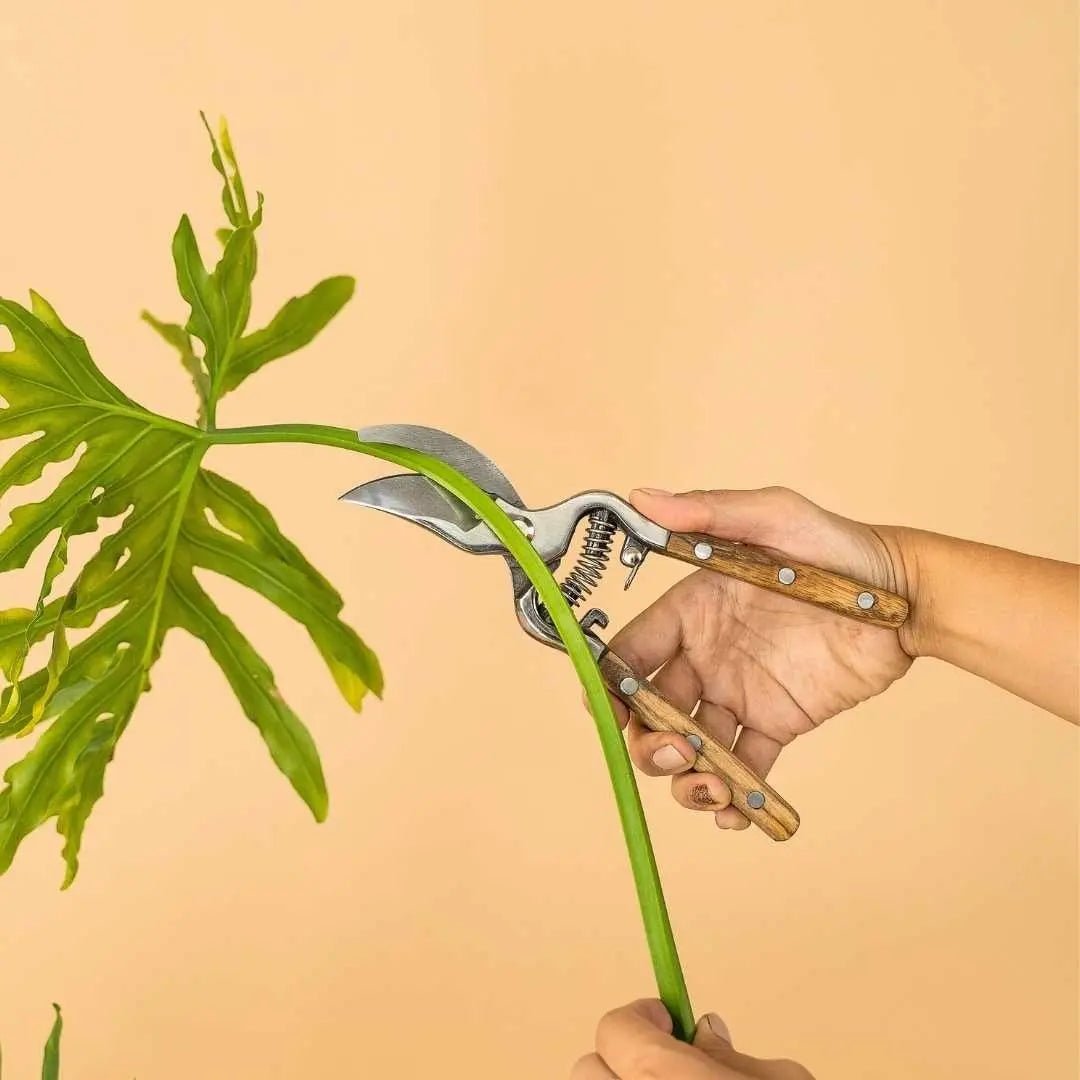
- Trim leggy stems back to a few centimetres above the soil
- The plant produces new growth from the cut points
- Root the trimmed sections as cuttings and add them back to the same pot for fullness
- Prune every 4-6 weeks during active growth
- Move to brighter light to slow future legginess
This "chop and prop" cycle is the secret to a permanently full, bushy Tradescantia.
Propagation
Tradescantia is one of the easiest plants to propagate — it practically wants to be shared.
Water Propagation
- Cut a 10-15cm stem with several nodes
- Remove lower leaves
- Place in water with nodes submerged
- Roots appear in 3-7 days in Singapore's warmth
- Pot up when roots are 3-5cm long
Direct Soil Propagation
- Take cuttings as above
- Push stem ends directly into moist potting mix
- Keep moist for 1-2 weeks
- Roots establish without the water-rooting step
The Full-Pot Method
Take 5-10 cuttings and plant them directly into a pot together. Within a few weeks, you have a full, lush plant from scratch. This is how nurseries produce those dense hanging baskets.
Fertilising
Light to moderate feeder:
- Balanced liquid fertiliser at half strength every 3-4 weeks
- Reduces to monthly in lower light
- Over-fertilising causes leggy, weak growth
Common Problems
Bare Lower Stems
Normal aging. Manage with regular pruning and repotting cuttings (see above).
Fading Colour
Insufficient light. Move to a brighter location. New growth should emerge more colourful.
Brown Leaf Tips
Low humidity or inconsistent watering. More common in air-conditioned rooms.
Root Rot
From overwatering or poor drainage. Ensure soil drains well and pots have drainage holes.
Pests
Tradescantia occasionally attracts:
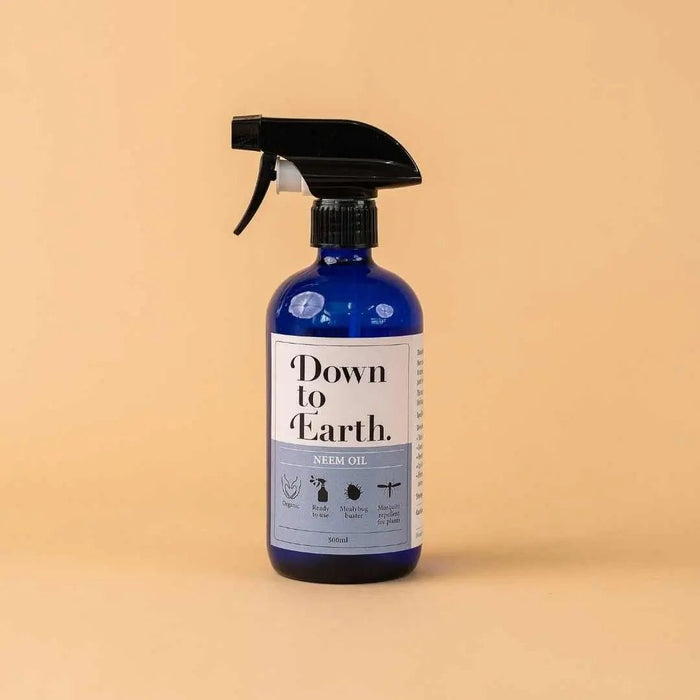
- Spider mites: Fine webbing, stippled leaves. Spray with neem oil.
- Aphids: On new growth. Spray with insecticidal soap.
- Fungus gnats: In moist soil. Let soil dry more between waterings.
Skin Irritation
Tradescantia sap can cause contact dermatitis in some people (and pets). Handle with care if you have sensitive skin. Wash hands after pruning.
Styling With Tradescantia
Hanging basket: The classic display. A full Tradescantia Zebrina trailing from a hanging basket is one of the most stunning budget displays in indoor gardening.
High shelf cascade: Place on the highest shelf and let stems trail downward. The purple undersides are visible as stems cascade — a feature you miss with tabletop placement.
Mixed trailing collection: Group with Pothos and String of Hearts for a trailing plant wall with varied leaf shapes and colours.
Propagation station: A row of glass jars with Tradescantia cuttings rooting in water doubles as decor. The purple stems look beautiful through glass.
Balcony colour: On a covered balcony, Tradescantia receives bright light that intensifies its colour to near-neon levels.
Final Thoughts
Tradescantia is the overachiever of the plant world — maximum colour, maximum growth, and minimum fuss. In Singapore's climate, it grows so vigorously that the only real maintenance is keeping up with pruning and sharing the abundance with friends.
Start with a Zebrina or Nanouk, learn the chop-and-prop technique, and you will never need to buy another trailing plant again.
Browse our plant collection at Tumbleweed Plants.
Quick summary
Key Takeaways
- Popular Varieties
- Light Requirements
- Watering
- Soil
- The Leggy Problem (and Solution)
- Propagation
Ready to bring some green into your home?
Browse 250+ hand-picked plants, curated for Singapore homes — delivered to your door.
Browse All Plants →