


















Best Indoor Plants for Your Singapore Kitchen
Posted on April 09 2026
In this article

The kitchen is one of the most underrated rooms for indoor plants. It offers something most other rooms in a Singapore HDB or condo cannot — naturally higher humidity from cooking, steam from the kettle, and running water from the sink. For the right plants, your kitchen is practically a greenhouse.
Yet most plant parents overlook the kitchen entirely. Plants end up in the living room, the bedroom, even the bathroom — but the kitchen window ledge sits empty. That changes today.
Why Kitchens Are Great for Plants
Singapore kitchens have unique characteristics that many houseplants love:
Humidity. Every time you boil water, steam rice, or wash dishes, you are raising the ambient humidity. Plants that struggle in air-conditioned living rooms — like ferns and Calatheas — can thrive near the kitchen sink.
Light variation. Most Singapore kitchens have at least one window, often facing the service yard or an air well. This typically provides bright indirect light — ideal for many foliage plants. Even kitchens with smaller windows receive enough light for shade-tolerant species.
Warmth. Kitchens tend to be warmer than air-conditioned rooms, which tropical plants prefer. Consistent warmth promotes steady growth year-round.
Daily attention. You are in the kitchen every day, which means you notice when a plant looks dry, droopy, or pest-ridden. This built-in monitoring routine is surprisingly valuable for plant health.
Challenges to Consider

It is not all perfect. Kitchens present a few challenges you need to plan around:
Temperature fluctuations. The area directly above or beside the stove experiences rapid temperature swings. Keep plants at least 60 centimetres away from burners and ovens.
Grease and cooking residue. Oil vapour from frying settles on nearby surfaces, including plant leaves. Plants close to the stove will need more frequent leaf cleaning.
Limited counter space. Singapore kitchens are compact. You need plants that fit into small spaces — windowsills, wall-mounted pots, hanging planters, or the top of the fridge.
Cleaning products. Aerosol sprays and strong cleaning chemicals can damage plant foliage. Keep plants away from the area directly under the kitchen sink where cleaning supplies are stored and used.
Best Plants for Singapore Kitchens
Herbs: Functional and Beautiful
Growing herbs in the kitchen is the ultimate intersection of practicality and aesthetics. Fresh herbs within arm's reach of the stove elevate your cooking and fill the kitchen with fragrance.
Best herbs for Singapore kitchens:
- Thai Basil — thrives in warmth and humidity, essential for local cooking
- Pandan — a compact pandan plant on the windowsill provides leaves for kaya toast, rice, and desserts
- Spring Onion — regrows from cuttings placed in water on the windowsill
- Mint — grows vigorously (almost too vigorously) in a pot with morning light
- Chilli — a small bird's eye chilli plant produces year-round in Singapore's climate
Place herbs on the windowsill where they receive at least four hours of direct or bright indirect light. Water when the top centimetre of soil feels dry.
Pothos (Epipremnum aureum)
The single best plant for kitchen beginners. Pothos tolerates irregular watering, low to bright indirect light, and humidity fluctuations. Train it to trail along the top of kitchen cabinets for a lush, cascading effect that costs nothing but time.
Kitchen placement: On top of cabinets, trailing from a high shelf, or in a hanging planter near the window.
Spider Plant (Chlorophytum comosum)
Practically unkillable and excellent at handling the temperature and humidity variations in kitchens. Spider Plants produce cascading babies that add visual interest. They are also noted for their air-purifying qualities — useful in a room where cooking fumes are common.
Kitchen placement: Hanging planter near the window, or on a high shelf where the babies can dangle freely.
Chinese Evergreen (Aglaonema)
Aglaonema comes in dozens of colour variations — from deep green to pink to silver — and tolerates the lower light conditions found in kitchens that face the service yard. It handles humidity well and does not mind the occasional temperature swing.
Kitchen placement: On the counter away from the stove, or on the floor beside the fridge if the plant is a larger variety.
Aloe Vera
Beyond its well-known medicinal uses (handy for minor kitchen burns), Aloe Vera is a low-maintenance succulent that thrives in the bright light of a kitchen windowsill. It needs infrequent watering and handles the dry-to-humid swings of kitchen environments.
Kitchen placement: Windowsill with direct light. Keep the pot small to prevent overwatering.
Boston Fern (Nephrolepis exaltata)
If your kitchen has good indirect light and consistent humidity, a Boston Fern will reward you with cascading, feathery fronds. It is one of the few plants that genuinely prefers the humid, warm environment that cooking creates.
Kitchen placement: Hanging planter near the window, or on a shelf above the sink where it benefits from water vapour.
Peace Lily (Spathiphyllum)
A classic choice for kitchens with limited direct light. Peace Lilies tolerate shade, love humidity, and produce elegant white blooms. They are also forgiving — when underwatered, they droop dramatically but bounce back within hours of a good drink.
Kitchen placement: On the floor in a corner, or on a counter away from direct sun. Avoid placing directly beside the stove.
ZZ Plant (Zamioculcas zamiifolia)
The ZZ Plant is the ultimate low-maintenance kitchen companion. It tolerates low light, infrequent watering, and the occasional blast of cooking heat. Its glossy, dark-green leaves add a modern, architectural element to any kitchen.
Kitchen placement: Anywhere with at least some ambient light — on top of the fridge, on a shelf, or in a corner on the floor.
Tradescantia
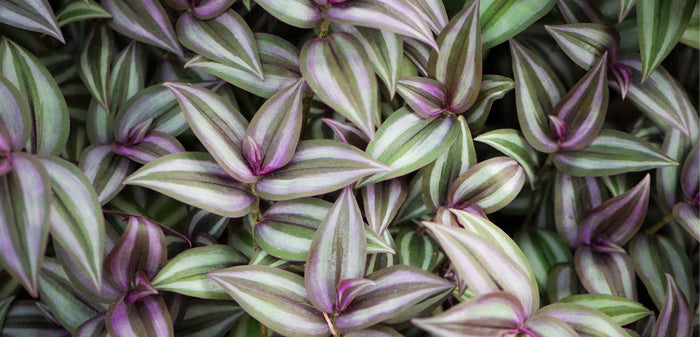
Tradescantia varieties like Nanouk and Zebrina add vibrant colour — purple, pink, silver, and green — to an otherwise utilitarian room. They are fast growers that trail beautifully from hanging pots and tolerate kitchen humidity well.
Kitchen placement: Hanging planter near the window, or trailing from a high shelf.
Creative Placement Ideas for Small Kitchens

Singapore kitchens are rarely spacious, so creative placement is key:
The Window Ledge Garden
Most HDB and condo kitchens have a window ledge that is five to ten centimetres deep — enough for small pots. Line it with herbs, small succulents, or propagation jars. Use matching pots for a cohesive look.
Above-Cabinet Greenery
The space on top of kitchen cabinets is almost always wasted. Place trailing plants like Pothos, Philodendron Heartleaf, or String of Hearts along the top edge. Within months, the vines will cascade down the cabinet fronts, creating a living wall effect.
Magnetic Spice Rack Planters
Small magnetic pots designed for spice racks work equally well for tiny succulents or herb cuttings. Stick them to the fridge or a magnetic strip on the wall.
The Sink-Adjacent Shelf
Install a small floating shelf beside or above the sink. The humidity from dishwashing benefits moisture-loving plants, and the shelf keeps them safely above splash range.
Hanging from the Ceiling
If counter and shelf space is exhausted, ceiling hooks with macramé or ceramic hanging planters keep plants at eye level without sacrificing workspace. Ensure the hanger is not above the stove where heat rises.
On Top of the Fridge
The top of the refrigerator is warm (heat rises from the motor) and often receives decent ambient light. ZZ Plants, Snake Plants, and Pothos do well here. Just remember to check on them regularly — out of sight can mean out of mind.
Care Tips Specific to Kitchen Plants
Clean Leaves Regularly
Kitchen plants accumulate grease and dust faster than plants in other rooms. Wipe leaves with a damp cloth every one to two weeks. For plants near the stove, a monthly wash with diluted dish soap removes oil film that can block light absorption.
Watch for Pests
The warmth and humidity that benefit plants also attract pests. Fungus gnats thrive in moist soil, and mealybugs love the consistent warmth. Check plants weekly during your normal kitchen routine.
Use Well-Draining Pots
Kitchen counters and windowsills are not forgiving of water spills. Use pots with built-in saucers, or place plastic drip trays beneath terracotta and ceramic pots to protect surfaces.
Rotate Toward the Light
Kitchen windows are often on one side of the room, meaning plants receive directional light. Rotate pots a quarter turn each week to maintain even growth.
Be Mindful of Fruit
If you keep a fruit bowl near your plants, be aware that ripening fruit releases ethylene gas, which can cause premature leaf drop and flower wilting in sensitive species. Keep fruit and plants at least a metre apart.
Building a Kitchen Plant Collection

Start with two to three hardy varieties — a Pothos for trailing greenery, an Aglaonema for colour, and a herb of your choice for functionality. Once you see how they respond to your kitchen's conditions, expand from there.
Browse our full collection of indoor plants to find species that match your kitchen's light and space. Every plant ships in a healthy nursery pot, ready for your favourite decorative container or hanging planter.
Your kitchen deserves more than stainless steel and tile. A few well-chosen plants transform it from a purely functional space into one of the most inviting rooms in your home — and your Basil will thank you with every harvest.
Quick summary
Key Takeaways
- Why Kitchens Are Great for Plants
- Challenges to Consider
- Best Plants for Singapore Kitchens
- Creative Placement Ideas for Small Kitchens
- Care Tips Specific to Kitchen Plants
- Building a Kitchen Plant Collection
Ready to bring some green into your home?
Browse 250+ hand-picked plants, curated for Singapore homes — delivered to your door.
Browse All Plants →