





















Best Plants for Your Bedroom in Singapore | Tumbleweed Plants Singapore
Posted on April 10 2026
In this article

Your bedroom is where you begin and end every day. It should be a sanctuary — calm, clean-aired, and visually soothing. Plants contribute to all three. They purify the air you breathe while sleeping, they add a softness that furnishings alone cannot achieve, and they create a natural, grounding atmosphere that helps your mind transition from the day's noise to rest.
The hesitation about bedroom plants usually centres on two myths: that plants release carbon dioxide at night (they do, in tiny amounts — far less than your partner or pet), and that they attract insects (not if you choose the right plants and avoid overwatering). In practice, the right bedroom plants improve your sleeping environment, not compromise it.
What Makes a Good Bedroom Plant
Low-light tolerant. Many bedrooms in Singapore — particularly in HDB flats — have limited natural light. The plant must thrive in dim to medium conditions.
Air-purifying. Plants that actively filter common indoor pollutants (formaldehyde, benzene, xylene, toluene) improve air quality where it matters most — where you spend 7-8 hours breathing deeply.
Quiet and unfussy. The bedroom is not the place for a drama queen like the Maidenhair Fern. Choose stable, predictable plants that do not drop leaves, attract pests, or demand constant attention.
Calming aesthetic. Soft, rounded leaves and gentle trailing forms suit bedrooms better than spiky or aggressive shapes. The visual effect should be soothing.
The Best Bedroom Plants

1. Snake Plant (Sansevieria trifasciata)
Why it works: The Snake Plant is one of the few plants that converts CO2 to oxygen at night via a process called Crassulacean Acid Metabolism (CAM). This makes it genuinely beneficial as a bedroom plant — it is literally cleaning your air while you sleep.
Air purification: Removes formaldehyde, benzene, xylene, and toluene. One of the top-performing air purifiers identified in NASA's Clean Air Study.
Care: Water every 2-3 weeks. Tolerates any light from near-darkness to bright indirect. The easiest bedroom plant.
Placement: On the floor in a corner, on a bedside table, or on a dresser. Its upright form fits narrow spaces.
2. Peace Lily (Spathiphyllum)
Why it works: Elegant white flowers, lush foliage, and exceptional air-purifying ability. The Peace Lily removes formaldehyde, benzene, trichloroethylene, ammonia, and xylene — more pollutants than almost any other houseplant.
Bonus: It increases room humidity through transpiration, which benefits dry air-conditioned bedrooms. Higher humidity can reduce snoring, dry skin, and static electricity.
Care: Water when the top soil is dry (or when it droops — it tells you when it is thirsty). Low to medium light.
Placement: On a dresser, bedside table, or floor stand. A medium-sized Peace Lily creates a beautiful, calming focal point.
3. Pothos (Epipremnum aureum)
Why it works: A trailing plant that cascades from a high shelf, wardrobe top, or wall-mounted planter adds soft, flowing greenery to the bedroom. Pothos removes formaldehyde from the air and is incredibly low-maintenance.
Care: Water every 1-2 weeks. Any light. Virtually unkillable.
Placement: On top of a wardrobe with vines trailing down the side. On a floating shelf above the bed. On a bedside shelf cascading toward the floor. The trailing habit means it occupies vertical space, not precious surface area.
4. Aglaonema (Chinese Evergreen)
Why it works: Beautiful foliage in pink, red, silver, and green patterns. Thrives in the exact conditions most bedrooms provide — low to medium light and consistent temperatures. Produces oxygen and filters benzene and formaldehyde.
Care: Water every 1-2 weeks. Low to medium light. Extremely forgiving.
Placement: On a bedside table or dresser. The colourful varieties (Pink Dalmatian, Lady Valentine) add warmth and visual interest without overwhelming the space.
5. Lavender (Lavandula)
Why it works: Lavender's scent is clinically associated with reduced anxiety, lower heart rate, and improved sleep quality. Multiple studies have shown that lavender aroma promotes deeper, more restful sleep. Having a live lavender plant on the bedside table provides a natural, chemical-free sleep aid.
Caveat: Lavender needs bright light — it only works in bedrooms with a sunny windowsill. In dim bedrooms, consider a dried lavender sachet instead.
Care: Bright direct sunlight. Water when soil is dry. Excellent drainage essential.
Placement: On a sunny windowsill as close to the bed as possible.
6. Aloe Vera
Why it works: Another CAM plant that releases oxygen at night. Also removes formaldehyde and benzene from the air. The gel has practical uses for minor skin irritation, making it doubly functional on a bedside table.
Care: Water every 2-3 weeks. Bright to medium indirect light.
Placement: On a bedside table or windowsill.
7. Spider Plant (Chlorophytum comosum)
Why it works: One of the most effective air purifiers — removes formaldehyde, carbon monoxide, and xylene. Non-toxic to pets (important for bedrooms where cats and dogs sleep). Produces cascading baby plantlets that add visual charm.
Care: Water every 1-2 weeks. Medium to bright indirect light.
Placement: On a shelf or hanging planter where the arching leaves and baby plantlets can cascade freely.
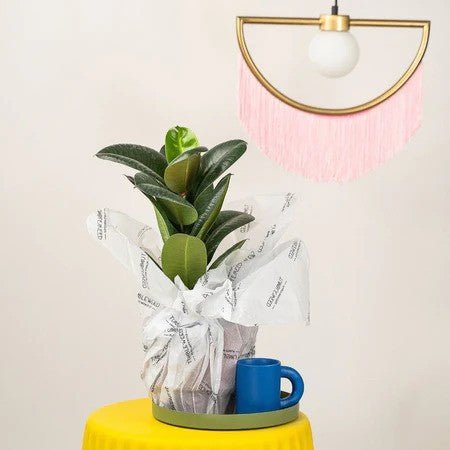
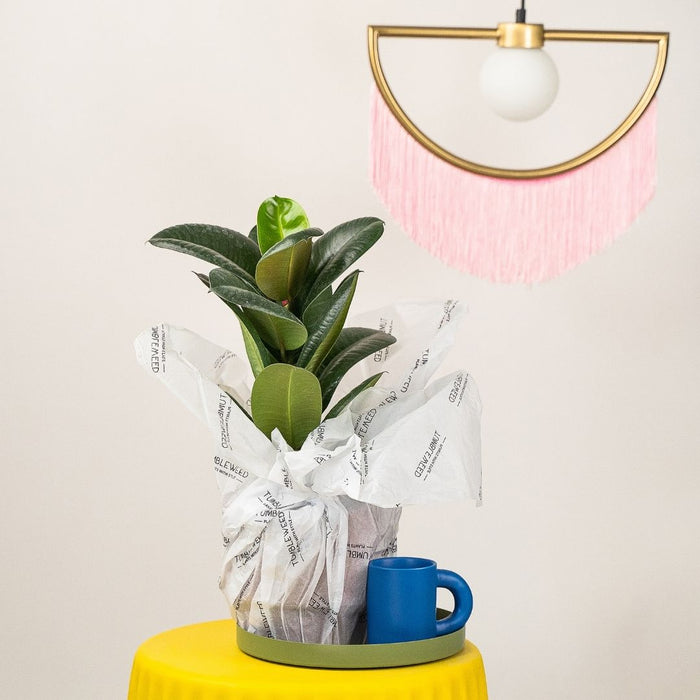
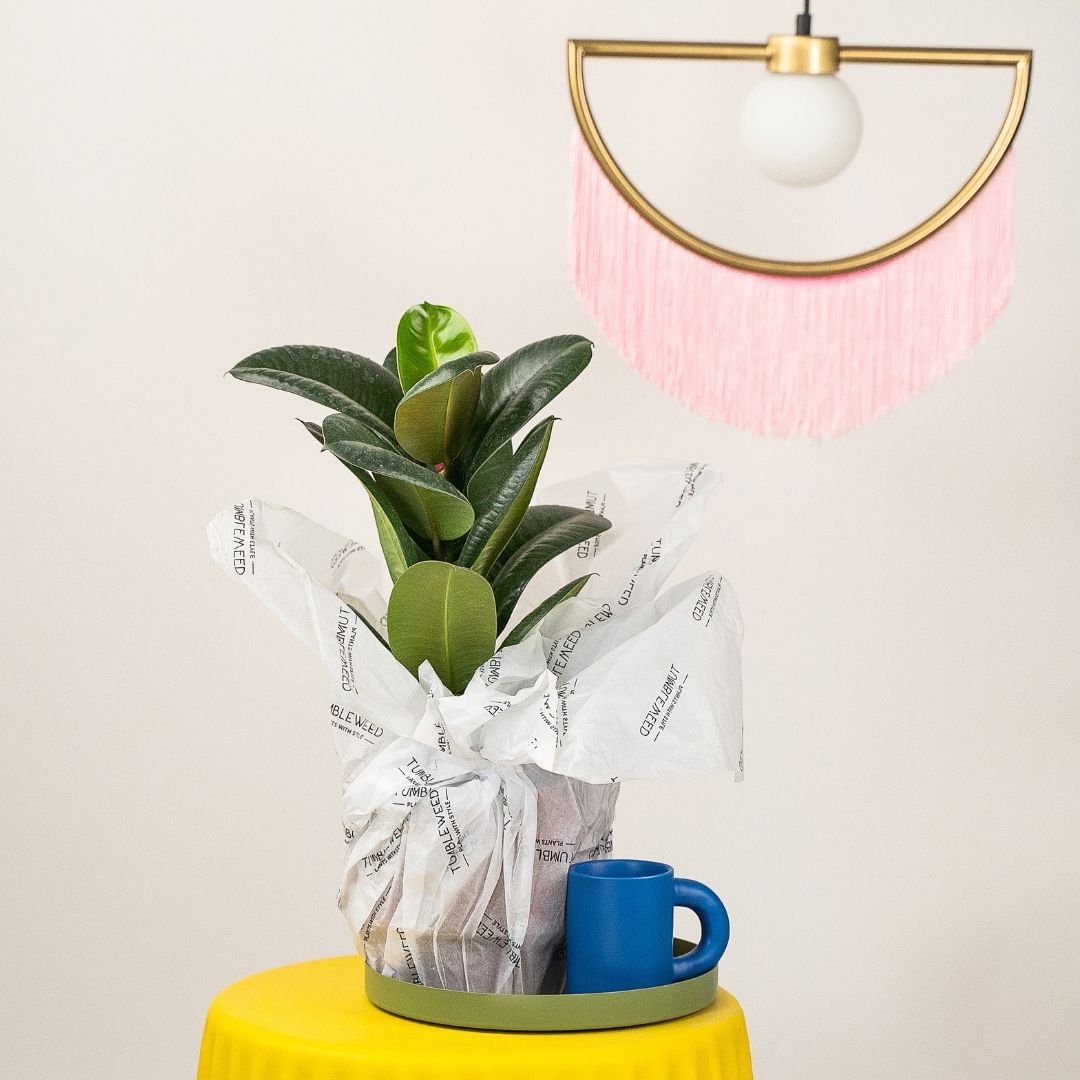
8. Rubber Plant (Ficus elastica)
Why it works: Large, glossy leaves make it an effective air purifier — the broad leaf surface area absorbs more airborne toxins. The deep green or burgundy foliage creates a rich, grounding presence in the bedroom.
Care: Water every 1-2 weeks. Medium to bright indirect light.
Placement: As a floor plant beside the bed or in a corner. A medium Rubber Plant (60-90cm) adds substantial greenery without dominating the room.
How to Style Bedroom Plants
The Bedside Garden
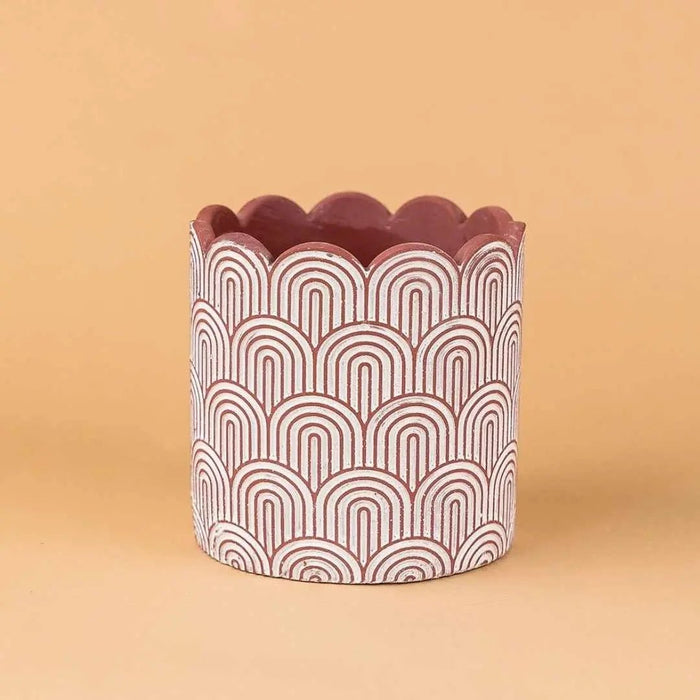
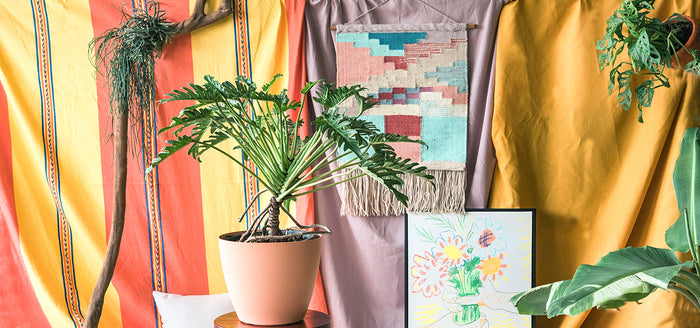
One small plant on the bedside table — simple and effective. Choose a plant in a pot that complements your bedroom palette. A white ceramic pot with a green Peperomia, a pastel pot with a pink Aglaonema, or a natural terracotta pot with an Aloe Vera.
The Cascading Headboard
Mount a small shelf above the bed (securely!) and place trailing plants — Pothos, String of Hearts, or Heartleaf Philodendron — to cascade down behind the headboard. This creates a living headboard accent that is stunning and space-efficient.
The Corner Anchor
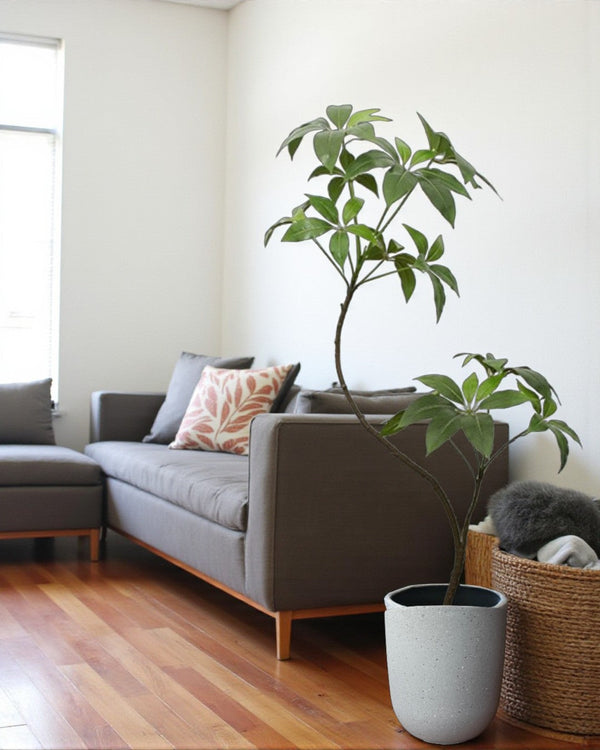
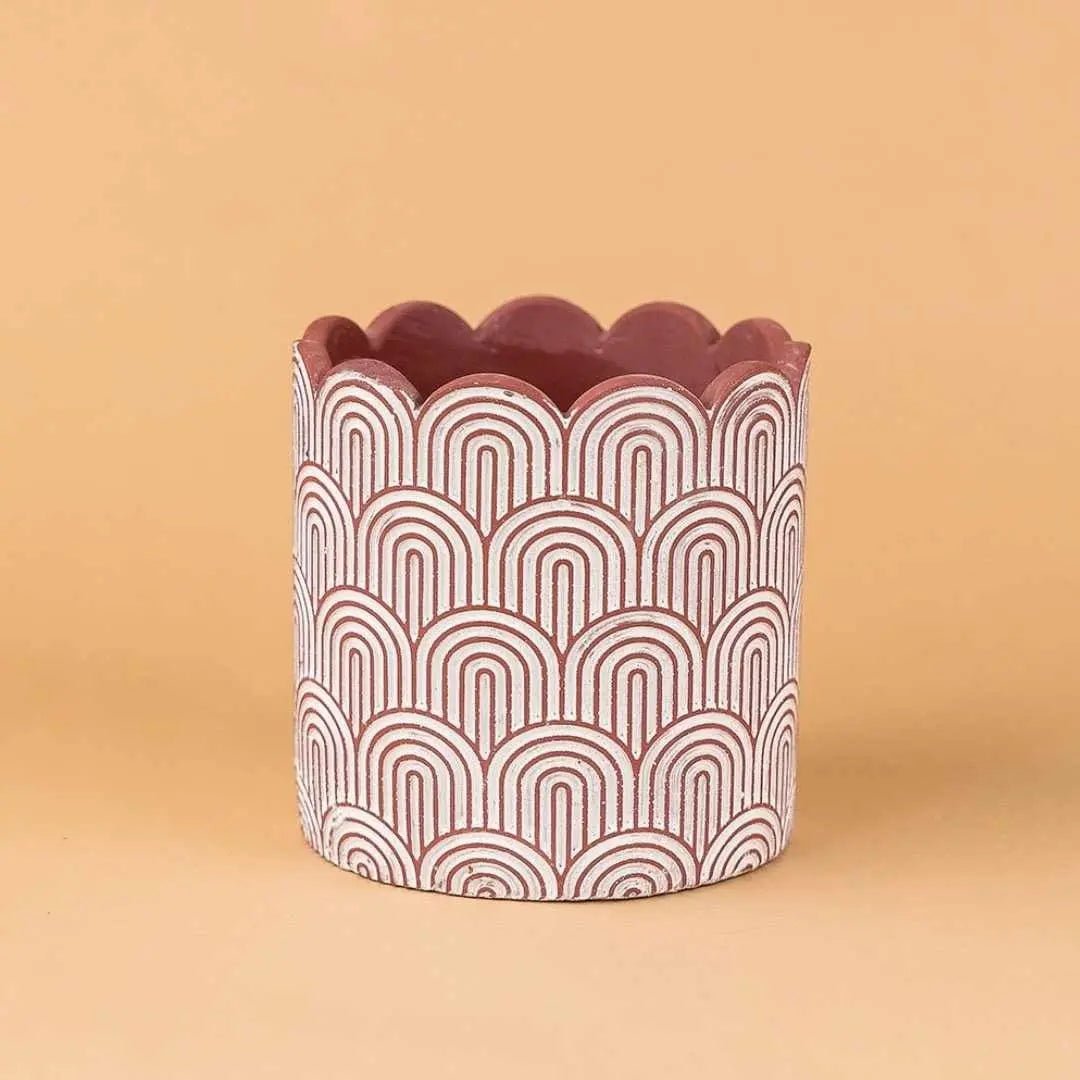
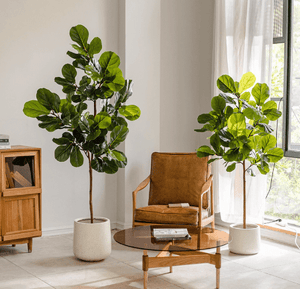
A single medium-to-tall plant in the corner of the bedroom — Snake Plant, Rubber Plant, or Dracaena — grounds the room and fills an otherwise empty space. Use a pot that matches the bedroom's tone: matte white for modern, rattan basket for bohemian, concrete for industrial.
The Windowsill Collection
If the bedroom has a wide windowsill, line it with 3-5 small plants of varying heights and textures. Succulents for sunny sills, low-light tropicals for shaded windows. The arrangement should feel collected, not cluttered — leave gaps between pots.
The Dresser Display
The top of a dresser or chest of drawers is prime plant real estate. A medium plant flanked by a smaller one creates a balanced, intentional display. Combine with a candle or small decorative object for a styled vignette.
Bedroom Plant Mistakes to Avoid

Overwatering in AC rooms. Air-conditioned bedrooms dry slowly. Water less frequently than you think — every 10-21 days for most bedroom plants.
Choosing fragrant plants in enclosed spaces. While lavender is beneficial, strongly scented plants (jasmine, gardenias) can be overpowering in a small, closed bedroom. If using scented plants, ensure the room is well-ventilated or the scent is mild.
Placing plants where they block pathways. A floor plant beside the bed should not be in the path you walk at night. Consider placement for both daytime aesthetics and nighttime navigation.
Using soil that attracts gnats. In bedrooms, pests are especially unwelcome. Use well-draining soil with perlite, avoid overwatering, and add a thin layer of sand on top of the soil to deter fungus gnats.
Too many plants. A bedroom with 15 plants feels like a greenhouse, not a sanctuary. Choose 2-4 plants placed thoughtfully. Less is more in a rest space.
Shop Bedroom Plants
Browse our indoor plant collection for bedroom-friendly plants delivered across Singapore. From air-purifying Snake Plants to calming Aglaonema, every plant ships in protective packaging ready to transform your sleeping space.
Your bedroom should be the calmest room in your home. Plants make it calmer — cleaner air, softer visuals, a connection to something living and growing in the space where you rest and recharge. Start with one plant on the bedside table. Let it settle in. And notice how the room feels different when something in it is alive and quietly growing while you sleep.
Quick summary
Key Takeaways
- What Makes a Good Bedroom Plant
- The Best Bedroom Plants
- How to Style Bedroom Plants
- Bedroom Plant Mistakes to Avoid
- Shop Bedroom Plants
Ready to bring some green into your home?
Browse 250+ hand-picked plants, curated for Singapore homes — delivered to your door.
Browse All Plants →