
















How to Build a Plant Shelf Display | Tumbleweed Plants Singapore
Posted on April 09 2026
In this article

A plant shelf is where indoor gardening meets interior design. Done well, it transforms a bare wall into a living gallery — a curated arrangement of shapes, textures, and trailing greenery that becomes the focal point of the room. Done poorly, it is a cluttered ledge of random pots that looks messy rather than intentional.
The difference between a stunning plant shelf and a haphazard one is not the plants or the shelf — it is the composition. A few principles of visual arrangement turn any shelf into something worth photographing.
Choosing Your Shelf
Floating Shelves
Best for: Small to medium displays. Clean, minimalist look. Work in any room.
Considerations: Weight capacity is critical. A standard floating shelf holds 5-10kg — enough for small to medium plants in lightweight pots. Check the wall mounting is secure, especially in older HDB flats where walls may not hold heavy anchors.
Recommended depth: 20-25cm for most plants. Shallower shelves (15cm) work for small succulents and propagation jars.
Ladder Shelves
Best for: Living rooms and bedrooms. The angled design creates natural visual hierarchy, with larger plants on lower (wider) shelves and smaller ones at the top.
Advantages: Freestanding — no wall mounting needed. Easy to move and rearrange. The angular shape adds architectural interest.
IKEA KALLAX / Cube Shelves
Best for: Larger displays and room dividers. Each cube frames an individual plant like a shadow box.
Considerations: The interior of each cube is dim — stick to low-light plants (Pothos, Snake Plant, ZZ Plant) or add LED strip lights under each shelf.
Built-In Shelves and Niches
Best for: Permanent displays. Built-in shelves (common in some condo designs) create integrated, architectural plant features.
Considerations: Often poorly lit. Install small grow lights or LED strips for plants in recessed niches.
Wall-Mounted Grid Shelves
Best for: Compact spaces like HDB bedrooms or kitchens. Metal grids with small shelves or hooks allow vertical plant arrangement.
Composition Principles

The Rule of Odds
Odd numbers of objects (3, 5, 7) create more visually interesting arrangements than even numbers. A shelf with three plants looks intentional. A shelf with four looks like you could not decide.
Vary Heights
Every plant shelf needs height variation:
- Tall plants at the back or ends (Snake Plant, tall Sansevieria, upright Dracaena)
- Medium mounding plants in the middle (Aglaonema, Peace Lily, Peperomia)
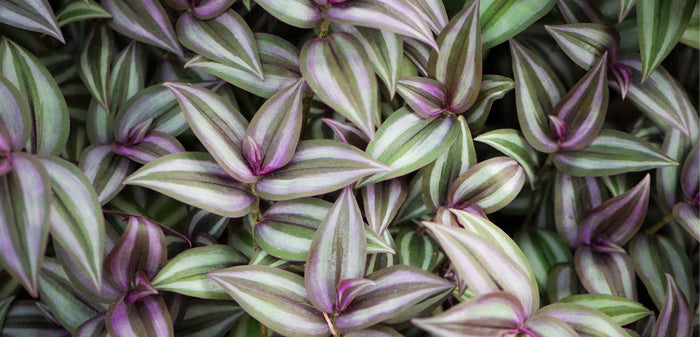
- Trailing plants at the front edge (Pothos, String of Hearts, Tradescantia)
Use plant stands, risers, or stacked books to create additional height differences between similar-sized plants.
Vary Leaf Shapes and Textures
Contrast creates interest:
- Round leaves (Pilea, Peperomia) next to long, narrow leaves (Snake Plant, Spider Plant)
- Smooth, glossy foliage (ZZ Plant, Rubber Plant) next to textured or fuzzy leaves (Begonia, Calathea)
- Solid green next to variegated or colourful (Aglaonema Pink, Tradescantia)
Create Visual Flow
The eye should move naturally across the shelf. Use trailing plants to connect shelves visually — a Pothos trailing from an upper shelf to a lower one creates flow between levels.
Leave Breathing Room
Resist the urge to fill every centimetre. White space between plants makes each one visible and prevents the shelf from looking cluttered. A good rule: plants should occupy 60-70% of the shelf space, leaving 30-40% as breathing room.
Anchor With a Statement Plant
Each shelf display benefits from one plant that is larger or more striking than the others — the anchor. It draws the eye first, then the smaller plants provide supporting detail.
Shelf Layouts
Three-Shelf Floating Display
Top shelf: One trailing plant (Pothos or String of Hearts) positioned to cascade over the edge, plus one small upright plant
Middle shelf: Your statement plant (medium Monstera, Aglaonema, or Peace Lily) plus a decorative object (candle, small vase, book)
Bottom shelf: Two to three small plants at varied heights, plus one trailing plant
Ladder Shelf
Top (narrow): One small succulent or air plant
Second: A small trailing plant and a propagation jar
Third: A medium upright plant as the statement piece
Bottom (wide): A larger plant and one to two small accent plants
Single Long Shelf
Left end: Tall upright plant
Left-centre: Small mounding plant on a riser
Centre: Decorative gap with a non-plant object
Right-centre: Medium plant
Right end: Trailing plant cascading off the edge
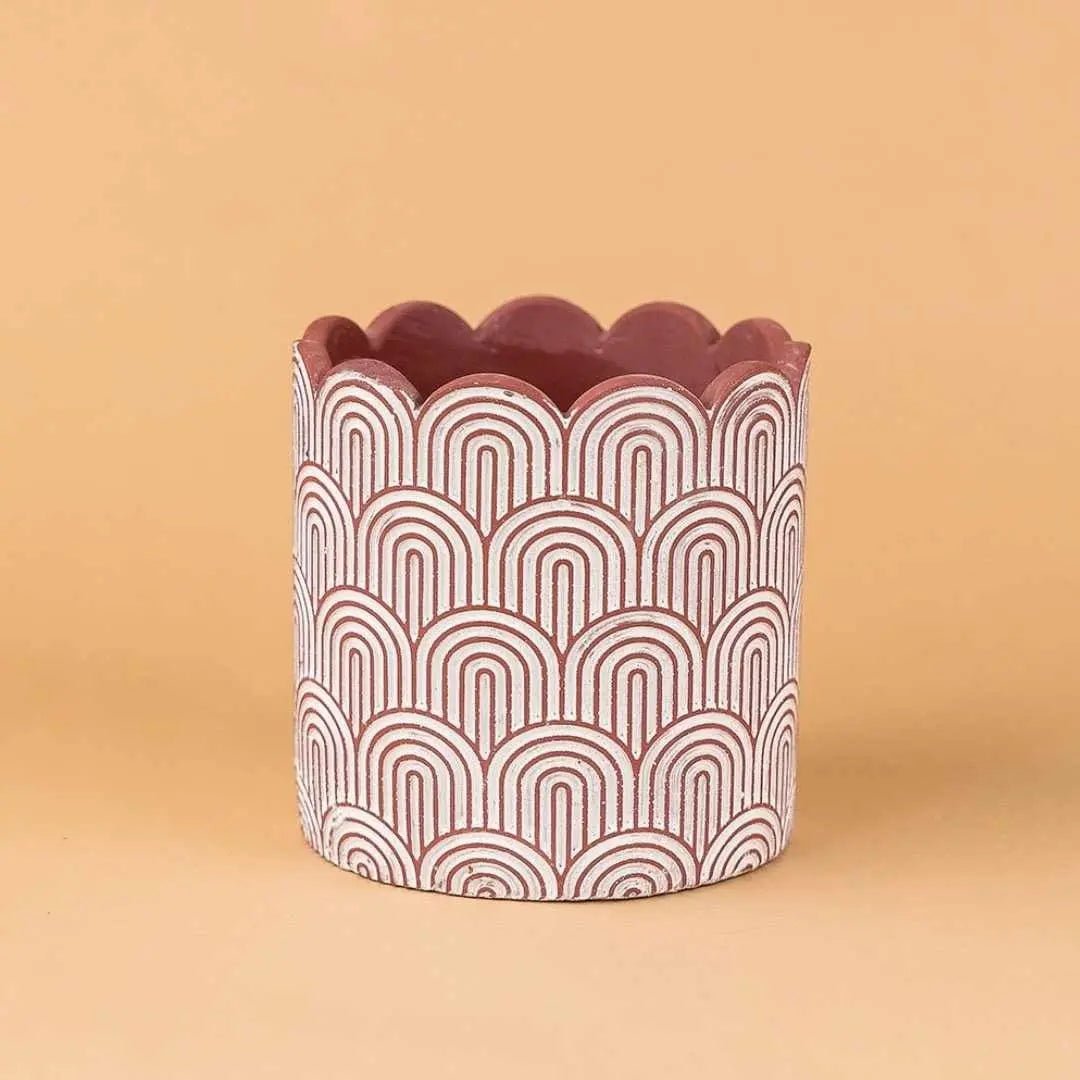
Pot Coordination

Colour Palette
Choose a pot colour palette of two to three colours maximum:
- Neutral scheme: White, cream, and terracotta
- Modern scheme: White, black, and one accent colour (sage green, dusty pink, concrete grey)
- Warm scheme: Terracotta, sand, and timber
Avoid a random assortment of colourful pots — the visual noise competes with the plants.
Material Consistency
Mix two to three materials at most:
- Ceramic and terracotta
- Concrete and timber
- White ceramic and woven baskets
Size Variation
Pot sizes should vary to match plant sizes. But even small plants benefit from not all being in identical tiny pots — vary by 2-5cm to avoid a uniform, clinical look.
Non-Plant Elements
A plant shelf display benefits from a few non-plant objects that break up the greenery and add personality:
- Books — stacked horizontally as risers or displayed vertically as visual anchors
- Small art prints or postcards — leaned against the wall behind plants
- Candles — in complementary colours, placed between plants
- Propagation jars — functional and decorative, showing roots growing in water
- Natural objects — a piece of driftwood, a stone, a dried arrangement
Limit non-plant objects to roughly 20-30% of the display. The plants should be the stars.
Practical Considerations for Singapore

Weight and Security
In Singapore's humidity, wooden shelves can warp over time if frequently exposed to water from plant drainage. Use saucers or trays under every pot. Consider waterproof shelf liners for wooden surfaces.
Light
Most shelf locations receive medium to low light. Choose plants accordingly — Pothos, Snake Plant, ZZ Plant, and Aglaonema are the most reliable shelf plants in Singapore homes. If the shelf receives minimal natural light, add LED grow light strips under each shelf.
Watering Access
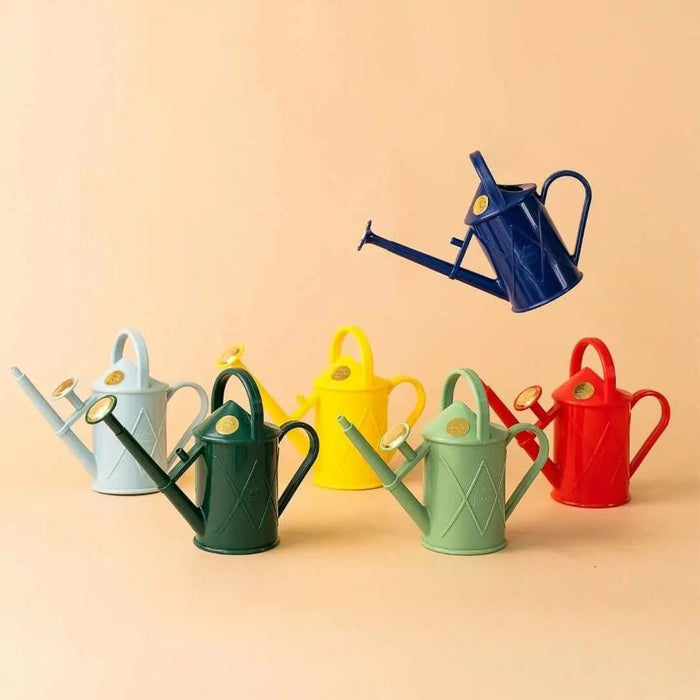
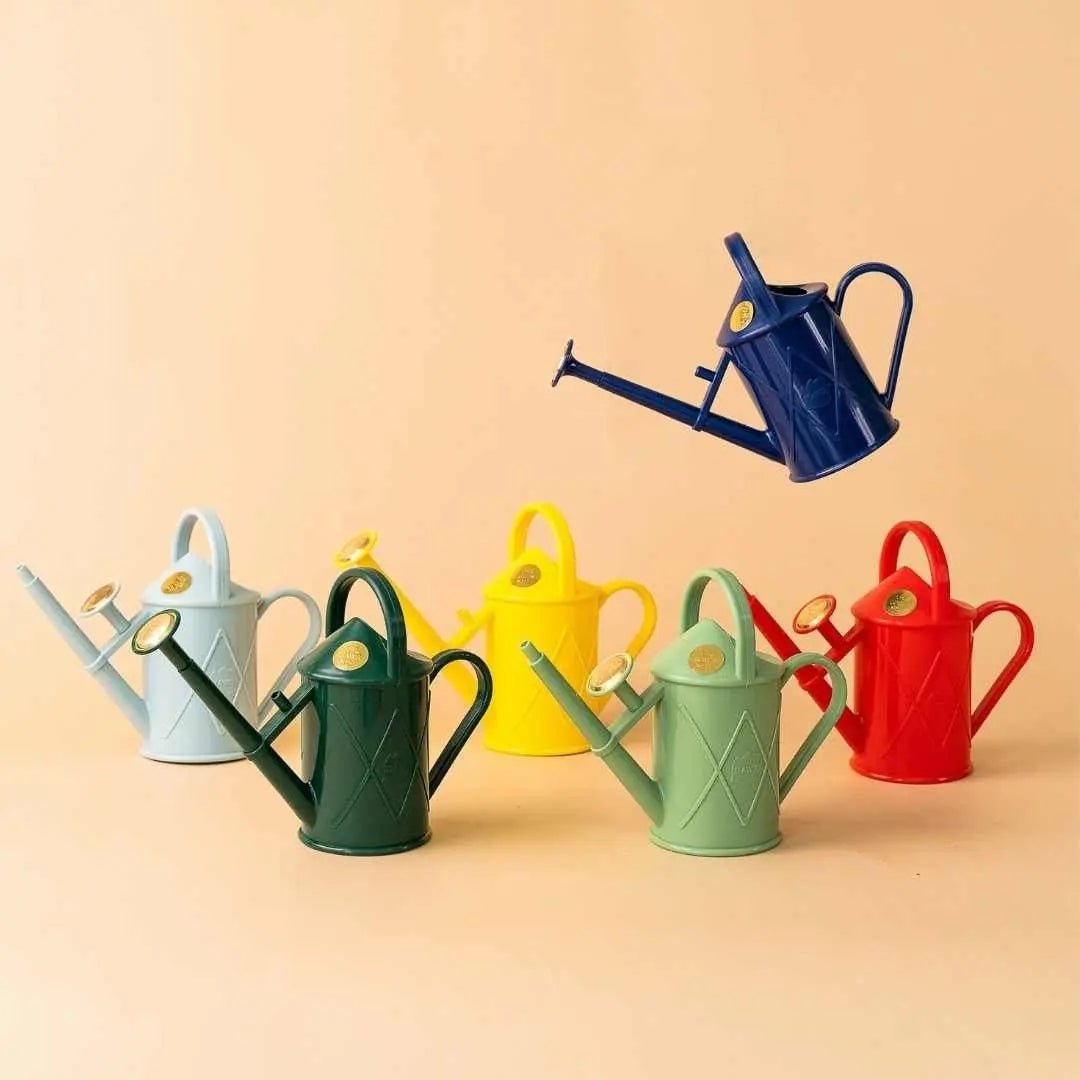
Arrange plants so you can reach them for watering without dismantling the display. Trailing plants at the front should still be liftable. Consider small watering cans with long spouts for reaching back-row plants.
AC Considerations
Shelves near AC vents expose plants to cold, dry air. Avoid placing moisture-loving plants (Calathea, Fern) on shelves in direct AC airflow.
Shop Plants for Your Shelf
Browse our indoor plant collection for shelf-friendly plants in every size. From compact Peperomia to trailing Pothos, we deliver across Singapore.
A plant shelf is never really finished — it evolves. Plants grow, trail, and change shape. You will swap pots, move plants between shelves, and add new favourites over time. That is the beauty of a living display: it is never static, never boring, and always worth a second look.
Quick summary
Key Takeaways
- Choosing Your Shelf
- Composition Principles
- Shelf Layouts
- Pot Coordination
- Non-Plant Elements
- Practical Considerations for Singapore
Ready to bring some green into your home?
Browse 250+ hand-picked plants, curated for Singapore homes — delivered to your door.
Browse All Plants →