

















How to Style a Plant Shelf Unit in Singapore | Tumbleweed Plants Singapore
Posted on April 10 2026
In this article

A plant shelf unit is not a bookshelf with some plants on it — it is a dedicated plant display system. A shelf unit committed to plants becomes a living feature wall, a vertical garden in miniature, and the centrepiece of any room it stands in. It is the difference between "I have some plants" and "I have a collection."
In Singapore, where floor space is precious and vertical space is underused, a plant shelf unit makes strategic sense. A single 180cm shelf unit against a wall holds 15-25 plants in under one square metre of floor space. That is more greenery per square metre than any other display method.
Choosing Your Shelf Unit
Open Shelving
Best for plant display. Open shelving allows light to reach plants on every level and provides airflow on all sides.
Options:
- Metal étagères — Open frame, modern, lightweight. IKEA VITTSJÖ is a popular budget option.
- Wooden ladder shelves — Angled open shelves, natural material, good looks.
- Industrial pipe shelving — Wall-mounted open brackets with wooden planks.
- Bamboo or rattan — Natural material that complements plants aesthetically.
Avoid Closed Units
Bookcases with backs and sides block light and restrict airflow. If you use a backed bookcase, only the front-facing side gets adequate light — plants on inner or lower shelves suffer.
Size Considerations
| Room Size | Shelf Recommendation |
|---|---|
| Small (3-room HDB) | 60-80cm wide, 3-4 shelves |
| Medium (4-room HDB) | 80-120cm wide, 4-5 shelves |
| Large (5-room / condo) | 120-180cm wide or multiple units |
Placement
Near a window. The shelf unit needs light — place it within 1-2 metres of the best window in the room. The side closest to the window receives the most light; plan your plant placement accordingly.
Against a blank wall. The wall behind the shelf acts as a backdrop. A white or light-coloured wall showcases plants best.
Away from AC vents. Direct cold air dries plants and causes leaf damage, especially on upper shelves closest to ceiling vents.
Plant Arrangement Strategy

Light Gradient
Light decreases from top to bottom on most shelves (unless the window is at ground level). Arrange plants accordingly:
Top shelves (most light):
- Light-hungry plants: succulents, variegated plants, Hoya, String of Hearts
- Trailing plants that cascade down from above
Middle shelves (medium light):
- Most common houseplants: Aglaonema, Peperomia, small Philodendron, Calathea
- Feature plants at eye level where they are most visible
Bottom shelves (least light):
- Low-light tolerant: Snake Plant, ZZ Plant, Peace Lily, Pothos
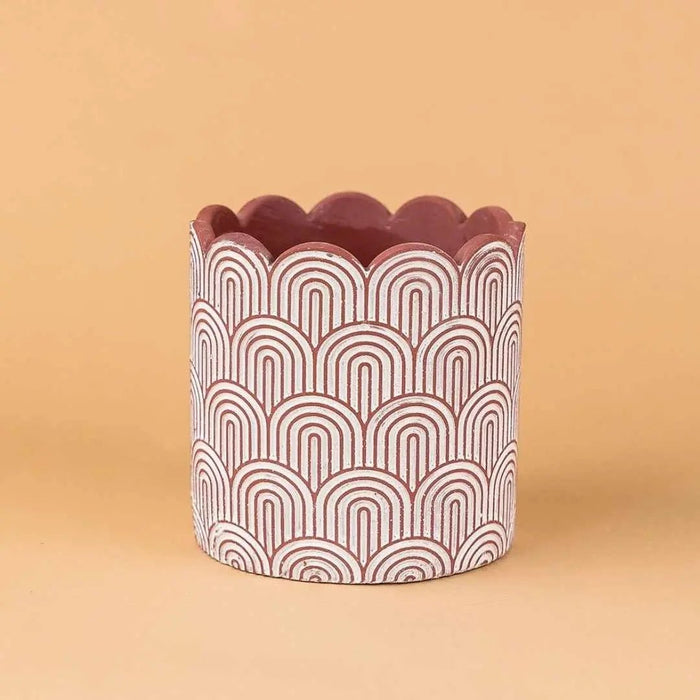
- Larger, heavier pots that provide visual weight at the base
Visual Balance
Alternate heights within each shelf — a tall upright plant next to a compact one next to a trailing one.
Alternate textures — glossy leaves (Aglaonema) next to matte leaves (Calathea) next to thick succulent leaves.
Alternate leaf sizes — large-leafed Monstera node cutting next to tiny-leafed Peperomia.
Negative Space
Do not fill every centimetre. Leave 30-40% of shelf space empty. This breathing room:
- Lets each plant be seen individually
- Allows airflow (reduces pest and fungal risk)
- Makes the display look curated, not cluttered
- Leaves room for new additions
Non-Plant Elements
Mix in a few non-plant items to create a styled look:
- Propagation jars with cuttings rooting in water
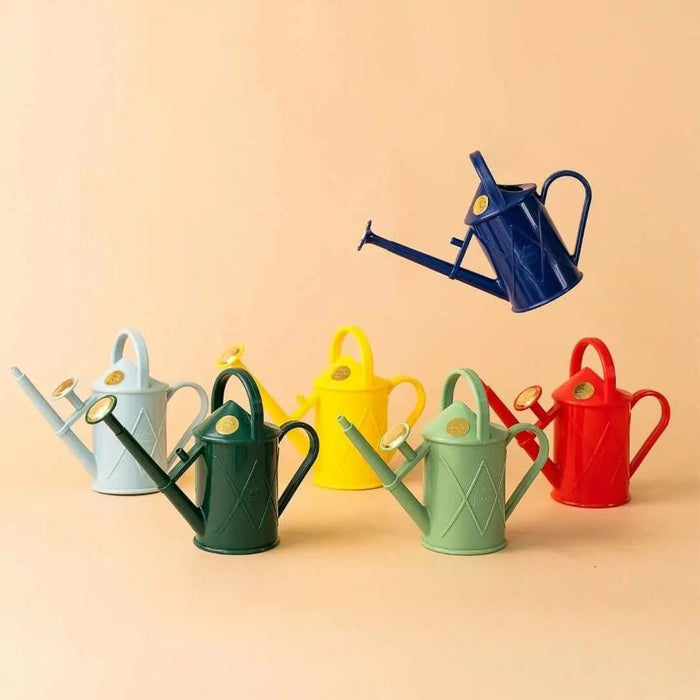
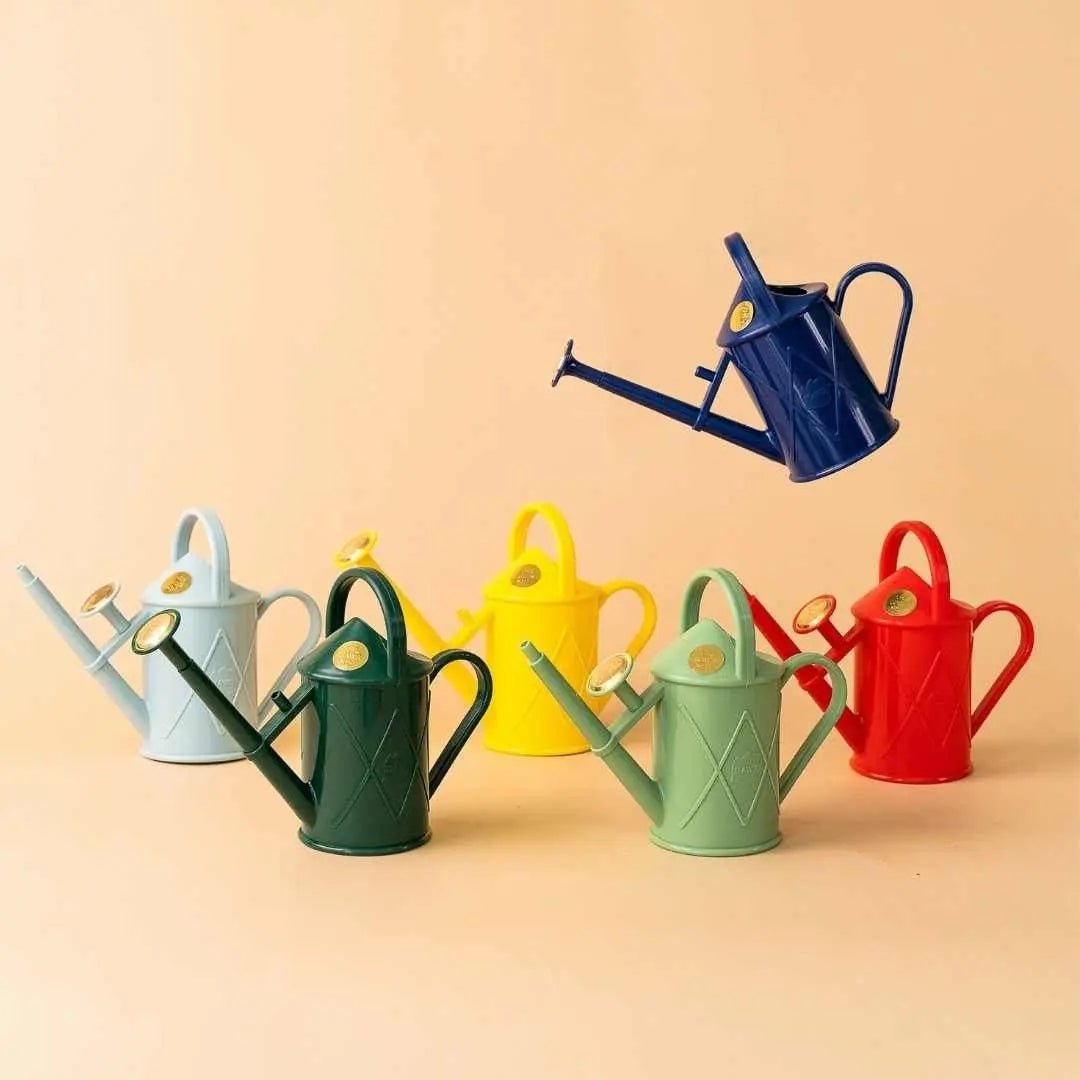
- A small watering can (functional and decorative)
- A plant care book
- A small framed photo or artwork
- A candle (unscented — scented candles near plants can leave residue on leaves)
Ratio: 70% plants, 20% objects, 10% empty space.
Lighting Solutions
Supplemental Grow Lights
If the shelf is not near a window, supplement with grow lights:
- LED strip lights mounted under each shelf illuminate the plants below
- Clip-on grow lights attached to the shelf frame
- LED grow light bulbs in clip lamps aimed at specific shelves
Timer Setup
Use a plug-in timer to run grow lights 10-12 hours per day. Consistency is key — plants respond to reliable light schedules.
Care and Maintenance

Watering
- Water all shelf plants on the same day to create a routine
- Use a long-spout watering can for precision between pots
- Remove small plants from the shelf for watering if access is difficult
- Always use saucers to prevent water dripping to lower shelves
Rotation
- Rotate each plant 90 degrees every 1-2 weeks for even growth
- Swap plants between light levels periodically — a lower-shelf plant benefits from a few weeks on a brighter upper shelf
Inspection
- Check for pests during watering days — shelves create microclimates that pests enjoy
- Remove dead leaves promptly — they look messy and attract fungus gnats
- Wipe large leaves monthly for cleanliness and better photosynthesis
Seasonal Refresh
Every 2-3 months, step back and reassess the arrangement. Move plants that have grown too large. Replace plants that are not thriving. Refresh the composition to keep it interesting.
Three Shelf Styles
The Jungle Shelf
Maximum plants, lush and abundant. Trailing plants cascade from upper shelves. Every level is green. The effect is immersive and tropical.
Best plants: Pothos (trailing), Philodendron (trailing), Aglaonema, ferns, Calathea, Peperomia.
The Minimalist Shelf
Fewer plants, more space. Each plant is a deliberate choice. Clean pots in matching colours. The shelf itself is as much a feature as the plants.
Best plants: 5-8 carefully chosen plants in matching white or terracotta pots. Snake Plant, ZZ Plant, single Monstera leaf cutting, String of Hearts.
The Collector's Shelf
Focused on a single genus or theme. All Hoya. All Peperomia. All variegated plants. The shelf tells a story of collected interest.
Best for: Experienced plant owners who have developed specific collecting interests.
Shop Shelf Plants

Browse our indoor plant collection for compact, trailing, and feature plants perfect for shelf displays. Delivered across Singapore.
A plant shelf unit is where your collection comes together as a composition. Individual plants become part of something larger — a gradient of heights, a conversation between textures, a cascade of trailing vines connecting one level to the next. It is the most efficient use of space for a plant collection, and it is also the most visually impressive. One good shelf unit, well planted and thoughtfully arranged, can be the single most striking thing in your home. And unlike every other piece of furniture, it is alive. It changes, grows, and gets better with time.
Quick summary
Key Takeaways
- Choosing Your Shelf Unit
- Plant Arrangement Strategy
- Lighting Solutions
- Care and Maintenance
- Three Shelf Styles
- Shop Shelf Plants
Ready to bring some green into your home?
Browse 250+ hand-picked plants, curated for Singapore homes — delivered to your door.
Browse All Plants →