
















How to Style Plants on a Dining Table | Tumbleweed Plants Singapore
Posted on April 10 2026
In this article

The dining table is the social centre of the home — where families gather daily and guests are entertained. A plant centrepiece transforms it from a functional surface into a designed moment. Unlike a vase of cut flowers that wilts within a week, a living plant centrepiece evolves with the seasons and becomes a permanent part of your table's identity.
But dining table plants have specific constraints: they cannot obstruct sightlines, they must be stable enough not to tip, they need to coexist with food and drink, and they must survive the variable conditions of a dining area. Getting it right requires more thought than simply placing a plant in the centre.
Choosing the Right Plant
Size and Scale
The sightline rule: Seated diners must be able to see each other over or around the centrepiece. For most dining tables, this means the plant arrangement should be no taller than 30-35cm at its highest point. Low, compact plants work best.
Table proportion: A centrepiece should occupy roughly 15-25% of the table's surface area. On a four-seater table, a single small to medium plant or a cluster of three small ones. On a six to eight-seater, you can go slightly larger or use a longer tray arrangement.
Light Considerations
Dining areas in Singapore vary widely in light:
- Near windows or balcony doors: Good light — wider plant options
- Centre of open-plan living/dining: Medium indirect light
- Enclosed dining rooms in HDB flats: Often low light — choose accordingly
Maintenance Level
A dining table plant gets bumped, moved for meals, exposed to food spills and crumbs, and occasionally forgotten when life gets busy. Choose something forgiving.
Best Plants for Dining Tables

Low-Light Dining Areas
Aglaonema (compact varieties) — Pink or silver varieties in small pots add colour to a dim dining room without needing bright light. Compact, sturdy, and tolerant of neglect.
Small ZZ Plant — Glossy, structured, and thrives in low light. A small ZZ in a ceramic pot makes a sophisticated centrepiece.
Peperomia — Watermelon Peperomia, Peperomia obtusifolia, or Raindrop Peperomia are all compact, attractive, and low-light tolerant.
Medium to Bright Dining Areas
Small succulents — A cluster of three to five small succulents on a tray creates a miniature garden centrepiece. Needs bright light.
Pilea peperomioides — The coin-shaped leaves are conversation-starting. Compact and interesting from every angle.
Small orchid — A Phalaenopsis in bloom is the classic Singapore dining table flower. Elegant, long-flowering (weeks to months), and requires only weekly watering.
Herb garden — A small tray of basil, mint, or rosemary doubles as a centrepiece and a cooking resource. Needs bright light.
Statement Options
Bonsai — A well-shaped bonsai is a living sculpture that demands admiration. Suits formal or Asian-inspired dining spaces.
Terrarium — A closed or open terrarium creates a miniature landscape that guests cannot resist examining up close.
Air plant display — Tillandsia arranged on driftwood, stones, or a decorative tray. No soil, no mess, minimal care.
Styling Approaches
The Single Statement
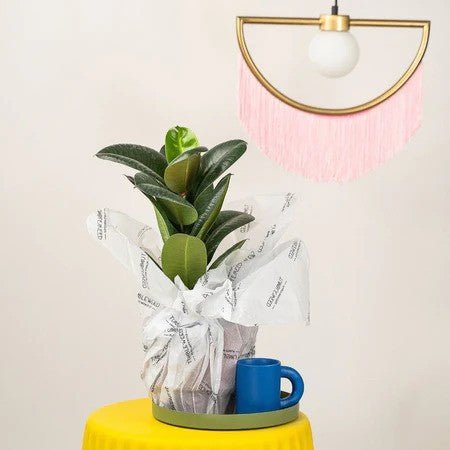
One medium plant in a beautiful pot, placed off-centre on the table. Simple, clean, and impactful.
Works best with: Orchid, bonsai, Pilea, medium Aglaonema.
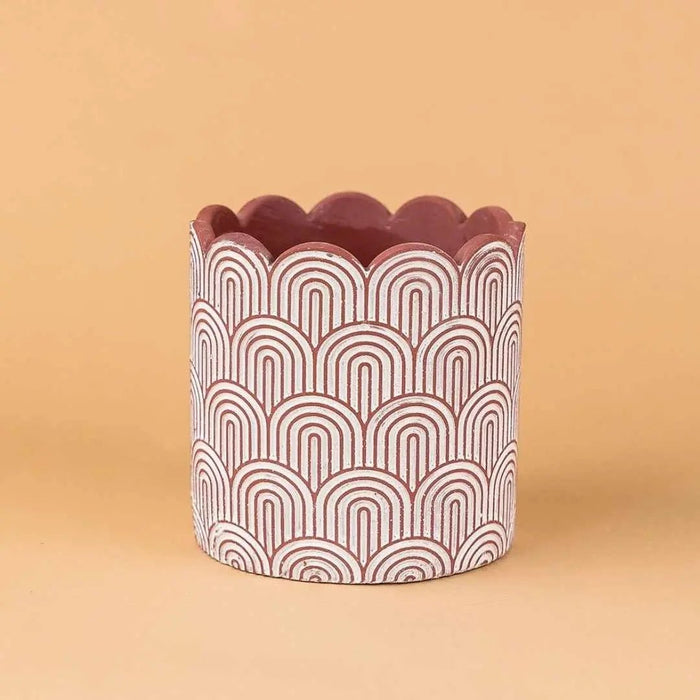
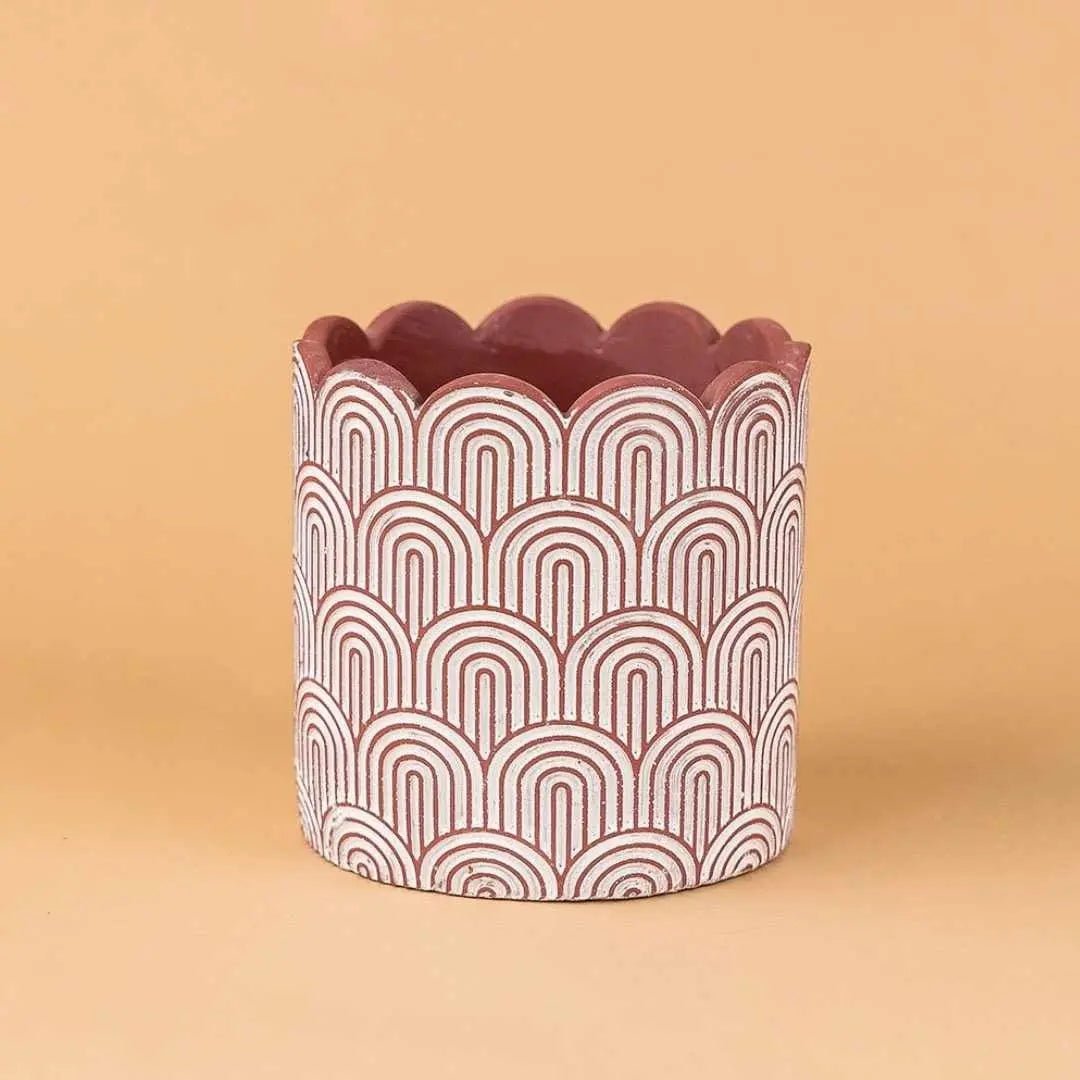
Pot choice: A striking pot elevates a simple plant. Choose ceramic, concrete, or textured material that complements your tableware.
The Tray Arrangement
A rectangular or oval tray holding a curated collection:
- Two to three small plants at different heights
- A candle or two
- A few decorative stones or shells
Works best with: Small succulents, Peperomia varieties, air plants.
The tray ties it together: Without a tray, multiple small pots look scattered. The tray creates visual cohesion and makes it easy to move the entire arrangement when setting the table for a full meal.
The Runner Garden
For long dining tables (6+ seaters), a line of small plants or a low, narrow planter running along the table's centre creates a garden-runner effect.
Works best with: A row of identical small plants (matching succulents, small Snake Plants, or propagation jars) in uniform pots.
The Seasonal Rotation
Keep a core plant on the table year-round, but add seasonal elements:
- Chinese New Year: Lucky Bamboo or kumquat plant alongside the centrepiece
- Christmas: Add small ornaments or fairy lights around the plant
- Hari Raya: Fresh-cut flowers in a small vase beside the plant
Practical Considerations

Stability
Dining tables experience movement — plates set down, elbows bumped, children reaching. The centrepiece must be stable:
- Use a heavy pot with a wide base
- Avoid tall, narrow arrangements that tip easily
- Secure pots to a tray if using multiple pieces
Food Safety
Plants on a dining table coexist with food:
- Ensure soil is contained — no loose particles that could get into food
- Avoid plants that drop leaves, petals, or debris
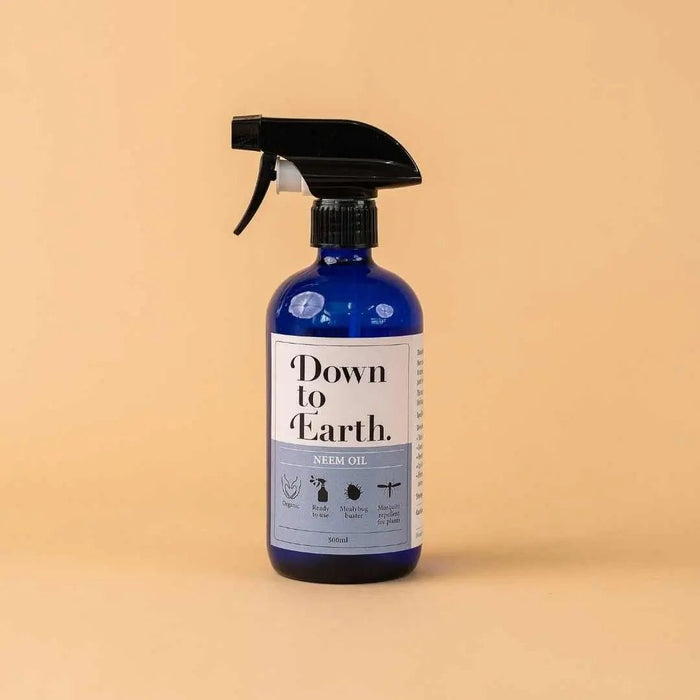
- Do not use chemical pesticides on dining table plants — opt for manual pest removal or organic solutions
- Keep soil-level watering contained with good saucers
Moving for Meals
For everyday casual meals, a compact centrepiece can stay on the table. For large gatherings or formal dinners, design the arrangement to be easily movable:
- A single potted plant lifts off easily
- A tray arrangement moves as one piece
- Avoid heavy planters that are difficult to relocate
Watering Without Mess
Watering a plant on a dining table risks water on the surface:
- Move the plant to the sink for watering and let it drain before returning
- Or use a cache pot (decorative outer pot) to catch any drainage
- Small, infrequent waterers (succulents, ZZ Plant) reduce the hassle
Dining Table Plants by Table Style
Minimalist / Scandinavian
A single plant in a white or matte ceramic pot. Clean lines, no fuss.
Best plants: Small ZZ Plant, Pilea, or single architectural succulent.
Tropical / Resort
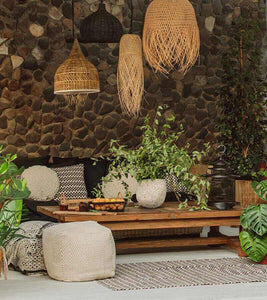
A lush, leafy arrangement on a timber or rattan tray.
Best plants: Small Aglaonema, Calathea, or Bird's Nest Fern.
Asian / Zen
A bonsai or Lucky Bamboo arrangement with stones and a shallow dish.
Best plants: Bonsai, Lucky Bamboo, or orchid.
Rustic / Farmhouse
Herbs in terracotta pots on a wooden board.
Best plants: Basil, rosemary, mint, or small trailing Pothos.
Shop Dining Table Plants

Browse our indoor plant collection for compact plants perfect for dining table displays. From elegant orchids to compact Peperomia, we deliver across Singapore.
A dining table without a centrepiece is a table waiting to be set. A good plant centrepiece does what flowers do — adds life, colour, and occasion to everyday meals — but does it permanently. It sits there through Monday dinners and Saturday celebrations, growing slowly alongside the conversations that happen around it.
Quick summary
Key Takeaways
- Choosing the Right Plant
- Best Plants for Dining Tables
- Styling Approaches
- Practical Considerations
- Dining Table Plants by Table Style
- Shop Dining Table Plants
Ready to bring some green into your home?
Browse 250+ hand-picked plants, curated for Singapore homes — delivered to your door.
Browse All Plants →