















How to Style Plants on Open Shelving
Posted on April 09 2026
In this article

Open shelving — whether a bookcase, floating shelves, or a display unit — is the most versatile surface in your home for plant styling. Unlike floor plants or hanging displays, shelf plants operate at eye level where they can be appreciated up close. A well-styled plant shelf draws the eye, adds life to a room, and transforms a functional storage unit into a design feature.
But there is an art to it. A shelf crammed with random plants looks like a nursery storeroom. A shelf with thoughtfully placed plants, integrated with books and objects, looks curated and intentional. This guide shows you how to achieve the latter.
The Fundamentals
The One-Third Rule
Plants should occupy roughly one-third of your shelf display. The remaining two-thirds is books, objects, photos, and — critically — empty space. A shelf that is entirely plants is a plant shelf (fine if that is your intent). A shelf where plants are one element among many is an interior design statement.
Vary Heights Within Each Shelf
On any single shelf, create visual rhythm by combining:
- Tall elements: A small upright plant, a tall book spine, a vase
- Medium elements: A compact bushy plant, a framed photo, a stack of books
- Low elements: A trailing plant at the edge, a small object, a candle
This height variation prevents the flat, monotonous look that comes from lining up same-height objects.
Create Asymmetry
Symmetrical arrangements (plant-book-plant-book repeated across the shelf) look staged and rigid. Instead, cluster elements asymmetrically. A group of three small pots on the left balanced by a single larger plant on the right feels more natural and engaging.
Use Negative Space
Leave intentional gaps. Empty space between groupings lets the eye rest and makes each element stand out. A crowded shelf, no matter how beautiful the individual pieces, overwhelms the viewer.
Best Plants for Shelves

The ideal shelf plant is compact, does not grow too fast, tolerates the reduced light that shelves often receive (further from windows), and has visual interest at close viewing distance.
Trailing Plants (for shelf edges)
These cascade over the shelf edge, adding vertical dimension and softening hard lines:
- Pothos — Fast-growing, lush trailing vines. Golden, Neon, and Marble Queen varieties all work.
- String of Hearts — Delicate, romantic. Thin, dangling stems with tiny heart-shaped leaves.
- String of Pearls — Unusual spherical leaves on trailing stems. Needs bright light.
- Philodendron Heartleaf — Dark green, heart-shaped cascading foliage.
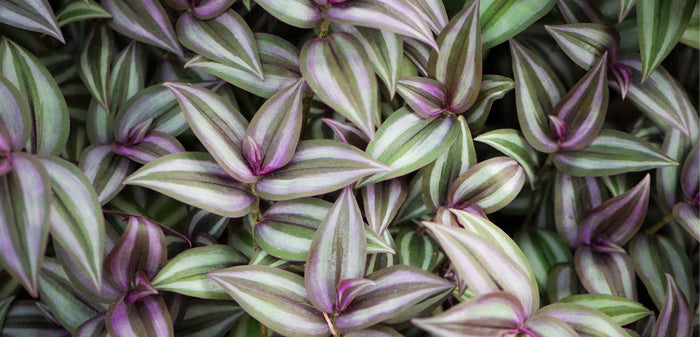
- Tradescantia — Colourful (purple, pink, silver) trailing stems that add vibrancy.
Placement: At the shelf edge where they can trail downward without obstruction. One trailing plant per shelf section is usually sufficient.
Compact Upright Plants
These add vertical interest without overgrowing the shelf:
- Snake Plant 'Hahnii' — Compact rosette form. Architectural and tidy.
- Peperomia — Dozens of compact varieties: Watermelon (striped leaves), Rosso (dark red undersides), Hope (round trailing leaves), Raindrop (teardrop-shaped).
- Small Aglaonema — Colourful foliage (pink, silver, red) in a compact form.
- Nerve Plant (Fittonia) — Vivid veined leaves. Stays low and mounding.
- Succulents — Echeveria, Haworthia, small Crassula. Geometric forms, minimal care.
Textural Interest Plants
These plants reward close-up viewing with unusual textures:
- Pilea peperomioides (Chinese Money Plant) — Round, coin-shaped leaves on thin stems. Photogenic and trendy.
- Rex Begonia — Metallic, iridescent leaves in impossible colours. A shelf showpiece.
- Air plants (Tillandsia) — Sculptural, no soil required. Place on a small stand or in a glass globe.
- Small ferns — Button Fern or Maidenhair in a humidity-appropriate spot.
Pot Selection for Shelves
Size Matters
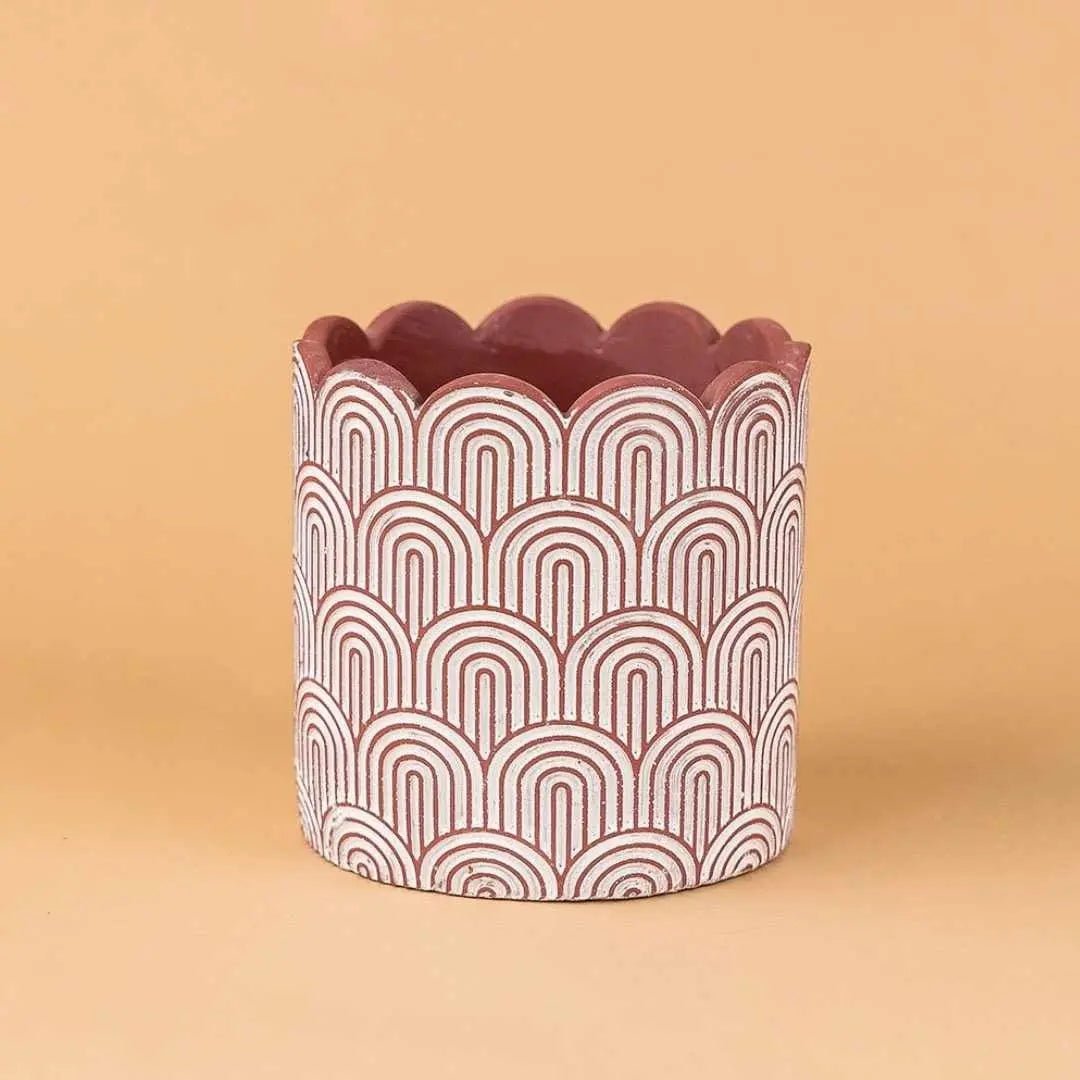
Shelf pots should be proportional to the shelf depth. A standard bookcase shelf is 20-30cm deep. Choose pots that leave at least 5cm of shelf depth visible in front of the pot — this prevents the shelf from looking overcrowded.
Ideal pot sizes: 8-12cm diameter for most shelf plants. Maximum 15cm for feature plants.
Material and Colour
- Stick to two to three pot colours across the entire shelving unit. Consistency creates cohesion.
- White ceramic is the safest choice — clean, neutral, works with any plant and any interior style.
- Terracotta adds warmth. Especially effective with green foliage on wooden shelves.
- Matte black creates a modern, gallery-like feel. Striking on white or light-coloured shelves.
- Mixed neutrals (white + terracotta + grey) work well when unified by similar shapes.
Drainage Considerations
Water dripping from shelf pots onto books and electronics below is a real risk. Solutions:
- Use cache pots (decorative outer pot with no holes, nursery pot with drainage inside)
- Place waterproof saucers under every pot
- Bottom-water shelf plants by removing them to the sink, watering, draining, and returning
- Use self-watering pots that contain all moisture internally
Arrangement Techniques

The Triangle Rule
Arrange elements in triangular groupings (imaginary triangles connecting three objects). Triangles create dynamic compositions that the eye finds naturally pleasing. On a single shelf: plant (tall, left), book stack (medium, centre), small object (low, right) forms a triangle.
Layering Depth
On deeper shelves, use front and back positioning:
- Back: Taller elements (upright plants, tall books, frames)
- Front: Shorter elements (small pots, trailing plant edges, small objects)
This layering adds depth and makes the shelf feel three-dimensional rather than flat.
Colour Flow
If your plants have colour (pink Aglaonema, purple Tradescantia), distribute colour across the shelving unit rather than concentrating it in one spot. This creates visual flow that draws the eye across the entire display.
Repetition with Variation
Repeating one element (e.g., the same pot style in different sizes, or the same plant type in different locations) creates rhythm and unity. But vary the context — different shelf heights, different companion objects, different background colours.
Shelf-Specific Setups
The Bookcase
Alternate plant shelves and book shelves, or integrate plants into book-heavy shelves:
- One plant per shelf section among books
- A trailing plant on the top shelf cascading down
- Books as risers to vary plant heights
Floating Shelves
Typically smaller and more visible. Each shelf is a standalone vignette:
- One or two items per shelf maximum
- Stagger plant types across shelves (trailing on top, compact on middle, small on bottom)
- Consider the wall behind — a light plant on a dark wall (or vice versa) creates contrast
Kitchen Open Shelving
Combine herbs and small ornamental plants:
- Herbs in matching pots (basil, mint, rosemary)
- One ornamental plant as a visual anchor (small Pothos, Peperomia)
- Coordinate with kitchen items (mugs, jars, cookbooks)
Bathroom Shelving
High humidity creates opportunities:
- Small ferns and humidity-loving plants thrive here
- Use waterproof pots and saucers
- Air plants are excellent — the shower steam provides their moisture needs
Maintenance Tips

Dust regularly. Shelf plants accumulate dust faster than floor plants because they are at face level and in the airflow path. Wipe leaves monthly.
Rotate quarterly. Plants on shelves receive uneven light (the shelf above shades the top). Rotate 180 degrees every few months.
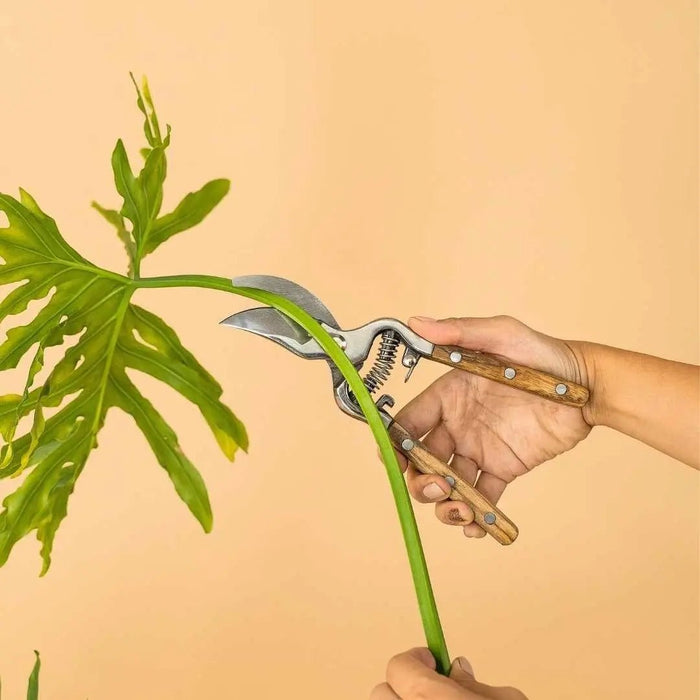
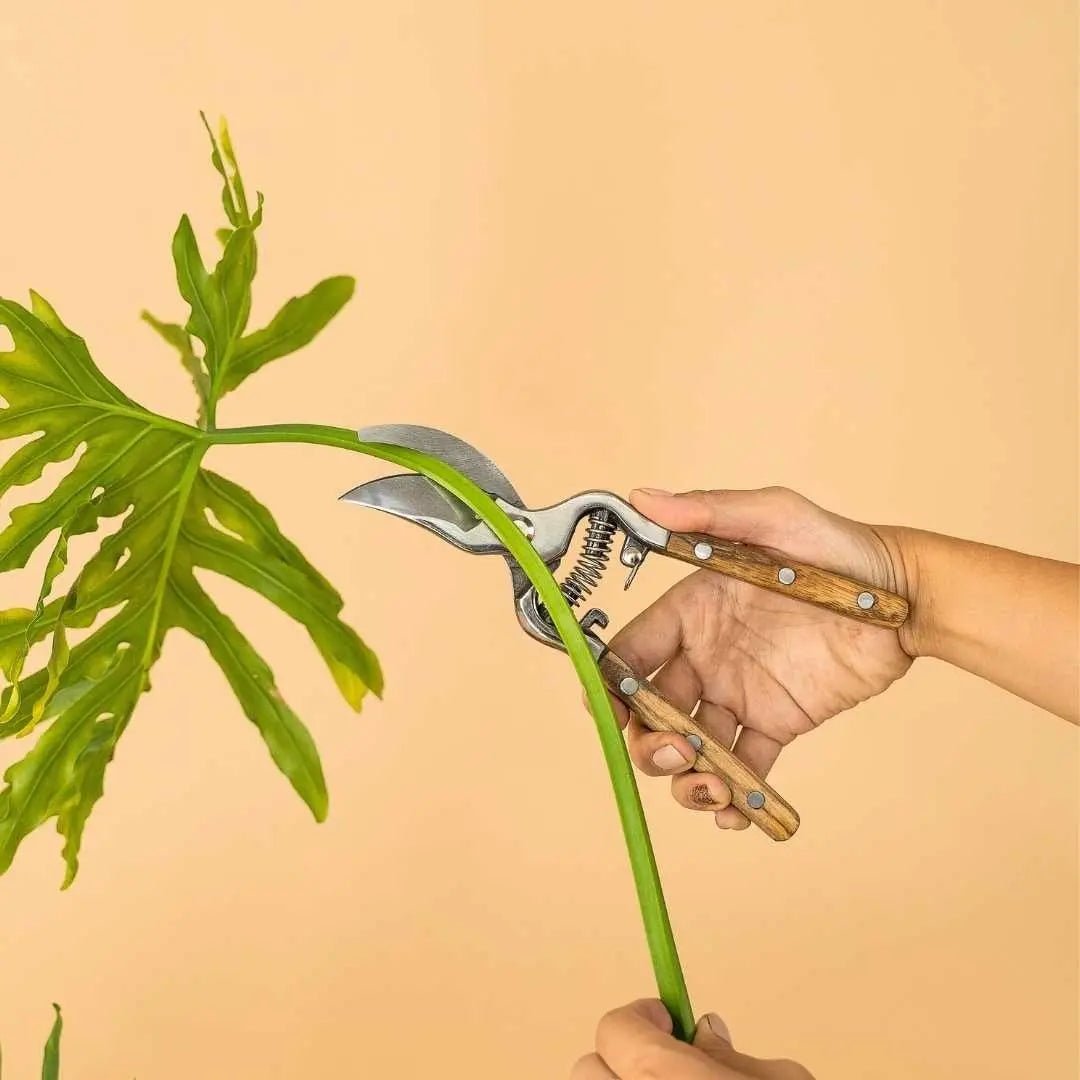
Prune trailing plants. Left unchecked, trailing Pothos and Philodendron can grow metres long. Trim to maintain the desired cascade length. Root the trimmings for new plants.
Check moisture carefully. Shelf plants in small pots dry out faster than floor plants in larger pots. Check soil moisture more frequently.
Shop Shelf Plants
Browse our indoor plant collection for compact, shelf-friendly plants perfect for Singapore homes. From trailing vines to textured Peperomias, we deliver plants ready to elevate your open shelving.
The plant shelfie is not about filling shelves with as many plants as possible. It is about creating a composed scene where plants, books, and objects work together — each element chosen and placed with intention. Start with one trailing plant on the top shelf and one compact plant at eye level. Adjust, add, remove, and rearrange until the shelf tells a story you like. That is styling.
Quick summary
Key Takeaways
- The Fundamentals
- Best Plants for Shelves
- Pot Selection for Shelves
- Arrangement Techniques
- Shelf-Specific Setups
- Maintenance Tips
Ready to bring some green into your home?
Browse 250+ hand-picked plants, curated for Singapore homes — delivered to your door.
Browse All Plants →