















Feng Shui Plants for Singapore Homes: Attract Luck & Prosperity
Posted on April 09 2026
In this article

In Singapore's multicultural society, feng shui principles influence everything from building design to interior decorating. Plants play a central role in feng shui — they represent growth, vitality, and the wood element, which governs health, wealth, and family harmony.
Whether you are a devoted feng shui practitioner or simply appreciate the cultural significance of plant placement, understanding which plants bring positive energy — and where to place them — adds another dimension to your indoor garden.
The Role of Plants in Feng Shui
In feng shui philosophy, plants embody living chi (qi) — vital life energy. They bring the wood element into your home, which:
- Nourishes growth and new beginnings (career advancement, personal development)
- Supports health and vitality (the wood element governs the liver and eyes in traditional Chinese medicine)
- Attracts wealth and abundance (green is the colour of money and prosperity)
- Purifies stagnant energy (living plants circulate and refresh chi in a space)
Not all plants are created equal in feng shui terms. The shape, colour, and vitality of a plant determine its energetic contribution. Healthy, thriving plants generate positive chi. Dying or neglected plants do the opposite.
Top Feng Shui Plants for Singapore Homes

Money Tree (Pachira Aquatica)
Feng shui significance: The most popular wealth-attracting plant. Its five-lobed leaves represent the five elements (wood, water, fire, earth, metal), and the braided trunk symbolises interlocked fortune.
Placement: The wealth corner of your home — the far left corner from the main entrance. Also excellent in home offices and near cash registers for business owners.
Care in Singapore: Easy. Moderate to bright indirect light, water every 7-10 days. Tolerates air conditioning well. Widely available at Singapore nurseries.
Jade Plant (Crassula ovata)
Feng shui significance: Known as the "money plant" in many Asian cultures. Its round, coin-shaped leaves symbolise wealth and prosperity. Often gifted during Chinese New Year and business openings.
Placement: Near the entrance to welcome wealth, or in the southeast corner (the traditional wealth sector). Also appropriate on business desks.
Care in Singapore: Needs bright light — place near a window. Water sparingly (every 10-14 days). Overwatering is the biggest risk. Prefers well-draining soil.
Lucky Bamboo (Dracaena sanderiana)
Feng shui significance: The number of stalks carries specific meaning:
- 2 stalks: Love and relationships
- 3 stalks: Happiness, longevity, wealth
- 5 stalks: Health
- 6 stalks: Luck
- 8 stalks: Growth and prosperity
- 9 stalks: Great luck
- 21 stalks: All-encompassing blessings
Avoid 4 stalks — the number four sounds like "death" in Chinese and is considered inauspicious.
Placement: East for health and family, southeast for wealth, or on a desk for career luck.
Care in Singapore: Grows in water alone. Change water every 2 weeks. Keep in indirect light. One of the easiest plants to maintain.
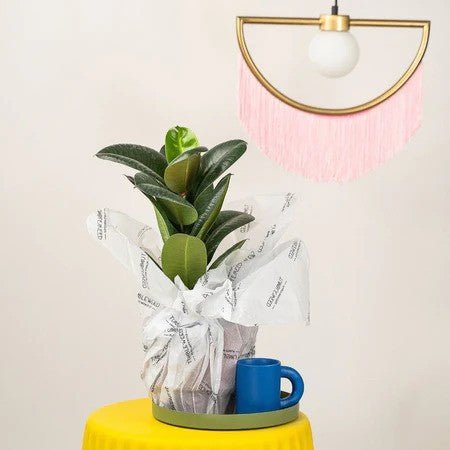
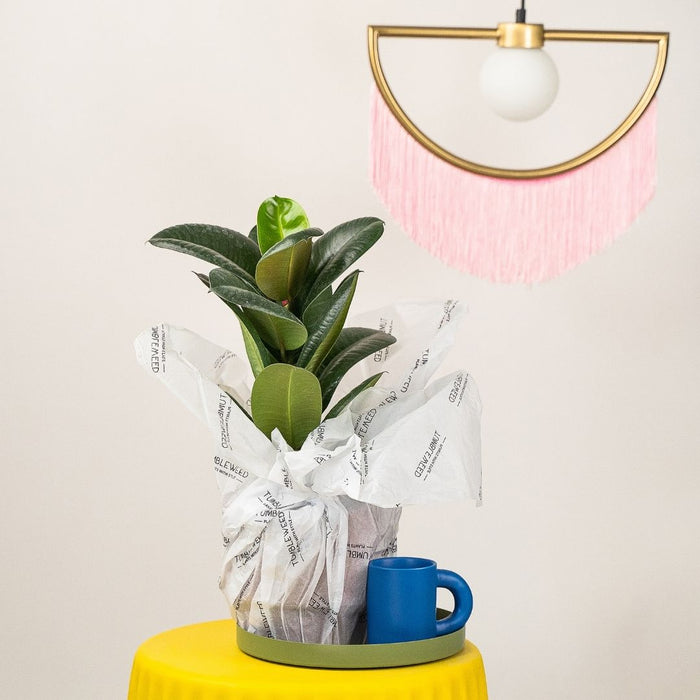
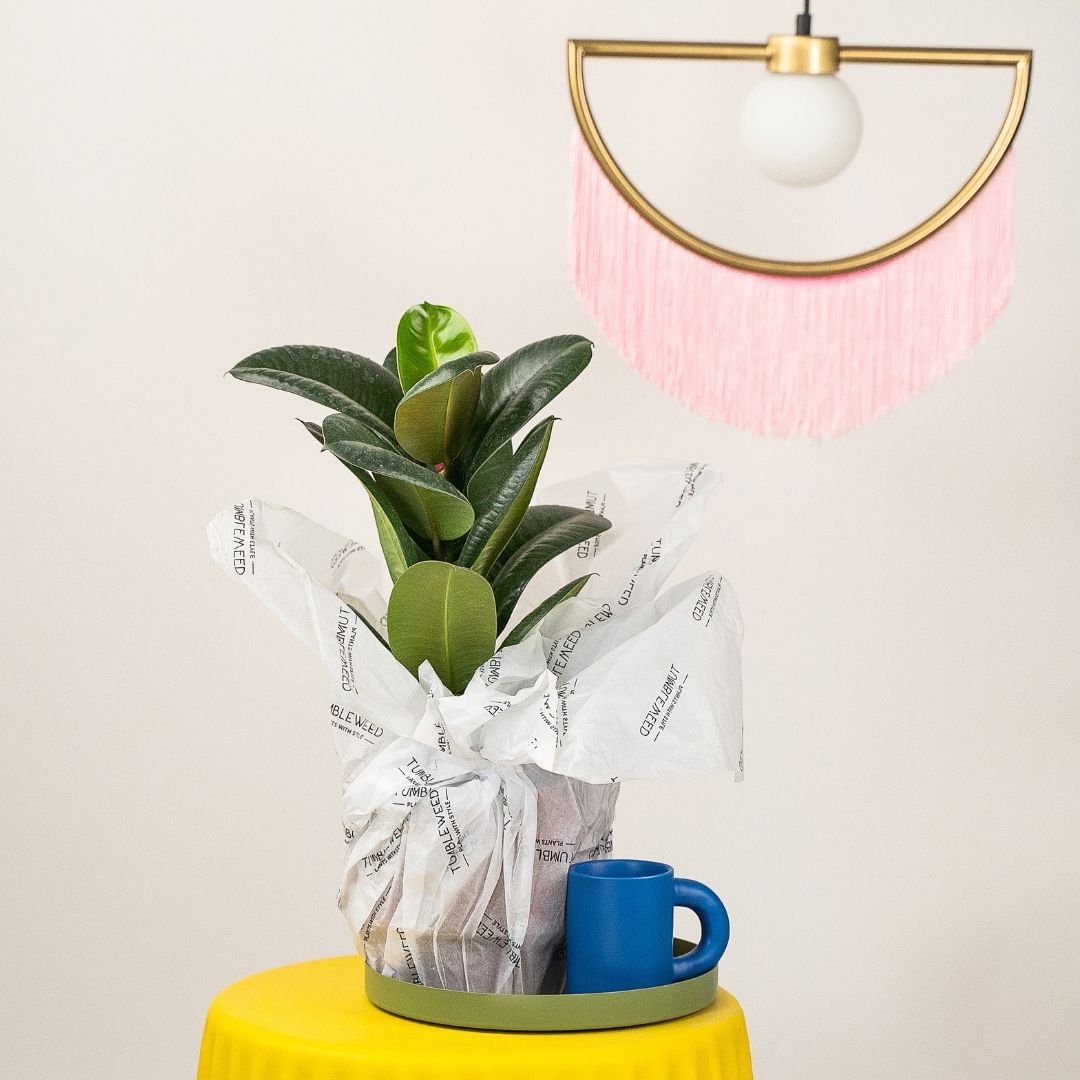
Rubber Plant (Ficus Elastica)
Feng shui significance: Round, broad leaves represent wealth and abundance. The plant's vigorous growth energy symbolises steady financial growth.
Placement: Living room corners to soften sharp edges (which create "poison arrows" in feng shui). Also good in the wealth corner.
Care in Singapore: Low to bright indirect light. Water every 7-10 days. Very forgiving and low-maintenance.
Peace Lily (Spathiphyllum)
Feng shui significance: Harmonises energy and promotes tranquillity. The white flowers represent purity and the balance of yin energy — calming for spaces that feel too active or chaotic.
Placement: Bedrooms and meditation areas for calming energy. Also good in offices to reduce workplace tension.
Care in Singapore: Moderate indirect light. Water when slightly wilted. Flowers in most indoor conditions.
Orchid (Phalaenopsis)
Feng shui significance: Symbolises fertility, abundance, and refinement. In Chinese culture, orchids represent virtue and nobility. They attract positive romantic energy.
Placement: Bedrooms for romantic luck. Living rooms for elegance and refined energy. Give as gifts to wish someone prosperity.
Care in Singapore: Bright indirect light. Water every 5-7 days. High humidity suits them — Singapore's climate is ideal.
Snake Plant (Sansevieria)
Feng shui significance: Debated in feng shui circles due to its sharp, pointed leaves (which some interpret as aggressive energy). However, many modern practitioners value it for its strong protective energy — it is believed to absorb negative chi and electromagnetic radiation.
Placement: Near electronics (computer, TV) to absorb negative energy. In hallways and entryways as a protective barrier. Avoid placing directly beside beds.
Care in Singapore: Extremely low maintenance. Low to bright light. Water every 2-3 weeks.
Golden Pothos (Epipremnum aureum)
Feng shui significance: Trailing vines represent flowing wealth and abundance. The golden variegation reinforces wealth associations. One of the best plants for transforming stagnant energy.
Placement: On top of cabinets, shelves, or refrigerators where trailing vines soften sharp corners. In the wealth corner for financial flow.
Care in Singapore: Nearly indestructible. Low to bright light. Water when soil dries.
Feng Shui Placement Principles
The Bagua Map
The bagua is an octagonal energy map placed over your floor plan. Each section corresponds to a life area:
- North: Career and life path (water element — best with flowing plants)
- Northeast: Knowledge and self-cultivation
- East: Family and health (wood element — ideal for lush green plants)
- Southeast: Wealth and abundance (wood element — best for money-attracting plants)
- South: Fame and reputation (fire element — flowering plants in red/orange/pink)
- Southwest: Love and relationships (earth element — paired plants, pink flowers)
- West: Children and creativity (metal element — white or round-leaved plants)
- Northwest: Helpful people and travel
General Placement Rules
Do place plants:
- In living rooms and common areas (active chi zones)
- Near windows to maximise growth energy
- In corners to soften "poison arrows" from sharp edges
- At the entrance to welcome positive energy
Avoid placing plants:
- In the centre of the home (this area belongs to the earth element)
- Dead or dying plants anywhere (remove immediately — they generate negative chi)
- Cactus or thorny plants near entrances or in bedrooms
- Too many plants in the bedroom (excess yang energy disrupts sleep — 1-2 small plants maximum)
The Importance of Plant Health
This cannot be overstated: in feng shui, the condition of your plants matters more than the species. A thriving pothos generates more positive chi than a neglected, dying rare specimen.
Rules:
- Remove dead leaves and spent flowers promptly
- Replace dying plants — do not keep them as projects in prominent feng shui positions
- Keep plants clean and dust-free
- Ensure healthy growth with proper care
Plants to Avoid in Feng Shui

Cactus and Thorny Plants
Sharp spines create "sha chi" (negative energy). While beautiful, keep them in workspaces or study areas where a little aggressive energy supports focus and protection. Avoid in bedrooms, living rooms, and near entrances.
Bonsai
Controversial — some practitioners believe bonsai represent stunted growth because the tree is artificially kept small. Others appreciate the artistry and patience they represent. If you love bonsai, display them in your study or creative space rather than your wealth corner.
Dried or Artificial Plants
Dried flowers represent dead energy. Artificial plants are neutral — they do not generate or absorb chi. Fresh, living plants are always preferred for feng shui purposes.
Chinese New Year Plant Traditions
During Chinese New Year, specific plants take on extra significance:
- Mandarin orange trees — gold fruit symbolises wealth and good fortune
- Pussy willow — branches represent growth and new beginnings
- Orchids — refinement and abundance
- Lucky Bamboo — arranged in auspicious numbers
- Jade Plant — coin-shaped leaves attract money luck
Many Singaporean families refresh their plant arrangements before CNY, replacing tired specimens with vibrant new ones to welcome the new year with fresh energy.
Final Thoughts

Whether you approach feng shui as a deeply held belief system or simply as a thoughtful framework for arranging your living space, the principles offer practical wisdom: surround yourself with healthy, beautiful living things, place them thoughtfully, and care for them consistently.
The result is a home that feels balanced, vibrant, and alive — which is really what good feng shui is all about.
Explore feng shui-friendly plants at Tumbleweed Plants and bring positive energy into your Singapore home.
Quick summary
Key Takeaways
- The Role of Plants in Feng Shui
- Top Feng Shui Plants for Singapore Homes
- Feng Shui Placement Principles
- Plants to Avoid in Feng Shui
- Chinese New Year Plant Traditions
- Final Thoughts
Ready to bring some green into your home?
Browse 250+ hand-picked plants, curated for Singapore homes — delivered to your door.
Browse All Plants →