















Ceramic vs Terracotta Pots: Which Is Better for Your Plants? | Tumbleweed Plants Singapore
Posted on April 22 2026
In this article
In this article


Walk into any plant shop in Singapore and you will see two dominant pot materials: ceramic and terracotta. They look similar from a distance but behave very differently once a plant is living inside them.
This guide breaks down the real differences — not the marketing claims — so you can choose the right pot for your plant and your home.
At a Glance: Ceramic vs Terracotta
| Feature | Ceramic (Glazed) | Terracotta (Unglazed) |
|---|---|---|
| Breathability | Low — glaze seals the surface | High — porous clay lets air through |
| Moisture retention | High — soil stays wet longer | Low — soil dries out faster |
| Weight | Heavy | Medium |
| Durability | High — chip-resistant | Moderate — can crack if dropped |
| Colours | Many — white, black, colours, patterns | Classic orange-brown (or glazed versions) |
| Price | $16–$142 | $10–$60 |
What Is a Ceramic Pot?

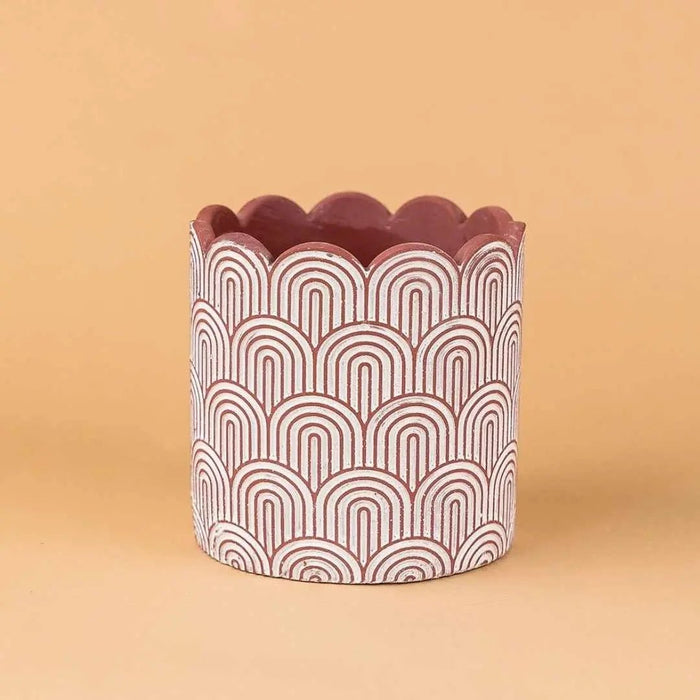
Ceramic pots are made from clay that has been fired at high temperatures and coated with a glaze. The glaze creates a smooth, non-porous surface that traps moisture inside the pot.
Modern ceramic planters come in a wide range of colours, finishes, and shapes — from minimalist white cylinders to hand-painted statement pieces. This makes them the go-to choice for plant parents who want their pots to match their interior design.
What Is a Terracotta Pot?
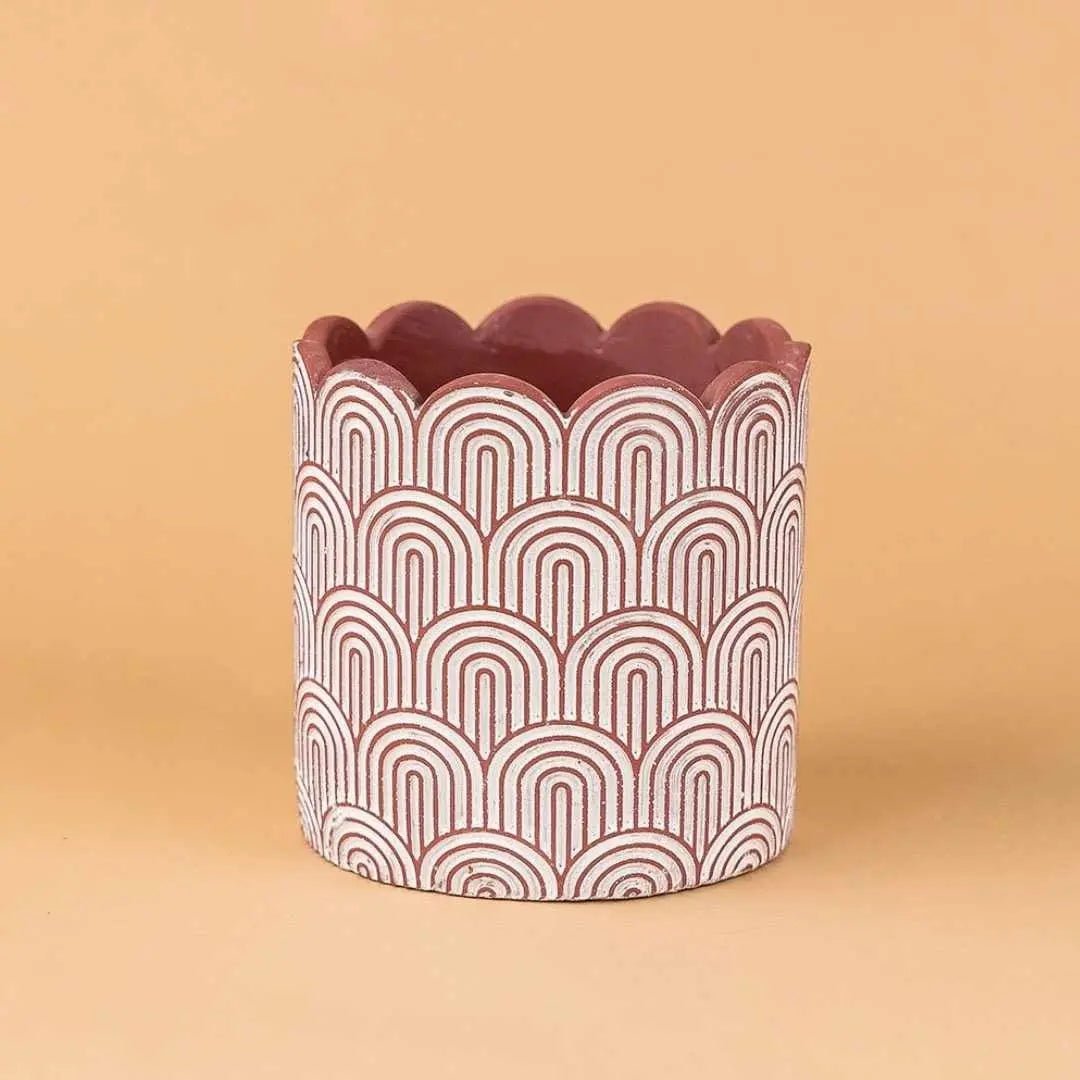
Terracotta means "baked earth" in Italian. These pots are made from natural clay fired at lower temperatures than ceramic, leaving the surface unglazed and porous.
That porosity is the defining feature. Terracotta breathes — air and moisture pass through the walls, creating a healthier root environment for many plants. You can often see a white mineral crust forming on the outside of old terracotta pots. That is mineral salts being drawn out through the clay — a sign the pot is doing its job.
Glazed terracotta sits between the two: it has the warmth of terracotta's colour with some of ceramic's moisture-retaining properties.
Moisture Retention: The Key Difference

This is where the choice really matters, especially in Singapore.
Ceramic pots hold moisture. The glazed surface prevents evaporation through the pot walls, so the soil stays wet longer. In Singapore's high humidity (often 80–90%), this can mean soil stays damp for 5–7 days after watering — sometimes longer.
Terracotta pots release moisture. Water evaporates through the porous walls, drying the soil faster. In Singapore, terracotta soil typically dries in 3–4 days, which is closer to what most tropical houseplants prefer.
The practical impact: If you tend to overwater, terracotta forgives your mistakes. If you tend to forget, ceramic keeps things moist longer.
Durability and Weight
Ceramic pots are tougher. The glaze protects against chips and cracks, and the higher firing temperature makes the clay denser. They hold up well on balconies and high-traffic areas.
Terracotta is more fragile. A sharp knock or a fall from a shelf can crack it. Over time, the porous surface also absorbs water, which can cause hairline cracks in very cold environments (not a problem in Singapore, but worth noting).
Both are heavy. If weight is a concern — especially for HDB shelving — consider AirStone or lightweight resin planters instead.
Aesthetics and Style

Ceramic suits modern, minimalist, and colourful interiors. Think clean white pots on a Scandinavian shelf or matte black planters in an industrial loft.
Terracotta suits natural, bohemian, and Mediterranean styles. The warm orange tone ages beautifully and develops character over time — especially when moss or mineral deposits form on the surface.
Glazed terracotta bridges both worlds. You get terracotta's warmth with a polished finish.

Best Plants for Each Pot Type
Best Plants for Ceramic Pots
- Peace Lily — loves consistently moist soil
- Calathea — needs humidity and moisture
- Ferns — thrive in wet conditions
- Pothos — adaptable, benefits from steady moisture
- Orchids (in decorative cache pots)
Best Plants for Terracotta Pots
- Succulents and cacti — need fast-draining, dry soil
- Snake Plant — prefers drying out between waterings
- ZZ Plant — drought-tolerant, hates wet roots
- Aloe Vera — needs quick drainage
- Herbs — basil, rosemary, and thyme prefer drier roots
Which Works Better in Singapore's Climate?

Singapore's year-round warmth and humidity mean soil dries slower than in temperate countries. This creates a bias toward terracotta for most plant types — the breathability compensates for the slow evaporation.
That said, ceramic works well for moisture-loving tropicals and for plant parents who tend to underwater. The key is matching the pot to the plant's watering needs, not just to your aesthetic preference.
Our recommendation for Singapore:
- Use terracotta for succulents, cacti, snake plants, and herbs
- Use ceramic for ferns, calatheas, peace lilies, and pothos
- Use glazed terracotta when you want the best of both worlds
The Verdict
There is no universally better option — the right pot depends on your plant and your watering habits.
Choose ceramic if: you want design variety, tend to underwater, or grow moisture-loving tropicals.
Choose terracotta if: you tend to overwater, grow succulents or drought-tolerant plants, or prefer a natural look that ages beautifully.
Choose glazed terracotta if: you want terracotta's warmth with slightly more moisture retention.
Browse Our Pot Collections
From sleek ceramic to classic terracotta — find the perfect pot for every plant. Free delivery on orders over $60.
Quick summary
Key Takeaways
- At a Glance: Ceramic vs Terracotta
- What Is a Ceramic Pot?
- What Is a Terracotta Pot?
- Moisture Retention: The Key Difference
- Durability and Weight
- Aesthetics and Style
Ready to bring some green into your home?
Browse 250+ hand-picked plants, curated for Singapore homes — delivered to your door.
Browse All Plants →