





























Plant Care Calendar for Singapore: Month-by-Month Guide
Posted on April 09 2026
In this article

- January — Northeast Monsoon Peak
- February — Dry Spell Begins
- March — Hot and Dry
- April — Inter-Monsoon Transition
- May — Southwest Monsoon Approaches
- June — Moderate Rain
- July — Dry Spell Possible
- August — Haze Season Risk
- September — Inter-Monsoon Returns
- October — Pre-Monsoon Humidity
- November — Northeast Monsoon Begins
- December — Monsoon Peak
- Year-Round Monthly Tasks
- Final Thoughts
Singapore does not have four seasons — but we do have subtle climate variations that affect plant care. The inter-monsoon periods, the northeast monsoon, and the drier months all influence watering needs, pest pressure, and growth rates.
This month-by-month guide helps you anticipate what your plants need throughout the year.
January — Northeast Monsoon Peak
Weather: Heavy rain, high humidity, overcast skies. Cooler temperatures (24-30°C).
Plant care:
- Reduce watering for indoor plants (high humidity slows soil drying)
- Watch for mould on soil surfaces — improve air circulation
- Outdoor plants may be waterlogged — ensure drainage
- Growth may slow slightly due to reduced sunlight
- Check for fungal issues on leaves (monsoon dampness encourages fungus)
Task: Clean and organise your plant care supplies for the new year.
February — Dry Spell Begins

Weather: Transition from monsoon. Drier air, more sunshine. Temperatures rise.
Plant care:
- Increase watering frequency as humidity drops
- Best month for repotting — plants are entering a strong growth phase
- Start or increase fertilising schedule
- Ideal time to propagate (warmth + increasing light = fast rooting)
Task: Repot any plants that are root-bound. Refresh soil in pots not being upsized.
March — Hot and Dry
Weather: One of the driest months. Highest temperatures (up to 34°C). More sunshine hours.
Plant care:
- Water more frequently — soil dries faster
- Watch for spider mites (they thrive in dry conditions)
- Shade-sensitive plants may need repositioning away from intense sun
- Succulents and cacti enjoy this month's conditions
- Mist humidity-loving plants more often
Task: Inspect all plants for pest issues. Treat any problems before they escalate in the warmth.
April — Inter-Monsoon Transition

Weather: Variable. Brief heavy showers, thunderstorms, hot sunny spells. High humidity returns.
Plant care:
- Maintain regular watering but adjust for rainy days
- Excellent growing conditions — many plants put out strong new growth
- Continue fertilising every 2-4 weeks
- Move rain-sensitive outdoor plants under cover during storms
Task: Take cuttings and propagate. Fast rooting in warm, humid conditions.
May — Southwest Monsoon Approaches
Weather: Increasing rainfall. Warm and humid. Occasional dry spells.
Plant care:
- Standard watering frequency — let soil guide you
- Strong growth continues — feed actively growing plants
- Watch for fungus gnats (warm + moist = ideal breeding)
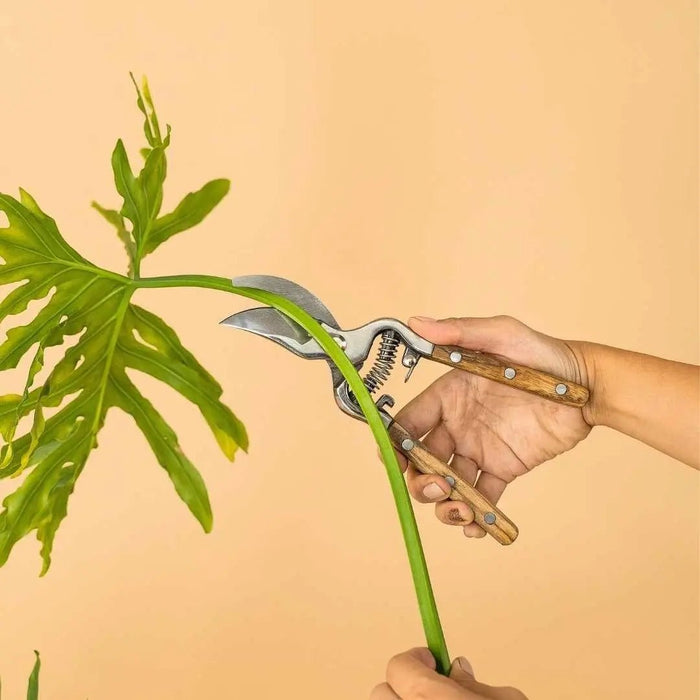
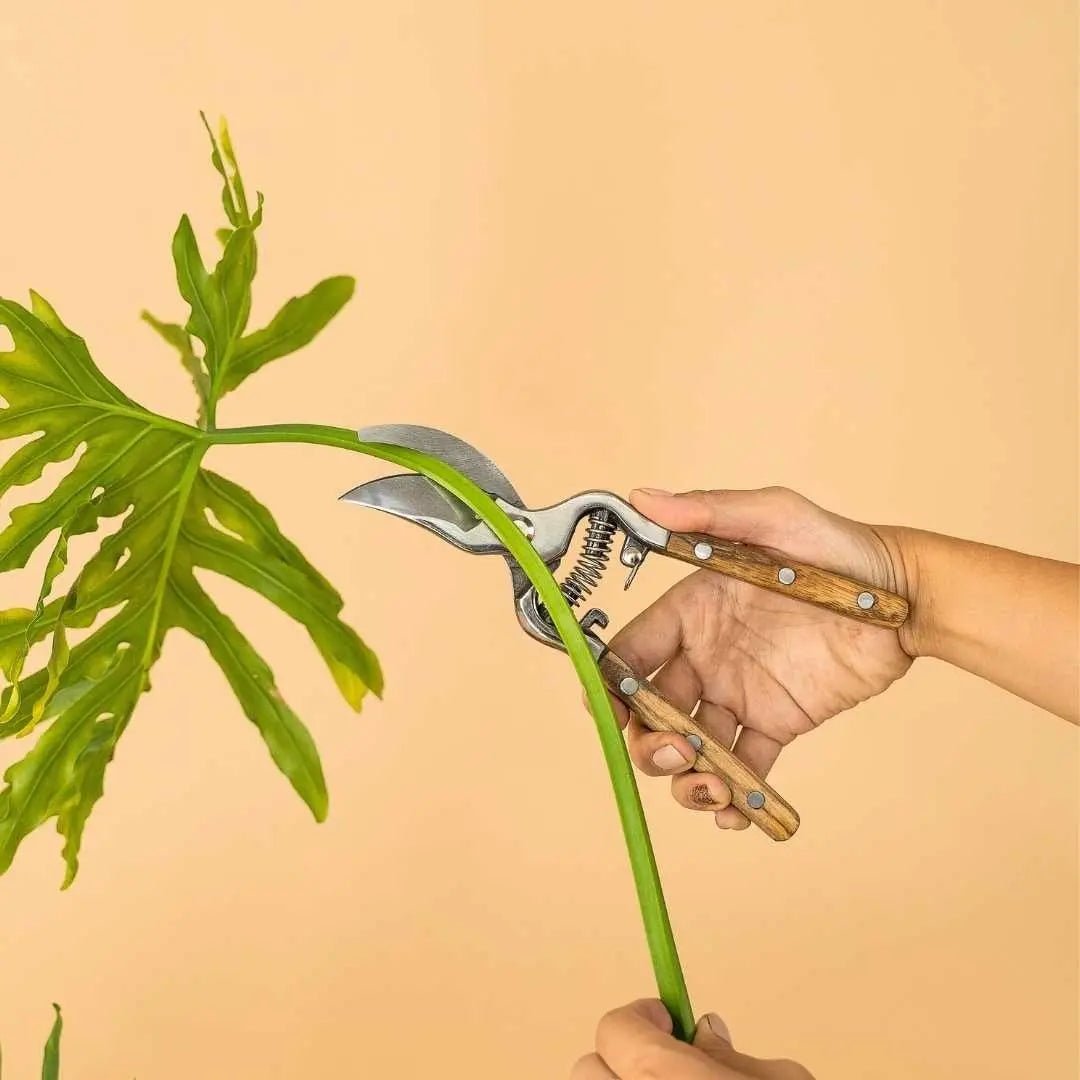
- Prune leggy or overgrown plants — they recover quickly now
Task: Prune and shape your collection. Use cuttings for propagation or swaps.
June — Moderate Rain

Weather: Southwest monsoon influence. Regular afternoon showers. Warm.
Plant care:
- Outdoor plants receive natural rain — reduce supplemental watering
- Indoor plants maintain standard schedule
- Good month for any repotting not done earlier
- Continue regular fertilising
Task: Visit nurseries — fresh stock arrives regularly. Good selection and prices.
July — Dry Spell Possible
Weather: Often the driest period of the southwest monsoon. Can have extended dry spells.
Plant care:
- Monitor watering closely — dry spells mean faster soil drying
- Spider mite risk increases again
- Ensure outdoor plants receive adequate water during dry stretches
- Great growing conditions for most tropicals
Task: Deep-clean plant leaves. Dust accumulates faster in drier air. Clean leaves photosynthesise better.
August — Haze Season Risk
Weather: Potential haze from regional land clearing. Reduced air quality and sunlight.
Plant care:
- Haze reduces light intensity — plants near windows receive less usable light
- Bring sensitive outdoor plants inside during severe haze
- Wipe leaves more frequently — haze deposits particulate matter on leaf surfaces
- Keep windows closed during poor air quality days (affects your plants too)
Task: Clean all plant leaves thoroughly. Haze residue on leaves reduces photosynthesis.
September — Inter-Monsoon Returns
Weather: Variable. Thunderstorms, sunny spells, high humidity. Warmer.
Plant care:
- Active growth continues — maintain fertilising
- Heavy rain may waterlog outdoor plants — check drainage
- Good conditions for propagation
- Watch for mealybugs (they proliferate in warm, humid conditions)
Task: Audit your collection. Which plants are thriving? Which need repositioning? Reorganise for optimal conditions.
October — Pre-Monsoon Humidity
Weather: Humidity builds. Increasing rainfall. Warm.
Plant care:
- Reduce watering slightly as humidity rises
- Watch soil moisture closely — dries slower now
- Prepare rain protection for outdoor succulents and cacti
- Last good window for major repotting before monsoon season
Task: Final repotting and soil refresh before the monsoon wet season.
November — Northeast Monsoon Begins
Weather: Heavy, sustained rainfall. Overcast skies. High humidity. Slightly cooler.
Plant care:
- Reduce watering frequency for indoor plants
- Outdoor plants may need rain protection or improved drainage
- Slightly reduced light — move light-loving plants closer to windows
- Reduce fertilising to monthly (slower growth in lower light)
- Watch for fungal issues in the persistent dampness
Task: Set up rain protection for outdoor succulents and drought-preferring plants.
December — Monsoon Peak
Weather: Continued heavy rain. Holiday season. Cooler evenings.
Plant care:
- Lowest watering frequency of the year for indoor plants
- Arrange plant-sitting if travelling for holidays
- Take advantage of cooler evening temperatures — some orchids bloom more readily with the slight temperature drop
- Minimal repotting or propagation (lower light conditions slow recovery)
Task: Arrange care for plants during holiday travel. Water thoroughly before leaving. Consider self-watering solutions.
Year-Round Monthly Tasks
Regardless of season, these tasks should be part of every month:
- Check soil moisture before every watering (never water on autopilot)
- Inspect for pests — check leaf undersides and stem joints weekly
- Clean leaves — wipe or shower monthly
- Fertilise active-growth plants (adjust frequency by season)
- Remove dead leaves and spent flowers promptly
- Rotate plants 90 degrees for even growth
- Empty saucers after every watering session
Final Thoughts
Singapore's climate is remarkably kind to indoor plants — but it is not uniform throughout the year. Tuning your care to these subtle seasonal shifts keeps your plants healthier than a one-size-fits-all approach.
Print this calendar, stick it on your fridge, and let it guide your monthly plant care routine. Your plants will notice the difference.
For more care guides, visit our plant care blog. Shop Tumbleweed Plants for plants suited to every season.
Quick summary
Key Takeaways
- January — Northeast Monsoon Peak
- February — Dry Spell Begins
- March — Hot and Dry
- April — Inter-Monsoon Transition
- May — Southwest Monsoon Approaches
- June — Moderate Rain
Ready to bring some green into your home?
Browse 250+ hand-picked plants, curated for Singapore homes — delivered to your door.
Browse All Plants →