















Houseplant Care Tips: Complete Care Guide
Posted on April 16 2026
In this article

- Singapore Houseplant Care at a Glance
- 1. How often should I water my plants?
- 2. How do I know if I'm overwatering or underwatering?
- 3. What kind of light do houseplants need?
- 4. Do I need to use special soil for houseplants?
- 5. Do houseplants need fertiliser?
- 6. Why are my plant's leaves turning yellow?
- 7. My plant has bugs. What do I do?
- 8. Do houseplants clean the air?
- 9. How do I know when to repot?
- 10. Can I keep plants in pots without drainage holes?
- 11. My plant was fine and then suddenly dropped all its leaves. What happened?
- 12. Do houseplants need humidity?
- 13. Can I grow plants from cuttings?
- 14. Are houseplants safe for pets?
- 15. How do I make my plant grow faster?
- Still Have Questions?
Tags: houseplant care, beginner tips, plant FAQ, indoor plant care, houseplant basics
---
Thumbnail image spec:
- Dimensions: 1200×628px
- Alt text: "Beginner houseplant care in Singapore — a collection of easy indoor plants on a bright HDB windowsill"
- Source suggestions: Bright, clean shot of multiple easy-care plants on a window shelf in a Singapore home; stock via Unsplash (search: "houseplant collection windowsill"), Pexels ("indoor plants shelf bright")
---
New to houseplants? These are the questions we hear most often — from customers across Singapore, in comments, and in messages. Honest, practical answers, with Singapore-specific context where it matters.
---
Singapore Houseplant Care at a Glance
| Factor | Singapore Condition | What It Means for Your Plants |
|--------|--------------------|---------------------------------|
| Temperature | 26–34°C year-round | Tropical plants thrive; no winter dormancy |
| Humidity | 75–85% ambient | Less misting needed; watch for overwatering |
| Light | Consistent equatorial light | Strong near windows; drops sharply indoors |
| Monsoon seasons | Nov–Jan, May–Jul | Overcast periods reduce indoor light |
| Air conditioning | Common in homes and offices | Reduces humidity; can cause cold stress near vents |
---
1. How often should I water my plants?

There's no universal answer — it depends on the plant, pot size, soil type, light level, and whether your space is air-conditioned or naturally ventilated.
The most reliable approach: check before you water. Insert a finger 5 cm into the soil. Water when it's dry (for most plants), or wait until it's completely dry (for succulents, cacti, snake plants, ZZ plants).
| Plant Type | Watering Frequency (Non-AC Room) | Watering Frequency (AC Room) |
|------------|----------------------------------|-------------------------------|
| Drought-tolerant (ZZ, snake plant, succulents) | Every 3–4 weeks | Every 2–3 weeks |
| Most tropical houseplants (pothos, philodendron, monstera) | Every 10–14 days | Every 7–10 days |
| Moisture-loving (ferns, calathea, peace lily) | Every 5–7 days | Every 5–7 days |
Singapore tip: Air-conditioned rooms dry soil faster than naturally ventilated rooms at the same humidity. If you run AC most of the day, check soil more frequently. Soil near AC vents dries out even faster.
---
2. How do I know if I'm overwatering or underwatering?
Overwatering symptoms: Yellow leaves (starting at the bottom), soggy soil, mushy stems, foul smell from soil.
Underwatering symptoms: Wilting or drooping leaves, dry crispy brown tips, soil pulling away from pot edges.
The key test: check the soil. If the plant is struggling and soil is wet or consistently moist — overwatering. If the soil is bone dry — underwatering.
Singapore tip: Overwatering is the more common mistake in Singapore, because our ambient humidity makes people think plants need less water — and then they compensate by watering on a schedule rather than checking. Always check the soil first.
---
The finger-dip test: if dry 5 cm down, water. If still moist, wait. No schedule needed.
---
3. What kind of light do houseplants need?

Most houseplants prefer bright indirect light — near a window but not in direct sun beams.
| Light Type | What It Looks Like in a Singapore Home |
|-----------|----------------------------------------|
| Bright indirect | 0.5–1m from an east or south window; filtered light through glass |
| Medium indirect | 2–3m from a window, or beside a north-facing window |
| Low light | Far from windows; dim HDB rooms or interior office spaces |
| Very low / artificial only | Windowless rooms — needs a grow light |
Very few plants do well in true no-light conditions. If there's no natural light at all, a grow light placed 30–45 cm above the plant for 12–14 hours/day is a practical solution.
Singapore tip: North-facing HDB flats receive consistent but relatively low light. If your windows face north, focus on genuinely low-light tolerant species (ZZ plants, snake plants, pothos, cast iron plants) rather than trying to grow high-light plants.
---
4. Do I need to use special soil for houseplants?
For most houseplants, standard indoor potting mix works fine. Do not use outdoor garden soil in pots — it compacts and doesn't drain well.
Exceptions:
- Succulents and cacti → cactus mix or standard mix + 50% perlite
- Orchids → bark-based orchid mix
- African violets → African violet mix
Singapore tip: In our humid climate, adding 20–30% perlite to any potting mix helps prevent waterlogging — especially for plants in non-air-conditioned rooms where soil may stay moist longer. This is one of the simplest ways to reduce root rot risk.
---
5. Do houseplants need fertiliser?

Yes, but not as much as most people think. Plants in pots can't replenish their own nutrients, so periodic fertilising helps maintain healthy growth and colour.
Simple approach: Use a balanced liquid fertiliser (10-10-10 or similar) at half the label dose, every 2–4 weeks. In Singapore, plants can be fertilised most of the year — there's no true winter dormancy. Reduce frequency slightly during the cloudiest monsoon months (November–January) when growth naturally slows.
Don't over-fertilise — the most common symptom is brown crispy leaf tips from salt buildup.
---
6. Why are my plant's leaves turning yellow?
Eight or more things can cause yellow leaves. The most common:
| Cause | Additional Signs |
|-------|------------------|
| Overwatering | Soggy soil, soft stems, lower leaves yellowing first |
| Underwatering | Dry soil, drooping, crispy tips |
| Natural aging | Only lowest/oldest leaves; rest of plant healthy |
| Insufficient light | Slow growth, small new leaves, pale colour |
| Nutrient deficiency | Widespread yellowing, poor overall growth |
Singapore tip: Overwatering is the leading cause of yellow leaves in Singapore houseplants. Always check soil moisture first.
---
7. My plant has bugs. What do I do?
First: isolate the plant immediately so pests don't spread to neighbouring plants.
Then identify the pest and treat accordingly:
| Pest | Signs | Treatment |
|------|-------|----------|
| Fungus gnats | Tiny black flies near soil | Let soil dry; yellow sticky traps; hydrogen peroxide drench |
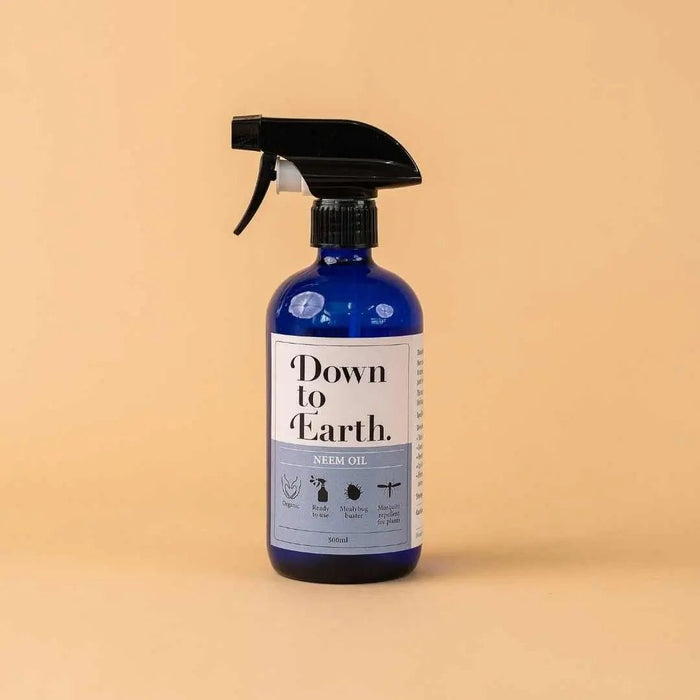
| Spider mites | Fine webbing, dusty leaves | Shower the plant; neem oil or insecticidal soap weekly |
| Mealybugs | White fluffy masses on stems/leaves | Rubbing alcohol on cotton swab; neem oil spray |
| Scale | Brown bumps on stems | Scrape off; neem oil; insecticidal soap |
Singapore tip: Singapore's warm, humid climate is ideal for many plant pests — particularly fungus gnats (from consistently moist soil) and spider mites (in dry air-conditioned rooms). Letting soil dry between waterings is the best preventative for fungus gnats.
---
8. Do houseplants clean the air?
Somewhat, yes — but the effect is more modest than popular claims suggest. The famous NASA Clean Air Study showed plants remove VOCs, but a 2019 analysis found you'd need 100+ plants per square metre for meaningful air filtration.
What plants do provide: some continuous VOC removal, added humidity to dry indoor air (helpful in AC rooms), and well-documented psychological benefits (reduced stress, improved focus, better mood). These benefits are real and valuable.
Best air-purifying plants: peace lily, spider plant, snake plant, rubber plant, and pothos.
---
9. How do I know when to repot?
Signs it's time:
- Roots growing from drainage holes
- Plant tipping over or visibly outgrowing the pot
- Water running straight through without absorbing
- No growth despite good care for 2+ years in the same pot
How to repot: Choose a pot 2.5–5 cm larger in diameter, use fresh potting mix, repot in the cooler morning hours (Singapore heat makes midday repotting stressful for both you and the plant).
---
10. Can I keep plants in pots without drainage holes?
Not reliably. Without drainage holes, water accumulates at the bottom, leading to root rot.
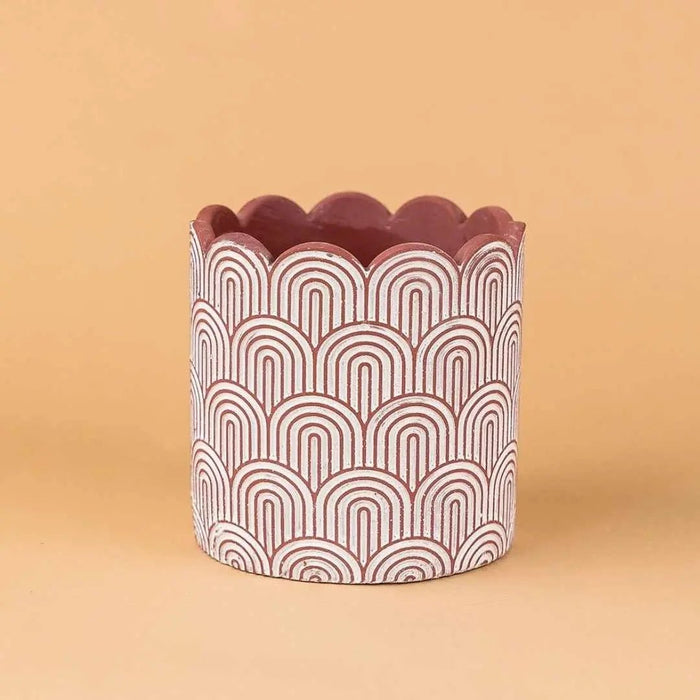
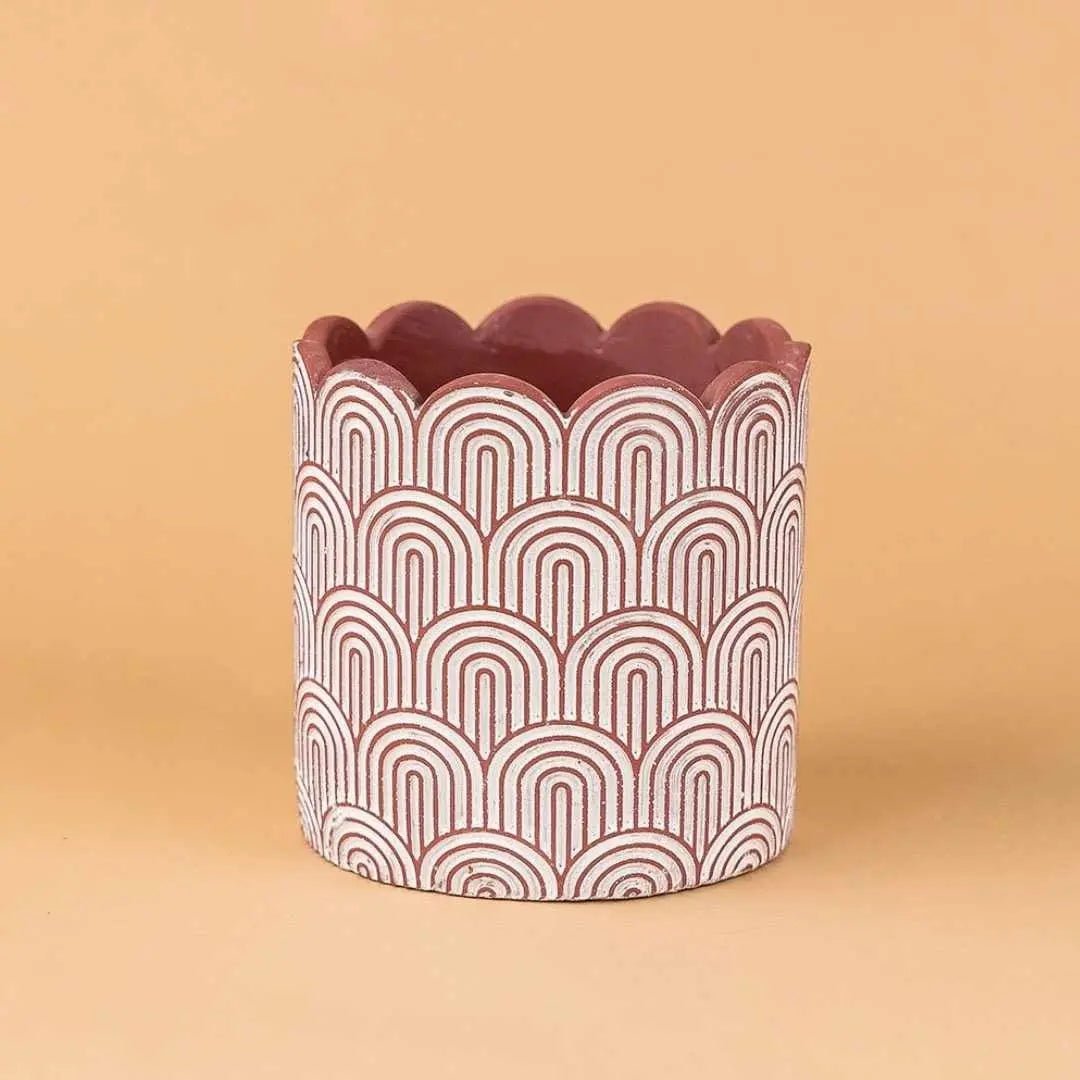
The practical solution: double pot — grow your plant in a plain plastic pot with drainage holes, and set that inside the decorative pot without holes. Water the inner pot, then let it drain before replacing it.
---
11. My plant was fine and then suddenly dropped all its leaves. What happened?
Sudden large-scale leaf drop is usually caused by:
- A sudden change in location (especially fiddle leaf figs)
- Cold shock (AC drafts, temperature drop below 18°C)
- Severe underwatering or root rot
- Pest infestation that went unnoticed
Singapore tip: Moving a plant to or from an air-conditioned room is one of the most common triggers for sudden leaf drop in Singapore. The temperature change between a 30°C corridor and a 22°C air-conditioned room can be significant for sensitive plants like fiddle leaf figs.
Assess each cause. Don't move the plant again — stability is important for recovery. Give the plant 4–6 weeks to respond.
---
12. Do houseplants need humidity?
Most tropical houseplants prefer humidity above 40%. In Singapore, outdoor ambient humidity of 75–85% is ideal — but indoor air-conditioned spaces can drop to 40–55%, which is acceptable for most plants but may cause crispy tips on sensitive species like calatheas and ferns.
| Situation | Humidity Level | Action |
|-----------|---------------|--------|
| Naturally ventilated Singapore home | 70–85% | No action needed |
| Air-conditioned room (24–26°C setting) | 50–65% | Fine for most plants; monitor sensitive species |
| Heavily air-conditioned room (below 22°C) | 40–55% | Pebble tray, group plants, or small humidifier for sensitive plants |
---
13. Can I grow plants from cuttings?
Many houseplants propagate easily from cuttings — pothos, philodendron, tradescantia, succulents, snake plants, and monstera are all propagatable by beginners.
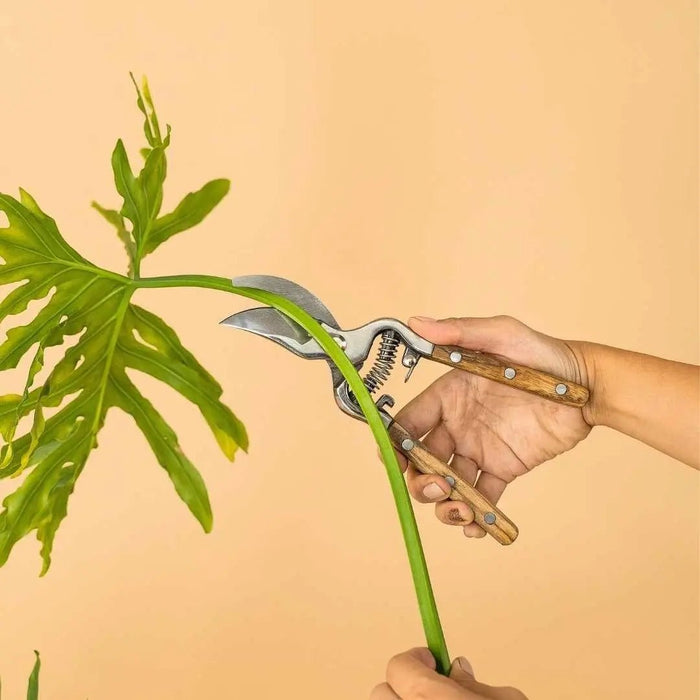
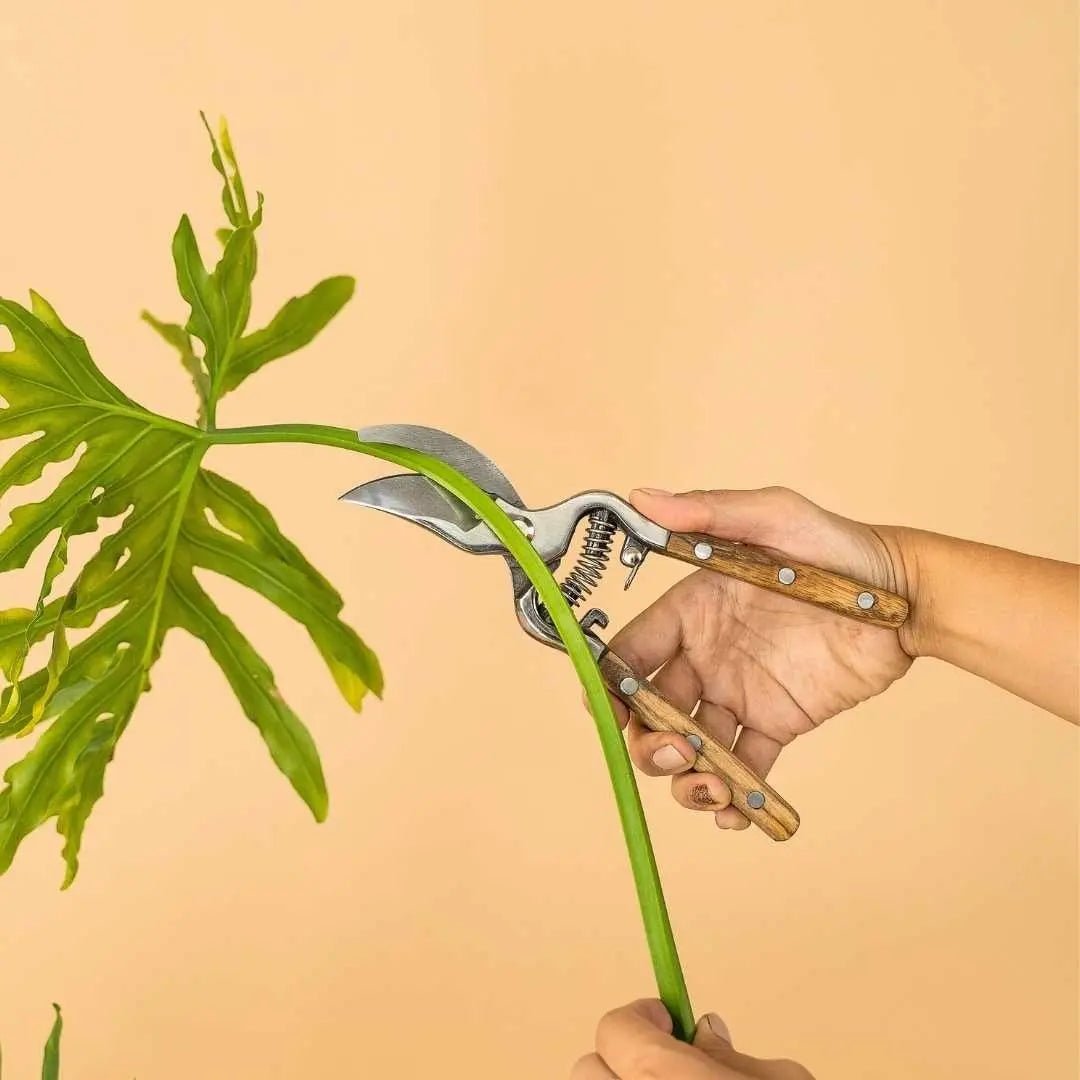
The basic method: cut a stem just below a leaf node, remove lower leaves, place in water or moist soil, and wait for roots to develop (2–6 weeks for most species).
Singapore tip: Singapore's warmth significantly speeds up propagation compared to temperate climates. Pothos cuttings that take 4–6 weeks to root in a temperate home may root in 2–3 weeks here. A warm bright windowsill is ideal for water propagation.
---
14. Are houseplants safe for pets?
Many popular houseplants are toxic to cats and dogs — including pothos, philodendron, monstera, ZZ plant, snake plant, peace lily, and rubber plant. Toxicity levels vary from mild irritation to serious harm.
The ASPCA maintains a comprehensive toxic/non-toxic plant database at aspca.org — check any plant before bringing it home if you have pets.
Pet-safe options: Spider plant, Boston fern, calathea, maranta, bamboo palm, areca palm, orchid, ponytail palm.
Browse our pet-friendly plant collection — every plant is verified non-toxic to cats and dogs.
---
15. How do I make my plant grow faster?
The biggest factors:
- More light — the most impactful change you can make
- Regular fertilising (every 2–4 weeks year-round in Singapore; reduce slightly in monsoon months)
- Warmth — Singapore's climate is already ideal; keep plants away from cold AC vents
- Consistent watering — stress from irregular watering slows growth
- Appropriate pot size — not too small, not too large
Singapore advantage: Our year-round tropical conditions mean plants can grow continuously — there's no winter slowdown. A plant with good light and consistent care in Singapore can produce new growth almost every week during its peak season.
See our fast-growing plants guide for the quickest growers available.
---
Still Have Questions?
Browse our full plant care resource library — or ask in the comments below. We read every question.
Ready to start growing? Browse our complete plant collection — every listing includes difficulty level so you can start with the right plants for your experience level. Same-day delivery is available across Singapore.
Also explore:
- Pet-friendly plants
- Mini starter plants
- Desk plants for Singapore offices
- Grow lights for low-light Singapore homes
---
Quick summary
Key Takeaways
- Singapore Houseplant Care at a Glance
- 1. How often should I water my plants?
- 2. How do I know if I'm overwatering or underwatering?
- 3. What kind of light do houseplants need?
- 4. Do I need to use special soil for houseplants?
- 5. Do houseplants need fertiliser?
Ready to bring some green into your home?
Browse 250+ hand-picked plants, curated for Singapore homes — delivered to your door.
Browse All Plants →