






















Adenium Desert Rose Care: Growing the Drought-Tolerant Beauty in Singapore
Posted on April 08 2026
In this article
With its swollen, sculptural trunk, vivid trumpet-shaped flowers, and remarkable drought tolerance, the adenium — commonly called the desert rose — is one of the most distinctive plants you can grow on a Singapore balcony. Despite its desert origins, adenium adapts surprisingly well to Singapore's tropical climate, where it blooms prolifically given enough sun and the right soil.

Here's a complete care guide for growing adenium in Singapore.
---
Quick Facts
---
Why Adenium Thrives on Singapore Balconies

Adeniums are desert plants that love heat, sun, and intermittent dryness. Singapore's year-round warmth and abundant sunshine make balcony growing ideal — as long as you have at least 6 hours of direct sun and can control watering carefully.
The main challenge in Singapore isn't heat or humidity, but rainfall. The monsoon seasons bring heavy, frequent rain that can saturate soil and cause root rot if drainage isn't excellent. With the right pot and soil setup, however, adeniums can handle Singapore rain beautifully — and they'll reward you with spectacular blooms almost year-round.
---
Light: Full Sun Is Non-Negotiable
Adeniums are sun lovers. They need a minimum of 6 hours of direct sunlight per day to bloom well and maintain their characteristic compact, sculptural form. On a Singapore balcony, this typically means a south or west-facing position.
Without enough sun:
- Growth becomes leggy and stretched toward the light
- Flowering is sparse or stops entirely
- The plant becomes more susceptible to rot
If your balcony only receives morning sun (east-facing), adeniums can still survive but may not bloom as prolifically. They're best suited to apartments with full afternoon sun exposure.
---
Watering: Less Is More

Adeniums store water in their swollen trunks and are built for dry conditions. The biggest mistake most growers make is watering too frequently.
For Singapore conditions:
During dry, sunny weather — Water once the soil has been completely dry for 1–2 days. In hot weather, this might mean watering every 5–7 days.
During monsoon season — If your plant is on an exposed balcony receiving rain, you may not need to water at all. Watch the soil and let it be your guide.
Winter months (Nov–Jan) — Water less frequently. Growth slows, and the plant's water needs decrease.
Always water deeply and then allow the soil to drain completely. Never let an adenium sit in standing water — even for a few hours in Singapore's heat, this can initiate root rot.
---
Managing Monsoon Rain in Singapore
Singapore's northeast monsoon (November–January) and inter-monsoon periods bring intense, sustained rainfall that can be fatal to adeniums if not managed.
The best approach:
- Use fast-draining soil — A cactus or succulent mix with added perlite ensures water moves through quickly
- Choose a pot with large drainage holes — Multiple drainage holes are better than one
- Elevate the pot — Use pot feet or a raised stand to keep the drainage hole well clear of surfaces
- Consider a rain shelter — A retractable awning or positioning under an overhang will protect the plant during sustained downpours
Alternatively, bring your adenium indoors during particularly heavy monsoon weeks — as long as it gets bright light, it'll be fine for short periods.
---
Soil: Fast-Draining Is Essential

Regular potting soil retains too much moisture for adeniums. You need a mix that drains almost as fast as it receives water. The best options for Singapore:
- Pre-mixed cactus/succulent soil — Widely available and a good starting point
- DIY mix: 50% coarse perlite or pumice + 30% cactus mix + 20% coarse sand
Avoid peat-based soils, which hold water. The goal is a mix where water runs through within seconds of being poured in.
Terracotta pots are ideal for adeniums — they're porous and allow soil to dry out faster than plastic or glazed ceramic pots.
---
Pruning: Shaping Your Adenium
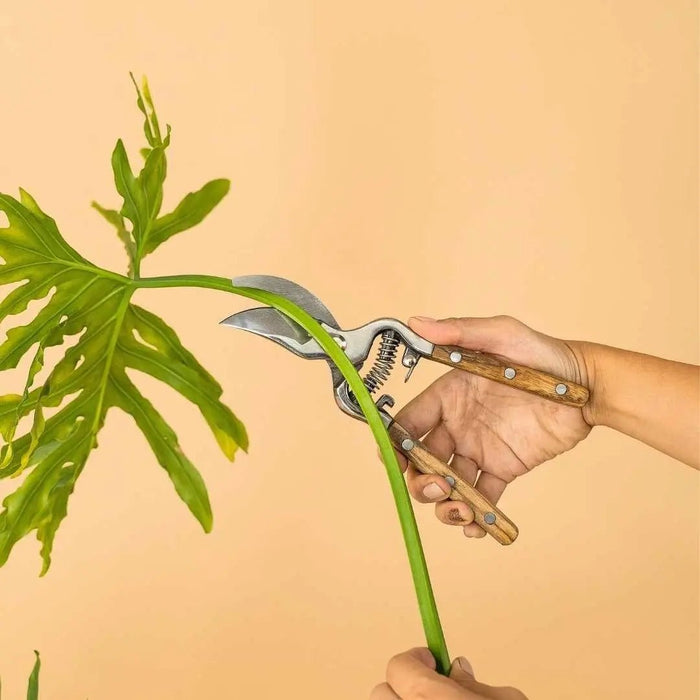
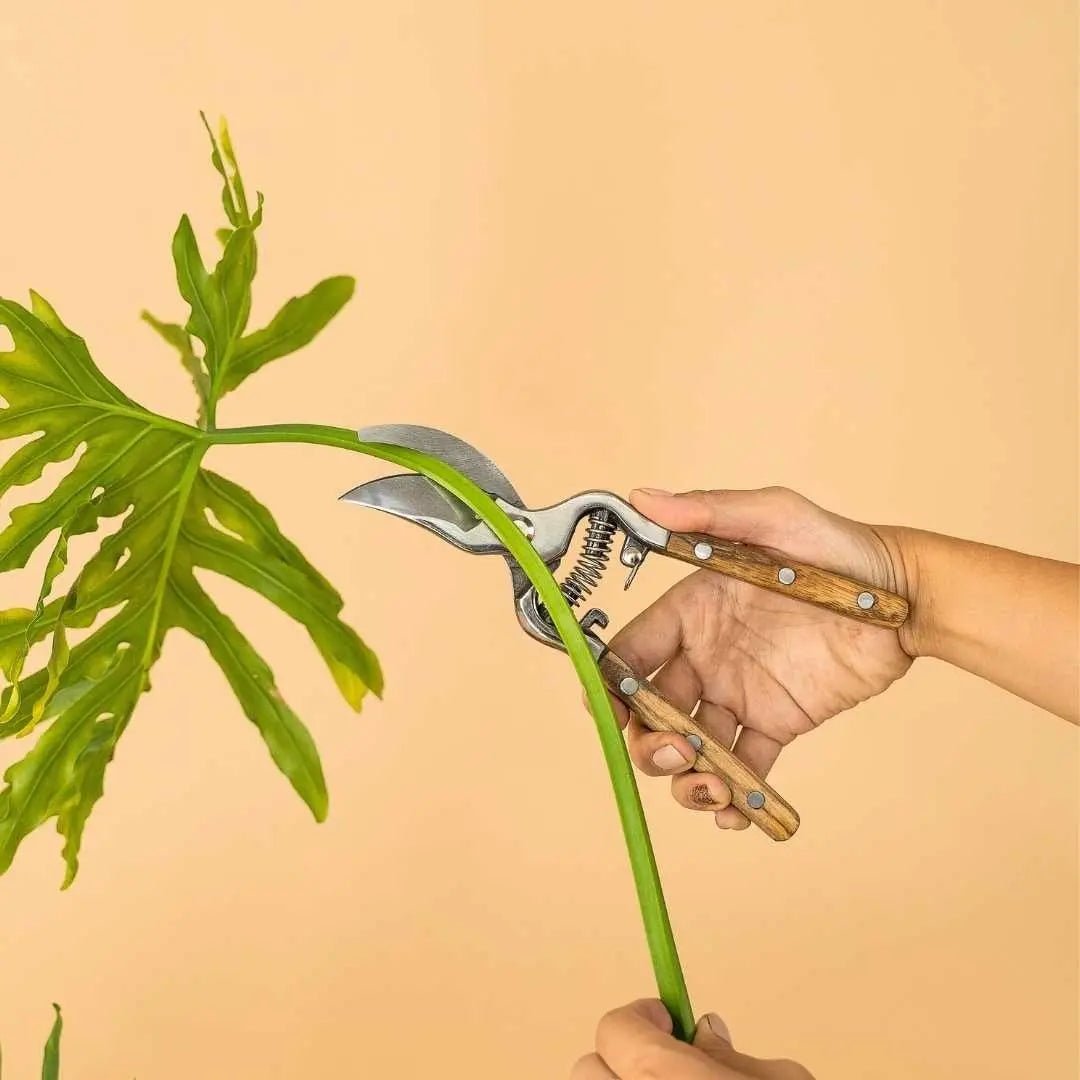
Adeniums can be pruned to encourage branching and more flowers. Prune after a flush of blooms has finished, cutting just above a node. New growth will emerge from below the cut, and each new branch tip has the potential to flower.
Wear gloves when pruning — adenium sap is milky, sticky, and toxic. Keep it away from eyes and skin. Wash hands thoroughly after handling.
---
Common Problems

Soft, mushy trunk at the base — Root rot. Caused by overwatering or poor drainage. Act quickly: remove from pot, cut away soft tissue back to firm material, dust with fungicide powder, let dry for several days, then repot in fresh dry cactus mix.
Yellow leaves, leaf drop — Normal during dry periods (a survival response) or indicates overwatering. Assess soil moisture to determine which.
No flowers — Insufficient sun is the most common cause. Move to a sunnier position.
Leggy growth — Also a sun issue. Increase sunlight exposure.
Caterpillars — Oleander caterpillars occasionally attack adeniums in Singapore. Remove manually or treat with a mild insecticide.
---
Fertilising for Maximum Blooms
Adeniums are moderate feeders. During active growing periods (March–October), feed monthly with a high-phosphorus, low-nitrogen fertiliser to encourage flowering. A fertiliser with an NPK ratio like 10-30-20 works well.
Avoid high-nitrogen fertilisers, which encourage leafy growth at the expense of flowers.
During the cooler monsoon months, reduce or stop feeding as growth slows.
---
Where to Buy Adenium in Singapore
You can find adenium plants at Tumbleweed Plants, including compact varieties perfect for balcony growing. Explore our full balcony plants collection for more sun-loving options suited to Singapore's outdoor conditions.
Need your plant today? We offer same-day delivery across Singapore — order by noon for afternoon delivery.
Quick summary
Key Takeaways
- Quick Facts
- Why Adenium Thrives on Singapore Balconies
- Light: Full Sun Is Non-Negotiable
- Watering: Less Is More
- Managing Monsoon Rain in Singapore
- Soil: Fast-Draining Is Essential
Ready to bring some green into your home?
Browse 250+ hand-picked plants, curated for Singapore homes — delivered to your door.
Browse All Plants →