















The Best Drought-Tolerant Houseplants for People Who Forget to Water
Posted on April 17 2026
In this article

---
Some people are natural plant waterers. They check on their plants regularly, feel the soil, and water with consistency. And then there are the rest of us — busy, forgetful, or simply not wired to remember that the plant in the corner hasn't had water in three weeks.
If you fall into the second category, the solution isn't to force yourself to become someone you're not. The solution is to choose plants that are built for your actual habits.
These are the best houseplants for people who underwater, forget, travel frequently, or simply want low-effort care without sacrificing a beautiful collection.
Singapore-specific note: Drought-tolerant plants in Singapore do need one key thing — adequate light. Many drought-tolerant species, especially succulents and cacti, evolved in open, sunny environments. Singapore's natural light levels are high, but indoor rooms can be dim. We'll flag light requirements clearly for each plant.
---
Understanding Drought Tolerance
Plants tolerate drought through different strategies:
Water storage in leaves: Succulents and cacti store water in their thick, fleshy leaves or stems. The stored water sustains them through extended dry periods.
Water storage in roots/rhizomes: ZZ plants store water in underground rhizomes (potato-like storage organs). Snake plants store water in their thick leaves and roots.
CAM photosynthesis: Many succulents use crassulacean acid metabolism — a photosynthetic pathway that minimizes water loss by opening leaf pores only at night.
Slow growth and reduced metabolism: Some plants simply slow down their metabolic rate when water is scarce, requiring less water to maintain themselves.
---
The Most Drought-Tolerant Houseplants

1. Cactus (desert varieties)
Time between waterings: 3–6 weeks in growing season; 1–2 months during slower periods
The extreme end of the spectrum. Desert cacti store water in their stems and bodies and are adapted to months of drought in the wild. Indoors, they need thorough watering when the soil has been completely dry for a week or more.
Best beginner-friendly cacti: Golden ball cactus (Echinopsis), old man cactus (Cephalocereus), bunny ears cactus (Opuntia microdasys)
Singapore note: Cacti need very bright light to thrive. A south or west-facing window, or a bright balcony (with protection from direct heavy rain), is ideal. In dim indoor spaces, cacti decline slowly regardless of watering. If your home is bright, cacti can be spectacular; if it's naturally dim, choose snake plants or ZZ plants instead.
---
2. Succulents (*Echeveria*, *Sedum*, *Haworthia*, etc.)
Time between waterings: 2–4 weeks
Succulents store water in their thick leaves and tolerate extended dry periods. The enormous variety within the succulent category means you can build a diverse, interesting collection entirely of drought-tolerant plants.
Most forgiving succulents for Singapore: Haworthia (tolerates lower light than most succulents — excellent for HDB flats without full-sun windows), Aloe vera, Gasteria (shade-tolerant, perfect for lower-light spots)
Singapore caution: Overwatering is the primary killer of succulents here, especially when light is limited. In Singapore's warmth, the soil needs time to dry fully between waterings. Avoid the temptation to water on a schedule — always check the soil first.
---
3. ZZ Plant (*Zamioculcas zamiifolia*)
Time between waterings: 2–3 weeks in growing season; 3–5 weeks during slower periods
The ZZ plant stores water in underground rhizomes that can sustain it through remarkable neglect. One of the most drought-tolerant non-succulent houseplants available. Its glossy, architectural leaves look polished whether it's been watered recently or not.
Tolerance level: Will survive a month of drought without visible decline in most conditions.
Singapore fit: Excellent. Tolerates the lower light of north-facing HDB rooms, grows steadily in Singapore's warmth, and requires very little attention. One of our most recommended plants for busy Singapore households.
---
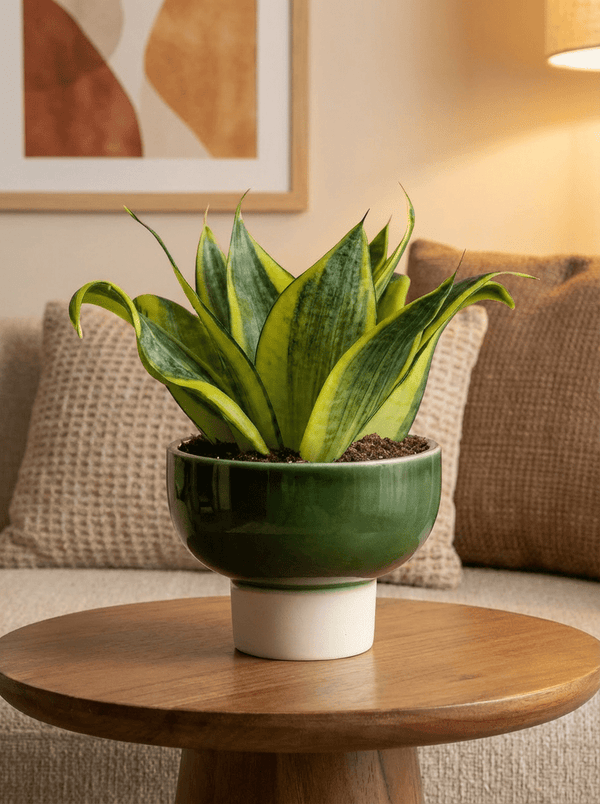
4. Snake Plant (*Dracaena trifasciata*)
Time between waterings: 2–4 weeks
Snake plants store water in their thick, upright leaves and are among the most drought-tolerant of all common houseplants. The leaves may lose some rigidity if very dry but recover fully after watering.
Bonus: Tolerates very low light, making it one of the most adaptable plants on this list.
Singapore fit: Excellent. Thrives year-round in Singapore's warmth. The upright, architectural form works beautifully in HDB flats and condos. One of Singapore's most reliably successful indoor plants.
---
5. Ponytail Palm (*Beaucarnea recurvata*)
Time between waterings: 3–4 weeks in growing season; 6+ weeks during slower growth
Despite the name, it's not a true palm — it's a succulent tree. Its swollen trunk base stores large amounts of water, allowing it to go weeks between waterings. Grows very slowly into a striking specimen with a large bulbous base and cascading, grass-like leaves from the top.
Singapore fit: Good in bright positions. Grows slowly but is visually distinctive and requires almost no attention.
---
6. Cast Iron Plant (*Aspidistra elatior*)
Time between waterings: 2–3 weeks; tolerates 4+ weeks
The cast iron plant lives up to its name. Tolerates low light, low humidity, temperature fluctuations, irregular watering, and general neglect. Grows slowly but stays healthy for years with minimal attention. Not flashy — dark green, strap-like leaves — but virtually indestructible.
Best for: Low-light rooms in Singapore (north-facing HDB corridors, dimly lit offices), truly set-and-forget care, anyone who's killed more dramatic plants.
---
7. Aloe Vera
Time between waterings: 2–3 weeks in growing season; 4–6 weeks during slower growth
Aloe stores water in its fleshy leaves and is very drought-tolerant. It also provides a practical bonus — the gel inside the leaves soothes minor burns and skin irritation. Needs a sunny windowsill to thrive. In Singapore, a bright balcony or south/west-facing window is ideal.
---
8. Jade Plant (*Crassula ovata*)
Time between waterings: 2–3 weeks in growing season; 4–6 weeks during slower growth
A succulent tree that grows slowly into an impressive bonsai-like specimen over years. Stores water in its thick, oval leaves and woody stems. Very long-lived — well-cared-for jade plants are passed down through generations.
Best for: Bright windows in Singapore, patient growers who want a long-term specimen with increasing character over time.
---
9. Pothos (*Epipremnum aureum*)
Time between waterings: 1–2 weeks; tolerates 3 weeks before visible stress
Not as drought-tolerant as succulents or ZZ plants, but more forgiving than most tropical plants. Pothos visibly droops when it wants water but recovers fully and quickly after watering — making it self-signaling and easy to manage even for forgetful owners.
Singapore fit: Outstanding. Pothos grows extremely vigorously in Singapore's tropical climate, tolerates a wide range of light conditions, and is nearly indestructible. One of the best starter plants for any Singapore home.
---
10. Chinese Evergreen (*Aglaonema*)
Time between waterings: 1–2 weeks; tolerates 3 weeks
More drought-tolerant than its tropical appearance suggests. Tolerates low light and irregular watering. Bold foliage in green, red, or pink. One of the most all-around easy plants for indoor environments.
Singapore fit: Excellent. Aglaonemas grow enthusiastically in Singapore's warmth and are widely available locally. The red and pink varieties are particularly striking and do well in brighter indoor spots.
---
Setting Up a Low-Maintenance Plant Environment
Beyond choosing drought-tolerant plants, a few setup choices reduce your watering burden:
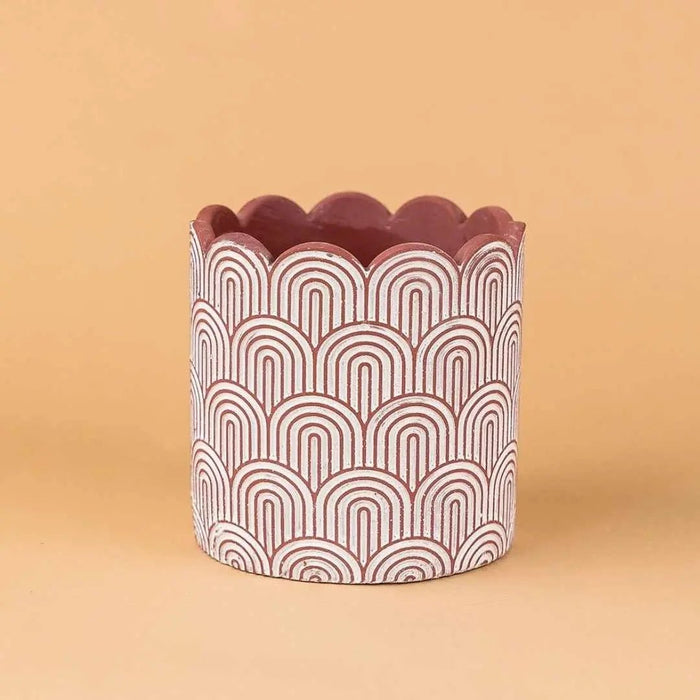
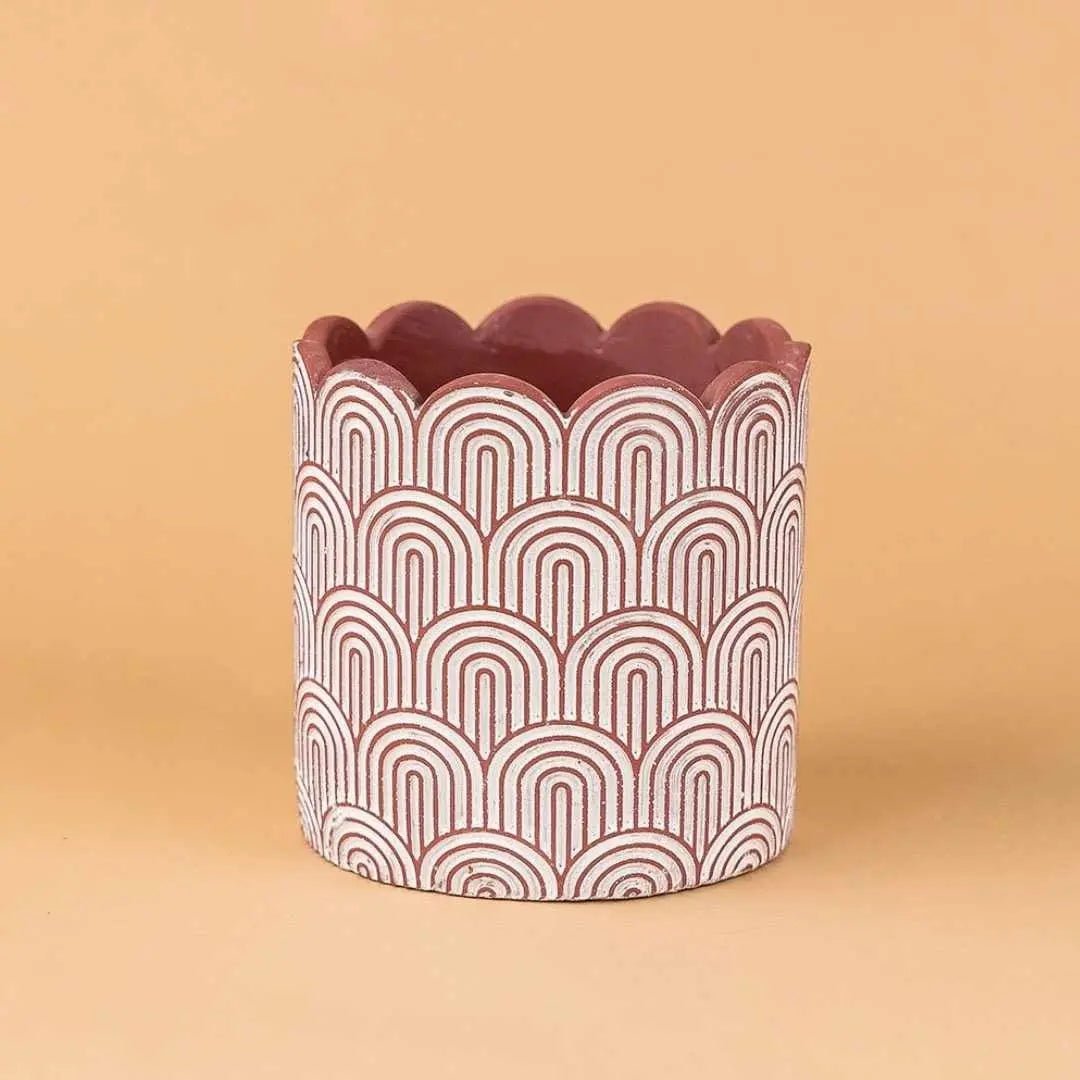
Use glazed ceramic or plastic pots over terracotta: Terracotta wicks moisture rapidly. For plants you're already underwatering, switching to plastic or glazed ceramic extends the soil moisture window significantly. This matters especially in Singapore's heat.
Water less, but thoroughly: Shallow, frequent waterings encourage shallow root growth. Deep, infrequent waterings encourage roots to grow deep — making the plant more self-sufficient and better able to access water reserves deep in the pot.
Group plants in one area: Makes it easier to check and water the whole collection at once, reducing the chance of forgetting individual plants in different rooms.
Choose appropriate soil: Well-draining mix is critical for drought-tolerant plants in Singapore's warm climate. A mix that stays wet too long invites root rot — especially problematic in our consistently warm temperatures.
---
Build a collection that works with your lifestyle. Browse our low-water plant collection at tumbleweedplants.com/collections/low-maintenance-plants — drought-tolerant succulents, cacti, and tropical varieties that stay beautiful even when life gets busy. Delivered islandwide across Singapore.
---
Quick summary
Key Takeaways
- Understanding Drought Tolerance
- The Most Drought-Tolerant Houseplants
- Setting Up a Low-Maintenance Plant Environment
Ready to bring some green into your home?
Browse 250+ hand-picked plants, curated for Singapore homes — delivered to your door.
Browse All Plants →