


















Alocasia Care Guide for Singapore: Elephant Ear Plants
Posted on April 09 2026
In this article
Alocasias — commonly known as Elephant Ear plants — are among the most dramatic houseplants you can grow. Their large, arrow-shaped or shield-shaped leaves on tall, elegant stems create an instant tropical statement that few other plants can match.

Singapore's climate provides an excellent foundation for Alocasia care, but these plants have specific needs that set them apart from their more forgiving cousins in the aroid family.
Popular Alocasia Varieties for Singapore
Alocasia Polly (Amazonica)
The most common variety sold in Singapore. Compact size with dark green, arrow-shaped leaves and prominent white veins. A stunning desk or tabletop plant.
Size: 30-50cm tall
Difficulty: Moderate
Alocasia Zebrina
Named for its distinctive zebra-striped stems. The large, arrow-shaped green leaves are impressive, but it is the stems that steal the show.
Size: 60-100cm tall
Difficulty: Moderate
Alocasia Dragon Scale
Textured, leathery leaves that resemble dragon skin. Silver-green with dark veins. One of the most visually striking houseplants available.
Size: 30-60cm tall
Difficulty: Moderate to advanced
Alocasia Frydek (Green Velvet)
Velvety, dark green leaves with white veins. Similar to Polly but with a softer, tactile quality that photographs beautifully.
Size: 40-60cm tall
Difficulty: Moderate
Alocasia Macrorrhiza (Giant Taro)
The largest commonly grown variety. Massive upright leaves can reach over a metre in ideal conditions. Bold and architectural.
Size: 1-2 metres tall
Difficulty: Easy (the easiest Alocasia)
Light Requirements
Alocasias need more light than many tropical houseplants — they evolved to compete for light in forest clearings, not deep shade.
Ideal light:
- Bright indirect light is essential
- 2-4 hours of filtered morning sun is beneficial
- East-facing windows are ideal in Singapore
Not enough light:
- Drooping leaves
- Leggy, stretched stems
- Smaller new leaves
- Loss of leaf colouration
Too much light:
- Scorched, bleached patches on leaves
- Crispy brown edges
- Leaves curling to reduce sun exposure
Singapore tip: Most HDB flats provide adequate light near east or north-facing windows. West-facing units need a sheer curtain to filter the intense afternoon sun.
Watering
This is where Alocasia care gets tricky. They want consistent moisture but rot quickly in waterlogged soil.
The balance: Keep soil evenly moist — not wet, not dry. Think of a wrung-out sponge as the ideal moisture level.
Watering frequency in Singapore:
- Every 4-6 days in naturally ventilated rooms
- Every 3-5 days in air-conditioned rooms
- Adjust based on pot size and soil mix
Check before watering: The top 2cm of soil should feel dry before you water. If still moist, wait another day.
Common mistake: Watering on a rigid schedule. Alocasia's water needs change with humidity, temperature, and growth phase. Always check first.
Overwatering symptoms: Yellowing leaves (starting from lower leaves), soft mushy stems at the base, root rot
Underwatering symptoms: Drooping, curling leaves (that perk up after watering), dry crispy edges
Soil Mix

Alocasias need an airy mix that drains quickly while retaining some moisture:
Recommended mix:
- 30% potting soil
- 30% perlite or pumice
- 25% orchid bark
- 15% horticultural charcoal
This is chunkier than a typical houseplant mix — and that is intentional. Alocasia roots need oxygen as much as water. Dense soil suffocates them.
Avoid: Standard potting soil alone. It retains too much water and compacts over time.
Humidity
Alocasias are humidity-dependent plants. This is where Singapore gives you a real advantage.
Optimal humidity: 60-80% (Singapore's outdoor norm)
In air-conditioned rooms:
- Group Alocasias with other tropical plants
- Use a humidifier nearby
- Place on a pebble tray with water
- Consider keeping Alocasia in a naturally ventilated room
Signs of low humidity:
- Brown, crispy leaf edges
- Leaves failing to unfurl properly
- New leaves emerging damaged or torn
Temperature

Singapore's year-round warmth is ideal. Alocasias prefer:
- Daytime: 22-30°C
- Night: Above 18°C
Avoid: Placing directly under air-con vents (cold drafts cause rapid leaf yellowing and dropping). Keep away from fans that blow directly on the plant.
The Dormancy Question
In temperate climates, Alocasias go dormant in winter — dropping all their leaves and surviving as underground corms. In Singapore, true dormancy is rare because we have no winter.
However, Alocasia may enter a semi-dormant phase if:
- Severely underwatered for an extended period
- Exposed to cold temperatures (unlikely in SG)
- Stressed by pest infestation or root rot
If your Alocasia drops all its leaves, do not throw it away. The corm underground may still be alive. Reduce watering (but do not let the soil go bone dry), place in bright indirect light, and wait. New growth often emerges in 2-6 weeks.
New Leaf Care

One of the joys of Alocasia ownership is watching new leaves emerge. The process is dramatic — a tightly rolled leaf pushes up from the centre of the plant and slowly unfurls over 1-2 weeks.
During leaf emergence:
- Do not touch or unroll the leaf manually — this causes damage
- Maintain higher humidity to help the leaf unfurl smoothly
- Keep watering consistent
- Avoid moving the plant
Note: Alocasia typically maintains 3-5 leaves at a time. When a new leaf emerges, the oldest leaf often yellows and dies. This is normal — the plant is redirecting energy, not struggling.
Fertilising
Alocasias are moderate feeders. In Singapore's year-round growth season:
- Use balanced liquid fertiliser (20-20-20 or similar) at half strength
- Feed every 2-3 weeks during active growth
- Reduce to monthly if growth slows
- Never fertilise a stressed or newly repotted plant
- Flush soil with plain water every 6-8 weeks to prevent salt buildup
Common Problems
Spider Mites
The number one Alocasia pest in Singapore, especially in dry air-conditioned rooms. Look for:
- Fine webbing on leaf undersides
- Tiny dots (mites) visible with a magnifying glass
- Stippled, yellowing leaves
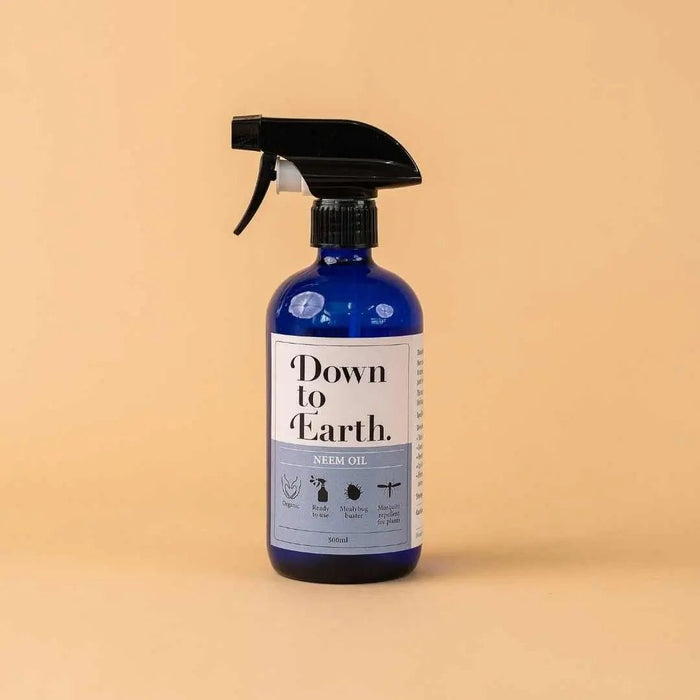
Treatment: Spray both sides of leaves with neem oil solution or insecticidal soap weekly until clear. Increase humidity — spider mites hate moisture.
Prevention: Wipe leaves weekly with a damp cloth. Keep humidity above 60%.
Leaf Yellowing
If it is the oldest leaf while a new leaf is emerging — normal. If multiple leaves yellow simultaneously — check for overwatering, root rot, or sudden environmental change.
Drooping Leaves
Usually underwatering. Water thoroughly and the plant should perk up within hours. If drooping persists after watering, check roots for rot.
Brown Spots
- Dry brown spots with yellow halos: Bacterial or fungal infection. Remove affected leaves, improve air circulation, avoid wetting leaves.
- Dry, crispy brown edges: Low humidity or underwatering.
- Wet, mushy brown spots: Overwatering.
Propagation
Alocasia propagates through:
Division
The most reliable method. When repotting:
- Separate offsets (baby plants) that have their own root system
- Pot each offset in fresh aroid mix
- Keep moist and warm
- New growth in 2-4 weeks
Corm Propagation
Alocasia produces small corms (bulb-like structures) at the base and roots:
- Locate corms when repotting
- Place in moist sphagnum moss in a sealed container
- Keep warm (25-30°C) in bright indirect light
- Sprouts emerge in 2-6 weeks
- Transfer to soil once roots and a leaf develop
Final Thoughts
Alocasias are not the easiest houseplants, but they are among the most spectacular. Their combination of dramatic foliage, architectural form, and tropical presence makes them worth the extra attention. Singapore's warm, humid climate gives you a head start — lean into those natural advantages with proper light and a chunky, well-draining soil mix.
Start with an Alocasia Macrorrhiza or Zebrina for a more forgiving introduction to the genus, then graduate to the stunning Dragon Scale or Frydek as your confidence grows.
Find your perfect Alocasia at Tumbleweed Plants.
Quick summary
Key Takeaways
- Popular Alocasia Varieties for Singapore
- Light Requirements
- Watering
- Soil Mix
- Humidity
- Temperature
Ready to bring some green into your home?
Browse 250+ hand-picked plants, curated for Singapore homes — delivered to your door.
Browse All Plants →