















Alocasia Care Guide for Singapore | Tumbleweed Plants Singapore
Posted on April 10 2026
In this article
Alocasia is the plant for people who want drama. Its leaves are oversized, sculptural, and unapologetically bold — arrow-shaped, shield-shaped, or heart-shaped, held aloft on long, stiff petioles that present each leaf like a work of art. Where a Pothos trails casually and a Snake Plant stands politely, an Alocasia demands attention.

This drama extends to its care requirements. Alocasia is not difficult, but it is specific — it knows what it wants and lets you know quickly when it does not have it. In Singapore, many of its needs are met naturally by our tropical climate, but humidity, light balance, and watering precision still require attention.
Popular Varieties in Singapore
Alocasia 'Polly' (Amazonica) — Compact, dark green leaves with striking silver-white veins and scalloped edges. The most commonly available variety and a good starting point.
Alocasia zebrina — Distinctive zebra-striped stems with large arrow-shaped green leaves. The stems are the star of this variety.
Alocasia 'Dragon Scale' — Thick, textured leaves that look like dragon skin — deep green with pronounced silvery venation. Compact and tactile.
Alocasia macrorrhiza (Giant Taro) — Enormous upward-pointing leaves on thick stems. Can grow very large indoors. The classic "elephant ear."
Alocasia 'Black Velvet' — Small, round, velvety black leaves with bright silver veins. A jewel Alocasia — compact and striking.
Alocasia 'Silver Dragon' — Similar to Dragon Scale but with silvery, almost metallic leaf surfaces. Highly sought after.
Light

Alocasia needs bright light but not direct sun — a balance that matters.
Bright indirect light — The ideal. Produces the largest, most colourful leaves. Near a window with sheer curtains or an east-facing window.
Medium light — Acceptable but growth slows. Leaves may be smaller and less vivid.
Low light — Not recommended. Alocasia drops leaves in low light, sometimes going dormant with only 1-2 leaves remaining.
Direct sun — Burns the leaves. Alocasia's large, thin leaves are highly susceptible to sunburn. Even a few hours of direct afternoon sun causes brown patches and crispy edges.
Key principle: Alocasia maintains only as many leaves as the light supports. In bright light, it holds 5-7+ leaves. In medium light, 3-4. In low light, 1-2 (and it may cycle — dropping one leaf as it produces a new one). If your Alocasia constantly has only 1-2 leaves, it needs more light.
Watering
Alocasia prefers consistently moist soil — not wet, not dry. This is the trickiest aspect of Alocasia care.
Schedule in Singapore:
- Water when the top 2-3cm of soil is dry
- Every 5-7 days in naturally ventilated rooms
- Every 7-10 days in air-conditioned rooms
Technique:
- Water thoroughly until it drains from the bottom
- Empty saucers promptly — Alocasia does not tolerate sitting in water
- Maintain even moisture without waterlogging
Overwatering signs: Yellow leaves (starting from the base), mushy stems, root rot, fungal issues.
Underwatering signs: Drooping leaves, crispy edges, leaves curling inward.
The balance: Alocasia wants the Goldilocks zone — moist enough that roots never fully dry, dry enough that they have access to oxygen. This is why well-draining soil is absolutely critical (see below).
Soil

Fast-draining but moisture-retentive — this seems contradictory but it is achievable:
- 40% potting mix
- 30% perlite
- 20% orchid bark
- 10% coco coir or peat
This mix holds moisture in the organic components while draining excess water through the perlite and bark. The roots stay moist but never waterlogged.
Humidity
Singapore's advantage: Alocasia is a Southeast Asian native — our 70-80% humidity is close to ideal. In naturally ventilated rooms, no supplemental humidity is needed.
AC rooms: Air conditioning drops humidity to 50-60%, which is still acceptable for most Alocasia but can cause crispy leaf edges on sensitive varieties (Black Velvet, Silver Dragon). Options:
- Group plants together to create a humidity microclimate
- Use a pebble tray filled with water beneath the pot
- Run a small humidifier nearby
- Place Alocasia in a bathroom with natural light (if available)
Temperature

Singapore's 26-32°C is within Alocasia's ideal range (18-30°C). The main risk is cold AC drafts — direct cold air on Alocasia leaves causes stress, drooping, and potential leaf loss.
Rule: Keep Alocasia away from direct AC vents. The ambient temperature of an AC room (22-25°C) is fine; the direct cold airflow is the problem.
Fertilising
Alocasia is a moderate to heavy feeder during active growth:
- Balanced liquid fertiliser at half strength every 2-3 weeks during active growth
- Reduce to monthly during slower periods
- Flush soil with plain water every 6-8 weeks to prevent salt buildup
Tip: Under-fertilising produces smaller, less vibrant leaves. If your Alocasia is in good light with appropriate watering and still producing underwhelming leaves, try a slightly more frequent fertilising schedule.
Dormancy

Alocasia can go dormant — dropping all leaves and retreating to its underground corm (bulb). This is more common in temperate climates with cold winters, but it can happen in Singapore if:
- The plant is severely stressed (overwatered, root rot, pest damage)
- Light is drastically reduced for an extended period
- The plant is moved to a very cold, dry environment
If your Alocasia goes dormant: Do not throw it out. Reduce watering to very minimal (the corm needs to stay slightly moist, not dry, not wet). Keep in a warm, bright spot. New growth can emerge weeks or months later.
Common Problems
Dropping Leaves
The "one in, one out" pattern: Many Alocasia varieties maintain a fixed number of leaves — producing a new leaf while dropping the oldest. This is normal, especially in medium light. More light = more simultaneous leaves.
Rapid leaf loss (multiple leaves at once): Environmental stress — overwatering, cold drafts, severe light changes, or root rot. Investigate the cause.
Yellow Leaves
One lower leaf turning yellow: Usually natural leaf cycling — old leaf dying as new growth emerges. Normal.
Multiple leaves yellowing: Overwatering (most common), root rot, or nutrient deficiency.
Brown Edges and Tips
Cause: Low humidity, underwatering, cold drafts, or over-fertilising.
Fix: Increase humidity, check watering consistency, move away from AC vents, and flush soil if you suspect fertiliser buildup.
Drooping
Underwatering: The most common cause. Water thoroughly and the plant recovers within hours.
Overwatering: Counterintuitively, overwatered Alocasia also droops — but the soil will be wet and stems may feel soft. Check roots for rot.
Cold stress: Exposure to cold drafts or temperatures below 18°C causes drooping.
Spider Mites
Alocasia's biggest pest enemy. Spider mites love the large, flat leaf undersides:
- Inspect leaf undersides regularly — look for fine webbing and tiny moving dots
- Wash leaves with a strong spray of water every 1-2 weeks as prevention
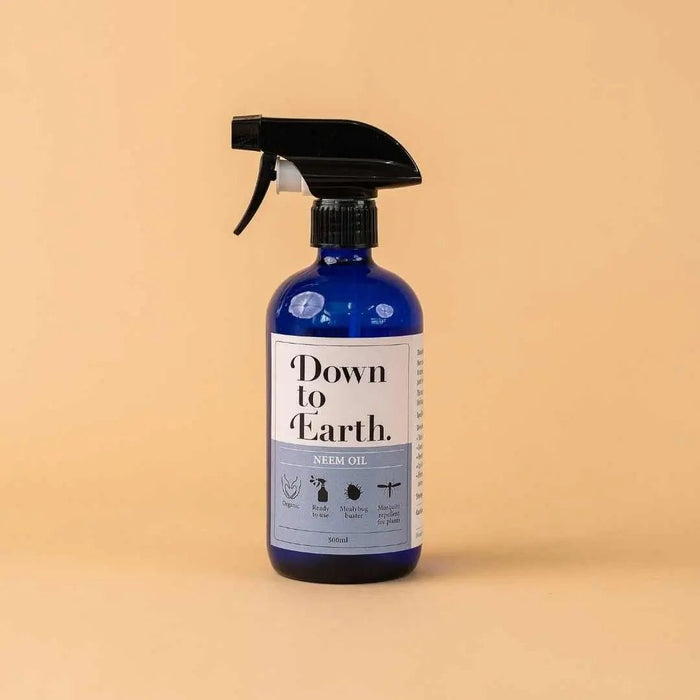
- Treat infestations with neem oil spray, insecticidal soap, or rubbing alcohol
- Increase humidity — spider mites thrive in dry conditions
Guttation
What it looks like: Water droplets forming on leaf tips and edges, usually overnight.
What it is: Excess water pressure pushing droplets through leaf pores (hydathodes). Normal and harmless. It indicates the plant is well-hydrated. Wipe away the droplets to prevent mineral stains on leaves.
Styling
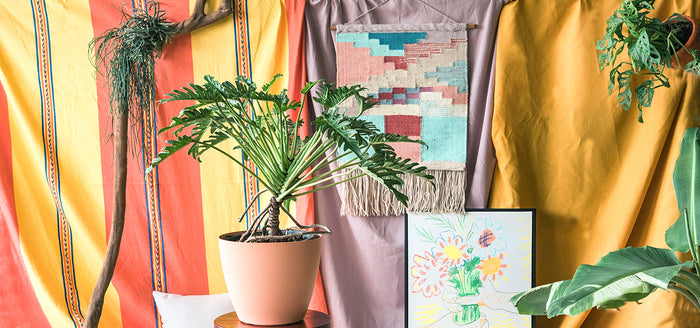
Alocasia's dramatic form makes it a natural focal point:
- Solo statement — One medium-to-large Alocasia on a plant stand or pedestal, elevated to show off the stems and leaf architecture
- Corner drama — A large Alocasia macrorrhiza in a floor pot, creating vertical interest in an empty corner
- Desktop jewel — Compact varieties (Black Velvet, Dragon Scale) as desk or shelf features
- Grouped tropicals — Alocasia with Monstera, Philodendron, and Calathea for a tropical indoor garden feel
Pot choice: Simple, modern pots that do not compete with the dramatic foliage. Matte black, white, or concrete work well.
Is Alocasia Toxic?
Yes. All parts contain calcium oxalate crystals, which cause irritation and swelling of the mouth and throat if ingested. Keep away from pets and children. Not life-threatening but unpleasant.
Shop Alocasia
Browse our indoor plant collection for Alocasia and other tropical statement plants delivered across Singapore.
Alocasia is not the easiest houseplant. It is not the most forgiving. But it is among the most rewarding. When you get the conditions right — bright indirect light, consistent moisture, good humidity, warm temperatures — an Alocasia rewards you with leaves that make every other plant in the room look ordinary. Each new unfurling leaf is an event. Each perfect, sculptural form is a statement. In Singapore, where many of its native conditions are met by default, Alocasia finds a natural home. Give it what it wants, and it gives you something extraordinary in return.
Quick summary
Key Takeaways
- Popular Varieties in Singapore
- Light
- Watering
- Soil
- Humidity
- Temperature
Ready to bring some green into your home?
Browse 250+ hand-picked plants, curated for Singapore homes — delivered to your door.
Browse All Plants →