
















Alocasia Polly Care Guide for Singapore
Posted on April 09 2026
In this article
Alocasia amazonica 'Polly' — commonly called the African Mask Plant — is one of the most dramatic houseplants you can grow. Its deep green, arrow-shaped leaves with bold silvery-white veins look almost too perfect to be real, as if someone painted each leaf by hand. At 30 to 50 centimetres tall, it is compact enough for a desk or shelf while carrying the visual weight of a much larger plant.

Despite its exotic appearance, Alocasia Polly is a hybrid (likely a cross between Alocasia longiloba and Alocasia sanderiana) that was bred for indoor cultivation. It is more adaptable than many wild Alocasia species — though it still has preferences that Singapore plant owners should understand.
Why Alocasia Polly Works in Singapore
Singapore's warm, humid climate is a genuine advantage for Alocasia Polly:
- Temperature: Polly prefers 18-30°C. Singapore rarely drops below 24°C, even at night. No risk of cold damage that plagues growers in temperate climates.
- Humidity: Polly wants 60%+ humidity. Singapore's baseline outdoor humidity exceeds this easily. Even indoors with AC, humidity rarely drops below 50%.
- No true dormancy needed. In cooler climates, Alocasia Polly often goes dormant in winter, dropping all leaves and retreating to its corm. In Singapore's consistent warmth, it can grow year-round if conditions are maintained.
Light
Alocasia Polly wants bright indirect light — similar to what it would receive growing under a forest canopy.
Ideal placement:
- One to two metres from an east or north-facing window
- Beside a window with sheer curtains
- In a well-lit room, positioned where the plant receives ambient brightness but no direct sun on its leaves
Direct sunlight will burn the leaves. The thin, dark leaves of Alocasia Polly scorch easily — even 30 minutes of direct afternoon sun can cause irreversible brown patches.
Too little light causes leggy, stretched growth and fewer leaves. Polly naturally carries only four to six leaves at a time; in low light, it may hold only two or three.
Watering
Alocasia Polly likes consistently moist soil — not wet, not dry. Think of a damp sponge: you can feel moisture, but water does not drip out when you squeeze.
Watering schedule in Singapore:
- Check soil every three to four days
- Water when the top two centimetres feel dry
- Typically every five to seven days, depending on pot size and AC usage
Watering tips:
- Use room-temperature water
- Water around the base of the plant, avoiding the crown where water can pool and cause rot
- Ensure thorough drainage — Polly's corm is susceptible to rot if sitting in waterlogged soil
- Reduce watering slightly if the plant drops leaves or enters a slower growth phase
Guttation: You may notice water droplets forming on Polly's leaf tips in the morning. This is guttation — the plant expelling excess water through specialised pores. It is completely normal and actually indicates the plant is well-hydrated. Wipe the drops to prevent mineral deposits on the leaves.
Humidity

Alocasia Polly appreciates humidity above 60%. In Singapore:
- Without AC: Ambient humidity is usually sufficient. No special measures needed.
- With AC running most of the day: Supplement with a pebble tray, humidifier, or grouping with other plants. Misting helps temporarily but is not a long-term solution.
Signs of low humidity:
- Crispy brown leaf edges
- Leaves curling or cupping
- Spider mite infestations (mites thrive in dry air)
Soil
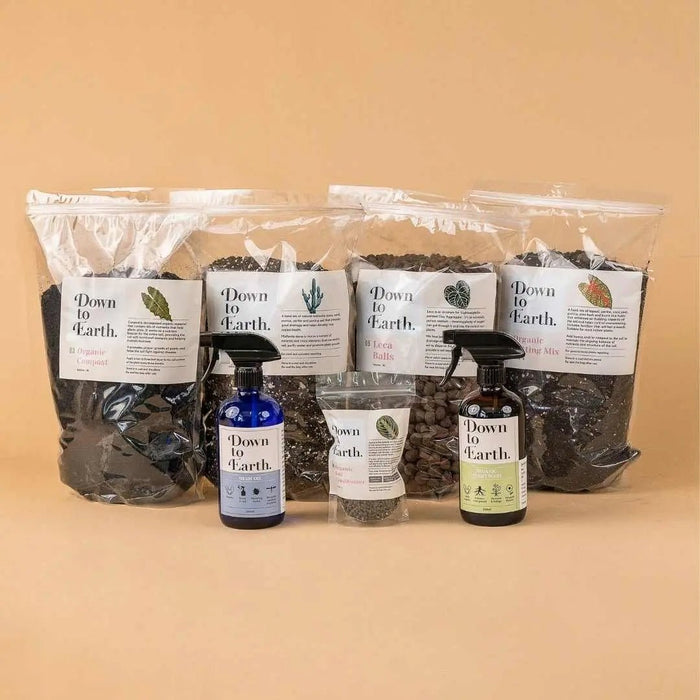
Alocasia Polly needs well-draining, airy soil that holds moisture without compacting. The corm (bulb-like structure at the base) rots easily in dense, waterlogged media.
Recommended mix:
- 40% potting soil
- 25% perlite
- 20% orchid bark
- 15% coco coir
This mix provides structure, drainage, and moderate moisture retention — the balance Alocasia Polly prefers.
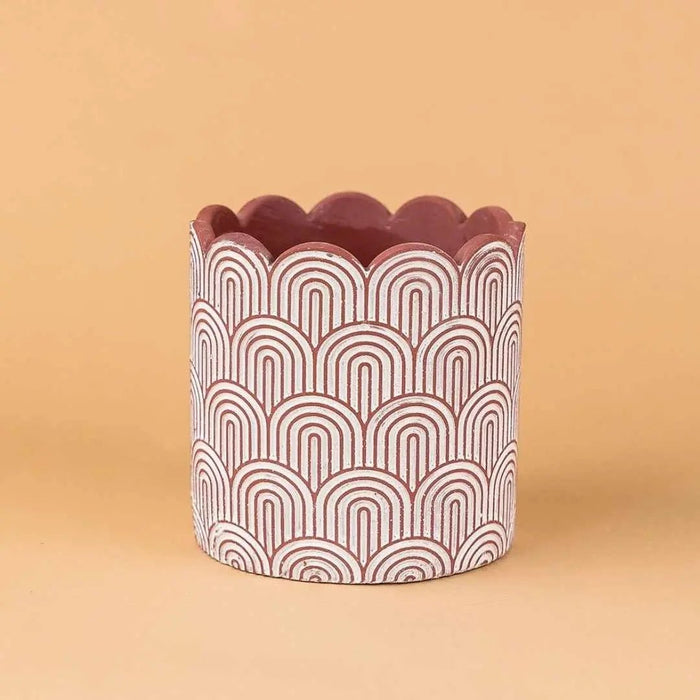
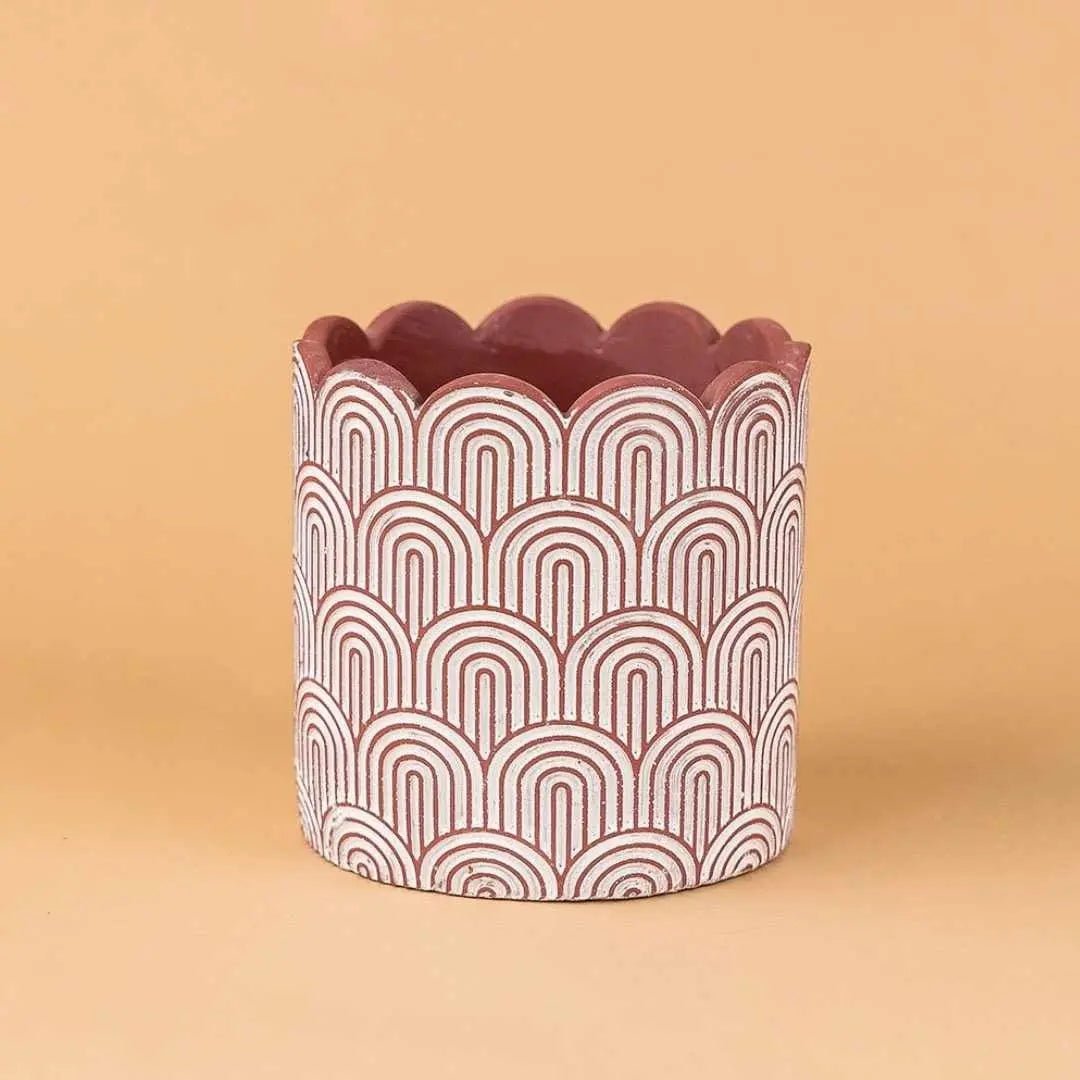
Pot selection: Terracotta is ideal because it wicks excess moisture. Plastic pots work if you are disciplined about not overwatering. Always use pots with drainage holes.
Fertilising

Feed with a balanced liquid fertiliser (NPK 10-10-10 or 20-20-20) diluted to half strength every two to three weeks during active growth.
- Reduce to monthly during any slower growth periods
- Never fertilise a stressed or newly repotted plant
- Flush the soil with plain water monthly to prevent salt buildup
- If leaf tips brown after fertilising, you are likely over-concentrating — dilute further
The Leaf Cycle
One of the most important things to understand about Alocasia Polly is its natural leaf cycle. This plant typically maintains four to six leaves at any given time. When a new leaf emerges, an older leaf often yellows and dies.
This is normal. Many new owners panic when an older leaf yellows, thinking the plant is dying. As long as new growth continues and the plant maintains at least three to four healthy leaves, the cycle is healthy.
When to worry:
- Multiple leaves yellowing simultaneously without new growth replacing them
- No new leaves for several weeks despite good conditions
- All leaves dropping (possible dormancy — see below)
Dormancy in Singapore

In temperate climates, Alocasia Polly commonly enters dormancy during cold months — dropping all leaves and surviving as an underground corm until warmth returns. In Singapore, full dormancy is uncommon due to consistent temperatures, but it can happen if:
- The plant experiences prolonged stress (overwatering, underwatering, pest damage)
- It is kept in AC below 20°C for extended periods
- It becomes severely root-bound with depleted soil
If your Polly goes dormant:
- Do not discard the pot. The corm is likely still alive underground.
- Move to a warm spot (25-30°C) with indirect light
- Reduce watering dramatically — just enough to keep the soil barely moist, not wet
- Wait. New growth can take weeks to months to emerge
- Resume normal care once a new shoot appears
Propagation
Alocasia Polly propagates through division — separating offsets (baby plants) or corm division.
Offset Division
Mature plants produce small offsets around the base. During repotting:
- Gently remove the entire plant from its pot
- Locate offsets with their own root system
- Carefully separate them from the mother plant
- Pot each offset in its own small container with the recommended soil mix
- Keep warm and humid until established (cover loosely with a clear plastic bag to create a mini greenhouse if needed)
Corm Division
The underground corm can be divided if it has multiple growing points:
- Remove from the pot and clean away soil
- Identify distinct sections with at least one growing point each
- Cut with a clean, sharp knife
- Allow cut surfaces to callus for a few hours
- Plant in moist soil mix and keep warm
Corm propagation has a lower success rate than offset division, but it is useful when you want to multiply a plant that has not produced offsets.
Common Problems
Brown Leaf Tips and Edges
The most common cosmetic issue. Causes:
- Low humidity (most likely in AC environments)
- Water quality — try filtered or rainwater
- Fertiliser burn — flush soil and reduce concentration
- Drafts from AC vents
Yellow Leaves
- One at a time with new growth: Normal leaf cycle. Remove the yellowing leaf cleanly.
- Multiple at once: Overwatering, root rot, or severe underwatering. Remove the plant, check roots, and adjust care.
Drooping Leaves
- Underwatering: Soil is dry. Water thoroughly and leaves should recover within hours.
- Overwatering: Soil is wet and soggy. Let it dry slightly and check for root rot.
- Root rot: Roots are mushy and brown. Trim affected roots, repot in fresh mix, and reduce watering.
Pests
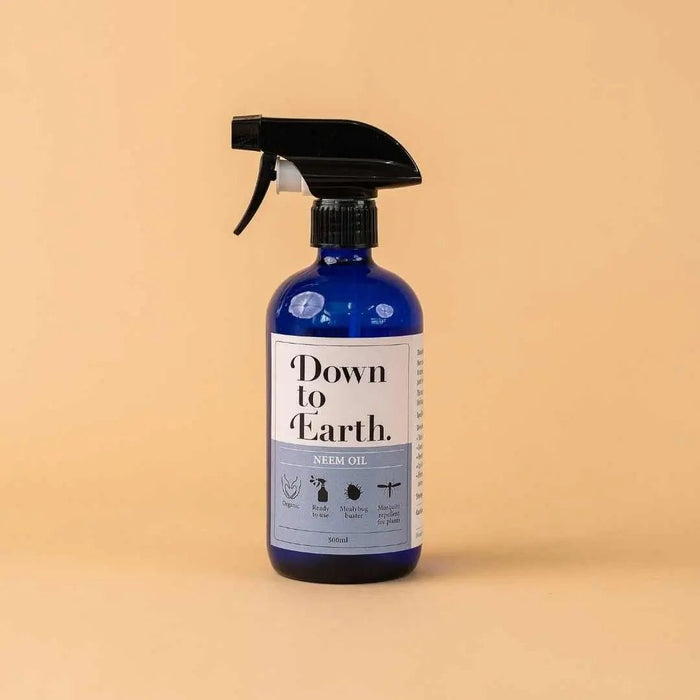
Spider mites are the primary pest threat, especially in air-conditioned rooms. Check leaf undersides regularly for fine webbing and stippling. Treat early with insecticidal soap or neem oil.
Mealybugs occasionally appear in leaf axils. Treat with isopropyl alcohol on a cotton bud.
Leaf Spots
Dark, water-soaked spots on leaves may indicate bacterial or fungal infection. Remove affected leaves, improve air circulation, and avoid getting water on the foliage during watering.
Styling Alocasia Polly
The dramatic, dark foliage pairs beautifully with:
- White or light-coloured pots that contrast with the deep green leaves
- Terrazzo or concrete planters for a modern, gallery-like aesthetic
- Woven baskets for a warmer, tropical feel
- Grouped with other Alocasia species (Alocasia Zebrina, Alocasia Black Velvet, Alocasia Dragon Scale) for a stunning collection display
The compact size makes Alocasia Polly ideal for:
- Desktop or side table focal points
- Bookshelf statement pieces
- Bathroom shelves (if light permits)
- Entryway displays where first impressions matter
Shop Alocasia
Explore our Alocasia collection for Polly and other captivating varieties. Each plant ships healthy and acclimated, ready to become the centrepiece of your indoor garden.
Alocasia Polly is a plant that rewards attentive care with striking beauty. It is not hands-off, but it is far from impossible — especially in Singapore's naturally supportive climate. Give it bright indirect light, consistent moisture, decent humidity, and the patience to accept its natural leaf cycle, and you will have one of the most visually arresting plants in any room.
Quick summary
Key Takeaways
- Why Alocasia Polly Works in Singapore
- Light
- Watering
- Humidity
- Soil
- Fertilising
Ready to bring some green into your home?
Browse 250+ hand-picked plants, curated for Singapore homes — delivered to your door.
Browse All Plants →