
















Calathea Care Guide for Singapore | Tumbleweed Plants Singapore
Posted on April 10 2026
In this article
Calathea is the houseplant that moves. Literally. Every evening, its leaves fold upward like hands pressed together in prayer — earning it the name "prayer plant." Every morning, they unfurl back to horizontal, revealing their intricate patterns. This daily rhythm, called nyctinasty, is controlled by a tiny joint at the base of each leaf that responds to light changes. It is one of the few houseplants that gives you something to watch.

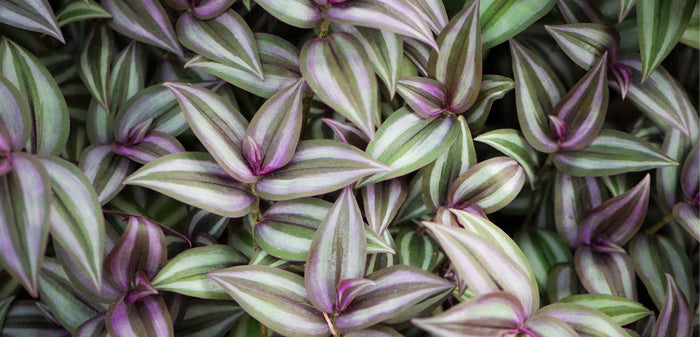
Beyond the movement, Calathea's appeal is in its leaves. No other genus offers such diversity of pattern, colour, and texture in foliage: pinstripes, medallions, waves, feathers, and geometric designs in combinations of green, purple, cream, pink, and silver. Each variety looks like it was painted by a different artist.
The trade-off: Calathea is not the easiest houseplant. It has opinions about humidity, water quality, and light — and it communicates displeasure by curling, browning, or crisping its leaves. In Singapore, our natural humidity gives us a significant advantage over temperate-climate growers, but Calathea still demands more attention than a Pothos or Snake Plant.
Popular Varieties in Singapore
Calathea orbifolia — Large, round leaves with broad silver-green stripes. Arguably the most elegant variety. Prefers higher humidity.
Calathea medallion (roseopicta) — Dark green leaves with a cream and pink medallion pattern on top, deep purple underneath. The classic "Instagram Calathea."
Calathea lancifolia (Rattlesnake Plant) — Long, narrow, wavy leaves with dark spots on a light green background. More forgiving than many Calathea.
Calathea makoyana (Peacock Plant) — Translucent leaves with dark green feathered markings. Held up to light, the pattern glows.
Calathea ornata (Pinstripe Plant) — Dark green leaves with delicate pink pinstripes. Striking and relatively manageable.
Calathea rufibarba (Furry Feather) — Unique fuzzy undersides on long, wavy leaves. One of the hardier varieties.
Calathea white fusion — Marbled white, green, and lilac leaves. Stunning but the most demanding variety — for experienced growers.
Light

Calathea evolved on the forest floor, under a canopy that filtered most direct sunlight. Replicate this indoors.
Medium indirect light — The sweet spot. Bright enough for good growth, dim enough to avoid leaf damage. A few metres from a window, or near a north-facing window.
Bright indirect light — Acceptable if filtered (sheer curtains). Too much bright light fades patterns and can cause leaf burn.
Low light — Calathea tolerates lower light than many plants, but growth slows significantly and new leaves may be smaller and less colourful.
Direct sun — No. Even brief direct sun can bleach or scorch the delicate leaves. This is non-negotiable.
Watering
Calathea likes consistently moist soil — not wet, not dry. This is where most Calathea problems originate.
Schedule in Singapore:
- Water when the top 1-2cm of soil is dry (not deeper — Calathea does not like drying out)
- Every 4-6 days in naturally ventilated rooms
- Every 6-8 days in air-conditioned rooms
Technique:
- Water thoroughly until it drains from the bottom
- Empty saucers promptly
- Never let soil dry out completely — Calathea does not recover from severe drought as easily as drought-tolerant plants
Water quality matters. Calathea is sensitive to chemicals in tap water — fluoride and chlorine can cause brown leaf tips. Options:
- Leave tap water out overnight to let chlorine dissipate
- Use filtered water
- Collect rainwater (plentiful in Singapore)
Overwatering signs: Yellow leaves, mushy stems, root rot.
Underwatering signs: Curling leaves, crispy edges, leaves staying folded during the day.
Soil

Moisture-retentive but well-draining:
- 50% potting mix
- 25% perlite
- 25% coco coir or peat
The goal: soil that stays evenly moist without becoming waterlogged. Coco coir helps retain moisture while perlite ensures excess water drains.
Humidity
Singapore's advantage. Our 70-80% ambient humidity is close to ideal for Calathea (60-80%). In naturally ventilated rooms, Calathea thrives without supplemental humidity.
AC rooms (50-60% humidity). This is where Singapore Calathea growers encounter problems. AC removes moisture from the air, and Calathea notices:
- Leaf edges turn brown and crispy
- Leaves curl inward
- New growth may be smaller
Solutions for AC rooms:
- Group Calathea with other plants (shared transpiration raises local humidity)
- Place on a pebble tray filled with water (the pot sits above the water, not in it)
- Run a small humidifier nearby
- Keep Calathea in naturally ventilated rooms or bathrooms with natural light
- Mist leaves in the morning (provides temporary relief but is not a long-term solution)
Temperature
Singapore's 26-32°C is fine. Calathea prefers 18-29°C — our warmth is within range. The risk is cold AC drafts, not ambient temperature.
Rule: Keep Calathea away from direct AC airflow. The combination of cold air and low humidity from AC vents is the fastest path to crispy Calathea leaves.
Fertilising
- Balanced liquid fertiliser at half strength every 4-6 weeks
- Calathea is sensitive to fertiliser buildup — always err on the side of less
- Flush soil with plain water every 2-3 months to clear salt accumulation
- Stop fertilising if you notice brown leaf tips worsening (fertiliser salts may be the cause)
Common Problems

Brown Leaf Tips and Edges
The most common Calathea complaint. Causes:
- Low humidity (most common in AC rooms)
- Tap water chemicals (fluoride, chlorine)
- Underwatering (soil dried out too much between waterings)
- Over-fertilising (salt buildup in soil)
Fix: Address all four potential causes systematically. Increase humidity, switch to filtered water, maintain consistent moisture, and flush soil.
Curling Leaves
Cause: Usually underwatering or low humidity. The plant curls its leaves inward to reduce moisture loss.
Fix: Water thoroughly. Increase humidity. If the plant has been dry too long, soak the pot in a tray of water for 15-20 minutes to rehydrate the root ball.
Faded or Washed-Out Patterns
Cause: Too much light. The patterns fade as the plant produces less pigment in response to excessive light.
Fix: Move to a shadier position. Patterns will return on new leaves.
Leaves Not Moving (Staying Open or Closed)
Cause: Environmental stress — usually from inconsistent light, extreme temperature, or severe underwatering.
Fix: Stabilise conditions. Consistent light-dark cycles, stable temperature, and proper watering should restore the prayer movement.
Yellow Leaves
Lower leaves: Natural ageing — Calathea drops its oldest leaves periodically.
Multiple leaves: Overwatering or root rot. Check roots and adjust watering.
Spider Mites
Calathea is susceptible to spider mites, especially in dry AC rooms:
- Check leaf undersides regularly for fine webbing
- Wash leaves with water every 1-2 weeks as prevention
- Treat infestations with neem oil or insecticidal soap
- Increase humidity — spider mites thrive in dry conditions
Styling
Calathea's patterned foliage makes it a natural feature plant:
- Coffee table centrepiece — A medium Calathea medallion in a clean ceramic pot
- Shelf feature — Compact varieties at eye level where the leaf patterns are visible
- Bedroom plant — The daily leaf movement adds life to a bedroom; the low-light tolerance suits bedside positions
- Bathroom plant — If your bathroom has natural light, the high humidity is ideal for Calathea
- Grouped collection — Multiple Calathea varieties together, showcasing the diversity of patterns
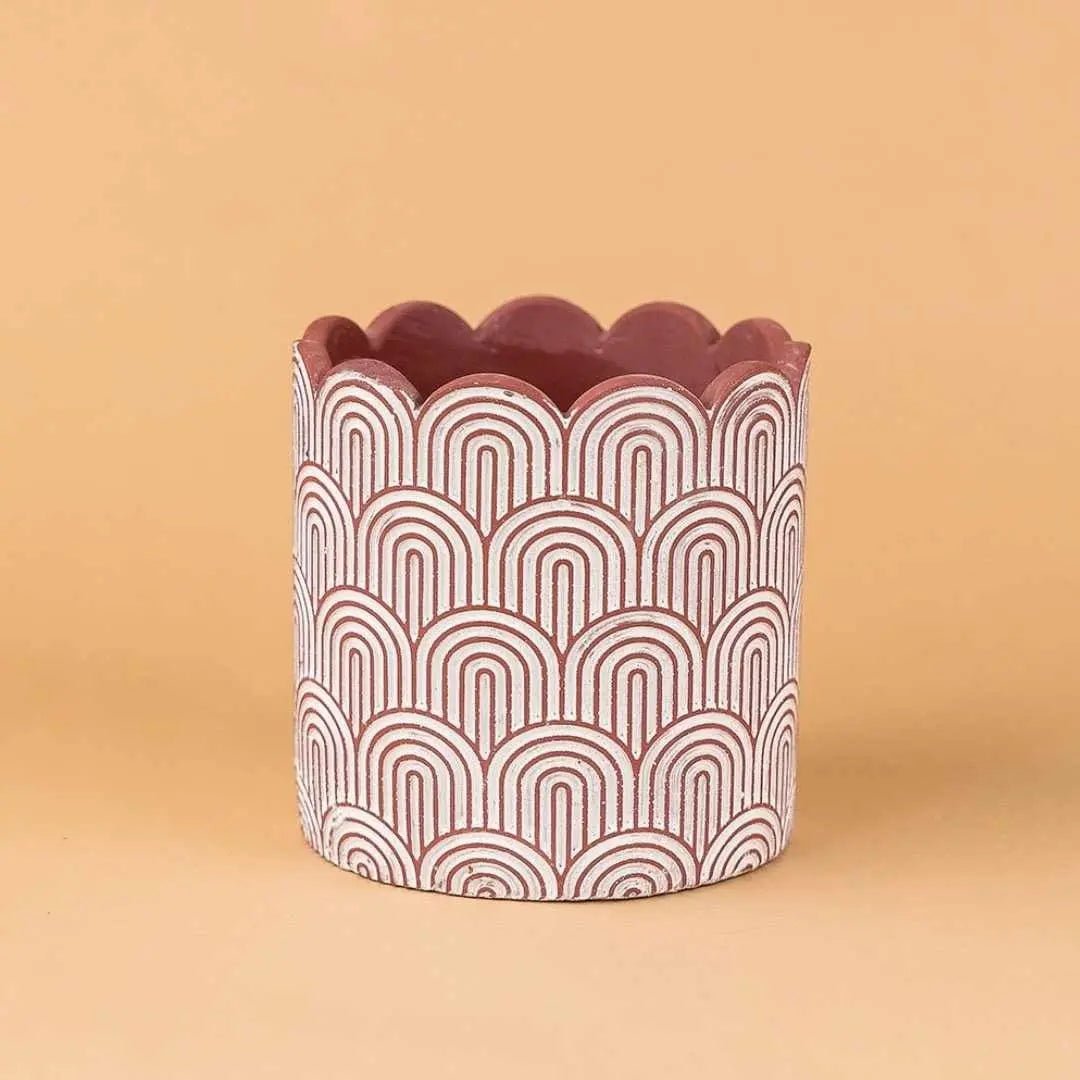
Pot choice: Simple pots that do not compete with the foliage. White, cream, or soft terracotta let the leaf patterns be the star.
Is Calathea Toxic?
No. Calathea is non-toxic to cats, dogs, and children. One of the safest ornamental houseplants for homes with pets.
Shop Calathea
Browse our Calathea collection and indoor plant collection for prayer plants delivered across Singapore.
Calathea asks more from you than most houseplants. It wants consistent moisture, decent humidity, filtered light, and clean water. It complains visibly when it does not get what it needs. But it also gives more — leaves that move through the day, patterns that no other plant can match, and the quiet satisfaction of meeting a challenge. In Singapore, where our humidity does half the work for us, Calathea is less demanding than its reputation suggests. Give it a spot away from the AC vent, water it before it dries out, and watch it pray every evening. That daily ritual — the leaves rising, folding, settling — is the most beautiful thing any houseplant does.
Quick summary
Key Takeaways
- Popular Varieties in Singapore
- Light
- Watering
- Soil
- Humidity
- Temperature
Ready to bring some green into your home?
Browse 250+ hand-picked plants, curated for Singapore homes — delivered to your door.
Browse All Plants →