

















Calathea Care Singapore: The Complete Guide to Keeping Your Calathea Happy
Posted on April 08 2026
In this article
- What Makes Calathea a Great Houseplant in Singapore?
- Best Calathea Varieties for Beginners in Singapore
- How Much Light Does a Calathea Need in Singapore?
- Humidity Requirements for Calathea in Singapore
- How to Water Calathea in Singapore
- Common Calathea Problems and How to Fix Them
- How to Fertilise Calathea in Singapore
- Best Pots for Calathea
- Where to Buy Calathea in Singapore
- Final Tips for Growing Calathea in Singapore
If you've ever fallen for the stunning patterned leaves of a calathea, you're not alone. These tropical beauties are some of the most sought-after houseplants in Singapore — and for good reason. The good news? Singapore's warm, humid climate actually gives you a natural advantage when growing calatheas. The not-so-good news? They can still be a little dramatic if their needs aren't met.

This guide covers everything you need to know about calathea care in Singapore, from light and humidity to troubleshooting those dreaded crispy leaf edges.
What Makes Calathea a Great Houseplant in Singapore?
Calatheas (now officially reclassified under Goeppertia, though most of us still call them calatheas) are native to the tropical rainforests of South America. That means they're naturally adapted to warm temperatures, high humidity, and dappled light beneath a forest canopy — conditions that closely mirror what we experience in Singapore.
Unlike some tropical plants that struggle indoors, calatheas are well-suited to HDB flats and condos because they don't need direct sunlight. In fact, they actively dislike it. If your home sits in the 24–32°C range year-round and you don't blast the aircon 24/7, you're already halfway to calathea success.
Best Calathea Varieties for Beginners in Singapore
Not all calatheas are created equal when it comes to ease of care. If you're just starting out, these three varieties are forgiving and widely available in Singapore:
- Calathea Medallion — Large, round leaves with a gorgeous green-and-cream pattern on top and a deep purple underside. One of the hardiest varieties and an excellent first calathea.
- Calathea Orbifolia — Known for its oversized, silvery-green striped leaves. It prefers slightly more humidity than the medallion but is otherwise quite manageable.
- Calathea Rattlesnake (Lancifolia) — Long, wavy leaves with a distinctive spotted pattern. This one is remarkably tolerant of occasional neglect and lower humidity levels.
Other popular varieties you'll find locally include the Calathea White Fusion (beautiful but fussier), Calathea Makoyana (Peacock Plant), and Calathea Roseopicta. You can browse a range of calatheas and other tropical houseplants at tumbleweedplants.com.
How Much Light Does a Calathea Need in Singapore?
Bright, indirect light is the sweet spot for calatheas. In practical Singapore terms, that means:
- Ideal placement: Near a north-facing window, or set back 1–2 metres from an east- or west-facing window.
- Avoid: Direct afternoon sun, especially through west-facing windows. Singapore's afternoon sun is intense and will scorch calathea leaves within days.
- Low light is okay — to a point. Calatheas can tolerate lower light conditions, but growth will slow and leaf patterns may become less vibrant. If your space is genuinely dim (no natural light at all), consider supplementing with a grow light.
A helpful test: if you can comfortably read a book by natural light where you plan to place your calathea, the light level is likely fine.
Humidity Requirements for Calathea in Singapore

This is where Singapore gives you an edge. Our average outdoor humidity sits around 80–90%, which calatheas love. However, indoor humidity can drop significantly if you use air conditioning frequently.
How to Maintain Humidity for Calatheas
- Group your plants together. Plants naturally release moisture through transpiration, raising the humidity in their immediate surroundings.
- Use a pebble tray. Place your pot on a tray filled with pebbles and water. As the water evaporates, it creates a humid microclimate around the plant. Just make sure the pot isn't sitting directly in water.
- Mist occasionally. Light misting in the morning can help, though it's not a substitute for consistent ambient humidity. Avoid misting in the evening, as water sitting on leaves overnight can encourage fungal issues.
- Invest in a small humidifier. If you run aircon through the night, a humidifier near your plant cluster makes a noticeable difference. Basic models start from around SGD 20–40 on Shopee or Lazada.
Target humidity: 50% and above. Most Singapore homes without constant aircon already sit comfortably in this range.
How to Water Calathea in Singapore
Watering is where most calathea owners go wrong. These plants like consistently moist soil but absolutely cannot tolerate waterlogged roots.
Watering Guidelines
- Check the top 2–3 cm of soil. When it feels dry to the touch, it's time to water. In Singapore's climate, this is typically every 4–7 days, but always check rather than watering on a fixed schedule.
- Water thoroughly until it drains from the bottom of the pot, then empty the saucer. Never let your calathea sit in standing water.
- Use filtered or aged water. Calatheas are sensitive to chlorine, fluoride, and mineral buildup. If you notice brown leaf tips, switching to filtered water often solves the problem. Alternatively, leave tap water out overnight to allow chlorine to dissipate.
- Reduce watering slightly during cooler months (November to January), when evaporation slows down.
What Soil Mix Works Best?
Calatheas need a well-draining mix that still retains some moisture. A good recipe:
- 60% peat-based potting mix
- 20% perlite
- 20% orchid bark or coco chips
This combination prevents compaction while keeping roots evenly moist. You can find these components at most local nurseries or garden centres.
Common Calathea Problems and How to Fix Them

Why Are My Calathea Leaves Getting Crispy Edges?
This is the number one complaint from calathea owners in Singapore. Crispy, brown leaf edges are almost always caused by one (or a combination) of these factors:
- Low humidity — especially from air conditioning. Increase humidity using the methods above.
- Tap water sensitivity — Switch to filtered or rainwater.
- Underwatering — The soil may be drying out too much between waterings.
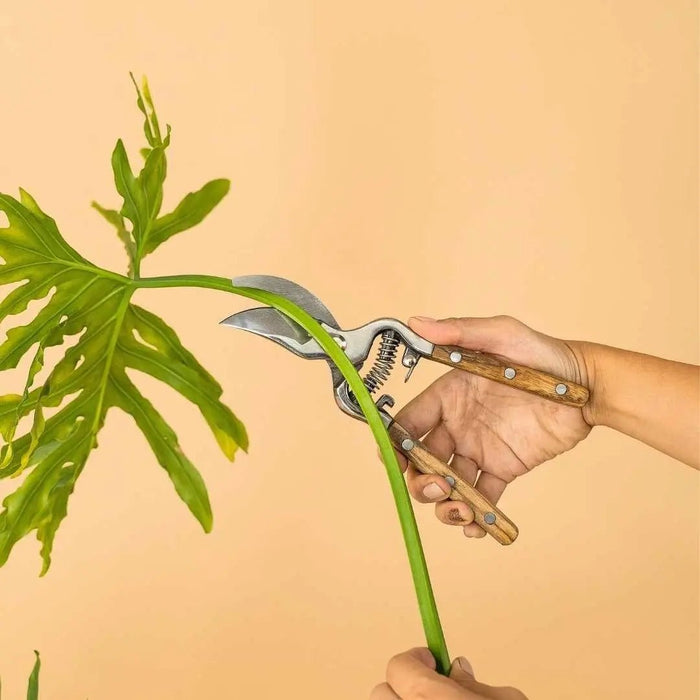
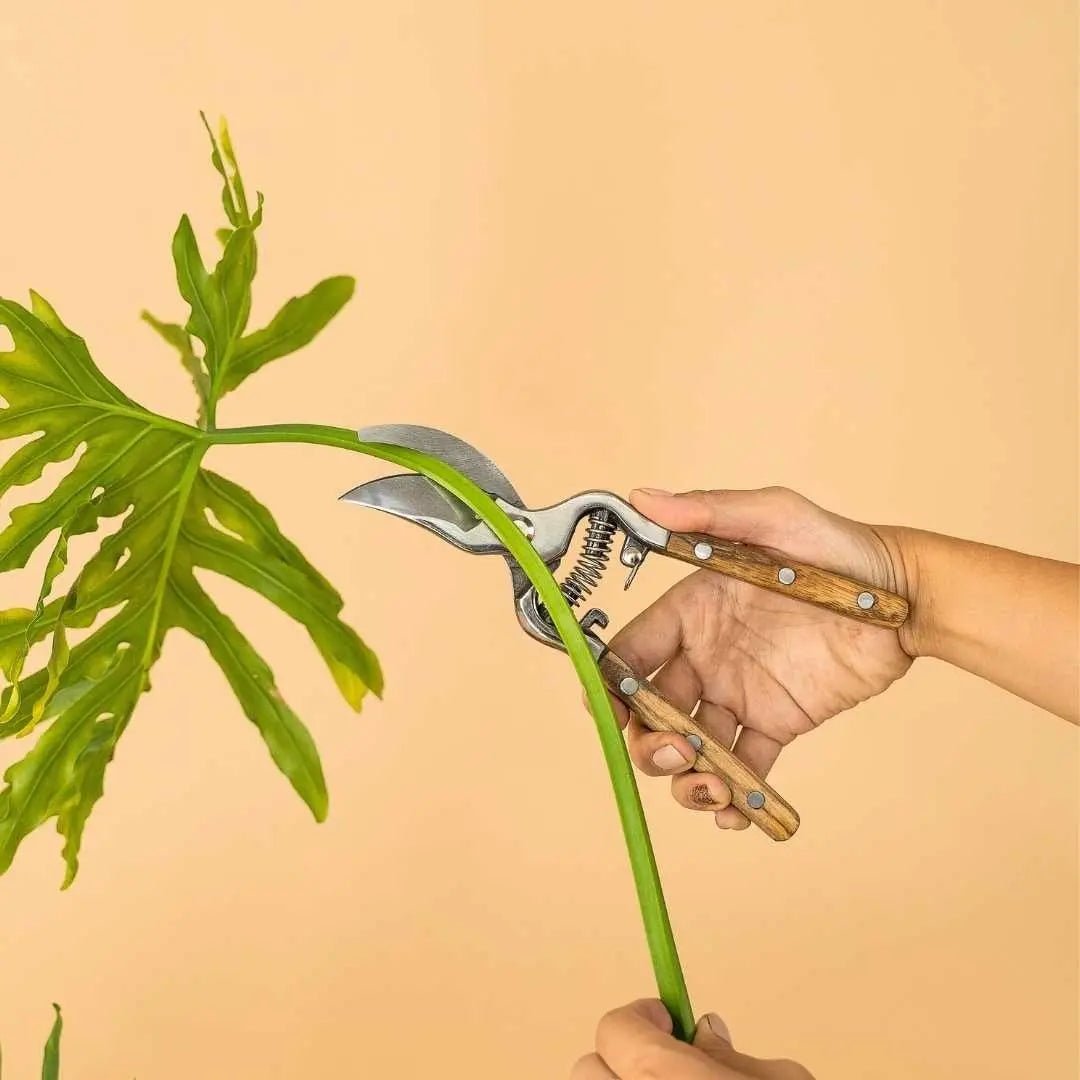
Trim the brown edges with clean scissors for a tidier look. The affected portion won't recover, but new growth should come in healthy once you address the cause.
Why Are My Calathea Leaves Curling?
Curling leaves are your calathea's distress signal, usually indicating:
- Underwatering or dehydration. Check the soil — if it's bone dry, give it a thorough watering and the leaves should unfurl within hours.
- Too much direct light. The plant curls its leaves to reduce sun exposure. Move it to a shadier spot.
- Temperature stress. Avoid placing calatheas near aircon vents or draughty corridors.
Why Are My Calathea Leaves Turning Yellow?
Yellow leaves can indicate:
- Overwatering — the most common cause. Check whether the soil is soggy and ensure your pot has drainage holes.
- Natural ageing — older, lower leaves occasionally yellow and drop off. If it's just one or two leaves, it's perfectly normal.
- Nutrient deficiency — Feed with a balanced liquid fertiliser (diluted to half strength) once a month during the growing season (March to October).
Pests to Watch Out For
In Singapore's warm climate, calatheas can attract:
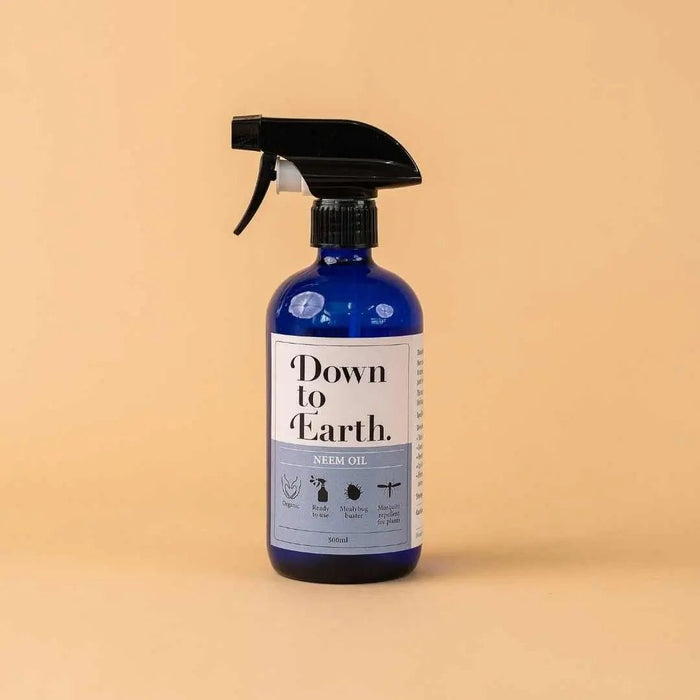
- Spider mites — Look for fine webbing on leaf undersides. Wipe leaves with a damp cloth and treat with neem oil.
- Mealybugs — White, cottony clusters in leaf joints. Remove with a cotton bud dipped in rubbing alcohol.
- Fungus gnats — Small flies around the soil surface, usually a sign of overwatering. Let the topsoil dry out more between waterings and use yellow sticky traps.
Regularly inspecting your plant (a quick check when you water) goes a long way in catching pest problems early.
How to Fertilise Calathea in Singapore
Calatheas are not heavy feeders. During the growing season (roughly March to October in Singapore), apply a balanced liquid fertiliser diluted to half the recommended strength, once a month. Avoid fertilising during the cooler monsoon months when growth naturally slows.
Over-fertilising can cause salt buildup in the soil, leading to — you guessed it — brown leaf edges. If you suspect buildup, flush the soil with plain water a few times and hold off on feeding for a month.
Best Pots for Calathea

Choose a pot with drainage holes — this is non-negotiable. Calatheas do well in:
- Plastic nursery pots (placed inside a decorative cover pot) — these retain moisture slightly longer than terracotta.
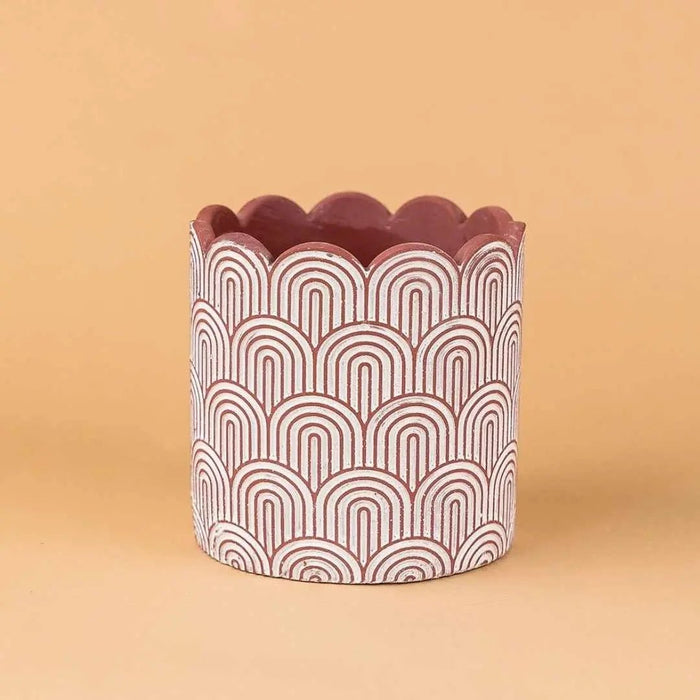
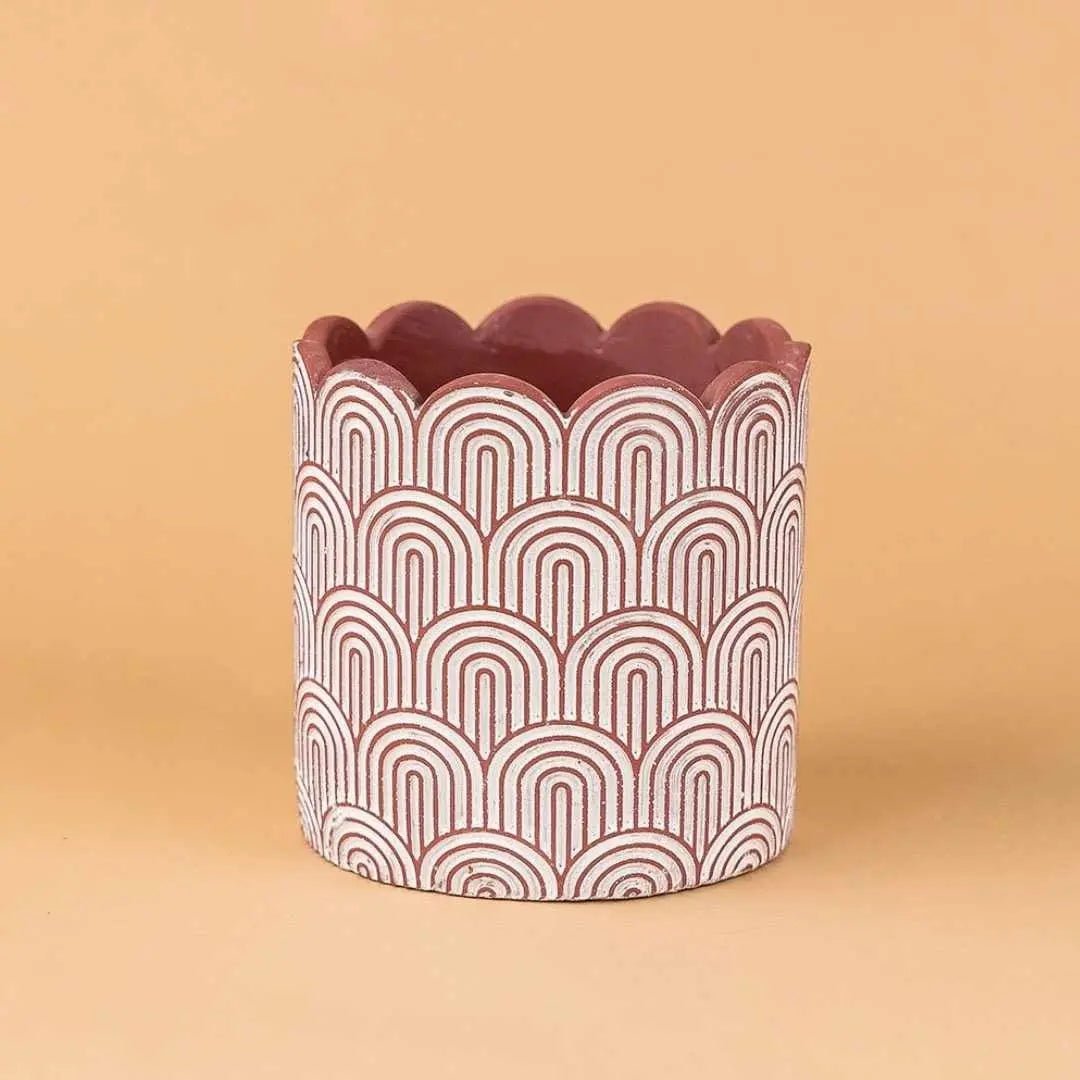
- Ceramic pots with drainage — stylish and functional, but watch that you're not overwatering as ceramic dries out slower.
Avoid terracotta for calatheas unless you're prepared to water more frequently, as it wicks moisture away from the soil.
When it's time to repot (typically every 1–2 years, or when you see roots circling the bottom of the pot), go up only one pot size — roughly 2–5 cm wider in diameter. Calatheas prefer being slightly snug.
Where to Buy Calathea in Singapore
Calatheas are widely available across Singapore. You can find them at:
- Local nurseries in Thomson, Boon Lay, and the Punggol stretch
- Online plant shops like tumbleweedplants.com, which delivers island-wide
- Weekend plant markets and pop-ups (check Instagram for the latest)
Expect to pay anywhere from SGD 12–25 for common varieties in a standard nursery pot, up to SGD 50–80 for larger or rarer specimens.
Final Tips for Growing Calathea in Singapore
- Don't panic over a few imperfect leaves. Even experienced plant parents deal with the occasional crispy edge or yellow leaf. It's part of the calathea experience.
- Rotate your plant a quarter turn every week or two so it grows evenly.
- Clean the leaves monthly with a damp cloth to remove dust and improve the plant's ability to photosynthesise.
- Be patient. Calatheas grow at a moderate pace. Give yours consistent care and it will reward you with stunning foliage for years to come.
With Singapore's natural warmth and humidity on your side, calatheas are a genuinely rewarding plant to grow indoors. Get the basics right — indirect light, consistent moisture, decent humidity — and you'll wonder why you ever thought they were difficult.
Quick summary
Key Takeaways
- What Makes Calathea a Great Houseplant in Singapore?
- Best Calathea Varieties for Beginners in Singapore
- How Much Light Does a Calathea Need in Singapore?
- Humidity Requirements for Calathea in Singapore
- How to Water Calathea in Singapore
- Common Calathea Problems and How to Fix Them
Ready to bring some green into your home?
Browse 250+ hand-picked plants, curated for Singapore homes — delivered to your door.
Browse All Plants →