


















Calathea Orbifolia Care Guide for Singapore
Posted on April 09 2026
In this article
Calathea orbifolia is the showstopper of the prayer plant family. Its enormous, round leaves — easily 20 to 30 centimetres across on a mature plant — display bold silver and green stripes that catch light in a way few other houseplants can match. It is the kind of plant that stops visitors mid-conversation. "What is that?" they ask, already reaching out to touch a leaf.

But Calathea orbifolia has a reputation. It is often described as "difficult" or "fussy" — a diva that punishes neglect with crispy edges and curling leaves. In Singapore, though, the reality is more nuanced. Our naturally warm, humid climate actually gives us a significant advantage with this species. The key is understanding what it needs and providing consistency.
Why Calathea Orbifolia Suits Singapore
Calathea orbifolia is native to the tropical forests of Bolivia, where it grows as an understory plant in warm, humid, shaded conditions. Singapore's climate — 25-32°C year-round, 70-90% outdoor humidity — is remarkably similar to its native habitat.
The challenges arise indoors, where air conditioning dries the air and direct sunlight through windows exceeds what an understory plant expects. Manage those two factors, and Calathea orbifolia becomes far more cooperative than its reputation suggests.
Light Requirements

As an understory plant, Calathea orbifolia evolved to thrive in dappled, filtered light. It does not want — or need — bright direct sun.
Ideal placement:
- One to two metres from an east-facing or north-facing window
- Near a window with sheer curtains filtering the light
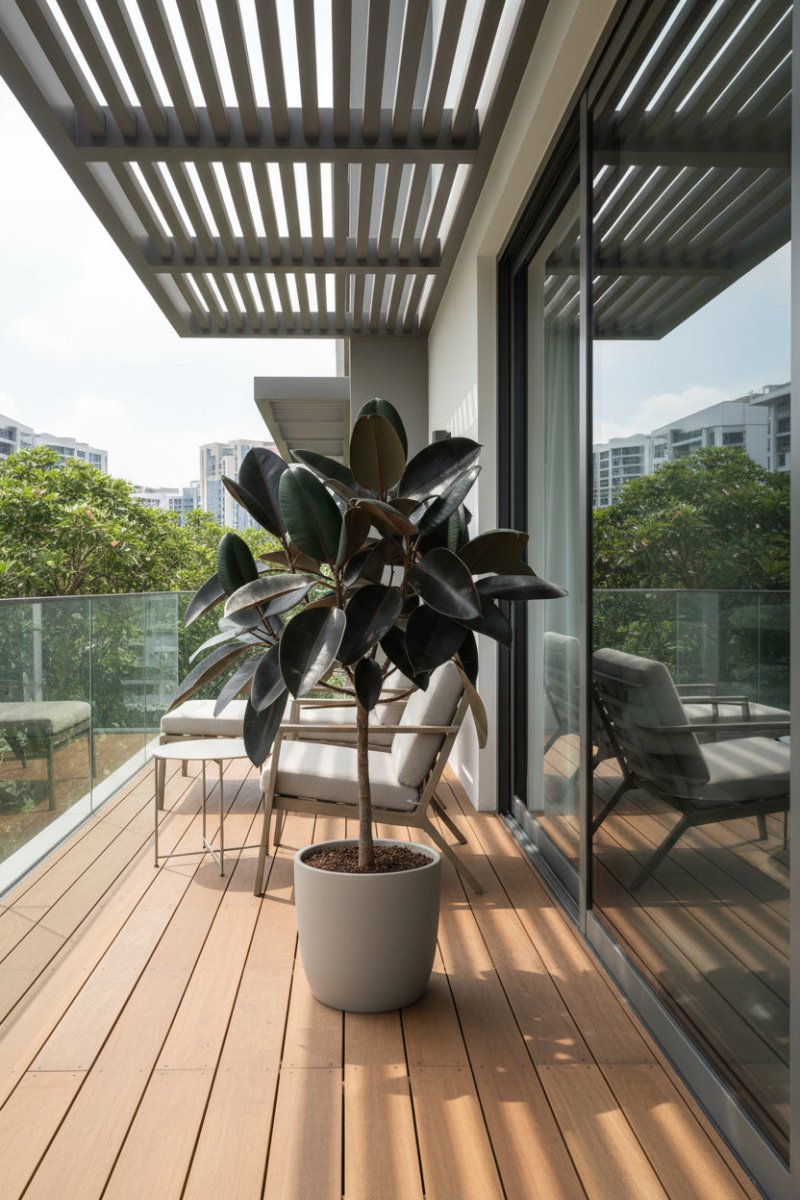
- Under a covered balcony where it receives bright ambient light but no direct rays
- In a well-lit room, away from the window itself
Signs of too much light:
- Leaf colours fading or washing out
- Brown, crispy patches (sunburn) on leaves facing the window
- Leaves curling inward to reduce sun exposure
Signs of too little light:
- New leaves emerging smaller than older ones
- Slow or stalled growth
- The plant leaning heavily toward the nearest light source
- Leggy, stretched stems
The sweet spot is bright enough to read a book comfortably without a lamp, but without any direct sunbeams touching the leaves.
Watering — The Most Critical Factor
Watering is where most Calathea orbifolia owners go wrong. This plant is particular about both the frequency and the quality of its water.
Frequency
Keep the soil consistently lightly moist — not soggy, not dry. Think of a wrung-out sponge: damp to the touch, but no water dripping when squeezed.
- Check the soil every two to three days
- Water when the top one to two centimetres feel slightly dry
- In Singapore's climate, this typically means watering every four to six days
- Air-conditioned rooms may require more frequent watering as the AC dries the soil faster
Never let the soil dry out completely. Unlike drought-tolerant plants, Calathea orbifolia does not bounce back well from severe dehydration. Crispy leaf edges from drought stress are permanent — the damaged tissue does not repair itself.
Never let the soil stay waterlogged. Constantly soggy soil suffocates roots and invites root rot. Always use pots with drainage holes and allow excess water to drain.
Water Quality
Here is where Calathea orbifolia earns its "fussy" label. It is sensitive to chemicals commonly found in tap water:
- Chlorine and chloramine in treated municipal water can cause brown leaf tips
- Fluoride is particularly damaging, causing leaf edge browning
- Mineral buildup from hard water accumulates in the soil over time
Best water options for Singapore:
- Filtered water — A basic carbon filter removes most chlorine and improves water quality
- Rainwater — Free and naturally soft. Collect from covered areas to avoid debris
- Distilled water — Reliable but expensive for regular watering
- Tap water left out overnight — Chlorine dissipates when left in an open container for 24 hours, though this does not remove chloramine or fluoride
If you use tap water and notice progressive browning of leaf tips, switch to filtered or rainwater and see if the browning slows.
Humidity
This is where Singapore gives us a natural advantage — and where air conditioning takes it away.
Ideal humidity: 60-80%. Singapore's outdoor humidity easily exceeds this. The challenge is indoors.
Air-conditioned rooms can drop to 40-50% humidity, which is below Calathea orbifolia's comfort zone. Signs of low humidity:
- Crispy, brown leaf edges
- Leaves curling inward
- New leaves emerging crinkled or stunted
How to boost humidity:
- Group plants together. Collective transpiration raises local humidity. Place your Calathea beside other humidity-loving plants.
- Pebble tray. Fill a wide tray with pebbles and water. Place the pot on top (the pot should sit on the pebbles, not in the water). As the water evaporates, it raises humidity around the plant.
- Small humidifier. A desktop humidifier near your plant collection is the most reliable solution in heavily air-conditioned spaces.
- Bathroom placement. If your bathroom has adequate light (a window or skylight), the humidity from showers makes it an excellent spot.
- Misting. A daily mist provides temporary relief but does not sustain humidity long-term. Mist in the morning so leaves dry before evening.
Soil
Calathea orbifolia needs soil that holds moisture without becoming waterlogged — a delicate balance that standard potting soil alone does not achieve well.
Recommended mix:
- 40% quality potting soil
- 25% perlite (for drainage and aeration)
- 20% coco coir or peat moss (for moisture retention)
- 15% orchid bark (for structure and air pockets)
This mix stays lightly moist between waterings while allowing excess water to drain freely.
Avoid: Pure potting soil (too dense, stays too wet), pure coco coir (dries unevenly), and any mix with large amounts of sand (dries too quickly).
Temperature

Calathea orbifolia prefers temperatures between 18°C and 28°C — perfectly within Singapore's indoor range. However:
- Avoid cold drafts. Do not place directly in the path of air conditioning vents. The sudden temperature drop and dry air are a double blow.
- Avoid heat sources. Keep away from kitchen appliances, radiators (rare in Singapore but present in some commercial spaces), and windows that trap heat.
- Consistency matters. Rapid temperature fluctuations stress the plant more than a steady temperature at either end of its range.
Fertilising
Calathea orbifolia is not a heavy feeder. Over-fertilising causes more problems than under-fertilising.
Schedule:
- Feed every three to four weeks during active growth with a balanced liquid fertiliser (NPK 10-10-10) diluted to one-quarter to one-half strength
- Reduce to every six to eight weeks during slower growth periods
- Skip fertilising for two months after repotting
Signs of over-fertilising:
- Brown leaf tips and edges (can look identical to water quality issues)
- White salt crust on the soil surface
- Yellowing leaves despite proper watering
Tip: Flush the soil with plain water every two to three months by watering thoroughly until water pours from the drainage holes. This washes out accumulated mineral salts.
Repotting

Calathea orbifolia grows at a moderate pace and does not need frequent repotting:
- Repot every one to two years, or when roots emerge from drainage holes
- Choose a pot only one to two sizes larger than the current one
- Use the soil mix described above
- Repot during a growth flush for fastest recovery
- Water lightly after repotting and avoid fertilising for two months
The Prayer Plant Movement
Like all Calatheas, orbifolia exhibits nyctinasty — the daily movement of leaves in response to light. Leaves rise upward in the evening (the "praying" position) and lower in the morning. This movement is driven by changes in water pressure in a small joint (pulvinus) at the base of each leaf stem.
Observing this daily rhythm is one of the joys of owning a Calathea. If your plant stops moving, it may indicate stress — check watering, light, and humidity.
Common Problems
Brown Leaf Edges
The most common complaint. Causes (in order of likelihood):
- Low humidity — boost with a humidifier or pebble tray
- Water quality — switch to filtered or rain water
- Underwatering — check soil moisture more frequently
- Over-fertilising — flush soil and reduce fertiliser concentration
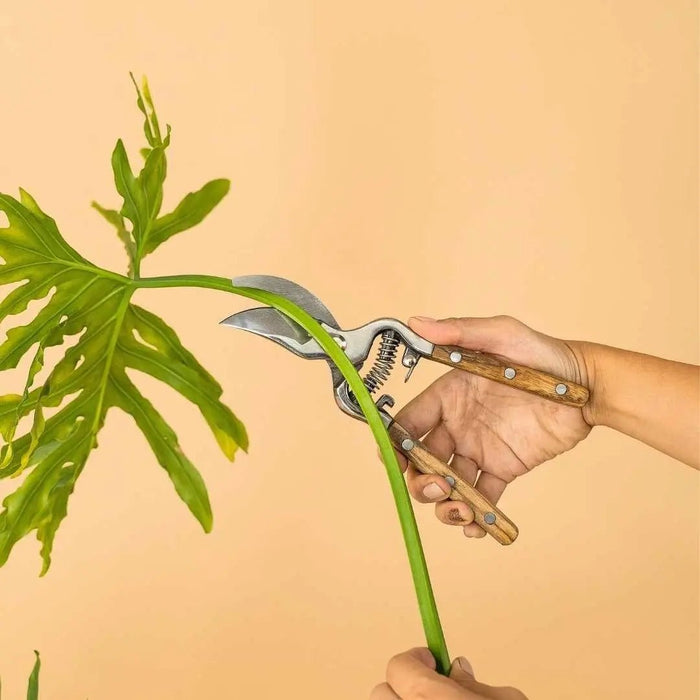
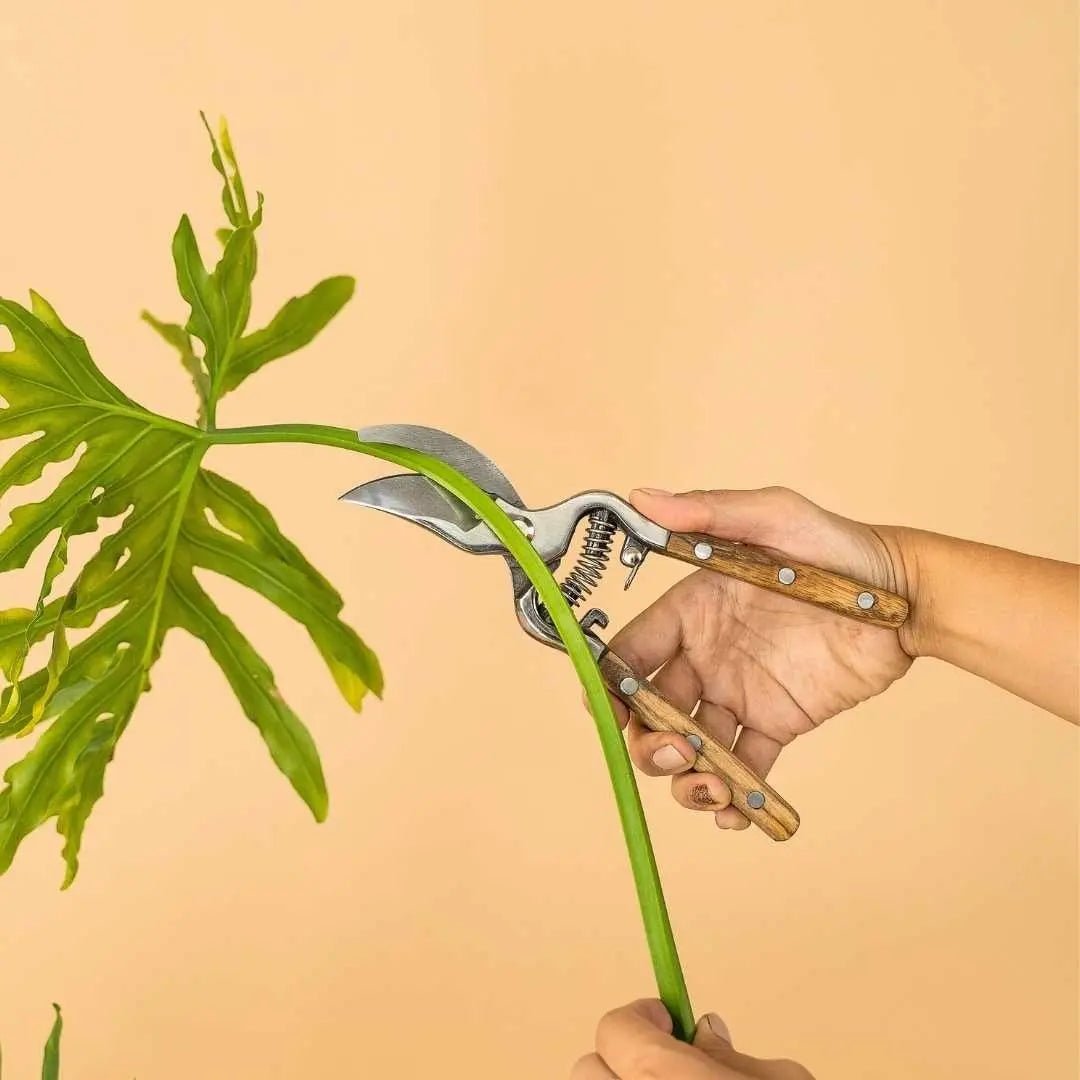
Trim brown edges with clean scissors, cutting just inside the brown area to maintain a natural leaf shape.
Curling Leaves
Leaves curl inward to reduce moisture loss. This is usually a response to:
- Underwatering
- Low humidity
- Too much direct light
- Cold drafts from AC
Address the cause and the leaves should unfurl within a day or two.
Yellowing Leaves
- Lower leaves: Natural ageing. Old leaves yellow and die to redirect energy to new growth. Remove them cleanly.
- Multiple leaves: Overwatering or root rot. Check the roots — they should be white and firm, not brown and mushy.
- New leaves: Possible nutrient deficiency. Resume fertilising at quarter strength.
Pests
Calathea orbifolia is susceptible to spider mites (especially in dry, air-conditioned environments) and mealybugs. Check leaf undersides regularly. Treat with neem oil or insecticidal soap at the first sign of infestation.
Drooping or Limp Leaves
Usually underwatering. Water thoroughly and the leaves should recover within a few hours. If the soil is already moist and leaves are limp, check for root rot.
Styling Calathea Orbifolia
The large, round, patterned leaves are the star — let them shine:
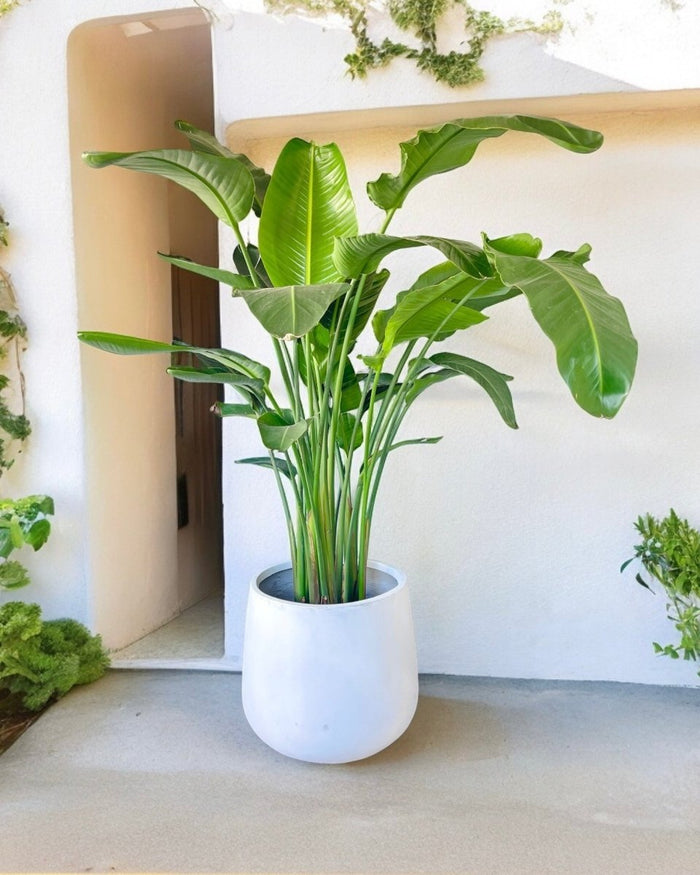
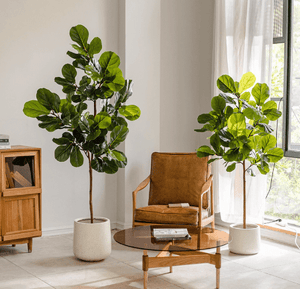
- Floor plant in a simple pot. A mature orbifolia in a white or grey ceramic pot on the floor beside a sofa or reading chair creates a serene, natural focal point.
- Tabletop centrepiece. A younger specimen works beautifully as a dining table or side table centrepiece.
- Grouped with other Calatheas. A collection of different Calathea species (Medallion, Lancifolia, White Fusion) creates a stunning textural display.
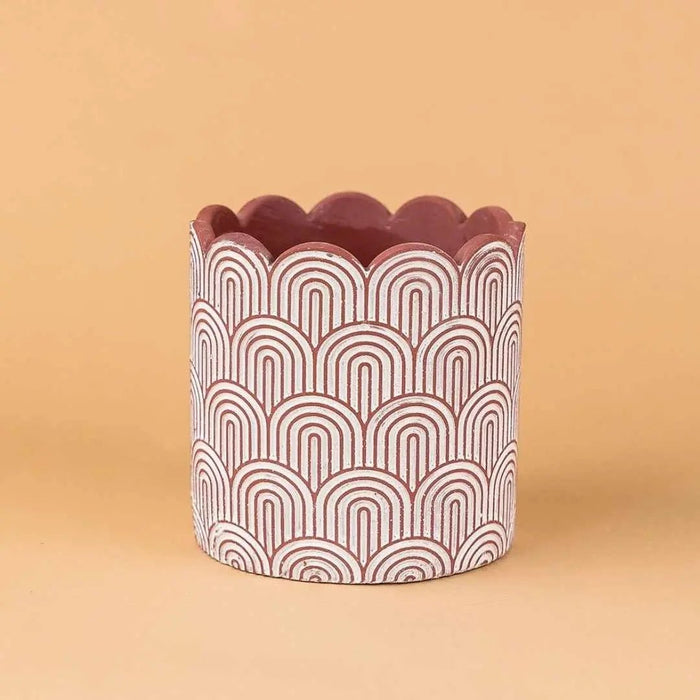
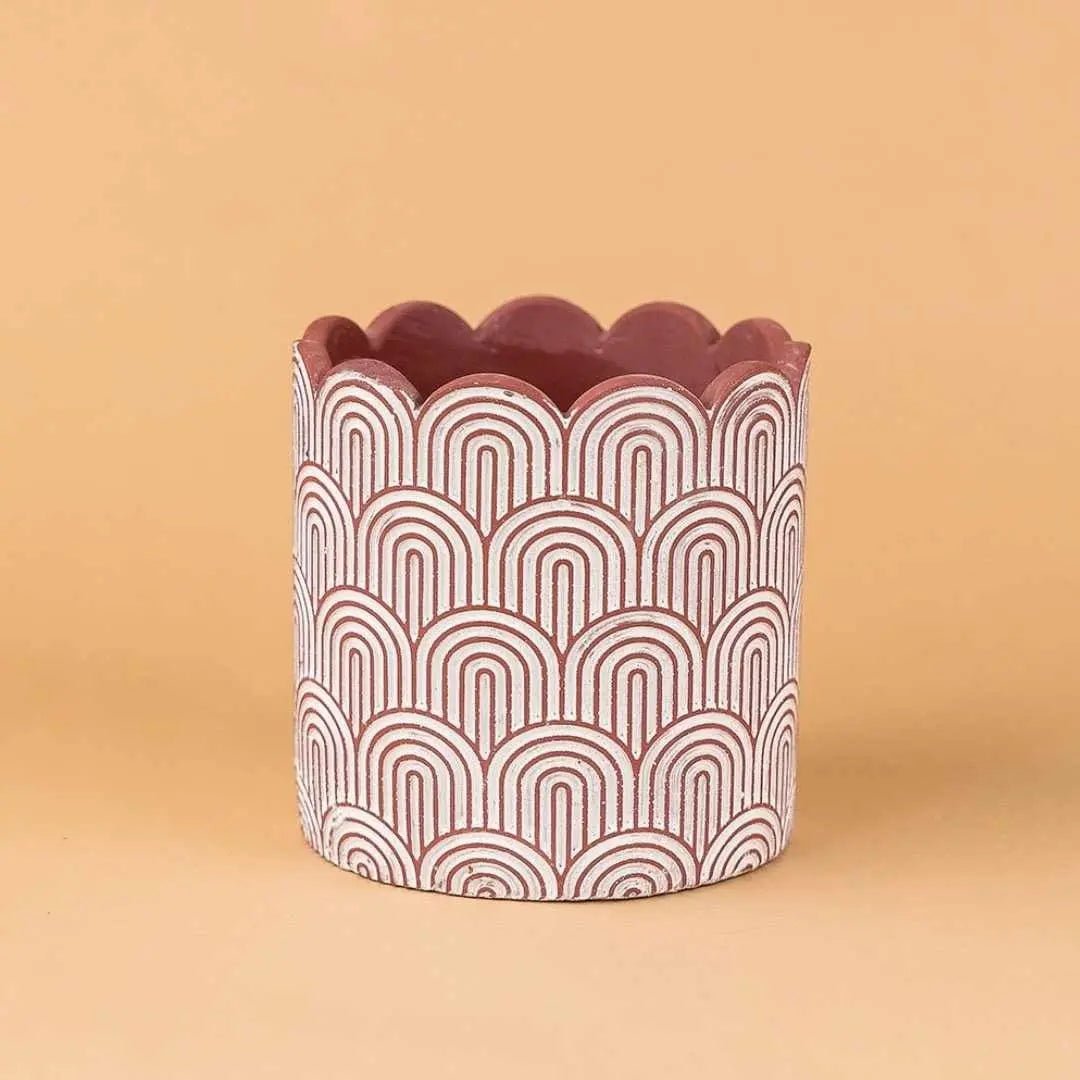
Avoid busy, patterned pots that compete with the leaf patterns. Let the foliage be the statement.
Shop Calathea
Ready to take on the challenge? Browse our Calathea collection to find orbifolia and its equally stunning relatives. We deliver healthy, well-established plants across Singapore.
Calathea orbifolia is not the easiest plant — but it is not the impossible challenge some make it out to be. In Singapore's climate, with attention to humidity, water quality, and consistency, you can grow a specimen that becomes the pride of your collection. The rewards — those extraordinary, shimmering leaves — are absolutely worth the effort.
Quick summary
Key Takeaways
- Why Calathea Orbifolia Suits Singapore
- Light Requirements
- Watering — The Most Critical Factor
- Humidity
- Soil
- Temperature
Ready to bring some green into your home?
Browse 250+ hand-picked plants, curated for Singapore homes — delivered to your door.
Browse All Plants →