





















Calathea Orbifolia Care: The Round-Leaf Prayer Plant Everyone Wants
Posted on April 08 2026
In this article
- Quick Facts
- The Prayer Plant Phenomenon
- Light: Bright to Medium Indirect
- Watering: Frequent but Measured
- Water Quality: A Critical Factor
- Humidity: Singapore's Natural Advantage
- Soil: Moisture-Retentive but Well-Draining
- Feeding: Light and Regular
- Air Conditioning: The Singapore-Specific Challenge
- Common Problems
- Companion Calathea Varieties
- Where to Find Calathea Orbifolia in Singapore
Calathea orbifolia is the undisputed star of the prayer plant family. Its large, round leaves — striped with alternating bands of silvery green and darker green — have a graphic, almost architectural quality that's immediately striking. In the right conditions, it grows into a full, lush specimen that looks genuinely spectacular in any Singapore home.

The catch? Calathea orbifolia has a reputation for being fussy. In practice, it's really about understanding what it needs — and in Singapore, some of those needs are naturally met by our climate. Here's a complete care guide.
---
Quick Facts
---
The Prayer Plant Phenomenon

Calatheas are called prayer plants because their leaves move throughout the day — rising at night as if in prayer and lowering during the day. This nyctinasty (the scientific term) is driven by light changes and is a sign that your plant is healthy and responsive to its environment.
If your calathea orbifolia's leaves stop moving, it's usually a sign of stress — check watering, light, and humidity.
---
Light: Bright to Medium Indirect
Calathea orbifolia thrives in bright to medium indirect light. In Singapore homes, this means:
- 1–2 metres from an east or north-facing window — Ideal for consistent, gentle light
- Further back in a west-facing room — Works if the plant is shielded from direct afternoon sun
- Rooms with multiple windows — Ambient bright light from several directions suits orbifolia well
Direct sun will bleach and scorch the distinctive leaf markings — one of the fastest ways to ruin an orbifolia's appearance. Even an hour of direct afternoon sun through a Singapore window can damage the leaves.
At the same time, too little light will slow growth significantly and cause the leaf markings to fade. If your room is on the darker side, supplement with a full-spectrum grow light for a few hours per day.
---
Watering: Frequent but Measured
Calathea orbifolia wants to be kept consistently moist — but not wet. The balance is: allow the top 1–2 cm of soil to dry out between waterings, but never let the soil dry completely.
In Singapore's warm climate, this usually means watering every 2–4 days depending on:
- Room temperature (hotter = faster drying)
- Pot size and material (terracotta dries faster than plastic)
- Whether AC is running (drier air = soil dries faster)
Overwatering is the most common cause of calathea orbifolia decline. In Singapore's warm temperatures, wet soil rapidly promotes root rot. If you're unsure, wait an extra day — slightly underwatering is safer than overwatering.
---
Water Quality: A Critical Factor
Calathea orbifolia is notoriously sensitive to the minerals and additives in tap water. Fluoride and chlorine — both present in Singapore's tap water — can cause the characteristic brown, crispy leaf tips that frustrate so many orbifolia growers.
The best options:
- Filtered water — A simple pitcher filter removes most problematic minerals
- Standing tap water — Leave tap water in an open container overnight. Chlorine dissipates within 24 hours (though this doesn't remove fluoride)
- Rainwater — If you can collect it from a balcony, rainwater is ideal for calatheas
- Distilled water — The purest option, though less convenient
If you're noticing consistent brown leaf tips despite good humidity and watering habits, water quality is almost certainly the cause.
---
Humidity: Singapore's Natural Advantage
Calathea orbifolia needs 60–80% humidity — and Singapore's outdoor air naturally provides this. The challenge, as with most tropical plants, is air conditioning.
Heavily air-conditioned HDB flats and condo apartments can see indoor humidity drop to 40–50%, which is significantly below what orbifolia needs.
Signs of insufficient humidity:
- Brown leaf tips and edges (distinct from watering-related browning)
- Leaves that curl inward
- Slow or stunted new growth
Solutions for Singapore homes with AC:
- Humidifier — The most effective solution. Aim for 60%+ in the room.
- Limit AC hours — Running AC only during sleeping hours and at higher temperature settings helps.
- Bathroom placement — For small orbifolia plants, bathroom humidity can be sufficient.
- Grouping plants — Arrange several plants together to create a higher-humidity microclimate.
---
Soil: Moisture-Retentive but Well-Draining
Calathea orbifolia needs a soil that holds some moisture without becoming waterlogged. A good mix for Singapore conditions:
- 40% quality potting mix
- 30% coco coir (moisture retention)
- 20% perlite (drainage)
- 10% fine orchid bark (aeration)
Pot size matters too — pot your orbifolia in a container that's only slightly larger than the root ball. Large pots hold more soil and more water, increasing the risk of root rot before the roots can absorb it.
---
Feeding: Light and Regular
Calathea orbifolia is a light feeder. During active growing periods, feed once a month with a balanced liquid fertiliser diluted to half strength. Avoid high-nitrogen feeds that encourage foliage growth at the expense of root development.
Do not feed during periods of stress (after repotting, during illness, or during cooler months when growth slows). Over-fertilising causes leaf tip burn and can damage the root system.
---
Air Conditioning: The Singapore-Specific Challenge
Of all the factors that make calathea orbifolia challenging in Singapore, air conditioning is the most significant. AC simultaneously:
- Reduces humidity to levels that stress the plant
- Creates cold air drafts that calatheas find shocking
- Lowers temperatures below the 18°C threshold that causes leaf curl
The best approach is to avoid placing your orbifolia:
- Directly beneath or beside an AC unit
- In the path of an AC vent's airflow
- Near an external AC compressor that creates temperature swings
Instead, find a bright spot that's shielded from direct AC airflow — even a bookshelf or room divider between the plant and the vent can make a significant difference.
---
Common Problems
Brown leaf tips — Water quality issue or low humidity. Switch to filtered water and increase humidity.
Yellow leaves — Overwatering or too much direct light. Assess both.
Curling leaves — Low temperature (often from AC), low humidity, or underwatering. Check all three.
Root rot — Soggy soil in warm temperatures. Remove plant, trim affected roots, repot in fresh mix.
Spider mites — Common in dry, AC'd environments. Look for fine webbing on underside of leaves. Treat with neem oil.
---
Companion Calathea Varieties
If you love orbifolia, there are several related varieties that pair beautifully with it:
Calathea Medallion — Round leaves with a deep burgundy underside and green medallion pattern on top. Similar care requirements.
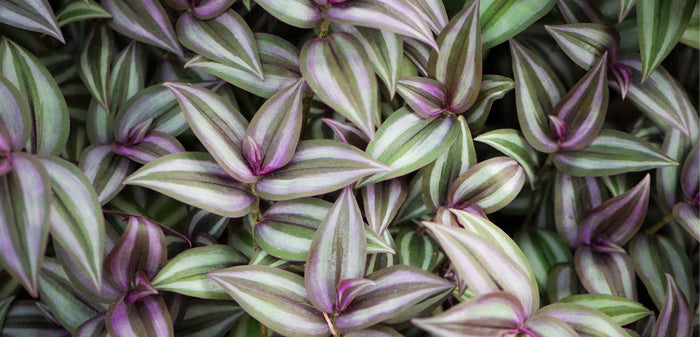
Calathea Network — Fine, mosaic-like pattern of pale veins on dark green leaves. Striking texture contrast with orbifolia's broad stripes.
Calathea Rattlesnake — Long, lance-shaped leaves with wavy edges and bold markings. Adds vertical interest alongside orbifolia's rounded form.
---
Where to Find Calathea Orbifolia in Singapore
Calathea orbifolia and related prayer plant varieties are available at Tumbleweed Plants. Stock rotates regularly.
Order today with same-day delivery across Singapore and have your new calathea orbifolia home and settling in by this evening.
Quick summary
Key Takeaways
- Quick Facts
- The Prayer Plant Phenomenon
- Light: Bright to Medium Indirect
- Watering: Frequent but Measured
- Water Quality: A Critical Factor
- Humidity: Singapore's Natural Advantage
Ready to bring some green into your home?
Browse 250+ hand-picked plants, curated for Singapore homes — delivered to your door.
Browse All Plants →