















How to Build a Plant Shelf: Design, Light, and Arrangement Tips
Posted on April 16 2026
In this article

Thumbnail spec: 1200×628px — beautifully styled plant shelf in a bright Singapore home, multiple plant varieties at different heights, trailing pothos cascading, warm indoor light, Tumbleweed Plants branding.
---
---
A well-designed plant shelf is one of the most impactful things you can do for a Singapore home — and one of the most forgiving spaces for plant experimentation. Unlike placing one large plant in a corner, a shelf lets you layer plants at different heights, mix and match sizes and textures, and swap things in and out as your collection grows.
In Singapore's year-round tropical growing season, plant shelves don't need seasonal rethinking — your plants grow actively all twelve months. But our climate does create some specific considerations: high ambient humidity affects soil dry-out times, intense afternoon sun through west-facing windows can scorch shelf plants, and the absence of a cold season means there's no excuse not to have thriving plants on display all year.
A shelf full of plants doesn't automatically look good. The difference between a plant shelf that looks curated and intentional versus one that looks like a chaotic pile of pots comes down to a few clear principles.
---
Step 1: Choose the Right Shelf for a Singapore Home
Not all shelving is suitable for plants. Before buying plants, consider the shelf's:
Load capacity. Pots are heavier than books. A 10" pot with wet soil and a large plant can weigh 15–25 lbs. Wall-mounted shelves need to be properly anchored — in HDB homes, check with your landlord before drilling. Freestanding shelves (no drilling required) are ideal for renters.
Depth. Shallower shelves (6–8") work for small plants in 4" pots. For 6"+ pots, you want at least 10" of depth. For large plants, 12–14" depth.
Proximity to light. The most important variable for plants. A shelf directly in front of a Singapore window is ideal. A shelf 6–8 feet from a window is significantly lower in light — choose low-light tolerant plants for those positions, or supplement with a grow light mounted under the shelf above. In Singapore's year-round bright days, south and west-facing windows deliver intense light — place sun-tolerant plants in those positions.
Material. Wood shelves near plants can warp or stain from water — a real risk in Singapore's humidity. Use waterproof saucers under every pot. Sealed or painted wood is more moisture-resistant than raw wood. Metal and wire shelving is less vulnerable and easier to clean.
HDB/condo context: For renters, freestanding shelves (ladder shelves, standalone units) are the best option — they require no wall fixings and come with you when you move.
A freestanding ladder shelf is the ideal plant shelf for Singapore renters — no drilling, portable, and accommodates 5–8 plants in a 0.5sqm footprint.
---
Step 2: Plan Your Light Zones

Before placing a single pot, assess the light at each shelf level — this is particularly important in Singapore where light quality varies dramatically between window orientations:
- Top shelf (nearest ceiling, farthest from window light): Often the lowest-light position unless there's a skylight. Use lowest-light plants here: ZZ, snake plant, pothos, cast iron plant.
- Middle shelves (eye level): Typically receive moderate indirect light from windows. Good for medium-light plants: heartleaf philodendron, peperomia, calathea, Chinese evergreen.
- Bottom shelf (nearest floor): Usually lowest in natural light. Reserve for very low-light tolerant plants, or add an upward-facing grow light.
The exception: If the shelf is directly in front of a Singapore window, the hierarchy changes. The shelf nearest the glass gets the most (and hottest) light — strong afternoon west-facing Singapore sun can be too intense for most houseplants directly at the glass; place hardier or more sun-tolerant species there and medium-light plants on shelves further back.
Singapore-specific tip for north-facing HDB units: Grow lights under each shelf level (LED strip lights mounted to the underside of the shelf above) are the most effective solution for low-light homes. LED strips are inexpensive, low-heat, and extend the usable plant zone to any shelf at any distance from a window.
---
Step 3: Plan Your Arrangement
Vary the Heights
The most impactful design principle: never place plants all at the same level on a shelf.
Ways to create height variation:
- Use small plant stands or risers to elevate shorter plants
- Stack books or wooden boards under plant saucers as risers
- Use tall plants at the back, compact plants in front
- Let one taller plant break the shelf's horizontal line
Use Trailing Plants at the Shelf Edge
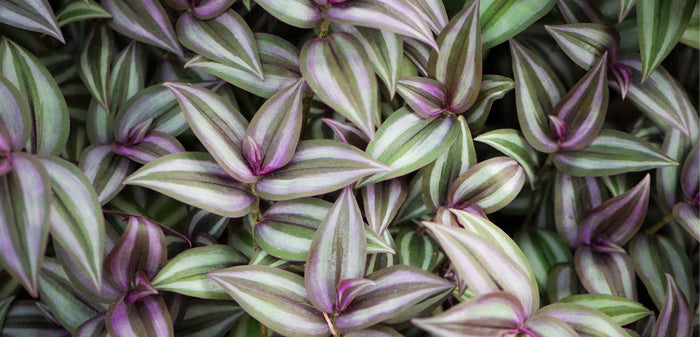
Trailing plants — pothos, heartleaf philodendron, string of hearts, tradescantia — are most effective when allowed to cascade over the shelf edge. A shelf with one long, trailing pothos falling 2–3 feet below the shelf edge creates a dramatic vertical element that anchors the entire display.
In Singapore's year-round warmth, trailing plants grow quickly — a pothos that starts at the shelf edge will reach the floor in a matter of months. This rapid growth is one of the joys of Singapore plant shelves: they evolve fast.
Place trailers at corners or the ends of shelves where the cascading vines have space to grow without blocking adjacent plants.
A trailing pothos or heartleaf philodendron cascading off the shelf edge creates the most visual drama for the least cost and effort.
Apply the Rule of Odd Numbers
Groups of three or five plants look more natural and dynamic than even-numbered groupings. When styling a shelf section, think in odd numbers.
Contrast Leaf Textures and Shapes
A shelf full of round-leafed plants looks monotonous. A shelf full of spiky plants looks harsh. Contrast is what creates visual interest — Singapore's tropical plant diversity makes this easy:
- Large + small: A large monstera leaf next to a small string of turtles peperomia
- Smooth + textured: Glossy rubber plant leaves next to ripple peperomia
- Upright + trailing: Snake plant next to a trailing pothos
- Wide + narrow: Bird of paradise leaf next to a pencil cactus
Incorporate Non-Plant Elements
A plant shelf that's 100% plants can look overwhelming. Mixing in non-plant objects creates breathing room and frames the plants:
- Books (especially spines with earth tones)
- Small sculptures, ceramics, or stones
- Candles
- Photographs or small art prints
- Crystals, fossils, or natural objects
The ratio depends on preference — some people prefer 80% plants, 20% objects; others reverse this. The key is intentionality: every item should be there on purpose.
---
Step 4: Maintain the Shelf

A beautiful plant shelf requires ongoing maintenance or it reverts to chaos. In Singapore's year-round growing season, this rhythm is important every month:
Weekly:
- Check soil moisture and water as needed (Singapore's humidity means soil stays moist longer — check before watering, don't water on schedule)
- Remove dead or yellow leaves
- Empty any saucers with standing water promptly — standing water in Singapore's humidity can cause floor damage and attract fungus gnats
Monthly:
- Dust leaves (accumulated dust — and Singapore's air pollution — blocks light and looks untidy)
- Rotate plants 90° for even light distribution
- Check for pests — shelves with dense plantings are good pest-hiding territory, and Singapore's warmth accelerates pest reproduction
Seasonally:
- Swap plants that have outgrown their shelf position to floor level or other locations
- Add new plants to fill gaps left by plants that moved
- Note: Singapore has no distinct cold season — reassess light as the Northeast Monsoon (Oct–Jan) changes cloud cover and afternoon light intensity
---
Good Plants for Singapore Shelves (by Characteristic)
Best trailers for shelf edges (fast-growing in Singapore's warmth):
- Pothos (any variety) — grows a foot per month in Singapore's heat
- Heartleaf philodendron
- String of hearts
- Tradescantia zebrina
- String of turtles peperomia
Best compact plants for shelf interiors:
- Peperomia (most varieties stay under 12" — ideal for Singapore HDB shelves)
- Haworthia
- Small snake plant varieties (Dracaena trifasciata 'Hahnii')
- African violet
- Small aloe varieties
Best for the back row (taller):
- Dracaena (provides height without spreading wide — good for Singapore's smaller shelf footprints)
- Peace lily
- Small rubber plant
- Asparagus fern
Best for low-light shelf positions (north-facing HDB units):
- ZZ plant
- Cast iron plant
- Pothos
- Chinese evergreen (dark green varieties)
Best for brighter shelves (south or west-facing Singapore windows):
- Succulents and small cacti
- Haworthia
- Aloe vera
- String of hearts
---
Singapore Plant Shelf Checklist

| Step | Action | Notes |
|------|--------|-------|
| 1 | Choose shelf | Freestanding for renters; check weight capacity |
| 2 | Assess light zones | North-facing = add grow lights; West-facing = protect from harsh afternoon sun |
| 3 | Place plants by light need | Low-light to top/back; medium-light in middle; sun lovers near window |
| 4 | Add trailers at shelf edges | Pothos, philodendron, string of hearts |
| 5 | Vary heights with risers | Stack books, use small stands |
| 6 | Add non-plant objects | Books, ceramics, stones for breathing room |
| 7 | Waterproof all surfaces | Saucers under every pot; felt pads under saucers |
| 8 | Check weekly | Soil moisture, pests, dead leaves, standing water |
The finished result: a layered, textured, living display that grows and evolves with Singapore's year-round tropical season.
---
Quick summary
Key Takeaways
- Step 1: Choose the Right Shelf for a Singapore Home
- Step 2: Plan Your Light Zones
- Step 3: Plan Your Arrangement
- Step 4: Maintain the Shelf
- Good Plants for Singapore Shelves (by Characteristic)
- Singapore Plant Shelf Checklist
Ready to bring some green into your home?
Browse 250+ hand-picked plants, curated for Singapore homes — delivered to your door.
Browse All Plants →